
Summary
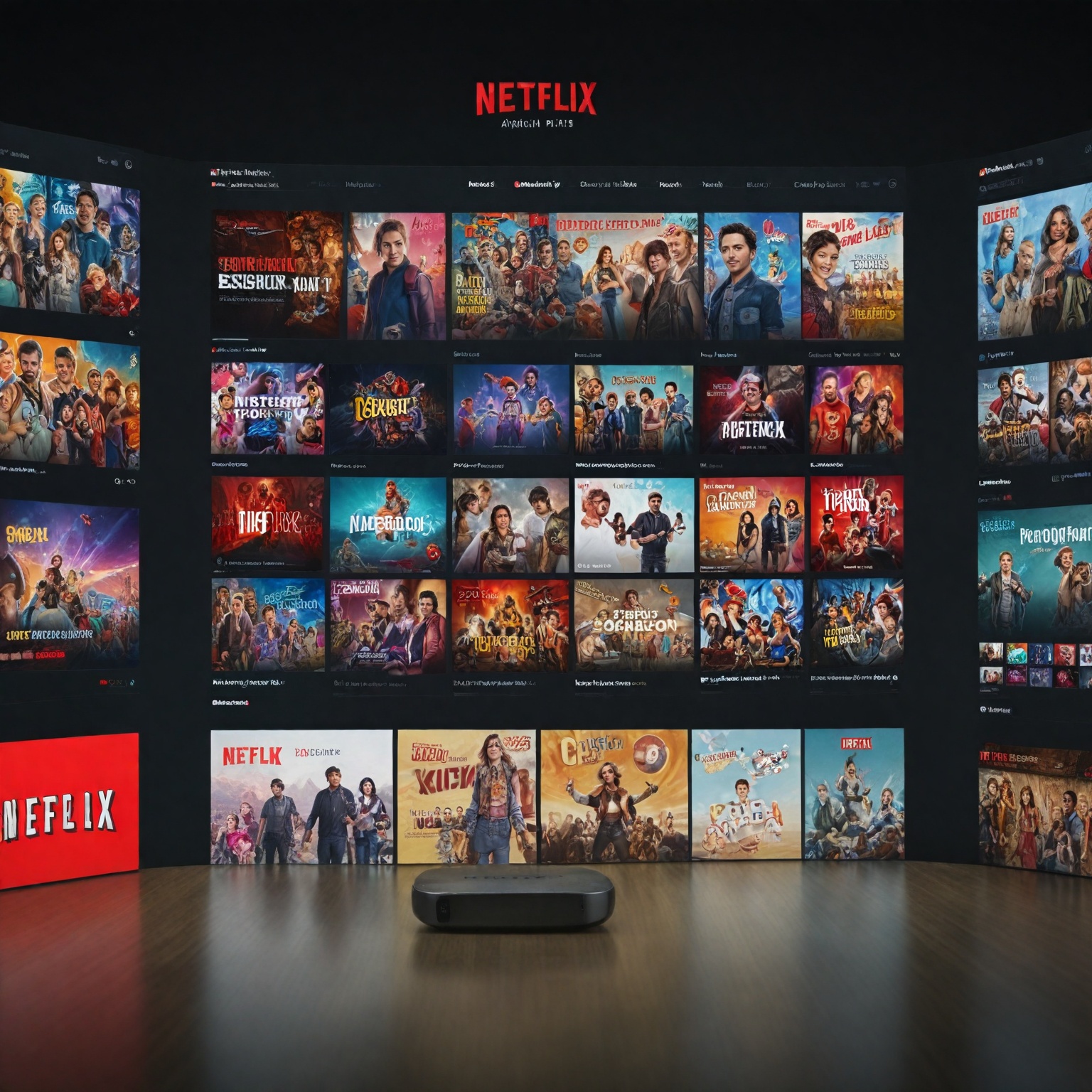
Netflix unveiled a revamped homepage and app featuring a modernized interface and an OpenAI-powered search tool designed to enhance content discovery and user experience across devices. The update introduces a cleaner layout with prominent visual elements, a TikTok-style vertical video feed for mobile users, and a redesigned TV homepage with responsive, AI-driven recommendations tailored to viewers’ moods and preferences. This overhaul reflects Netflix’s ongoing strategy to modernize its platform amid increasing competition in the streaming industry.
A key innovation in this update is the integration of generative artificial intelligence through a partnership with OpenAI, enabling users to search for shows and movies using natural language queries rather than traditional keyword or category-based searches. The AI-powered search engine allows members to input conversational phrases describing moods or nuanced preferences, delivering personalized recommendations by combining OpenAI’s language models with Netflix’s contextual data. Currently available as an opt-in feature for select subscribers in Australia and New Zealand, Netflix plans to expand the tool to other markets, including the United States.
User reception has been largely positive, with praise for the intuitive design and the enhanced ability to find content aligned with individual tastes and emotional tones. Industry analysts view the integration of AI and machine learning as a significant step that strengthens Netflix’s competitive edge by improving personalization and potentially reducing subscriber churn. However, as the feature is still in early beta testing, Netflix continues to refine its approach based on user feedback and technological advances.
This initiative builds on Netflix’s long-standing use of AI and machine learning in its recommendation systems, representing an evolution from traditional algorithms to generative AI-powered conversational tools. By investing in these innovations, Netflix aims to create a more engaging and adaptive streaming experience that meets the evolving expectations of global audiences.
Background
Netflix recently unveiled a revamped homepage and app designed to enhance user experience through a cleaner, more modern layout that emphasizes visual elements for shows and movies while incorporating additional relevant information about each title. The update introduces a new way for users to find their next show, aiming to simplify the selection process by providing detailed insights into what makes each title worth watching before committing to play. Among the notable changes is a TikTok-inspired vertical feed tailored for mobile users, alongside a redesign of the TV homepage that improves interface responsiveness and recommendation accuracy. These improvements reflect Netflix’s effort to modernize its platform and provide a more engaging and intuitive browsing experience.
Revamped Homepage and App
Netflix introduced a significant update to its homepage and app interface aimed at enhancing the user experience across devices. The redesigned homepage features a cleaner, more modern aesthetic that presents visual elements for shows and movies more prominently while incorporating additional relevant information to assist users in content discovery. This new layout also includes more fluid animations and parallax effects that dynamically respond to user interactions, particularly on mobile devices such as iPhones, where a large promotional card now highlights featured content. One of the key additions is a TikTok-style vertical video feed tailored for mobile users, enabling easier browsing, saving, and sharing of clips with friends, thereby better suiting mobile watching and social sharing habits. Netflix has also upgraded the TV experience with a more intuitive interface that offers real-time, responsive recommendations adapting to viewers’ moods and interests as they watch and explore content. This feature aims to help users quickly find titles that match their current preferences.
Furthermore, Netflix is integrating generative artificial intelligence into the search experience through a partnership with OpenAI. This AI-powered search tool allows members to use natural language phrases to find content, offering a conversational discovery process akin to ChatGPT. Although the AI models are developed in collaboration with OpenAI, Netflix trains them specifically to tailor recommendations and search results to its members’ needs. This innovation reflects Netflix’s broader strategy to enhance personalization and reduce subscriber churn through continuous improvements in user experience.
OpenAI-powered Search Tool
Netflix has introduced a new search tool powered by OpenAI’s ChatGPT, significantly enhancing the platform’s content discovery capabilities. Unlike traditional search functions that rely on titles, genres, or actor names, this AI-powered engine enables users to search using natural language and more nuanced queries, such as mood or specific emotional tones. For example, users can input phrases like “I want something funny and upbeat” or “I want something scary, but not too scary, and also maybe a little bit funny, but not like ‘haha’ funny,” and receive tailored recommendations that match these conversational inputs. The integration leverages OpenAI’s large language models to provide a conversational discovery experience. Netflix combines the baseline AI capabilities provided by OpenAI with its own contextual data about content and subscriber preferences to deliver relevant and personalized results. This hybrid approach aims to create a helpful and delightful user experience that goes beyond keyword matching.
This feature is currently available as an opt-in test for subscribers in select regions, including Australia and New Zealand on iOS devices, with plans to expand to other countries such as the United States in the near future. The new AI-powered search allows Netflix to tap into over two decades of experience in machine learning and recommender systems, marking a significant evolution in how users interact with and discover streaming content. Additionally, the search tool supports highly specific and dynamic queries, enabling users to find shows or movies that resonate with their current mood or preferences in real time. This responsiveness is part of Netflix’s broader effort to offer a more intuitive and personalized homepage experience, which adapts based on ongoing viewer engagement and feedback.
User Reception
The revamped Netflix homepage and app, featuring an OpenAI-powered search tool, have been met with notable interest and anticipation from users and industry observers. Early adopters in regions like Australia and New Zealand have begun testing the conversational search capabilities, which allow users to find content using natural language queries that reflect their mood or specific preferences, such as “I want something scary, but not too scary, and also maybe a little bit funny”. This shift towards a more intuitive and responsive recommendation system aims to reduce the cognitive load on users, who previously had to navigate multiple rows and details to decide what to watch. The updated interface, praised for its clean and modern design, has been described as elevating the overall user experience to better align with contemporary expectations for streaming platforms. By putting relevant information “front and center,” Netflix intends to streamline content discovery and enhance user engagement in real time, adapting to viewing and browsing history dynamically.
Industry analysts have noted that integrating AI and machine learning technologies into Netflix’s recommendation and search systems strengthens the platform’s competitive edge in the streaming landscape. The enhanced search functionality not only broadens the scope of discoverable content beyond traditional genre or actor-based queries but also caters to nuanced user preferences, potentially improving viewer retention and satisfaction. However, as the rollout continues, the full impact on user reception remains to be seen. Netflix’s commitment to proactive technological innovation and responsiveness to user moods signals a strategic move to maintain its position amidst growing competition.
Technical Implementation
Netflix has a long-standing history of employing machine learning and artificial intelligence (AI) within its recommender systems, a practice spanning over two decades aimed at proactively leveraging technical innovations. Building on this foundation, the company is now integrating generative AI technologies, particularly through a partnership with OpenAI, to enhance the content discovery experience for its users. The centerpiece of this advancement is an AI-powered search engine, developed in collaboration with OpenAI, the creator of ChatGPT. This tool extends Netflix’s traditional search capabilities—previously limited to queries by title, genre, or actor—by enabling users to perform searches using natural language inputs that capture moods and more nuanced preferences. To access this feature, subscribers must opt in, and Netflix plans to expand its availability to multiple countries, including the United States, in the near future.
In addition to the search improvements, Netflix has redesigned its TV homepage to be simpler and more intuitive, reflecting the breadth of its entertainment offerings more effectively. These updates include the introduction of a vertical video feed tailored for mobile viewing and sharing, as well as more visible shortcuts to content, all underpinned by real-time AI-driven recommendations that adapt to viewers’ immediate moods and interests. Through these technical enhancements, Netflix aims to create a conversational and personalized discovery experience that stands out amid growing competition in the streaming industry.
Future Developments
Netflix is actively exploring the integration of advanced artificial intelligence technologies to enhance its user experience. The company has a long-standing history of utilizing machine learning and AI within its recommender systems, spanning over two decades. Building on this foundation, Netflix aims to incorporate generative AI capabilities, which differ from traditional AI by enabling the creation of text, images, and videos, to improve content discovery for its members. A key future development is the implementation of an OpenAI-powered search tool that allows users to search using specific phrases, making content discovery more intuitive and personalized. Although the underlying models are developed in partnership with OpenAI, they are customized and trained by Netflix’s internal teams to better cater to the unique preferences of its members. According to Chief Technology Officer Elizabeth Stone, these AI enhancements represent just the beginning of Netflix’s efforts to innovate its search and recommendation functionalities.
Netflix co-CEO Greg Peters emphasized that the company is still in an early beta phase, adopting a “learn and listen” approach to refine these features based on user feedback and technological advancements. This cautious yet proactive stance highlights Netflix’s commitment to leveraging technical innovation while adapting to evolving consumer needs.
The content is provided by Avery Redwood, Direct Bulletins