Highlights
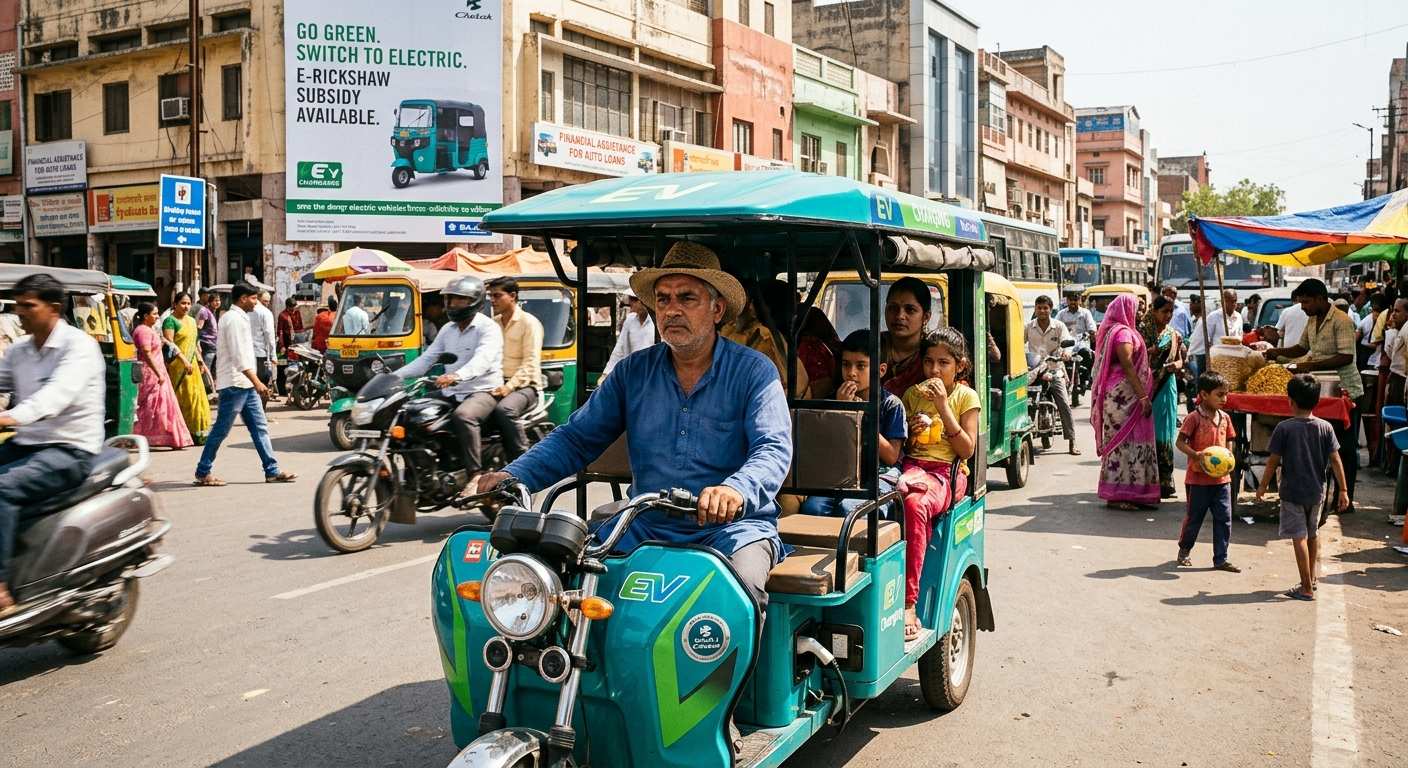
- Electric auto-rickshaws lower running costs, enhancing driver income and loan repayment potential.
- Innovative financing models are crucial for empowering drivers amidst financial vulnerabilities and market fluctuations.
Summary
Auto-rickshaw drivers in India represent a critical segment of the transport sector, primarily relying on daily passenger service earnings to cover operational costs and repay vehicle loans. Monthly earnings can range from ₹28,000 to ₹48,750, influenced by the city and vehicle type, yet drivers often confront tight financial margins due to expenses such as fuel, maintenance, rental fees, insurance, and commissions to ride-hailing platforms. The introduction of electric auto-rickshaws is altering this landscape by potentially lowering operational costs and improving net income, thus enhancing the ability to meet loan obligations.
Financial Profile and Loan Options
With approximately 48,000 auto-rickshaw drivers, most operating in urban areas, these drivers face significant financial pressure. For a typical operation, fuel costs average around ₹7,540 monthly, with maintenance expenses between ₹3,000 and ₹5,000, largely dependent on vehicle condition. Additionally, many drivers incur vehicle rental costs averaging around ₹7,800 per month, alongside insurance and permit fees. Therefore, despite gross earnings, the net income is often constrained, averaging ₹23,735 monthly, which necessitates careful consideration of loan repayment options.
Various financing options cater to the financial needs of these drivers, including loans for both new and used vehicles, refinancing existing debts, and specialized financing for electric models. Loan amounts can cover up to 90% of the vehicle cost and typically offer repayment tenures of four to five years, with flexible EMI plans intended to accommodate fluctuating incomes. However, traditional credit assessments that depend on formal documentation can limit access to affordable financing, particularly for those working outside the formal economy.
Challenges in Loan Repayment
Loan repayment for auto-rickshaw drivers is complicated by several factors, including reliance on conventional credit appraisal systems that often misrepresent the financial circumstances of informal workers. The COVID-19 pandemic exacerbated these challenges as service demands fell sharply, undermining drivers’ income and repayment capacities. Daily earnings vary significantly based on traffic patterns and location, causing instability in financial planning; while reported monthly earnings range from ₹28,000 to ₹45,000, daily take-home can fluctuate between ₹1,200 and ₹2,000. Sustained demand shocks and varying maintenance costs further strain the ability to maintain timely loan payments.
Supportive Measures and Financial Tools
Innovative financial products specifically tailored for auto-rickshaw drivers are increasingly available, providing up to 80% funding for electric vehicles, quick access to loans, and manageable repayment structures. These solutions aim to improve financial accessibility for drivers operating in the informal economy. Additionally, strategies like fleet partnerships, shared vehicle models, and streamlined loan application processes help mitigate risks associated with repaying loans. Moreover, electric auto-rickshaws can offer lower operational costs, improving overall income stability, although challenges like accessibility to spare parts and license requirements persist.
Strategies for Successful Loan Management
Drivers take a proactive approach to manage their financing and enhance profitability, selecting durable vehicles that assure consistent earnings and lower maintenance costs. Focusing on high-demand routes maximizes earning potential, alongside using ride-hailing platforms to increase trip frequency during peak times. Electric rickshaw drivers, in particular, employ optimized charging schedules to minimize costs associated with energy usage. By maintaining their vehicles effectively, drivers reduce operational costs, allowing for a more considerable portion of monthly earnings to be directed to loan repayments.
The content is provided by Harper Eastwood, Direct Bulletins