Highlights
- Access to tailored financing products empowers auto rickshaw drivers in managing loan repayments.
- Effective loan management strategies enhance financial stability amid socio-economic challenges for drivers.
Summary
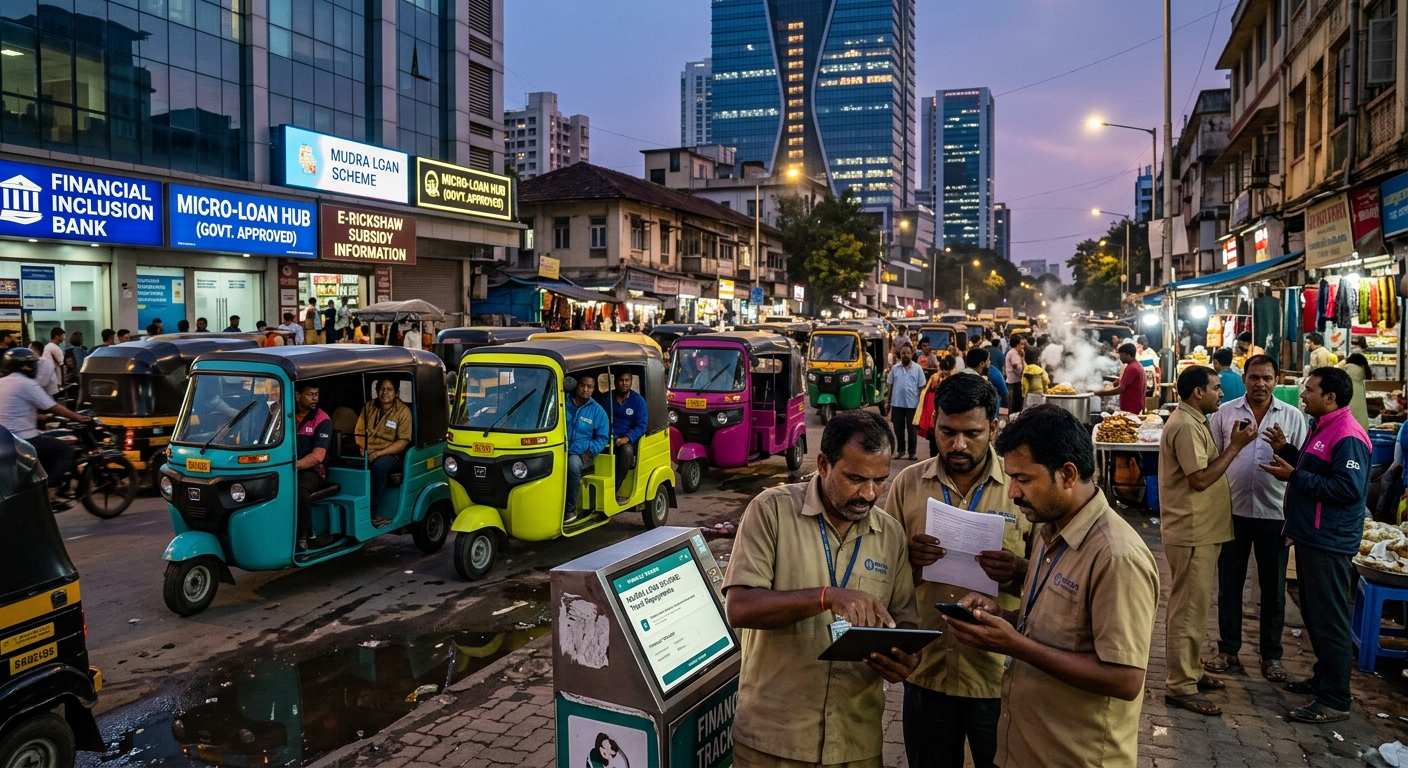
The intricacies of loan management for auto rickshaw drivers in 2026 highlight the balance between financial strategies and socio-economic challenges. As tailored financing products—including those for electric rickshaws—become more accessible, drivers face the task of managing loan repayments alongside fluctuating incomes. The evolving landscape involves loan offers from banks, non-banking financial companies (NBFCs), and microfinance institutions that provide flexible terms and government-backed subsidies aimed at reducing initial costs.
Economic Environment and Loan Accessibility
The financial landscape for auto rickshaw drivers is influenced by the availability of various loan products, reflecting a regulatory environment that supports urban transport. It is essential for drivers to navigate these loans, particularly as electric rickshaws gain traction. The capacity of lenders to assess repayment capability continues to shift, with many offering loans without stringent income documentation, addressing the informal income nature of drivers. Currently, interest rates typically range from 9% to 14%, which can lead to differing monthly repayment obligations based on the vehicle type and borrower profile.
Socio-Economic Barriers to Repayment
Drivers often contend with significant hurdles due to income variability and dependence on informal lending practices, which can exacerbate financial vulnerabilities. Reported debts indicate substantial challenges, particularly when repayment sources become strained. The costs associated with electric rickshaws, despite their long-term savings potential, can also pose upfront financial barriers. Other economic factors, including enhanced vehicle prices and elongating loan tenures, further complicate the repayment landscape, necessitating that drivers incorporate these considerations into their financial planning.
Government Support and Financial Initiatives
Governmental support is critical in fostering the transition to electric rickshaws through various financial assistance programs, reducing operational burdens. Programs such as the Kerala E-Mobility Promotion Scheme and national subsidies offer significant incentives; however, drivers must understand the terms, including repayment obligations tied to these loans, to leverage them effectively. Financial literacy initiatives are emerging to bolster understanding of financial products and repayment strategies, helping drivers to manage their obligations and explore opportunistic avenues for additional income.
Technological Advancements in Loan Management
The role of digital tools in managing loans is increasingly important, providing auto rickshaw drivers with platforms that simplify tracking and repayment processes. Automated systems enhance transparency and efficiency while features like EMI calculators assist in aligning loan terms with drivers’ earning patterns. However, the success of these tools hinges on drivers’ financial literacy, which remains a barrier for many. As drivers increasingly utilize technology, the importance of comprehensive support services grows to ensure effective engagement with these tools.
The content is provided by Blake Sterling, Direct Bulletins