Highlights
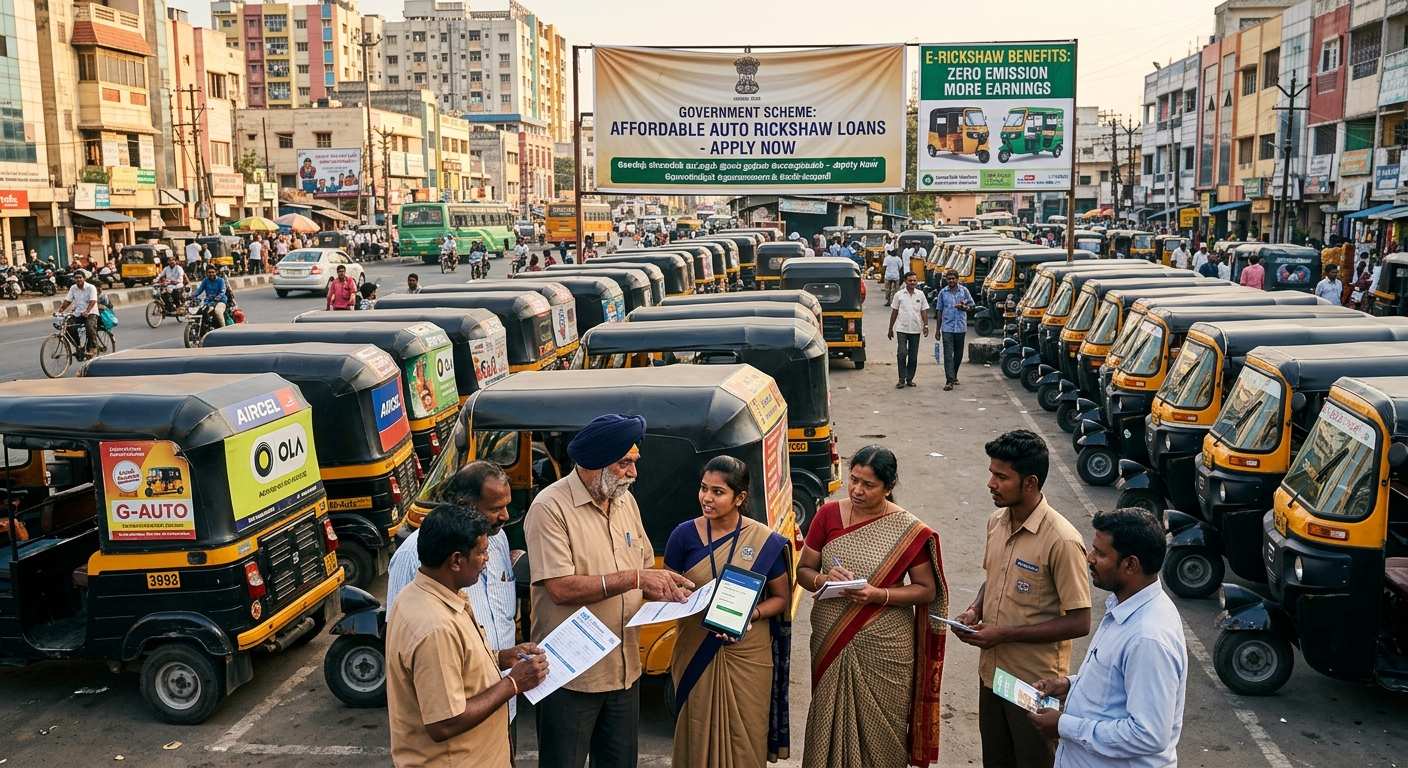
- Auto rickshaw driver loans support livelihoods and promote entrepreneurship in developing regions.
- Financial inclusion initiatives enhance access to loans for female and transgender drivers in urban transport.
Summary
Auto rickshaw driver loans enable individuals and businesses to purchase, refinance, or expand auto rickshaw fleets for commercial transportation. Offered by banks, non-banking financial companies (NBFCs), and microfinance institutions, these loans can provide up to 100% financing based on the vehicle’s chassis value, featuring low interest rates, flexible repayment options, and simplified processes. With an increasing focus on sustainability, tailored financing is available for electric auto rickshaws (e-rickshaws), supporting environmentally friendly transitions in urban transport. However, potential borrowers often face substantial challenges, including informal employment and lack of credit histories, which increase perceived risks for lenders.
Types of Auto Rickshaw Driver Loans
Auto rickshaw loans fall into several categories to cater to diverse financing needs. New auto rickshaw loans offer full funding based on the vehicle’s chassis value, whereas used vehicle loans provide up to 90% of the vehicle’s current market value. Additionally, refinancing loans help drivers restructure existing debts and improve cash flow. Specialized community-based group lending models can enhance repayment reliability by leveraging social connections, while e-rickshaw loans promote sustainable transport options among underserved populations.
Barriers to Accessing Loans
A large portion of auto rickshaw drivers face barriers in obtaining loans due to perceived high risks by lenders associated with small loan sizes and limited formal credit data. Traditional appraisal systems often overlook their unique situations, thus hampering access to capital. Microfinance institutions increasingly utilize non-traditional metrics, including reputation and community involvement, to assess creditworthiness. Furthermore, gender biases and economic instability further limit access, particularly for women drivers, despite supportive government initiatives like the Pink Auto Scheme aimed at enhancing financial inclusion.
Role of Microcredit Institutions and Government Initiatives
Microcredit institutions are essential in providing financial services to auto rickshaw drivers excluded from traditional banking due to unstable incomes and lack of formal credit histories. They often use group lending models, fostering collaboration among borrowers to ensure timely repayments. Additionally, government programs such as the Auto Rickshaw 1500 Scheme offer critical subsidies to support vehicle acquisition. These initiatives not only provide financial assistance but also facilitate skill development and social empowerment, contributing to safer working conditions and improved economic outcomes for drivers.
Risks and Alternative Financing Options
While lending to auto rickshaw drivers presents inherent risks, including borrower defaults and fluctuating incomes, alternative financing avenues have emerged to enhance access. Intermediaries may facilitate financing for e-rickshaw purchases, allowing them to rent these vehicles to drivers, significantly increasing affordability. Other options include self-help groups (SHGs) that promote savings and credit within communities, and peer-to-peer lending platforms that connect borrowers with international funders. These alternatives aim to mitigate traditional barriers by fostering financial resilience among auto rickshaw drivers while promoting green mobility and ownership.
The content is provided by Jordan Fields, Direct Bulletins