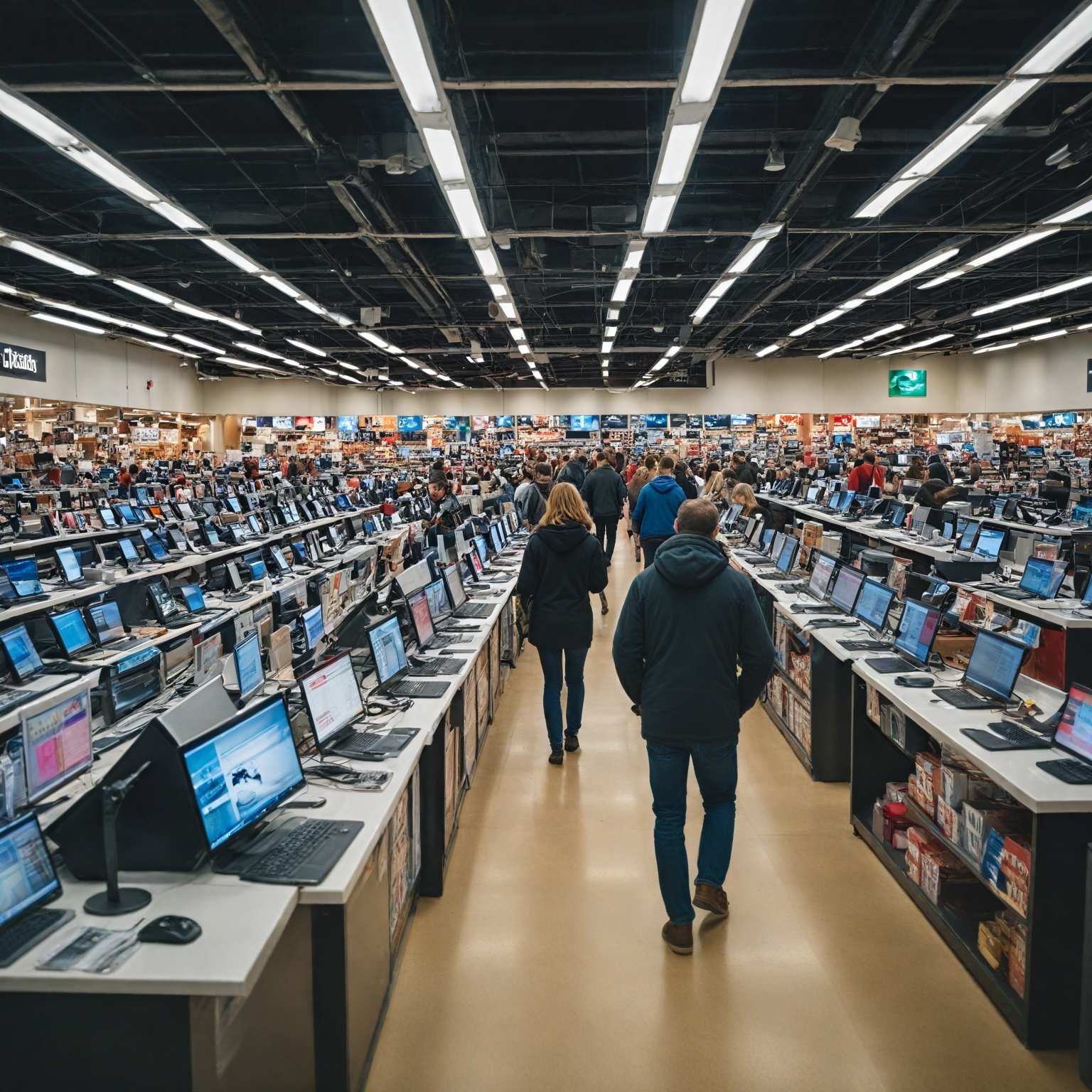
Highlights
- Navigate Black Friday 2025 with expert tips on choosing the perfect laptop deal.
- Understand consumer protections to make informed purchases during this competitive shopping event.
Summary
Your Essential Guide to Choosing the Right Laptop This Black Friday 2025 offers a comprehensive overview of the highly anticipated annual shopping event and provides expert advice to help consumers navigate the complex landscape of laptop deals. Black Friday remains a critical period for retailers and shoppers alike, with early sales and deeply discounted offers driving substantial spikes in consumer spending each year. The 2025 event continues this trend, featuring competitive deals across a wide range of laptop categories—from budget-friendly everyday models to high-performance gaming rigs and premium ultrabooks.
This guide highlights key factors consumers should consider when selecting a laptop during Black Friday, such as intended use, hardware specifications (including processors, RAM, storage, and graphics), portability, display quality, and budget constraints. It also details popular laptop categories and the latest technology trends for 2025, including advancements in CPUs and GPUs, as well as emerging design innovations that balance performance with power efficiency and portability. Retailer strategies such as limited-time flash sales, bundling, and upselling are explained to help shoppers understand promotional tactics and avoid common pitfalls.
Notably, the guide addresses important consumer protections, emphasizing the necessity of understanding warranty and return policies amid the high volume of Black Friday purchases and returns. It also discusses increased regulatory scrutiny, particularly by agencies like the Australian Competition and Consumer Commission (ACCC), which has intensified enforcement against misleading advertising and deceptive pricing tactics during the 2025 sales period. These developments underscore the ongoing challenges of maintaining transparency and fairness in an increasingly competitive retail environment.
By combining detailed product recommendations, practical shopping tips, and awareness of legal safeguards, this guide equips consumers with the knowledge to make informed decisions and maximize value when purchasing laptops during Black Friday 2025. Whether seeking performance, portability, or affordability, shoppers are encouraged to plan ahead and leverage expert insights to secure the best possible deals while avoiding common traps.
Overview of Black Friday Sales
Black Friday remains one of the most significant retail events of the year, with many major retailers launching their sales days or even weeks in advance. In 2025, official Black Friday sales have already begun at prominent stores, offering early access to discounts on a wide range of products, including laptops. Experts and consumers alike track these early sales closely to capitalize on the best deals before the main event.
Retailers participating in Black Friday have historically seen substantial boosts in sales. For example, in 2023, sales during Black Friday surged by 104% compared to the average sales earlier in October, with participating retailers maintaining elevated sales levels throughout December, averaging a 28% increase. Meanwhile, non-participating retailers experienced a decline of 5% in the final quarter of the year. This pattern underscores the enduring commercial importance of Black Friday as a driver of consumer spending and year-end revenue.
One common retail strategy during Black Friday is to offer deeply discounted products for very limited time windows, often only a few hours on the day itself. This tactic is designed to draw customers into stores or websites and create a sense of urgency around purchases. Additionally, retailers frequently reuse popular offers from previous years, especially on seasonal or widely demanded items, allowing shoppers to anticipate and prepare for expected deals.
Beyond pure commerce, some Black Friday campaigns in recent years have emphasized cultural and social responsibility. Campaigns that encourage conscious shopping habits and community engagement have been recognized for their impact, such as one initiative nominated for ‘Most Purposeful Campaign of the Year’ that blended promotional efforts with meaningful messaging. Creative discounting techniques, like stackable deals promoted during Cyber Week, have also emerged to appeal to younger consumers via targeted social media marketing.
Regulatory bodies have increased scrutiny of Black Friday advertising practices to ensure fairness and transparency. The Australian Competition and Consumer Commission (ACCC), for example, continues investigations into misleading advertisements during the event, monitoring both online and physical retail promotions. This oversight reflects concerns about deceptive tactics that can arise due to intense competition among retailers during the sales period.
For consumers seeking laptops during Black Friday, expert-curated lists and rigorous testing of hardware specifications help guide purchasing decisions. Leading retailers such as Amazon, Walmart, Target, and Best Buy typically feature competitive deals from top brands including Apple, HP, Dell, Lenovo, and Acer. Given the complexity and volume of deals, shoppers often rely on early previews and expert advice to identify the best laptops available during this shopping season.
Factors to Consider When Choosing a Laptop
When selecting a laptop, especially during major sales events like Black Friday 2025, it is essential to identify your primary use case to narrow down your options effectively. For instance, the requirements of a work-oriented laptop differ significantly from those of a dedicated gaming machine. Understanding the intended purpose ensures that you prioritize the appropriate features and avoid unnecessary expenses.
Performance specifications such as the processor, RAM, storage, and battery life are critical factors to evaluate. Experts recommend examining hardware components carefully, as these directly impact the device’s speed and multitasking capabilities. For example, a combination like a Ryzen 5 chipset paired with 16GB RAM provides ample headroom for everyday tasks like browsing, document editing, video conferencing, and light creative work, making it a balanced choice for students and remote workers. For more demanding applications such as video editing or gaming, stepping up to higher storage capacities (512GB or 1TB SSD) and powerful GPUs is advisable.
Portability is another important consideration. Lightweight laptops with long battery life are ideal for users who need to carry their devices frequently. Some models weigh under 3 pounds and can deliver nearly 19 hours of battery life per charge, making them well-suited for mobility without compromising on usability.
Beyond raw specifications, non-technical factors such as screen quality and keyboard comfort significantly affect user experience. These aspects may not always be apparent from spec sheets but can influence long-term satisfaction with the device.
Finally, budget constraints often guide decision-making. For gaming enthusiasts on a limited budget, specialized lists of the best gaming laptops under $1,500 or $1,000 can help focus the search on value-driven options that still deliver solid performance. Keeping an eye on sales from reputable brands and major retailers such as Apple, HP, Dell, Lenovo, Acer, Amazon, Walmart, Target, and Best Buy can help secure the best deals while ensuring quality and reliability.
By carefully balancing use case, performance, portability, user comfort, and budget, shoppers can make informed decisions to find a laptop that meets their needs during Black Friday 2025 and beyond.
Popular Laptop Categories and Their Black Friday Trends
Black Friday 2025 presents a wide array of laptop deals across various categories, catering to different user needs and budgets. Understanding these popular categories and their typical Black Friday trends can help shoppers make informed decisions.
Productivity and Everyday Use Laptops
Laptops designed for productivity and everyday multitasking continue to dominate Black Friday sales. Devices featuring mid-range processors such as the AMD Ryzen 5 combined with 16GB of RAM offer sufficient performance for activities like web browsing, document editing, video conferencing, and light creative work. These models are especially popular among students and remote workers looking for reliable yet affordable machines that won’t feel outdated quickly.
Premium Ultrabooks and Creative Workstations
For users requiring high performance for tasks such as coding, creative software, or intensive productivity, Black Friday deals often highlight premium ultrabooks like the MacBook Air 13-inch with the Apple M2 chip. Despite newer M3 and M4 models being available, the M2-based MacBook Air remains a powerful option at a compelling price during the sales period, combining portability with strong processing power and 16GB of RAM.
High-End and Gaming Laptops
Gaming laptops see substantial attention during Black Friday, with deals spanning from budget-friendly to high-powered machines. Recent trends include laptops equipped with the latest Intel Core Ultra CPUs and Nvidia Blackwell GPUs, reflecting the most current hardware available in 2025. Specialized lists focusing on gaming laptops under $1,000 and $1,500 help buyers find options that balance performance and price. Enthusiasts looking to build a complete gaming setup also benefit from bundled deals and accessories highlighted during the event.
Balanced Performance Models
Models like the Asus Vivobook S 14 exemplify laptops that strike a balance between portability and power. Featuring an eight-core AMD Ryzen 9 2700 processor, 32GB RAM, and a 1TB SSD, these machines are well-suited for users who need robust performance for work tasks without sacrificing mobility. Their 14-inch, 1920 x 1200 IPS displays, while not OLED, offer sufficient quality for most professional and personal uses.
Black Friday Deal Patterns
Retailers often recycle popular laptop deals year over year, especially for commonly purchased categories such as productivity machines and ultrabooks. This trend allows budget-conscious shoppers to anticipate the kinds of offers that may be available by reviewing previous sales. Early planning and identifying one’s primary use case remain critical strategies to maximize savings and secure the best deals on Black Friday.
Retailer Pricing and Promotional Strategies
Retailers employ a variety of pricing and promotional strategies to attract customers during Black Friday sales. One common tactic is the use of limited-time offers, where highly discounted items such as gaming consoles or smartphones are available only during specific hours, for example, from 7 a.m. to 9 a.m. This approach aims to draw shoppers into stores they might not otherwise visit, generating increased foot traffic and potential additional sales.
Many retailers tend to recycle the same deals from previous years, particularly on popular winter season products like clothing, kitchen appliances, and luggage. This predictability allows budget-conscious shoppers to plan their purchases in advance by referencing past promotions.
Beyond pricing, upselling and cross-selling are widely used promotional techniques during Black Friday. Upselling encourages customers to purchase higher-priced versions or upgrades of items they are already considering, while cross-selling recommends complementary products to enhance the purchase. For example, a customer buying a laptop might be offered discounted accessories such as a laptop case or mouse, boosting the overall order value. Bundling related products together with special Black Friday promotions further incentivizes shoppers to increase their spending.
Retailers also focus on reducing cart abandonment, which often spikes during sales events due to unexpected costs like shipping fees. Offering transparent shipping and return policies during Black Friday can improve conversion rates, build customer loyalty, and increase lifetime value (LTV).
At the same time, the competitive dynamics of Black Friday create pressure for retailers to match aggressive promotional tactics, which can sometimes lead to misleading advertising. Industry self-regulation and transparency standards, especially in programmatic digital advertising, aim to mitigate such issues by ensuring compliance with consumer protection requirements. Regulators monitor retailer websites, physical advertisements, and consumer reports to identify problematic patterns and uphold fair market practices.
Marketing and Advertising Techniques During Black Friday
Black Friday marketing and advertising strategies are designed to capture consumer attention amid intense competition from a wide range of retailers, from global brands to small startups. A critical element is creating urgency and excitement through short-term, high-impact deals such as flash sales that offer significant discounts for limited periods. These deals are often promoted across multiple channels, including websites, social media, and email campaigns, to maximize reach and drive impulse purchases.
Retailers increasingly adopt innovative tactics to differentiate themselves. For example, Target’s “Black Friday Preview Sale” allows customers early access to select deals weeks before the main event, which helps build anticipation and manage store traffic. Similarly, Walmart has leveraged culturally resonant advertising, such as campaigns tied to popular media like the film “Mean Girls,” to engage specific shopper demographics through nostalgia.
Collaboration between brands during Black Friday can also enhance marketing effectiveness by exposing each company to the other’s audience, creating mutual benefits during the peak shopping period. Additionally, transparency around shipping and return policies plays a pivotal role in reducing cart abandonment—a common challenge during high-volume sales events—and in fostering customer loyalty and increased lifetime value.
Retailers frequently use “doorbuster” deals and limited-quantity offers to heighten consumer urgency, but must clearly communicate terms and conditions, including sale durations and product availability, to avoid consumer frustration. These tactics aim to maintain shopper engagement both in-store and online.
Regulatory bodies have intensified scrutiny on Black Friday advertising practices to combat misleading tactics. In November 2025, the Australian Competition and Consumer Commission (ACCC) launched an enforcement sweep targeting deceptive pricing strategies that create false urgency or misrepresent savings, highlighting the importance of compliance during promotional campaigns. This ongoing regulatory focus extends to the use of automated advertising technologies and programmatic platforms, which must be carefully managed to prevent misleading messaging while optimizing conversions.
Recommended Laptop Models for Black Friday 2025
When it comes to selecting the best laptop deals during Black Friday 2025, several standout models offer excellent performance, value, and features tailored to different user needs.
High-End Gaming Laptops
For gamers seeking top-tier performance, the Razer Blade 14 (2025) is a highly recommended option. Available for $1,699.99 (down from $1,799.99), it comes equipped with an NVIDIA RTX 5070 GPU, Ryzen AI 9 3650 CPU, 32GB DDR5 RAM, and a 1TB SSD, making it one of the best gaming laptops currently on the market. Another powerful contender is the Alienware 16 Aurora, which offers an Intel Core i7-240H Series 2 processor, RTX 5060 graphics, a 16-inch 2560×1600 display, 16GB RAM, and a 1TB SSD for $1,099.98, reflecting a $300 discount. The Asus ROG Strix G16 (2025) also stands out with an Intel Core i7-14650HX processor, RTX 5060 GPU, 16-inch 1920×1080 display, 16GB RAM, and 1TB SSD for $1,199.99 after a $300 price drop.
Mid-Range and Budget Gaming Laptops
Budget-conscious gamers may find the MSI Katana 15 HX to be the best value. Powered by Nvidia’s entry-level GeForce RTX 5050, it delivers smooth 60fps gaming with or without DLSS 4, offering a solid gaming experience without significant compromises. The Acer Nitro V 15 is another excellent budget option for gamers, capable of handling AAA titles at 1080p resolution. The HP Victus 15 (2025) is also notable for its balance between affordability and gaming performance, featuring an AMD Ryzen 5 7535HS processor, RTX 2050 graphics, 15.6-inch 1920×1080 display, 8GB RAM, and 512GB SSD priced around $569 after discounts.
Premium Ultraportables and Productivity Laptops
Apple continues to deliver premium laptops with the MacBook Air 13-inch (M2, 2025) and the MacBook Pro 14-inch (M5, 2025) models. The MacBook Air, with 16GB RAM and a 256GB SSD, is available at an unbeatable price considering its power and portability. The MacBook Pro 14-inch, equipped with a 10-core CPU and GPU, 16GB unified memory, and a 1TB SSD, caters to users seeking high-end performance for creative and productivity tasks. Microsoft’s Surface Laptop (2025) with a Snapdragon X Plus processor, 13-inch touchscreen, 16GB RAM, and 256GB SSD is a compelling option for those preferring Windows ultraportables, currently priced at $549.99 after a significant discount.
Versatile and Performance-Focused Laptops
The Dell 14 Premium stands out as a fantastic Windows laptop, featuring an Intel Core Ultra 7 255H processor, Intel Arc graphics, 16GB LPDDR5x RAM, 512GB SSD, and a 14
Important Hardware Innovations and Specification Trends in 2025
The year 2025 is shaping up to be one of the most exciting periods for laptop advancements in recent memory, driven by a combination of higher-performance hardware, more efficient components, and a growing emphasis on eco-friendly materials. Manufacturers are also embracing bold and experimental designs, making laptops not only more powerful but also more visually distinct.
Processor Developments
One of the standout innovations in 2025 is the continued evolution of high-performance CPUs. Intel’s Core i9-13900HX, featuring 24 cores and high clock speeds, leads the pack in multi-core performance, catering especially to gamers and professionals who demand peak computational capabilities across diverse applications. Both Intel and AMD have been rigorously benchmarked to rank their processors based on gaming and productivity performance, providing consumers with detailed insights into the best CPUs available.
Graphics Processing Units (GPUs)
GPU technology is also advancing rapidly. The anticipated launch of NVIDIA’s GeForce RTX 50-series “Blackwell” and AMD’s Radeon RX 9000 series with RDNA 4 architecture promises significant performance boosts. Intel is expanding its Arc B580 Battlemage lineup, adding more options for various performance tiers. These new GPUs undergo extensive testing, often involving over 100 benchmarks per card, reflecting the complexity and competitiveness of the market.
For gamers seeking real-time ray tracing (RT) performance, mid to high-tier GPUs like the RTX 5060 Ti 16GB offer enhanced capabilities through technologies such as DLSS upscaling and MFG (Multi-Frame Generation), providing smoother visuals and improved performance. Entry-level GPUs, however, may struggle to deliver satisfactory RT experiences due to limited horsepower or VRAM.
Memory and Storage
Laptops in 2025 commonly feature 16GB of DDR5 RAM, facilitating efficient multitasking and smoother operation of modern software suites. Storage solutions typically include 1TB solid-state drives (SSDs), striking a balance between speed and ample capacity for both gaming and productivity needs.
Display and Design Trends
Innovations are not limited to internal components. Laptop designs are becoming more experimental and varied, from ultracompact, stylish ultrabooks to larger displays optimized for productivity. Some business laptops continue to face criticism for design choices that impact usability, such as inconvenient camera placements or subpar display quality, highlighting the ongoing challenges manufacturers face in balancing form and function.
Performance Considerations
It is important to note that actual gaming and benchmark performance can vary widely based on factors like laptop size, cooling solutions, power limits, and thermal design power (TDP). Median scores across multiple tests offer a useful baseline, but users should consider these variables when evaluating laptop performance metrics.
Performance Benchmarks and Testing Standards in 2025
In 2025, performance benchmarks and testing standards for laptops and their components have evolved to provide detailed insights into real-world and synthetic performance, aiding consumers in making informed purchasing decisions during sales events such as Black Friday.
CPU Benchmarks
CPU benchmarking in 2025 emphasizes heavily-threaded workloads and the utilization of modern instruction sets like AVX to gauge processor capabilities accurately. One notable benchmark leverages the latest AVX instruction sets in a multi-threaded environment, making it highly effective for testing SIMD performance and stress-testing overclocked CPUs due to its demanding nature. The landscape includes thousands of benchmarks conducted across both current and previous generations of Intel and AMD processors, resulting in comprehensive rankings that cater to diverse user needs—from gaming to professional workloads. For instance, the Intel Core i9-13900HX stands out with 24 cores and high clock speeds, maintaining Intel’s lead in multi-core performance and appealing to gamers and professionals requiring robust multi-threaded processing.
GPU Benchmarks
GPU performance rankings are primarily derived from extensive benchmarking across Nvidia, AMD, and Intel graphics cards. The focus remains on raw performance metrics, excluding factors such as pricing, power consumption, and feature sets, to provide a clear hierarchy from fastest to slowest GPUs as of April 2025. Tests are conducted on modern GPUs to maintain clarity and relevance, often using high-end platforms such as the AMD Ryzen 7 9800X3D testbed to ensure consistent and accurate results. It is important to note that actual gaming and benchmark performance can vary significantly based on variables like laptop cooling systems, total graphics power (TGP), and power limits, with median scores provided to represent typical performance scenarios.
Laptop Performance and Battery Life Testing
Benchmarking in 2025 also takes into account real-world laptop usage, balancing performance with factors like weight, battery life, and thermal design. Lightweight devices such as the Microsoft Surface Pro 7 (2025) at 1.5 pounds highlight the trend towards ultra-portability, albeit with limited high-end graphics capabilities. Conversely, laptops like the HP OmniBook 5 14 impress with over 25 hours of battery life, illustrating advancements in power efficiency largely driven by Windows on Arm architectures and competition among chip manufacturers. For everyday tasks, affordable Chromebooks weighing under 3 pounds can offer up to 19 hours of battery life, prioritizing efficiency over speed. These performance benchmarks help consumers balance power needs with portability and battery endurance.
Market Trends and Testing Relevance
Performance benchmarks in 2025 play a crucial role in the buying cycle, especially during major sales events. Consumers are encouraged to consider benchmark results in conjunction with their specific use cases and budget constraints, as peak performance may come at higher costs and power consumption. Additionally, stress tests that push CPUs and GPUs to their limits provide valuable insights into system stability and thermal performance, which are critical for long-term reliability. As laptops continue to be significant investments intended for multi-year use, accurate benchmarking standards ensure buyers can assess value beyond surface-level specifications.
Warranty and Return Policies During Black Friday
Understanding warranty and return policies is crucial when purchasing a laptop during Black Friday 2025, as these policies can significantly affect post-purchase satisfaction and protection. Retailers often implement complex rules to manage the high volume of holiday returns, with approximately 30% of holiday purchases being returned. This has led to varied return windows, restocking fees, and category-specific policies designed to minimize losses.
Many retailers extend return periods during the holiday season, sometimes offering holiday-specific extended return windows. For example, Microsoft Store allows extended returns for eligible physical products purchased between October 1 and December 2, 2025, providing shoppers with additional flexibility. Amazon also supports returns well into the new year, permitting returns on items shipped by Amazon.com between November 1 and December 31 until January 31, although customers may be responsible for return shipping costs if the return is not due to an Amazon error.
When it comes to warranties, manufacturers typically begin the warranty period from the purchase date, not from when the item is first opened or used. Credit card protections can sometimes extend the manufacturer warranty but generally do not affect the retailer’s return window. Consumers should carefully evaluate the necessity of extended warranties: they tend to be worthwhile primarily for appliances costing over $500, laptops lacking credit card coverage, or products with higher failure rates.
Extended warranty options usually add 1 to 3 years beyond the base warranty and can be provided by original equipment manufacturers (OEMs) or third-party providers such as SureBright or Best Buy TotalTech. These warranties often include accidental damage protection covering events like drops, liquid spills, cracked screens, and power surges. However, they typically exclude cosmetic damage, loss, theft, intentional misuse, or claims exceeding allowed limits. Major laptop brands including Dell, Lenovo, HP, ASUS, and Acer offer these protections, with terms varying by provider.
Shipping protection is another aspect to consider, covering damage, loss, or theft during delivery or return shipments. Clear communication of shipping and return policies is especially important during Black Friday, as unexpected costs at checkout can lead to cart abandonment. Retailers who provide transparent, shopper-friendly policies tend to convert more sales and foster customer loyalty, increasing lifetime value.
Lastly, consumers should be cautious about price match guarantees during Black Friday, as some retailers exclude these promotions for Black Friday deals or Cyber Monday offers. Careful review of return and price match policies can prevent misunderstandings and ensure the best possible deal.
Common Pitfalls and Hidden Fees in Black Friday Laptop Purchases
When shopping for laptops during Black Friday, buyers often encounter several pitfalls and hidden fees that can affect their overall experience and satisfaction. One major issue is the use of flash sales or limited-time offers, where deeply discounted prices are available only during specific hours, such as from 7 a.m. to 9 a.m. on Black Friday. This strategy, designed to create urgency and draw shoppers to stores, can result in missed opportunities for those unaware of the timing or unable to act quickly enough.
Another common challenge is navigating the complex return policies that many retailers implement during the holiday season. Since approximately 30% of holiday purchases are returned, stores have developed varied and sometimes confusing rules to minimize losses. These may include extended return windows, restocking fees, or differing policies depending on the product category. The lack of clear, consistent information can discourage shoppers or lead to unexpected costs if returns become necessary.
Additionally, unexpected shipping fees are a frequent cause of cart abandonment during Black Friday. Retailers who clearly communicate their shipping and return policies tend to convert more shoppers and foster greater customer loyalty. Offering perks such as free Prime shipping and easy returns can reduce stress for buyers and increase confidence in online purchases.
Buyers should also be cautious of additional costs tied to trade-in promotions or eligibility criteria for discounts. For instance, certain deals, such as those offered by the Microsoft Store, require specific trade-in submissions within defined periods and limit the number of offers per customer. Failure to meet these conditions can result in losing out on advertised savings or facing restrictions on returns or exchanges.
Consumer Protection Laws and Regulations for Black Friday Sales
Black Friday sales in 2025 have attracted significant regulatory attention, particularly concerning misleading advertising and pricing tactics. The Australian Competition and Consumer Commission (ACCC) announced a comprehensive enforcement sweep on November 10, 2025, targeting deceptive practices during the Black Friday sales period. This enforcement focuses on pricing strategies that create false urgency or mislead consumers about actual savings, reflecting the regulator’s commitment to maintaining fair market conduct during high-stakes promotional events.
The ACCC’s investigations include scrutinizing relationships between retailers and advertising agencies, especially where automated programmatic advertising platforms are used. These platforms, which employ automated bidding and creative optimization, may inadvertently incentivize misleading messaging if not adequately regulated. Retailers utilizing such technologies for Black Friday promotions are required to ensure compliance with consumer protection laws to prevent deceptive advertising. The regulatory sweep is part of an ongoing effort rather than a one-time intervention, with investigations from the 2024 enforcement sweep still active, highlighting sustained oversight of Black Friday marketing practices.
Enforcement agencies employ a multi-source approach to monitoring, examining retailer websites, physical advertisements, and consumer or competitor reports to identify patterns of misleading conduct that isolated complaints might not reveal. Despite the competitive pressure during Black Friday to adopt aggressive promotional tactics, the presence of misleading advertising by some market players does not justify its proliferation among others.
Consumers are advised to remain vigilant by comparing deals from trusted retailers and watching for compliance with advertised pricing and return policies. For example, some retailers, like Microsoft Store, offer extended holiday return policies on eligible products purchased during the Black Friday season, providing additional consumer protections. Furthermore, understanding the scope and limitations of return protections and extended warranties can help consumers make informed decisions during Black Friday sales.
Tips for Maximizing Value When Shopping for Laptops on Black Friday
Shopping for a laptop on Black Friday can be overwhelming, but with the right strategies, you can maximize your value and avoid common pitfalls. First, it is essential to identify your primary use case before diving into deals, as this will narrow down your options and help you focus on laptops that truly meet your needs—whether for work, gaming, or creative tasks. Avoid being lured by underpowered models with outdated processors and insufficient RAM; instead, prioritize laptops with modern specifications that offer lasting performance, such as those with Apple’s M2 chip or newer.
Planning ahead is another key to success. Many retailers tend to recycle similar deals year after year, so reviewing previous Black Friday offers can provide valuable insight into what discounts to expect and when to act. Shopping online offers the advantage of speed and easy price comparisons, with major retailers like Amazon, Best Buy, and Walmart frequently launching early drops and flash sales on a wide range of laptops—from budget models to premium ultrabooks.
Upselling and cross-selling strategies can also help boost value during checkout. Retailers often promote bundles or offer discounts on complementary products like laptop cases or mice, which can enhance your overall purchase while saving money. Be sure to look for these offers to get more for your budget without compromising quality.
Additionally, consider warranty and protection plans carefully. Manufacturer warranties typically begin at the purchase date, and credit card protections may extend these warranties or offer return benefits. Extended warranties are generally worthwhile only for higher-priced items or laptops without adequate credit card coverage. Accidental damage protection plans are also available from many manufacturers and third-party providers, covering events like drops or spills, which can be a valuable safeguard on high-investment devices.
Finally, take advantage of automation tools and customer support during Black Friday. Scheduling posts about hourly deals or allocating resources to quickly address customer inquiries can enhance your shopping experience. Small incentives like free gifts with purchases can also make a difference in decision-making, so keep an eye out for such promotions.
By combining thoughtful preparation, focused research, and savvy purchasing tactics, you can navigate Black Friday laptop sales efficiently and secure the best possible deal for your needs.
The content is provided by Sierra Knightley, Direct Bulletins