Highlights
- Discover practical strategies for selecting quality, stylish second-hand sofas to enhance your home.
- Learn maintenance tips to maximize the lifespan of your unique vintage or designer sofa finds.
Summary
Your Essential Guide to Buying Second Hand Sofas offers a comprehensive overview for consumers interested in purchasing used sofas, blending practical advice with detailed insights into styles, materials, and purchasing strategies. As second-hand furniture gains popularity for its affordability and environmental benefits, this guide addresses the nuances involved in selecting quality pieces that combine aesthetic appeal with durability. It covers a wide range of sofa types—from modern and midcentury designs to antique French styles—and explains how to assess construction, upholstery, and authenticity to make informed choices.
The guide highlights the advantages of buying second-hand sofas, including cost savings, access to unique vintage or designer pieces, and contribution to sustainability by reducing furniture waste. It also discusses common challenges such as structural damage, wear, hygiene concerns, and the importance of thorough inspection before purchase to avoid costly repairs or health risks. Moreover, it offers practical tips for negotiating prices and navigating various purchasing platforms, from local stores to curated online marketplaces.
In addition, the guide emphasizes the importance of maintenance and care to prolong the lifespan and appearance of second-hand sofas, outlining effective cleaning methods and repair strategies for different upholstery types. By combining historical context, quality assessment, and consumer advice, this resource serves as an essential tool for buyers seeking value, style, and sustainability in their second-hand sofa purchases.
Types of Second-Hand Sofas
Second-hand sofas come in a diverse range of styles and designs, catering to various tastes and interior aesthetics. Understanding these types can help buyers make informed choices when shopping for used sofas.
Common Styles of Second-Hand Sofas
Modern and Midcentury Sofas
Modern sofas typically feature clean lines and minimal ornamentation. The Midcentury Modern style, popularized around the 1950s, is known for its streamlined shapes, shallow button tufting often arranged in a precise single row, blocky silhouettes, and simple frames. This style has recently experienced a resurgence in popularity due to its playful yet forward-thinking design ethos.
Traditional Tufted Sofas
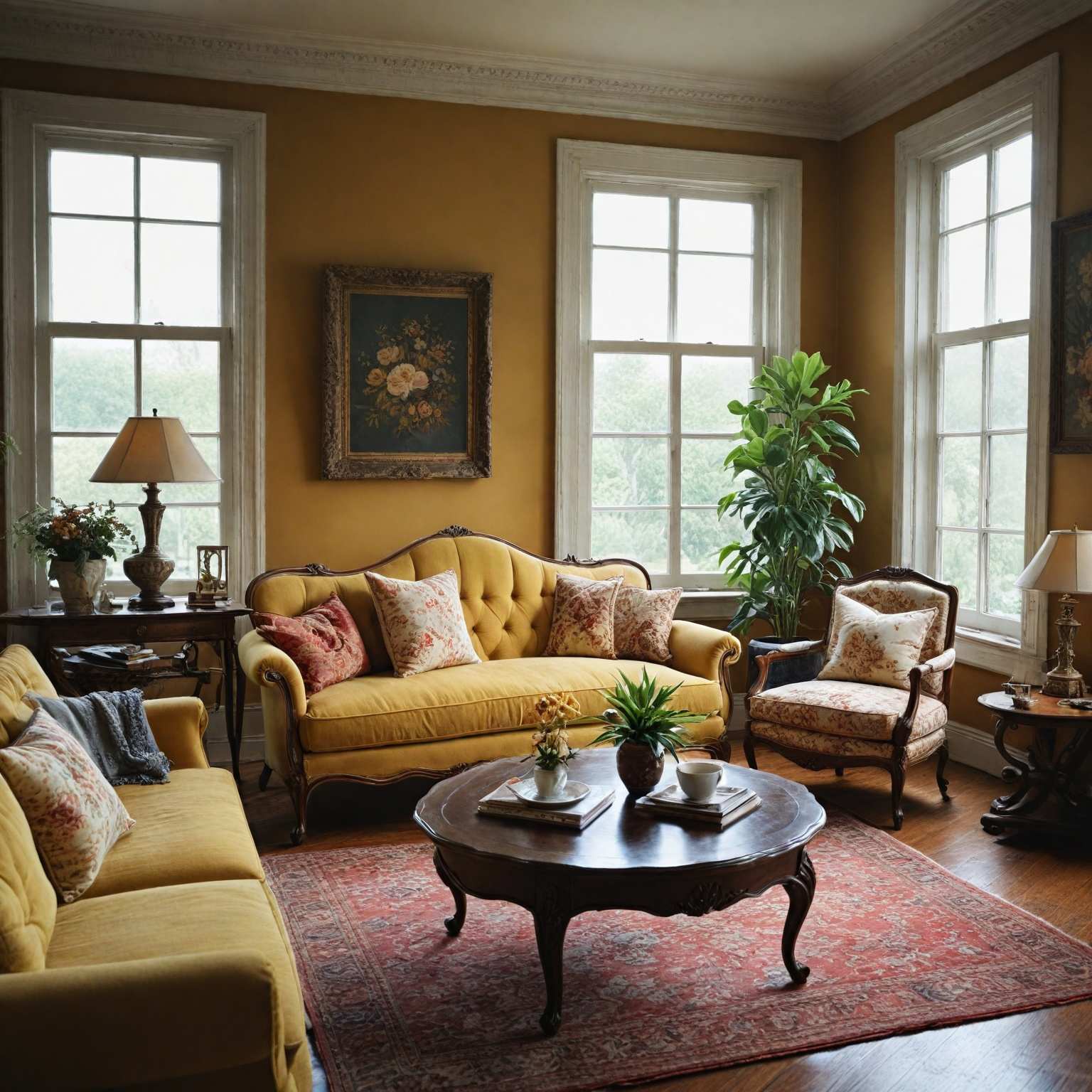
Traditional tufted couches often showcase deep button tufting, plush upholstery, and more elaborate details. These sofas tend to evoke a classic and elegant ambiance, often crafted with high-quality materials and intricate stitching.
Velvet Sofas
Velvet sofas are prized for their luxurious texture and rich colors. As used pieces, they require inspection of the fabric’s durability and stain resistance, as velvet can be more delicate compared to other upholstery types.
Specialty and Historical Sofa Types
Love Seats
A love seat is a smaller sofa designed to comfortably seat two people. Despite its name, the design originated in the 18th century, intended to accommodate ladies in large gowns. Modern love seats often feature simple legs and either a single or double seat cushion, combining traditional form with contemporary aesthetics.
Chaise Longues
Chaise longues, often included in sectional sofas or as standalone pieces, provide a reclined seating option. Some designs are open-ended, while others have closed ends to maintain a self-contained structure, with defining features such as slender metal legs.
Antique French Styles
Several ornate French sofa styles are commonly found in the second-hand market, including:
– Louis XV Style: Dating to the 18th century, these sofas emphasize curved lines, floral motifs, and elaborate carvings. They were designed for intimate salons rather than grand state rooms, combining comfort and elegance.
– Napoleon III Style: Emerging in the Second Empire period, these sofas balance comfort with elaborate ornamentation and eclectic influences from earlier French styles such as Louis XIV through Gothic motifs. Innovations like the confidante and indiscret, small and social seating arrangements, also appeared in this era.
Settees and Accent Sofas
Settees are smaller, slimmer, and more elegant than standard sofas. They are often used as accent pieces in living spaces and can add a refined touch to a room’s decor.
Materials and Construction Variations Over Time
The materials used in sofas have evolved significantly. Early sofas from the 1600s often had hardwood frames made of oak, walnut, or mahogany. The 1800s saw a transition toward incorporating metal and steel, while the 1900s introduced plastics, rattan, and wicker. Recognizing these materials can help buyers assess authenticity and quality when purchasing antique or vintage pieces.
Sectionals and Modular Sofas
Online thrift stores and second-hand outlets commonly offer sectional sofas and sofa sets with delivery options. These sofas provide flexibility in arrangement and are popular for accommodating larger spaces or creating varied seating configurations.
Advantages of Buying Second-Hand Sofas
Purchasing second-hand sofas offers several benefits that extend beyond simply saving money. One key advantage is the opportunity to acquire high-quality furniture that has been thoroughly inspected for durability and craftsmanship, ensuring long-lasting value and support for your lifestyle. Unlike buying new, second-hand sofas often come with unique character and history, adding charm and individuality to your living space.
Another significant benefit is sustainability. By choosing pre-loved sofas, buyers contribute to reducing the large volume of furniture waste, which amounts to over 12 million tons sent to landfills annually. This circular approach to furniture consumption helps promote environmental responsibility and encourages a more sustainable way of living.
Additionally, second-hand shopping can be a rewarding treasure hunt for distinctive designer pieces and vintage finds. While authentic designer furniture may require more research and vigilance to avoid counterfeits, platforms like specialty shops, auctions, and certain online marketplaces offer access to rare items that can enhance your home aesthetically and functionally.
Finally, buying used furniture often allows for more flexible price points and negotiation opportunities, enabling buyers to find sofas that fit their budgets without compromising quality. This approach also invites careful consideration of comfort and condition before purchase, which helps ensure a satisfying and worthwhile investment.
Disadvantages and Considerations
When purchasing a secondhand sofa, several disadvantages and considerations should be taken into account to ensure a satisfactory and safe acquisition.
First, potential buyers need to thoroughly inspect the furniture for structural integrity. Signs of major damage such as cracks, broken legs, supports, or previous repairs can indicate that the piece may not be structurally sound. Sitting on chairs or sofas to listen for popping or creaking noises is recommended, as these can reveal hidden weaknesses that are costly to fix. Cosmetic blemishes may be easier to address, but significant structural issues often require professional repairs or could render the item unusable.
Another important consideration is the presence of wear and tear, including sagging cushions, tears in upholstery, or broken parts. While minor tears can be repaired with needle and thread or iron-on patches, larger damages may require access to hidden fabric patches or professional intervention. It is essential to assess the extent of these problems beforehand, as some repairs—like complete reupholstery or frame restoration—can be beyond typical DIY capabilities and expensive to undertake.
Health and hygiene concerns are also significant when buying used sofas. Furniture may harbor pests such as termites, carpet beetles, or bed bugs, which can cause damage and health risks. Additionally, signs of mold or strong odors like pet urine or smoke can be difficult to eliminate and may necessitate extensive cleaning or replacement. To protect oneself, it is advised to conduct a careful inspection for infestations, possibly using gloves, and to consider the potential effort and cost of deodorizing or pest eradication before purchase.
Price negotiations and purchasing strategies require careful thought as well. Negotiations should aim for a fair price, starting with a lower offer but remaining within reasonable limits based on the sofa’s quality and condition. Being prepared to walk away if the price is not right is a strong negotiating position. Additionally, buyers should be aware that higher-end sofas, while often marked up, may offer better craftsmanship and durability, which could justify the cost in the long term.
Lastly, patience and open-mindedness are necessary when shopping for secondhand furniture. Since it is unlikely to find a perfect sofa immediately, defining nonnegotiable criteria such as budget, size, and intended use can help streamline the search. This approach not only improves satisfaction but also contributes to environmental benefits by reducing solid waste going to landfills.
How to Assess Quality and Authenticity
When purchasing secondhand sofas, assessing both quality and authenticity is crucial to ensure a worthwhile investment. This process involves careful inspection of the sofa’s construction, materials, condition, and provenance.
Inspecting Structural Integrity and Construction Quality
Begin by thoroughly examining the sofa’s frame, which is the foundation of durability. Solid wood and high-quality wood veneers are preferred over materials like medium-density fiberboard (MDF) or particle board, as they offer greater longevity. Check for any cracks, broken legs, or supports, as these structural damages are more difficult and costly to repair compared to cosmetic blemishes. Testing sturdiness by gently rocking or sitting on the sofa can reveal issues such as wobbling or creaking joints, which may indicate weakened or loose connections.
Look closely at the sofa legs to ensure they are stable and do not tilt or sway, which could result in tipping or collapse. Inspect for visible damage such as splintering wood, dents, or stains on floor models to gauge potential weaknesses. Reasonable structural testing of display or used sofas, without causing damage, can provide valuable insights into build quality.
Evaluating Upholstery and Padding
The upholstery fabric is a critical factor for both comfort and durability. Durable, tightly woven fabrics such as linen, cotton, or synthetic blends are preferable due to their resistance to wear, stains, and fading. Obtain fabric performance specifications from retailers or fabric stores when possible, which may include thread count, weave tightness, colorfastness, and stain resistance. Examine stitching quality by checking seams for evenness and tightness to avoid premature wear.
Foam quality in seat cushions affects comfort and longevity. High-resiliency (HR) foam offers better durability and bounce-back compared to basic polyurethane foam. Testing cushion foam by pressing and feeling for firmness or springiness can help assess quality. Some premium sofas combine foam with down filling for enhanced softness and comfort.
Identifying Authenticity and Historical Value
For antique and vintage sofas, authenticity and provenance greatly impact value. Look for manufacturer labels, tags, or stamps that reveal the designer, production date, or origin. Familiarize yourself with key characteristics and materials typical of specific historical styles, such as dovetail or dowel joints, crude edges, and solid wood finishes seen in sofas from the 1700s.
Antique sofas are generally graded based on condition—mint, excellent, good, or fair—taking into account the extent of damage and repairs. Minor wear like threadbare upholstery, scratches, or fading is expected, but major structural damage, rot, infestation, or poorly matched repairs can severely reduce value. Provenance, or the documented ownership history, especially if linked to notable individuals or museum exhibits, can significantly increase a sofa’s desirability and worth.
Considering Repairability and Long-Term Care
If structural issues are found but the piece holds aesthetic or antique value, some problems like wobbly joints can be repaired with glue, and missing hardware replaced. Refinishing wood surfaces that may be obscured by old paint or lacquer can restore beauty and increase longevity.
Before committing to a purchase, assess the scope of repairs needed and whether you have the tools and skills to undertake them or if professional help is necessary. Maintaining upholstery by fluffing cushions regularly and using slipcovers or protectors can prolong the sofa’s appearance and comfort.
By combining careful physical inspection, understanding of materials and construction, and knowledge of historical context, buyers can confidently assess both the quality and authenticity of secondhand sofas to make informed and satisfying purchases.
Where to Buy Second-Hand Sofas
When searching for second-hand sofas, a variety of platforms and stores cater to different needs, preferences, and budgets, ranging from local classifieds to curated online marketplaces.
Online Marketplaces and Classifieds
Popular websites such as Facebook Marketplace and Craigslist offer extensive listings of used sofas directly from sellers. Facebook Marketplace’s algorithm improves the shopping experience by learning buyer preferences over time, though it requires buyers to carefully vet sellers for trustworthiness and product quality. Craigslist, with its local focus, allows buyers to find sofas nearby but demands more effort in research to avoid counterfeit or poor-quality items. eBay and Etsy are also viable options for secondhand furniture, where seller reviews can help in assessing credibility.
Curated Online Retailers
For buyers seeking quality assurance and ease of transaction, curated platforms provide thoroughly inspected sofas and authenticated listings. Websites like Reperch emphasize comprehensive quality checks, including frame, upholstery, and cushion inspection, allowing buyers to shop with confidence and avoid common pitfalls associated with second-hand furniture. Similarly, Kaiyo specializes in certified pre-owned furniture that guarantees cleanliness and good condition, often offering high-end pieces at steep discounts. AptDeco covers a broad geographic area across the United States, providing delivery services in major cities, simplifying the buying process for used sofas.
Specialized Vintage and Designer Furniture Shops
For those interested in vintage or designer sofas, boutiques such as 1stDibs, Chairish, DECASO, and Ruby Lane offer authenticated, high-end antique and vintage furniture. These platforms authenticate pieces to ensure quality and provenance, often commanding higher prices but offering buyers peace of mind. Auctions at Sotheby’s or Christie’s cater to rare and valuable antiques, attracting collectors and maximizing sale prices through targeted marketing, though they typically charge a significant seller’s premium.
Local and Physical Stores
Some brick-and-mortar or appointment-only stores like OneUp Furniture and the secondhand shop in Lansdale, Pennsylvania, focus on local markets and ship regionally, offering large assortments of sofas, including sectionals with delivery options. These stores often provide a more personalized shopping experience and immediate inspection opportunities.
Additional Tips
Shoppers are advised to negotiate fairly, starting with an offer below their maximum budget but reflective of the item’s quality and condition to ensure a beneficial outcome for both parties. Setting alerts and saving searches on online platforms can help buyers monitor new listings and act promptly when desirable sofas appear.
Tips for Purchasing Second-Hand Sofas
When buying a second-hand sofa, careful inspection and informed decision-making are crucial to ensure you bring home a piece that is both stylish and durable. Start by thoroughly examining the sofa for visible damage such as tears, stains, or worn spots on the fabric. Small tears can often be repaired with simple stitching or iron-on patches, while stains may be treated depending on the fabric and type of stain—consulting the care tag can guide appropriate cleaning methods.
Assessing the structural integrity is equally important. Check the frame for sturdiness by looking for cracks, broken supports, or signs of previous repairs, as structural damage can be costly and difficult to fix. Sit on the sofa to listen for any creaking or popping sounds, and press down on different areas to test for sagging or broken springs. Flip the cushions to inspect both sides for wear and check the legs for stability without wobbling or tilting.
Comfort should not be overlooked; physically testing the sofa by sitting or lying down helps determine if it meets your needs. Additionally, measure the intended space in your home to ensure the sofa will fit properly and complements your existing décor and style.
When it comes to negotiating the price, preparation is key. Research the average market prices for similar sofas and have
Maintenance and Care
Proper maintenance and care are essential to prolong the life and appearance of second-hand sofas, ensuring they remain comfortable and stylish over the years. Regular cleaning helps eliminate dirt, debris, and odors, contributing to both the sofa’s longevity and the freshness of indoor air. It is important to follow manufacturer guidelines by checking the care tag on the furniture, which provides specific instructions and cleaning codes that dictate safe cleaning methods for the upholstery fabric.
For fabric sofas, routine vacuuming using a hand vacuum or brush attachment removes surface dirt and dust. Small stains can be treated by blotting with a mild detergent mixed with cool water, taking care to avoid rubbing which may damage the fabric fibers. In cases of tougher stains, an upholstery steam cleaner can be used to deep clean without harsh chemicals, refreshing the fabric safely. Additionally, fluffing cushions regularly helps maintain their shape and firmness, while using slipcovers or furniture protectors in high-traffic areas can shield the sofa from stains and wear.
Leather sofas require specialized care to maintain their appearance and prevent cracking. Regular cleaning and conditioning are recommended, ideally deep cleaning twice a year, particularly in high-use zones or dry climates. Harsh chemicals such as bleach, ammonia, or alcohol should be avoided, as they can strip oils from the leather and cause damage. Cleaning should be performed with a soft cloth dampened with warm water or a designated leather cleaner, ensuring the area is dry before applying any repair products to tears or cracks.
Minor repairs, such as small tears in fabric sofas, can often be managed at home by stitching them closed with a matching thread or applying iron-on patches for larger tears. However, some repairs—especially those involving extensive frame damage, complete reupholstery, or specialty materials—may require professional intervention to ensure a durable and polished result. Professional services can also offer high-quality reupholstering options that restore sofas with significant wear or outdated fabric.
Finally, assessing damage thoroughly before undertaking repairs allows sofa owners to prioritize fixes and determine the necessary tools or materials. Having the appropriate supplies, such as mild detergents, soft brushes, and microfiber cloths, tailored to the sofa’s fabric type, is crucial for successful maintenance and care. Regular upkeep and timely repairs not only enhance the sofa’s aesthetic but also preserve its structural integrity and comfort over time.
The content is provided by Avery Redwood, Direct Bulletins