Highlights
- Glucose monitoring smartwatches offer noninvasive tracking, enhancing diabetes management convenience.
- Despite advancements, FDA clearance and accuracy challenges remain for these innovative wearable devices.
Summary and Overview
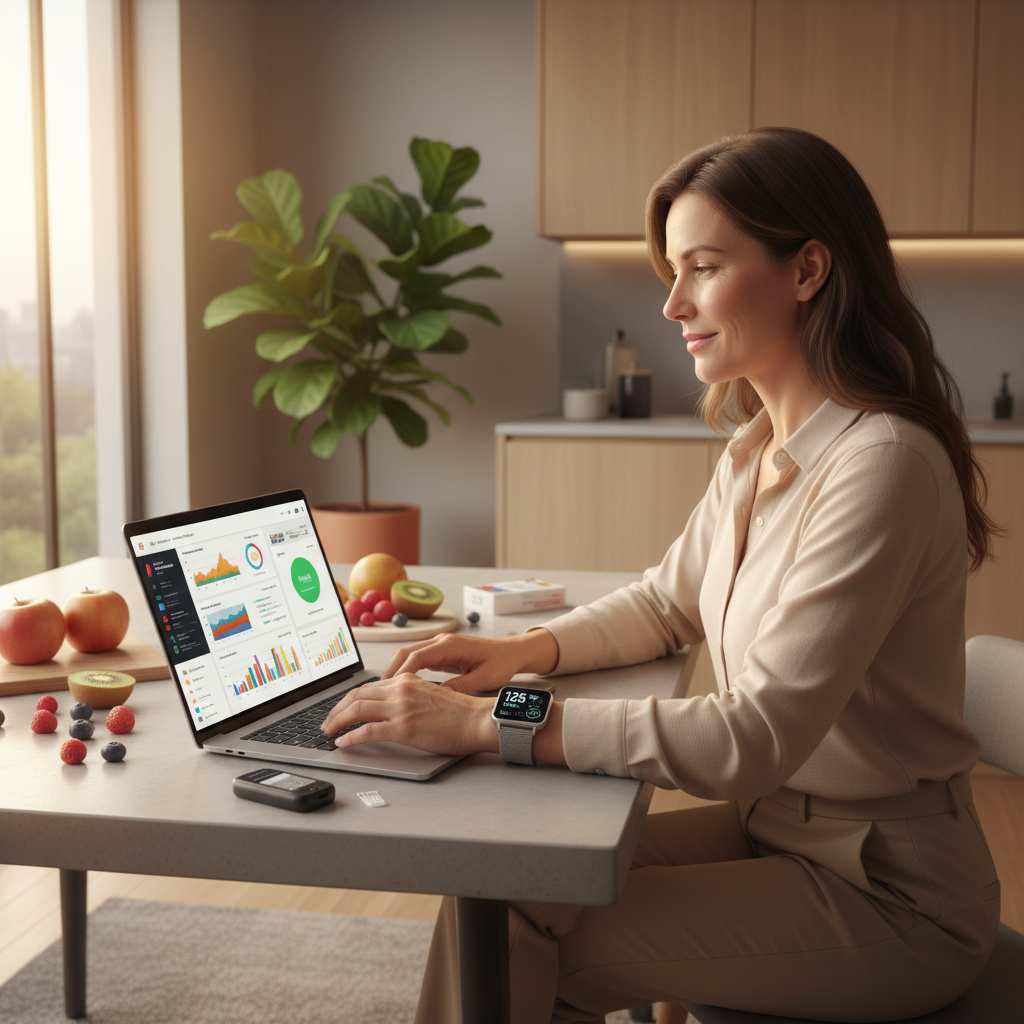
Glucose monitoring smartwatches are wearable devices aimed at providing continuous, noninvasive blood glucose monitoring, primarily for diabetes management. Utilizing sensor technologies such as optical, electrochemical, and radiofrequency methods, these devices offer real-time glucose data from the wrist, potentially reducing reliance on invasive finger-prick tests. Some models integrate with traditional continuous glucose monitors (CGMs) for enhanced data visualization and alerts.
Technological advances include fully integrated, self-powered smartwatches with flexible photovoltaic cells and enzyme-based sensors. Smartphone integration and cloud connectivity further enhance personalized health management. However, challenges remain in accuracy, regulatory approval, and clinical validation. Currently, no smartwatch has FDA clearance as a standalone glucose monitor, though some noninvasive devices hold CE marks in Europe. Users should interpret data cautiously and consult healthcare professionals.
Glucose Measurement Technologies
Smartwatches employ various technologies to noninvasively estimate glucose levels. Electrochemical sensors detect glucose in bodily fluids like sweat or tears using enzyme-based electrodes, offering stable and sensitive measurements. Optical sensors use light absorption spectroscopy to infer glucose concentration but require precise calibration. Electromagnetic and radiofrequency techniques assess tissue dielectric properties related to glucose, though their accuracy remains under investigation.
Traditional CGMs involve subcutaneous sensors providing continuous glucose data. Integration of CGM with smartwatches aims to combine convenience with accurate, real-time monitoring for both insulin-dependent and non-insulin-dependent patients.
Integration, Connectivity, and Key Features
Modern CGM systems transmit glucose data to smartwatches, enabling real-time monitoring and alerts directly on the wrist. Leading manufacturers like Dexcom, Medtronic, and Abbott offer apps compatible with wearable devices, enhancing user interaction and data sharing. Some emerging smartwatch designs embed self-powered glucose sensors and flexible photovoltaic cells for autonomous operation.
Key functionalities include continuous glucose data acquisition, real-time feedback, and proactive alerts for abnormal glucose levels. Devices sync with smartphone apps to facilitate trend analysis and personalized management. Design factors such as sensor accuracy, comfort, and usability are critical, with regulatory standards like IEC 60601 guiding safety and performance. Sensitivity ranges typically span 0.1–10 mM glucose concentration.
Comparison with Traditional Monitoring and Benefits
Compared to traditional blood glucose monitors requiring fingerstick tests, CGMs and glucose-monitoring smartwatches offer continuous, real-time data, improving glucose management and reducing discomfort. Noninvasive methods targeting alternative fluids such as sweat or tears are under development but not yet fully validated.
Benefits include discreet, convenient monitoring, immediate alerts for glucose abnormalities, and integration with broader health tracking features. Noninvasive sensors reduce the burden of frequent testing, supporting consistent use and better diabetes control.
Limitations and Risks
No glucose-monitoring smartwatch has received FDA approval as a standalone device due to accuracy challenges. Inaccurate readings risk improper insulin dosing and serious health consequences. Current noninvasive technologies often fail to meet clinical accuracy standards, and users should avoid relying solely on smartwatch data for medical decisions.
Popular Brands and Devices
Key players include Dexcom, Medtronic, and Abbott, which integrate CGM data with smartwatches. Innovations by companies like DiaMonTech and Apple focus on fully integrated, noninvasive glucose monitoring using enzyme-based sensors and optical spectroscopy. While promising, these technologies are still undergoing development and regulatory review.
User Guidance
Glucose-monitoring smartwatches provide convenient, real-time tracking and alerts, supporting diabetes management alongside other health metrics. However, they serve as lifestyle tools rather than definitive medical devices. Users should consult healthcare professionals for treatment decisions and report any inaccurate readings or adverse events to regulatory authorities.
Regulatory and Safety Standards
Wearable glucose monitors must comply with standards such as IEC 60601-1, ensuring electrical safety, performance, and usability. Global regulatory frameworks promote risk-based classification, quality management, and post-market surveillance. Clinical validation and data privacy are critical, alongside challenges integrating devices with healthcare systems and electronic records.
Future Trends and Innovations
Future developments focus on fully integrated, self-powered smartwatches combining photovoltaic energy harvesting, electrochemical sensors, and real-time displays. Smartphone-based glucose sensing continues to advance noninvasive monitoring in various biological fluids. Enhanced connectivity supports comprehensive chronic disease management through real-time data sharing and alerts.
Widespread adoption depends on improved accuracy, regulatory harmonization, and expanded insurance coverage, especially for non-insulin dependent patients. International collaboration among regulatory bodies will be essential to foster innovation while ensuring safety and efficacy.
The content is provided by Jordan Fields, Direct Bulletins