Highlights
- Smart mobility solutions significantly enhance safety and independence for seniors in 2025.
- Innovative features of smart aids empower seniors, improving quality of life and social connectivity.
Summary
Smart mobility solutions have emerged as a transformative alternative to traditional walkers for seniors by 2025, addressing critical challenges related to aging and mobility. With the global population of older adults rapidly increasing, maintaining safe and independent movement is vital for preserving quality of life and autonomy among seniors. Unlike conventional walkers, which primarily provide basic physical support, smart mobility aids integrate advanced technologies such as GPS navigation, health monitoring, fall detection, and voice-controlled interfaces to enhance safety, usability, and social connectivity.
These innovations respond to the complex physiological, psychological, and social factors that influence seniors’ mobility needs and technology adoption. Features like ergonomic design, simplified user interfaces, and real-time caregiver alerts overcome barriers related to declining vision, motor skills, and digital literacy. Moreover, smart mobility devices often connect with broader smart home ecosystems, offering holistic support that empowers seniors to age in place with greater confidence and dignity.
The preference for smart mobility solutions is also shaped by evolving market dynamics and social trends. Increasing awareness of the limitations of traditional walkers—such as usability challenges and stigmatization—combined with the growing availability of user-centered, technology-enabled aids has led to higher adoption rates, especially among younger seniors aged 60 to 74. However, adoption is not without challenges; factors like technophobia, digital divide issues, and concerns over privacy and device reliability continue to affect some seniors’ acceptance of these technologies.
Looking ahead, smart mobility solutions are poised to become integral components of senior care, supported by advances in AI, telehealth, and age-friendly urban infrastructure. By enabling safer, more independent movement and fostering social engagement, these technologies hold significant promise for enhancing the well-being and autonomy of older adults worldwide. Nonetheless, addressing remaining adoption barriers through inclusive design and supportive policies remains essential to realizing their full potential.
Background
Attention to the health and physical fitness of older adults has intensified due to the natural decline associated with aging. Maintaining physical abilities, such as safe walking and movement, plays a crucial role in how seniors perceive their overall health and independence. One of the earliest indicators of declining fitness in this population is limited mobility, which can significantly impact daily functioning and quality of life. As mobility changes occur—often influenced by alterations in gait, balance, and muscle strength—there is an increasing need for assistive devices that support safe movement and autonomy.
Traditional walkers have long been a common aid, providing stability and support to seniors who can still walk but require help with balance or endurance. However, the evolving needs of aging individuals have highlighted limitations in conventional mobility aids, especially concerning usability, esthetics, and integration with modern lifestyles. High abandonment rates of traditional devices reflect these challenges, underscoring the necessity for innovative solutions that combine functionality with ease of use and appealing design.
The rapid development of smart mobility technologies addresses many of these issues by incorporating features such as built-in GPS navigation, health tracking, and real-time emergency response systems. These advancements not only enhance safety and independence but also offer caregivers greater peace of mind through remote monitoring capabilities. In addition, smart home integrations—like voice-activated lighting, motorized curtains, and automated environmental controls—further reduce physical strain and improve accessibility for seniors with limited mobility.
Efforts to improve the usability of smart mobility aids include design interventions like simplified navigation, larger fonts, high-contrast visuals, haptic feedback, and voice-controlled interfaces. Such adaptations help overcome barriers related to technology adoption among older adults, promoting greater acceptance and sustained use. As the landscape of senior care technology continues to evolve toward 2025, these smart mobility solutions are positioned to play a central role in supporting aging in place, enhancing dignity, and improving overall quality of life for seniors.
Factors Influencing Preference
Seniors’ preference for smart mobility solutions over traditional walkers in 2025 is influenced by a complex interplay of physiological, psychological, social, and technological factors. Declining physical abilities such as reduced vision and motor skills, common among older adults, create challenges that conventional walkers often fail to address adequately, leading to perceptions of imposition and reduced acceptance of traditional devices. In contrast, smart mobility aids are designed with user-centric features that accommodate these limitations through ergonomic improvements and intuitive interfaces, making them more appealing to seniors.
Psychological barriers, including technophobia and limited digital literacy, also affect seniors’ willingness to adopt smart devices. These obstacles are mitigated by targeted digital skills training, government subsidies, and the integration of accessibility features such as simplified navigation, larger fonts, high-contrast visuals, haptic feedback, and voice-controlled functionalities. Voice control, in particular, has become standard in 2025 smart mobility aids, enabling hands-free operation that enhances both safety and ease of use for users with limited dexterity.
Social factors further shape seniors’ technology adoption behaviors. Subjective norms and social influence mechanisms play a critical role, especially in cultures emphasizing collective decision-making, such as those influenced by Confucian principles. Older adults often rely on familial consensus to alleviate risk perceptions related to technology use, with stronger subjective norms amplifying the positive impact of device interactivity on usage intention. This social endorsement is essential for overcoming psychological resistance and fostering acceptance of smart mobility solutions.
Technological advancements have also significantly contributed to the appeal of smart mobility aids. Innovations include GPS tracking, fall detection sensors, emergency response systems, and health monitoring tools that provide real-time alerts and enhance user safety. Moreover, improved battery life and smarter charging options ensure devices are reliable and ready when needed, addressing practical concerns of mobility-challenged seniors. The integration of AI-driven health monitoring and telehealth services further supports seniors by enabling continuous health management and convenient access to medical care without the need for physical travel.
Finally, the holistic approach of modern smart mobility solutions—combining mechanical stability, sensor technology, and predictive movement algorithms—provides customized support that alleviates user burden. For example, smart robotic walkers incorporate soft-robotic handles and automatic movement features to prevent falls and support propulsion, offering a safer and more comfortable experience compared to traditional walkers. These functional benefits, coupled with social acceptance and technological accessibility, collectively drive seniors’ preference for smart mobility solutions over traditional walkers in 2025.
Popular Smart Mobility Solutions Among Seniors
As seniors increasingly seek mobility options that enhance independence, safety, and ease of use, smart mobility solutions have gained significant popularity by 2025. These advanced devices integrate technology to address the unique challenges faced by older adults, offering improved functionality compared to traditional walkers and mobility aids.
One prominent category of smart devices is smart walkers, which feature GPS navigation, health monitoring, and motion-detection capabilities. For example, WalkWise, developed by MIT alumni, incorporates sensors that allow family members and care professionals to remotely monitor the user’s movement and safety in real time. Such connectivity provides reassurance to both seniors and caregivers, reducing risks associated with falls and disorientation.
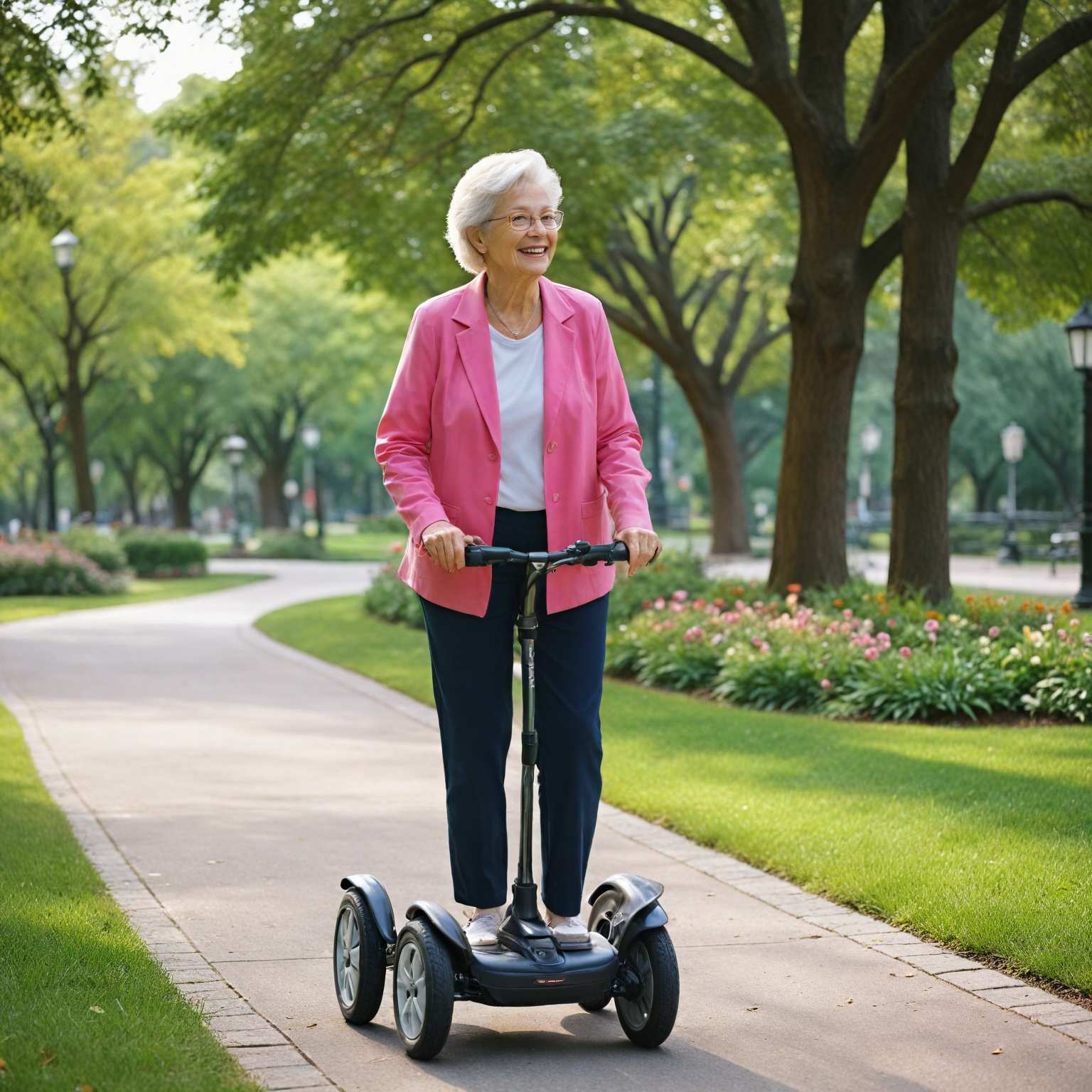
Mobility scooters have also evolved into sophisticated devices equipped with digital displays, customizable speed controls, and safety sensors. These enhancements cater to seniors’ desire for confidence and autonomy in daily mobility, while simultaneously addressing concerns about accident prevention and social isolation. The integration of AI-powered exoskeletons further supports strength and stability, enabling users with more severe mobility impairments to regain functional movement.
Additional smart mobility innovations include wearable technologies like fall detection devices and smart footwear, which monitor gait and balance to prevent accidents before they occur. Autonomous vehicles and specialized ride-sharing services tailored for older adults are emerging as well, offering accessible transportation solutions that combine technology with community support.
Comparison with Traditional Walkers
Traditional walkers have long been recognized as essential mobility aids for seniors, offering maximum stability and support, particularly for those who require more assistance than a cane can provide. These devices are designed primarily to enhance balance and endurance, making them one of the most common choices among older adults needing mobility support. Rollators, a variation of traditional walkers equipped with wheels and hand brakes, provide increased maneuverability and ease of use.
However, despite their widespread use, traditional walkers face limitations in terms of usability, esthetics, and user experience, which often contribute to high abandonment rates among seniors. Many users find these devices cumbersome or stigmatizing, which can deter consistent use. Moreover, traditional walkers typically lack integration with modern technology, limiting their functionality to basic physical support.
In contrast, smart mobility solutions, such as smart walkers, incorporate advanced technologies to address these shortcomings. They often feature sensor integration, voice-controlled interfaces, and enhanced feedback mechanisms, improving both safety and ease of use. For instance, some smart walkers employ soft-robotic handles that not only provide better protection but also gather useful data about the user’s condition at a relatively low cost. Additionally, design improvements such as simplified navigation, larger fonts, high-contrast visuals, and haptic feedback significantly reduce barriers related to cognitive and sensory decline in seniors.
Furthermore, the integration of smart walkers with broader smart home technologies allows for a more holistic approach to mobility and safety. Voice-activated controls enable users to manage environmental factors like lighting or appliances, while security features such as surveillance cameras enhance users’ sense of security. This ecosystem approach surpasses the functional scope of traditional walkers, providing seniors with tools that support independence and improve quality of life.
Impact on Quality of Life
Maintaining mobility is critical for seniors to live independently and preserve their overall quality of life. Mobility enables older adults to perform daily activities, remain socially engaged, and retain a sense of autonomy, all of which contribute significantly to their physical, emotional, and social well-being. Loss of mobility often leads to increased risks of disease, disability, hospitalization, and diminished life satisfaction, highlighting the importance of effective mobility solutions for the elderly.
Smart mobility solutions, such as smart walkers, robotic companions, and wearable sensors, not only address the physical challenges associated with aging—like balance issues and arthritis—but also enhance seniors’ emotional and social health by enabling greater interaction and independence. Exercise and movement facilitated by these devices benefit bone and muscle health while also improving mental health by reducing anxiety and depression. The ability to move freely and confidently helps bolster self-esteem and combats isolation, thereby improving emotional resilience among seniors.
Moreover, the use of advanced assistive technologies encourages social connectivity and engagement. Studies suggest that older adults who maintain strong social networks are more likely to adopt digital tools, underscoring the role of social inclusion in digital mobility adoption. Community events and programs that promote the use of smart mobility aids have reported success in empowering seniors, fostering new interests, and providing vital support to caregivers—further demonstrating the positive impact on quality of life.
Market Trends and Adoption Rates in 2025
The global demographic shift towards an aging population has significantly influenced the market trends and adoption rates of smart mobility solutions among seniors in 2025. With an estimated two billion people aged 60 and above by 2050, there is a growing demand for innovative mobility aids tailored to enhance independence and quality of life for older adults.
In 2025, the market for smart mobility devices—including advanced scooters, walkers integrated with smart technology, and other assistive systems—is expanding rapidly. This growth is driven by increased availability of home healthcare services and family-centered caregiving models that support aging in place. As mobility limitations become more prevalent with age, seniors are increasingly relying on personal assistive devices that facilitate safer and more autonomous movement within their homes and communities.
Adoption rates of these smart solutions vary notably across different age groups within the senior population. The majority of users are “young seniors” aged 60 to 74, comprising approximately 66% of participants in related studies, while those aged 75 to 90 account for about 32.5%. Seniors over 90 represent a smaller fraction of users, suggesting that age, cognitive status, and mobility challenges influence technology uptake.
Despite the expanding market, several barriers continue to affect adoption. Physiological declines such as reduced vision and motor skills, psychological factors like technophobia, and social obstacles including limited digital literacy create significant challenges for older adults in embracing new technologies. These difficulties underscore the need for user-friendly design features—such as simplified navigation, larger fonts, high-contrast displays, haptic feedback, and voice control—that enhance accessibility and usability.
Cultural and social factors also play a crucial role in adoption rates, particularly in regions like China where traditional values emphasize intergenerational relationships. The attitudes and support of family members and peers strongly influence seniors’ decisions to engage with smart mobility technologies. Moreover, the digital divide remains a pressing concern, with many older adults experiencing difficulties integrating into an increasingly digital society. Targeted interventions such as digital skills training, government subsidies, and community support programs are vital to overcoming these obstacles and promoting wider acceptance.
Societal and Economic Trends Driving Adoption
The global demographic shift toward an aging population is a primary societal trend fueling the adoption of smart mobility solutions among seniors. In 2017, the population aged over 60 reached 962 million and is projected to more than double by 2050, reaching 2.1 billion. This rapid increase in the elderly population, coupled with rising life expectancy, has intensified the demand for effective mobility support that allows seniors to maintain independence and quality of life.
Mobility is a critical component of active aging, enabling older adults to engage in physical activities, social interactions, and access essential resources. It supports both physical and mental well-being by preventing falls, injuries, and reducing risks of disability and institutionalization. Consequently, there is an urgent societal imperative to develop mobility solutions that are not only effective but also user-friendly and adapted to seniors’ specific needs.
Economically, the rise in aging populations has created a significant market opportunity for innovative mobility products that incorporate advanced technologies such as the Internet of Things (IoT), artificial intelligence (AI), and machine learning. By 2025, the integration of these technologies is expected to generate an ecosystem of smart assistive devices tailored to enhance senior mobility and independence. These products often emphasize features valued by users, such as fall detection, ergonomic design, noise reduction, and accessibility improvements like walker ramps, reflecting a shift toward user-centered design.
Furthermore, economic and social programs supporting mobility continue to evolve, blending technological advancements with community involvement. These initiatives include volunteer driver networks, collaborations with transit authorities, and community events designed to facilitate access to services and promote active lifestyles for older adults. The convergence of technology and community-based support represents a comprehensive approach to addressing mobility challenges faced by seniors.
However, adoption is influenced by several barriers including physiological factors (e.g., declining vision and motor skills), psychological challenges (such as technophobia), and social obstacles like limited digital literacy. These barriers underscore the need for policymakers and practitioners to design interventions that improve digital inclusion and develop intuitive smart mobility solutions that seniors can easily adopt.
Challenges and Limitations
Despite advancements in smart mobility solutions, several challenges and limitations affect their adoption and effectiveness among seniors. One major issue is the quality and reliability of data on device malfunctions. For example, databases like NEISS and MAUDE provide injury and malfunction reports but are limited by incomplete context, delayed reporting, and underreporting by consumers who may underestimate the severity of problems. This lack of timely and detailed information hinders the improvement of device safety and user experience.
Another significant barrier lies in the misalignment between existing assistive walkers and the specific needs of older adults. Traditional devices such as canes and wheeled walkers often fail to adequately support crucial movements like sit-to-stand transfers, which are essential for daily independence. Additionally, persistent issues related to aesthetics, usability, and overall user experience have led to high abandonment rates of mobility aids, underscoring the need for solutions that balance functionality with design appeal.
Physiological, psychological, and social factors further
Future Outlook
The future of smart mobility solutions for seniors is poised to significantly enhance their independence, safety, and overall quality of life by 2025. Emerging technologies emphasize empowering older adults to age in place through advanced health monitoring, safety features, and increased social engagement, all integrated within user-friendly devices and platforms. This comprehensive and empathetic approach to senior living leverages innovations not only in personal mobility aids but also in supportive urban infrastructure and smart city design.
Advancements in urban planning will complement individual mobility technologies with age-friendly public transportation systems, improved walkability, and accessibility features such as wider sidewalks, longer crossing signals, and resting areas. These enhancements aim to create environments that better accommodate the mobility needs of seniors, facilitating greater freedom and community participation. Digital tools, including wayfinding applications, will further assist older adults in navigating urban spaces confidently.
Smart home technologies will continue to integrate with mobility solutions, creating interconnected ecosystems that monitor environmental factors like temperature and air quality, while also providing fall detection and other health and safety functions tailored to older adults. The synergy between smart home systems and mobility aids will contribute to a seamless living experience that prioritizes comfort and autonomy.
In the healthcare domain, telehealth and remote monitoring are expected to revolutionize senior care by enabling continuous health management outside traditional clinical settings. This integration of healthcare with mobility devices will allow for timely interventions and improved health outcomes, addressing key concerns for seniors and their caregivers.
Moreover, design trends highlight the importance of ergonomic, customizable, and aesthetically appealing products that meet evolving user preferences, enhancing both functionality and user satisfaction. The rise of smart mobility aids is also accompanied by growing online and direct-to-consumer sales channels, broadening accessibility for seniors globally. Policies in regions like Europe, where public healthcare systems subsidize essential mobility aids, further facilitate adoption by reducing economic barriers.
Addressing adoption challenges through improved digital inclusion and tailoring technology to seniors’ specific needs will be crucial for maximizing the benefits of these innovations. As these trends converge, smart mobility solutions are expected to transform how seniors experience daily life, granting them greater freedom, safety, and engagement within their communities by 2025.
The content is provided by Blake Sterling, Direct Bulletins