Highlights
- Smart mobility solutions empower seniors, enhancing independence and quality of life significantly.
- Innovative technologies are transforming mobility aids, ensuring safety and social well-being for older adults.
Summary and Background
In 2025, seniors increasingly prefer smart mobility solutions over traditional walkers to support independence, safety, and quality of life. With over one billion adults aged 65+, maintaining mobility is vital for autonomy and well-being. Traditional walkers provide basic stability but lack adaptability and advanced features. Smart mobility aids—such as intelligent walkers, power wheelchairs, and mobility scooters—use AI, sensors, and IoT connectivity to offer personalized assistance, obstacle detection, health monitoring, and remote caregiver support, enhancing safety and reducing isolation. However, challenges like cost, accessibility, technophobia, and digital literacy gaps hinder adoption. Inclusive design approaches, such as Mobility Aid Design for the Elderly (MADE), aim to improve usability and reduce abandonment. Future integration with AI, robotics, and smart home systems promises further advancements, supporting healthier, independent aging in place.
Drivers and Comparative Analysis of Mobility Solutions
The shift toward smart mobility solutions is driven by technological progress, an aging population, and evolving user needs. Smart walkers offer features like automatic braking, obstacle detection, GPS tracking, and IoT connectivity, promoting safety and autonomy beyond what traditional walkers provide. Psychological benefits include increased dignity and social engagement. Barriers such as declining vision, technophobia, and environmental challenges affect adoption, addressed through user-centered design. Traditional walkers often face high abandonment due to limited functionality and poor usability, while smart devices, despite their complexity and cost, offer customizable, ergonomic designs integrated with emerging technologies and age-friendly environments to enhance seniors’ mobility and independence.
Popular Smart Mobility Devices in 2025
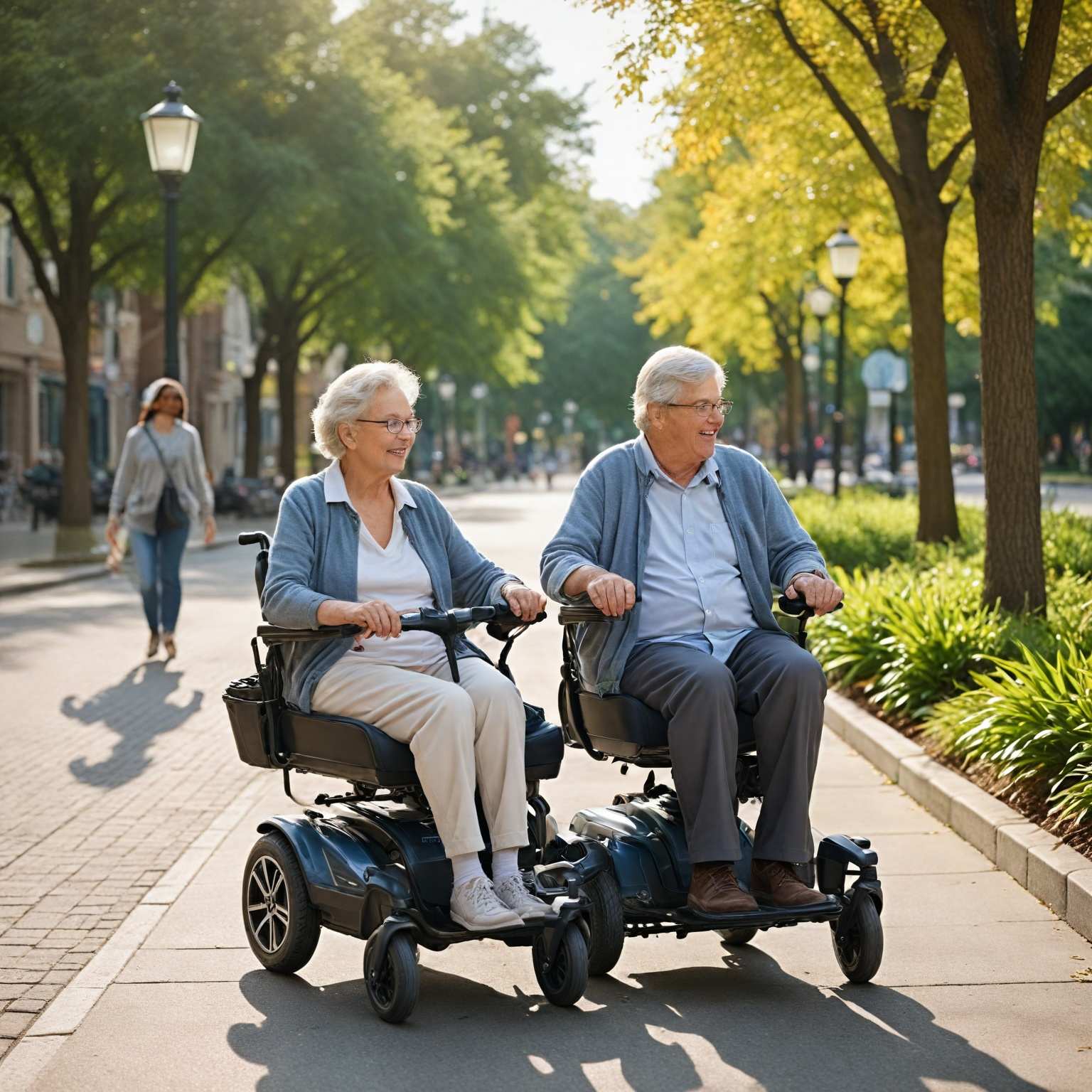
Key smart mobility devices include intelligent walkers like the Camino, featuring voice, gait, and haptic controls with adaptive algorithms; AI-enhanced power wheelchairs with obstacle avoidance, portability, and connectivity; and mobility scooters emphasizing comfort, safety, and digital integration. These devices enable safer navigation and community engagement. Integration with smart home systems and health trackers creates an ecosystem supporting autonomy and well-being for seniors.
Impact on Independence and Quality of Life
Smart mobility solutions significantly improve seniors’ independence and quality of life by adapting to physical and cognitive needs, reducing fall risks, and enhancing mental well-being. Features such as real-time notifications and GPS assist navigation, while data-sharing allows caregivers to personalize care. These devices also help combat social isolation by fostering digital inclusion and social engagement, contributing to physical autonomy and emotional health.
Barriers to Adoption
Adoption challenges include physiological limitations (vision, motor skills), psychological barriers (technophobia, anxiety), social factors (digital literacy, support networks), and socioeconomic issues (education, income). Environmental factors like uneven terrain and limited transportation access also hinder use. The complexity of smart devices can overwhelm some seniors, underscoring the need for accessible, user-friendly designs that account for diverse needs and capabilities.
Design Strategies to Improve Adoption
Design thinking approaches, exemplified by the MADE framework, focus on usability, aesthetics, and user experience to reduce abandonment of mobility aids. Engaging healthcare professionals and caregivers helps tailor solutions to seniors’ needs. Addressing physiological, psychological, and social barriers through accessible interfaces and inclusive designs promotes sustained use. Higher education and prior internet experience correlate with better adoption, highlighting the importance of digital literacy support. These strategies foster personalized, effective mobility solutions aligned with person-centered care.
Future Trends and Innovations
By 2025, senior mobility is evolving with AI, robotics, and IoT integration enhancing personalization and responsiveness of mobility aids. These innovations, combined with age-friendly urban planning and emerging transport options, are set to further improve mobility, safety, and social engagement for older adults, supporting independent and active aging.
The content is provided by Avery Redwood, Direct Bulletins