Highlights
- Online nursing programs offer flexibility for working professionals pursuing healthcare careers conveniently.
- Accreditation ensures graduates access the same opportunities as traditional nursing students, boosting career potential.
Summary
Online nursing diploma programs are an increasingly popular choice for those seeking nursing education due to their flexible, accessible, and cost-effective nature. They combine asynchronous coursework with required clinical practicums at local healthcare facilities, which means individuals can pursue their nursing credentials while managing personal and professional commitments. Accredited online programs not only uphold the same academic standards as traditional formats but also prioritize preparing graduates for licensure exams and various career opportunities in nursing.
Transformation of Nursing Education
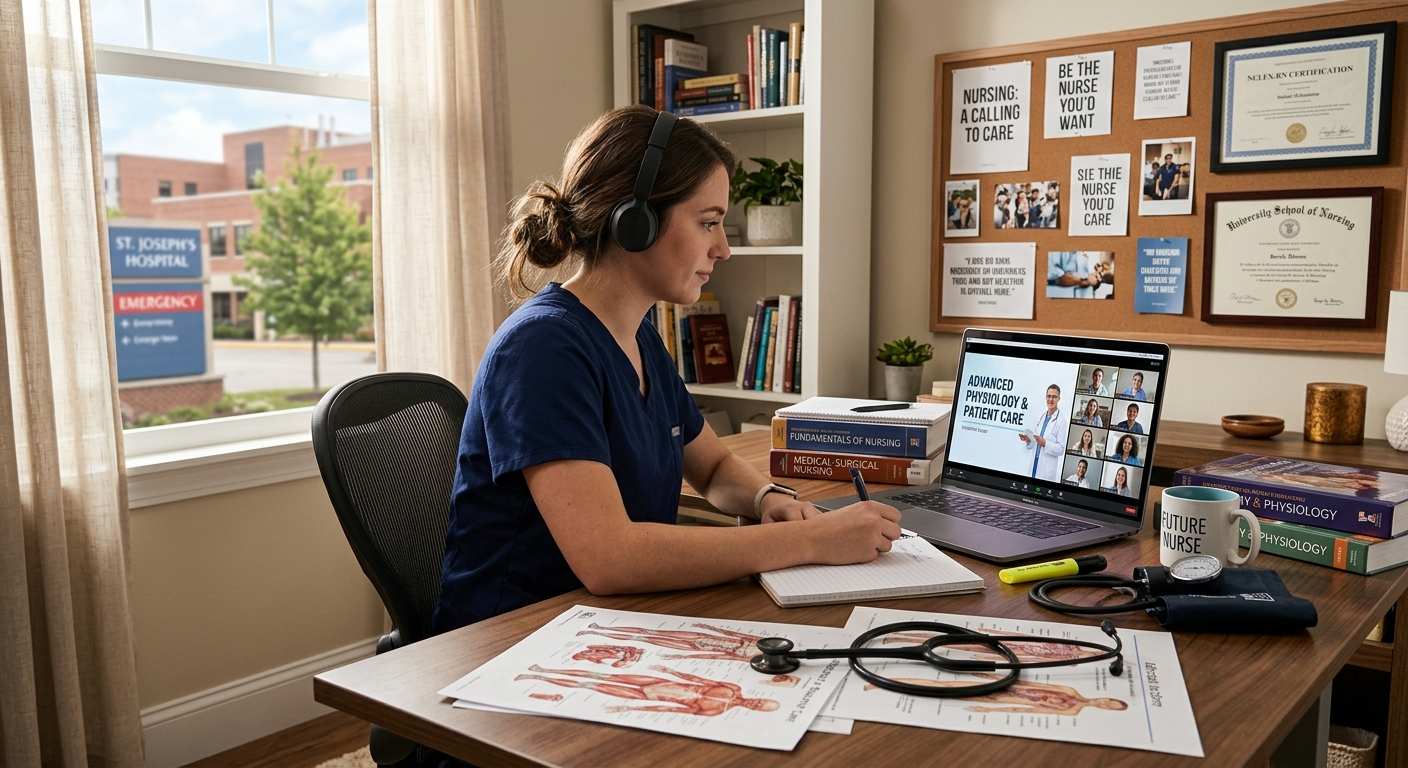
Nursing education has evolved significantly, shifting from traditional in-person formats to online learning modalities. This change has been accelerated by the COVID-19 pandemic, which challenged educational institutions to adopt digital platforms swiftly. Capable of accommodating diverse learning needs, online programs now offer asynchronous content while ensuring that essential clinical experiences occur in person. This adaptability is crucial for nursing students, especially those balancing work and family demands.
Key Factors in the Popularity of Online Nursing Programs
The popularity of online nursing diploma programs can largely be attributed to factors such as flexibility, cost-effectiveness, and technological engagement. Many students appreciate the option to tailor their studies to fit around their jobs and personal lives, which is especially beneficial for working professionals. Furthermore, the financial savings associated with online education make nursing degrees accessible to a broader audience, significantly lowering costs linked to traditional attendance, such as commuting and accommodation expenses.
Technological Innovation
Students today thrive in environments that employ modern technology, making engaging digital tools part of their learning experience essential. Programs incorporating gamified learning and interactive platforms create an engaging atmosphere that enhances motivation and satisfaction. This technological integration is vital in adapting traditional nursing curricula to online formats while meeting the educational preferences of contemporary learners.
Program Types
Various online nursing diploma programs cater to students at different career stages and aspirations, including entry-level certificates, associate, bachelor’s, and master’s degrees. For those beginning their nursing journey, Licensed Practical Nurse (LPN) and Licensed Vocational Nurse (LVN) programs provide foundational training but still require in-person clinical experience to meet state licensure requirements. For registered nurses, online RN-to-BSN pathways offer essential skills for career advancement, enhancing their qualifications for leadership positions or specialized roles.
Curriculum Design and Learning Approaches
The curriculum of online nursing diploma programs is structured to enhance both knowledge and practical skills, ensuring robust educational experiences. Programs typically encompass a mixture of asynchronous learning and occasional live sessions to optimize accessibility. However, clinical practicums remain a necessary in-person component, crucial for developing hands-on competencies while ensuring that digital learning tools are effectively utilized to support student engagement and proactive learning.
Advantages of Online Nursing Education
Online nursing diploma programs present numerous advantages, principally flexibility and cost savings. Students are able to design their educational experiences according to their personal and professional commitments, leading to a better balance between work and study. Additionally, financial benefits are significant, with lower associated costs making nursing education more attainable for diverse populations, particularly those balancing work and family commitments.
Challenges Faced by Online Nursing Programs
While online nursing education has many benefits, there are challenges related to replicating essential hands-on training. Many nursing skills necessitate in-person practice, which online simulations cannot completely replicate. Moreover, students may face issues such as limited peer interaction and feedback, which can affect collaboration and the quality of the learning experience, highlighting the need for continued pedagogical innovation in online nursing curricula.
Student Demographics in Online Nursing Education
The demographic landscape of online nursing students is also shifting, with increasing diversity in age, gender, and ethnic backgrounds. The flexible nature of online programs attracts non-traditional students, many of whom are balancing education with work or family responsibilities. Understanding these demographics is critical for institutions seeking to meet the varied needs of prospective nursing students while fostering across-the-board representation in the nursing profession.
Future Trends in Nursing Education
The trajectory of nursing education is heavily influenced by technological advancements like nursing informatics and virtual reality. Emphasis on these areas enables nursing programs to adapt to modern healthcare demands and improve educational outcomes. As online nursing programs evolve, expectations for enhanced clinical placements and comprehensive support structures will lead to more robust learning experiences, preparing the next generation of nurses equipped with essential skills for the future.
The content is provided by Avery Redwood, Direct Bulletins