Highlights
- Asian massage offers a holistic approach for stress reduction and pain relief.
- Engage with traditional techniques to enhance your wellness journey today.
Summary
Asian massage encompasses a range of traditional therapeutic practices originating from ancient Asian cultures, including Chinese Tui Na, Indian Ayurvedic massage, Thai massage, and Japanese techniques such as Anma and Shiatsu. Rooted in holistic healing philosophies that emphasize the balance and flow of vital energies—often conceptualized as Qi or prana—these modalities combine physical manipulation with energetic principles to promote health and wellness. Their historical development spans thousands of years and reflects a rich cultural heritage intertwined with systems like Traditional Chinese Medicine (TCM) and Ayurveda.
In modern health contexts, Asian massages have gained prominence for their wide-ranging benefits, including stress reduction, pain relief, immune support, and mental well-being. Scientific research has increasingly examined their efficacy, particularly for managing chronic pain and improving physiological function, though challenges remain in isolating the specific effects of massage from related therapies such as acupuncture. These practices have become integral to global wellness industries and complementary healthcare, valued for their holistic approach that addresses physical, emotional, and energetic dimensions of health.
Despite their popularity and cultural significance, Asian massage therapies face controversies concerning scientific validation and cultural adaptation. The foundational concepts of energy lines and points lack empirical support according to contemporary biomedical standards, prompting skepticism from some medical professionals. Furthermore, research on Asian massage is sometimes limited by methodological issues and conflation with other manual therapies, complicating clear assessment of clinical effectiveness. Cultural sensitivities and ethical considerations also arise as these traditional practices are globalized, requiring respectful integration to preserve authenticity and safety.
Overall, Asian massages remain essential in modern health due to their unique combination of ancient healing wisdom and evolving therapeutic applications. By fostering balance among body, mind, and spirit, they continue to offer valuable complementary options for holistic care, reflecting both enduring cultural traditions and contemporary health needs.
Historical Background
The practice of massage has ancient origins that span multiple cultures and thousands of years, particularly throughout Asia, where it evolved as an integral part of traditional healing systems. In China, massage dates back at least to 2700 BCE, as documented in the Nei Jing, a foundational Chinese medical text that details therapeutic massage techniques used to promote healing and wellness. These early Chinese practices emphasized the stimulation of acupuncture points and the regulation of Qi—the vital life force believed to flow through meridians in the body—aiming to restore balance and health.
Similarly, in India, Ayurveda, one of the world’s earliest holistic medical systems, developed around the same time or earlier. Ayurveda is founded on the philosophy of balancing the body’s vital energies, or doshas, through various healing practices, including massage. These techniques have been passed down through generations and continue to influence modern holistic therapies.
Southeast Asia also contributed significantly to the tradition of massage therapy. Thai massage, which is believed to have originated approximately 2,500 years ago, combines elements of Ayurvedic medicine, yoga, and acupressure. Indonesian massage similarly integrates Chinese, Indian, and native techniques, illustrating the cross-cultural exchange that shaped Asian massage practices.
Japan’s massage heritage includes the practice of anma, which has roots in Chinese medicine and was later incorporated into shiatsu—a form of bodywork based on traditional Chinese medicine’s meridian theory. Although anma experienced periods of cultural decline, it remains an established therapy certified by local health authorities and continues to evolve alongside Western massage techniques.
Throughout the Tang and Song dynasties (618–1279 CE), Chinese massage therapy became more sophisticated and was integrated into imperial medical practices, reflecting its growing importance and refinement. In the modern era, Asian massage traditions have further blended with contemporary medical knowledge, leading to the diverse and holistic approaches used worldwide today.
Types of Asian Massages
Asian massage encompasses a variety of traditional therapeutic techniques rooted in ancient healing philosophies, many of which emphasize the balance and flow of vital energy through the body. These diverse styles, originating from different parts of Asia, offer distinct approaches to health and wellness by combining physical manipulation with holistic concepts.
Thai Massage
Thai massage is a traditional healing art originating in Thailand over 2,500 years ago. It integrates influences from Ayurvedic medicine, yoga, and acupressure. The practice involves rhythmic pressure along the body’s energy lines and a series of assisted stretching techniques aimed at releasing tension and enhancing flexibility. Practitioners use their hands, thumbs, elbows, and feet to stimulate energy flow and restore balance, making it both a physical and energetic therapy.
Ayurvedic Massage
Ayurvedic massage originates from the ancient Indian system of Ayurveda, one of humanity’s earliest holistic healing traditions. It focuses on balancing the body’s vital energies, or doshas, using herbal oils, marma point therapy (targeting energy points), and various massage techniques. Introduced to Southeast Asia by Buddhist monks, Ayurvedic massage aims to promote overall health by harmonizing physical and energetic aspects of the body through personalized treatments.
Chinese Massage (Tui Na)
Chinese massage, particularly Tui Na, is a cornerstone of Traditional Chinese Medicine (TCM). It focuses on manipulating soft tissues and stimulating acupuncture points along meridians—pathways believed to carry the vital energy known as Qi. Techniques include kneading, rolling, pressing, and stretching to promote harmonious Qi flow and restore bodily balance. Tui Na has a long-standing history and remains widely practiced today, often integrated with other TCM modalities like acupressure and reflexology.
Japanese Massage: Anma and Shiatsu
Japanese massage traditions include Anma and Shiatsu, both deeply influenced by Chinese medicine and developed further within Japan. Anma, popularized in the seventeenth century, uses kneading, rubbing, and tapping to improve circulation and energy flow. Despite a decline in status during the Meiji period due to Western medical influence, Anma persists today as a certified practice in Japan.
Shiatsu, meaning “finger pressure,” combines static pressure applied with thumbs or palms along meridian lines with soft tissue manipulation and stretching. It incorporates principles from Chinese acupuncture and includes breathing techniques. Shiatsu is adaptable and can be performed over clothing or directly on the skin, offering benefits ranging from stress relief to applications in maternity care, such as labor induction.
Traditional Japanese Facial and Full Body Massage
In addition to Anma and Shiatsu, traditional Japanese massage plays a significant role in beauty and wellness. These therapies improve skin elasticity, reduce stress, and restore body balance through specialized facial and full body techniques. This holistic approach underscores the integration of aesthetic and health benefits in Japanese massage culture.
These diverse Asian massage modalities share a common foundation in energy-based healing philosophies, emphasizing balance, circulation, and the flow of vital forces within the body. Their continued practice and evolution underscore their relevance and essential role in modern health and wellness.
Techniques and Practices
Asian massage encompasses a wide variety of techniques and practices that have evolved over centuries, drawing from ancient traditions to address physical, energetic, and emotional well-being. These methods range from gentle, soothing strokes to deep, vigorous manipulations designed to affect soft tissue, structural alignment, and the body’s energy pathways, or meridians.
One prominent technique is Tui Na, an ancient Chinese manual therapy that utilizes the hands, fingers, elbows, and sometimes even knees and feet to apply pressure and manipulate the body. The primary goal of Tui Na is to balance the flow of Qi (or energy) and promote blood circulation. Practitioners believe that blockages or imbalances in these energy channels can lead to pain and various health problems, so restoring energetic harmony is essential for healing. Tui Na also incorporates elements of acupressure, which involves applying pressure to specific points on the body to stimulate the meridian system, thereby rebalancing yin, yang, and qi as described in Traditional Chinese Medicine (TCM).
Another significant practice is Jin Shou Tuina, which has its roots in Chinese internal martial arts traditions. This technique similarly focuses on manipulating the body to stimulate meridians and improve energy flow. Acupressure, often integrated into Asian massage, uses gentle to moderate pressure with rotating fingertip movements to target specific acupoints that may not always be located near the area of discomfort, in accordance with TCM theory.
In addition to manual manipulation, many Asian massage therapies employ adjunctive treatments such as moxibustion, cupping, and external herbal applications to enhance therapeutic effects. The use of oils is also common, with practices like Ayurvedic massage incorporating warm oils such as coconut or sesame to facilitate long, rhythmic strokes, circular motions, and gentle kneading. These massages aim to relieve stress, improve circulation, and detoxify the body, and are deeply connected to the broader Ayurvedic healing system, which emphasizes balancing bodily energies and eliminating toxins through methods like panchakarma.
The practice of oil application extends beyond massage strokes; it includes anointing, head massage, and specific techniques such as shirodhara, where liquids are poured on the forehead, all aimed at promoting relaxation and healing within the Ayurvedic framework. Moreover, Ayurvedic teachings prescribe the use of oils and herbal preparations to address bleeding and other trauma-related issues, illustrating the comprehensive therapeutic scope of these traditional practices.
Despite the diversity of methods, a unifying theme in Asian massage practices is the belief in the body’s energy lines or meridians. These lines are thought to connect organs and various parts of the body, and their manipulation is believed to alleviate illnesses and restore health by unblocking or balancing energy flow. Techniques such as Shiatsu and Chi Nei Tsang also follow this principle, focusing on stimulating acupoints and meridians to improve circulation and overall vitality.
It is important to note that while these practices are deeply rooted in traditional beliefs about qi and meridian systems, many of the therapeutic claims have not been fully substantiated by contemporary medical research. Nevertheless, numerous studies and clinical observations suggest that techniques like acupressure and Tui Na can effectively manage symptoms such as nausea, lower back pain, and tension headaches, likely through a combination of physical manipulation and psychosomatic effects.
Training, Certification, and Practitioner Development
Training and certification in Asian massage modalities are critical components in the development of competent and credible practitioners. While certification in massage therapy is generally optional, it serves as an important credential that attests to a therapist’s mastery of specialized skillsets and their commitment to professional standards. This is especially significant in the field of Asian massages, where techniques often integrate deep-rooted traditions, such as those from Traditional Chinese Medicine (TCM), Shiatsu, and Thai massage.
Asian massage training programs offer comprehensive curricula that cover both theoretical knowledge and practical skills. For instance, the Costa Rica School of Massage Therapy provides a 100-hour Asian Modalities Certificate Program, which includes 60 hours of Shiatsu and TCM coursework alongside 40 hours dedicated to Thai massage. Such programs emphasize the understanding of meridians, acupuncture points, and the flow of Qi—concepts fundamental to Eastern health philosophies that guide many Asian massage practices.
The development of practitioners is also supported by the global dissemination of Chinese massage education, with schools and instructors establishing training programs worldwide. This international spread has not only enhanced practitioner competence but also increased the acceptance and integration of Asian massage techniques within the global wellness and spa industry. Furthermore, historical schools such as the Fujibayashi school have played a vital role in formalizing practices like anma and shiatsu, ensuring the preservation and modernization of these traditions for contemporary use.
Health Benefits
Asian massages offer a wide array of health benefits that are increasingly recognized within modern medicine and wellness industries. These traditional techniques contribute significantly to stress reduction, pain management, and restoration of energy balance, making them valuable adjuncts in contemporary health care. By promoting improved blood circulation, Asian bodywork therapies support optimal physiological function and help maintain overall health.
A key advantage of Asian massage lies in its holistic approach, addressing not only physical symptoms but also the balance of body, mind, and spirit. This comprehensive focus enhances immune system function by reducing inflammation and stress, both of which are detrimental to immune health. Regular sessions have been shown to strengthen the immune response, aiding the body in warding off illnesses and maintaining well-being.
In terms of pain management, Asian massage techniques influence cellular mechanisms that modulate inflammatory pathways and pain perception. This immunomodulatory effect can reduce acute and chronic pain syndromes without reliance on pharmaceutical interventions, making massage an effective complementary therapy for musculoskeletal injuries and inflammatory conditions.
Psychological benefits are also profound. The gentle touch and soothing methods characteristic of Asian massages encourage relaxation and the release of endorphins, the body’s natural mood-enhancing chemicals. Regular treatments have been demonstrated to alleviate anxiety and depression, improve mood stability, and reduce both state and trait anxiety comparable in magnitude to psychotherapy. These effects highlight the importance of Asian massage not only for physical but also mental health.
Moreover, Asian massage techniques, rooted in Traditional Chinese Medicine and Ayurveda, work by restoring the natural flow of energy—referred to as qi or prana—along specific meridians connected to physiological systems. This energy-centric approach helps release tension, alleviate stiffness (especially in areas like the neck, shoulders, and jaw), and promote circulatory and nervous system balance.
Scientific studies have further substantiated these benefits, showing improvements in cardiovascular autonomic regulation and reductions in inflammatory markers following massage interventions, particularly in populations exposed to high physiological stress such as shift workers. These findings support the integration of Asian massage as a therapeutic modality to enhance resilience against both physical and emotional stressors.
Scientific Evidence and Clinical Research
Asian massage therapies, including Tui Na, Shiatsu, and Thai massage, have been increasingly examined through scientific research to evaluate their effectiveness in managing various health conditions, particularly chronic pain. Randomized controlled trials (RCTs), quasi-experimental studies, and pilot studies have been conducted to assess these modalities, with many focusing on pain relief and functional improvement.
Clinical studies demonstrate that techniques such as acupressure, which underlie many Asian massage forms, can effectively manage chronic pain conditions like lower back pain, tension headaches, and nausea-related symptoms. This is attributed to the stimulation of specific acupoints along the body’s meridian system, which is believed to rebalance yin, yang, and qi (life energy), promoting the body’s natural healing processes. For example, Tui Na massage, based on Traditional Chinese Medicine (TCM) philosophy, targets these energy channels (qi) to restore physiological and emotional balance by unblocking tension-induced stagnation, differentiating it from Western massage approaches by its holistic scope and treatment of specific health conditions beyond musculoskeletal issues.
Meta-analyses incorporating data from numerous trials have utilized standardized pain scales to quantify outcomes, generally indicating positive effects of Asian massage techniques on pain management with acceptable safety profiles. One clinical trial analyzing Tui Na massage specifically for chronic low back pain (CLBP) compared its efficacy and health economics against conventional drug treatments, enrolling patients diagnosed under established TCM clinical guidelines. This study employed intention-to-treat analysis to maintain data integrity despite participant dropout, underscoring a rigorous methodological approach to assessing traditional therapies in a modern clinical context.
However, some literature highlights challenges in distinguishing evidence derived from acupuncture, Tui Na, and other manual therapies, occasionally leading to conflated or misattributed findings within research reports. Despite these challenges, the growing body of peer-reviewed research supports the integration of Asian massage therapies as complementary options in pain management and holistic health strategies.
Integration into Modern Healthcare and Wellness Industries
Traditional Asian massage techniques have increasingly become integral to modern healthcare and wellness industries, reflecting
Cultural Significance and Social Impact
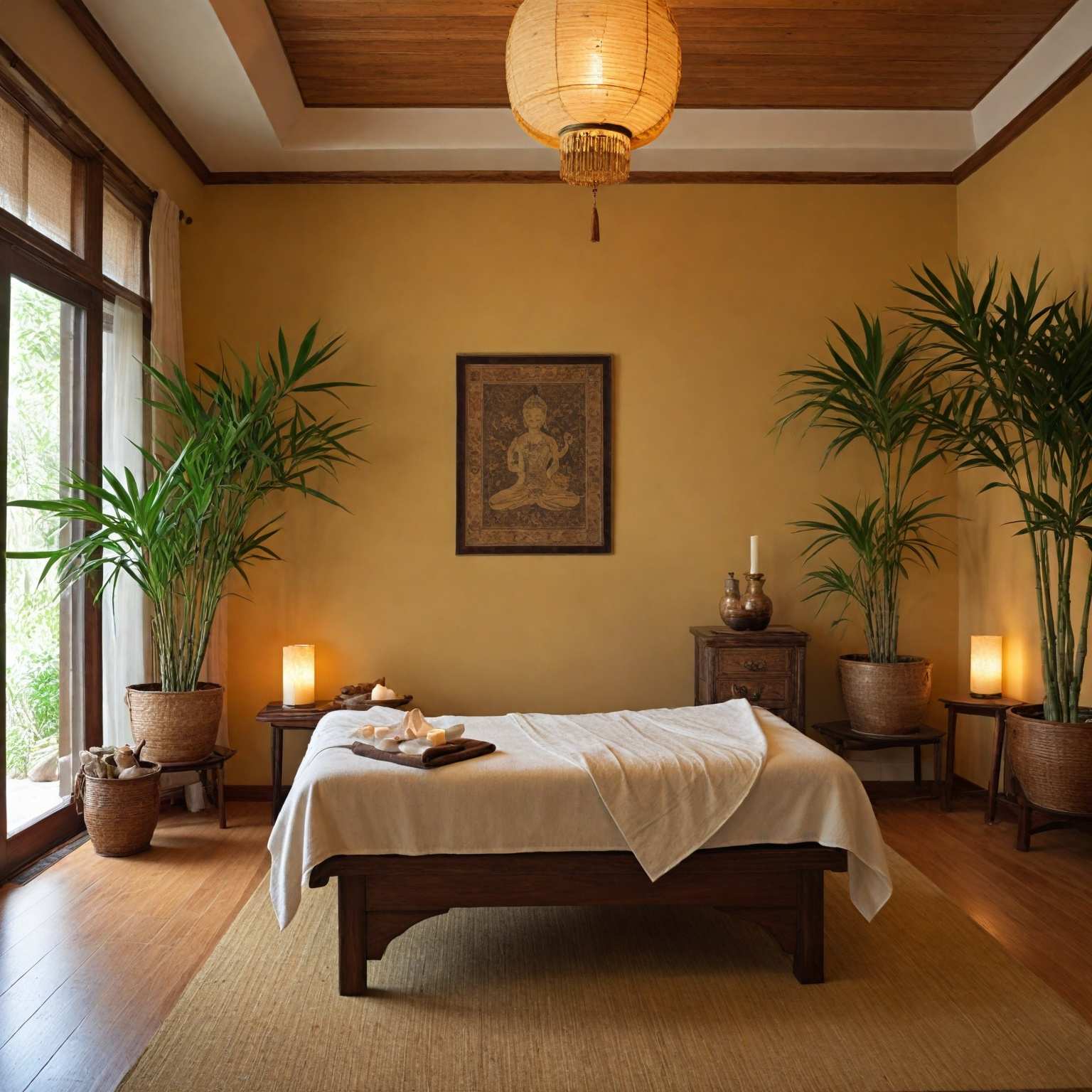
Asian massages carry deep cultural significance rooted in ancient traditions that have been preserved and adapted across various countries such as China, Japan, Thailand, and India. Originating in ancient China, these practices are intertwined with traditional healing philosophies that emphasize holistic health, balancing the body, mind, and spirit rather than focusing solely on physical symptoms. The decor and setting of Asian massage parlors often reflect this cultural heritage, incorporating traditional elements like bamboo, silk, and calligraphy to create an immersive experience that honors their origins.
The cultural expressions of Asian massages vary widely; for example, Thai massage integrates social and cultural values into its practice, demonstrating how massage is woven into daily life and community interactions. In contrast, modern Asian facial massage techniques, particularly in Japan and Korea, have evolved to merge ancient methods with cutting-edge technology, contributing to luxury spa industries and highlighting the adaptability of these traditions to contemporary wellness trends. This rich cultural diversity underlines the importance of understanding cultural nuances, such as respect for sacred body parts and specific rituals, when offering massage therapies in multicultural settings.
Beyond their cultural importance, Asian massage parlors actively contribute to community well-being through involvement in local initiatives and social causes. This commitment to giving back not only strengthens community bonds but also promotes a positive societal impact, extending the benefits of these therapies beyond individual health to social welfare. Moreover, the global spread of Chinese massage and other Asian bodywork therapies has influenced integrative health practices worldwide, emphasizing the enduring relevance of these ancient arts in promoting overall health and wellness.
Together, these cultural and social dimensions underscore why Asian massages remain essential in modern health, blending time-honored traditions with contemporary needs to foster holistic well-being and community vitality.
Criticisms and Controversies
Asian massages, despite their longstanding cultural heritage and popularity, have faced various criticisms and controversies, particularly from the scientific and medical communities. One significant issue is the conflation of evidence and terminology within research literature. Studies on Asian massage techniques are often intermixed with references to other manual therapies, including acupuncture, leading to difficulties in clearly differentiating their effects and outcomes. This lack of clear delineation undermines the ability to draw definitive conclusions about the efficacy of specific Asian massage practices.
Another criticism arises from the methodological limitations in research on Asian massages. Many studies suffer from exclusion due to language barriers, incomplete access to full articles, or failure to meet empirical criteria such as randomized controlled trials or meta-analyses. This restricts the available high-quality evidence and contributes to ongoing skepticism regarding the clinical benefits claimed by proponents.
Cultural sensitivity also represents a point of controversy. The global dissemination of Asian massage practices requires practitioners to navigate complex cultural nuances and taboos surrounding touch. For example, in some Asian cultures, the head is considered sacred, necessitating special permissions or rituals before massage. Ignoring such cultural elements may lead to ethical concerns and diminished authenticity of the practice when adapted outside its original context.
Moreover, the foundational theories behind many Asian massage techniques—such as the manipulation of invisible energy lines (meridians, sen lines, marma points, tsubo points)—have not been empirically validated by modern scientific methods. While these concepts date back thousands of years and form the core of traditional beliefs, their existence and function remain unproven. This gap between traditional knowledge and scientific validation contributes to ongoing debate about the legitimacy and mechanism of Asian massages within contemporary health paradigms.
Lastly, contraindications related to the practice of Asian massage, such as the risk of aggravating conditions like severe acne, open wounds, or infections, underscore the need for professional discretion and informed application. Additionally, the integration of traditional Asian massage within different healthcare systems requires careful adaptation and consultation with medical professionals to ensure safety and efficacy.
The content is provided by Harper Eastwood, Direct Bulletins