Highlights
- Regular vent cleaning significantly improves HVAC efficiency and indoor air quality.
- Professional services use advanced techniques to ensure thorough removal of harmful contaminants.
Summary
Regular vent cleaning is a vital maintenance practice that enhances the efficiency, longevity, and safety of heating, ventilation, and air conditioning (HVAC) systems while improving indoor air quality. Over time, dust, debris, mold, and other contaminants accumulate within ductwork and vents, obstructing airflow and forcing HVAC units to operate harder, which increases energy consumption and accelerates equipment wear. By removing these pollutants, regular vent cleaning reduces utility costs, prevents costly repairs, and supports a healthier indoor environment, particularly benefiting individuals with allergies, asthma, or other respiratory conditions.
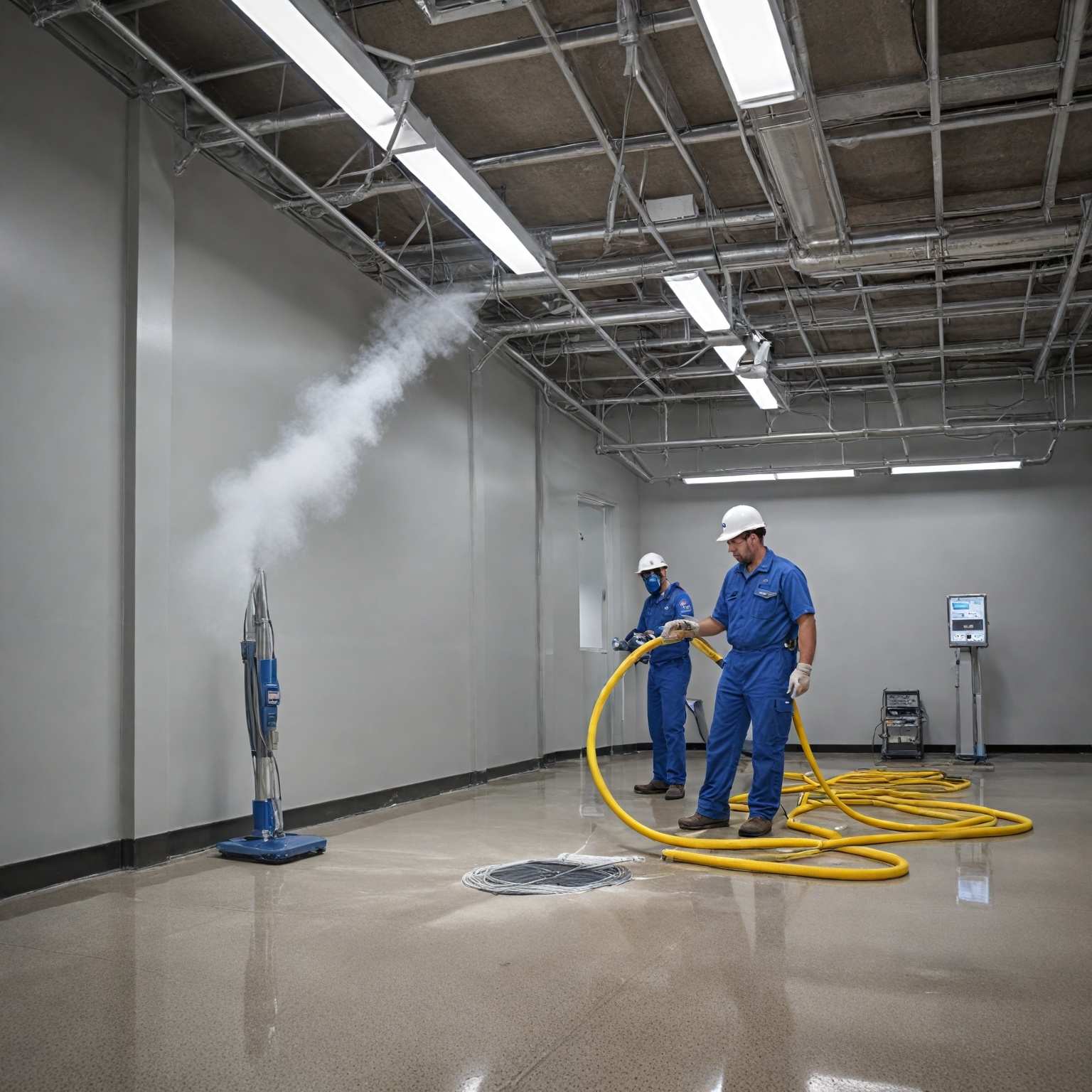
In commercial and industrial settings, vent cleaning assumes heightened importance due to elevated pollutant levels and stricter health and safety regulations. Maintaining clean ducts in these environments not only promotes worker health but also ensures regulatory compliance and operational efficiency. Professional cleaning services employ specialized equipment and techniques, such as high-powered vacuums, rotary brushes, and visual inspection tools, to thoroughly remove contaminants—including mold, bacteria, and pest residues—from deep within duct systems.
While the benefits of vent cleaning include improved air quality, enhanced HVAC performance, and fire hazard reduction, some debate persists over the frequency and necessity of routine cleaning. Experts differ on optimal maintenance intervals, with recommendations typically ranging from every two to five years depending on factors such as building type, occupancy, and environmental conditions. Despite this, the consensus emphasizes that a proactive cleaning regimen tailored to individual circumstances can significantly mitigate health risks and energy waste.
Scientific studies corroborate the advantages of regular vent cleaning, showing measurable improvements in airflow, energy savings, and reductions in airborne biological contaminants. Given these findings, coupled with the potential hazards posed by neglected duct systems—including respiratory ailments and fire risks—vent cleaning remains a critical component of effective building maintenance and indoor environmental quality management.
Overview of Vent Cleaning
Vent cleaning plays a crucial role in maintaining the efficiency and longevity of heating, ventilation, and air conditioning (HVAC) systems, as well as ensuring good indoor air quality. Clean ducts allow unobstructed airflow, enabling the HVAC system to operate optimally without overexertion. When ducts become clogged with dust, dirt, and debris, the system must work harder to circulate air, which increases energy consumption and accelerates wear and tear on its components. Regular vent cleaning helps reduce energy costs, prevent costly repairs, and extend the life of HVAC equipment.
In commercial and industrial settings, industrial vent cleaning is particularly vital. These environments often produce higher levels of pollutants, and the buildup of contaminants can compromise air quality and violate health and safety regulations. Maintaining clean ducts in such facilities supports a healthier work environment and compliance with relevant standards. The frequency of cleaning depends on factors such as the type of facility, pollution levels, and HVAC system usage.
Professional duct cleaning services utilize specialized tools and equipment to perform thorough cleaning beyond accessible vent covers and duct openings. These services are capable of removing mold, bacteria, and other harmful contaminants deep within the ductwork. Visual inspection devices are often employed to assess contamination levels, monitor the cleaning process, and verify cleaning effectiveness.
Besides improving HVAC performance and energy efficiency, vent cleaning is essential for maintaining good indoor air quality. Accumulated dust and particles can be circulated throughout indoor spaces, potentially causing or exacerbating respiratory issues, particularly for individuals with allergies or asthma. Signs indicating the need for duct cleaning include visible dust around vent openings, clogged air filters, mold growth, weak airflow, and unusual noises from air ducts.
Importance of Regular Vent Cleaning
Regular vent cleaning plays a critical role in maintaining a healthy and efficient home environment. Over time, dust, debris, and other contaminants accumulate in vents and ductwork, negatively impacting indoor air quality and the overall performance of HVAC systems. This buildup not only circulates allergens and irritants but also forces HVAC units to work harder, leading to decreased efficiency and higher energy costs.
One of the primary benefits of regular vent cleaning is the improvement of indoor air quality. Vents can harbor a variety of biological contaminants, including bacteria, molds, mildew, viruses, animal dander, dust mites, pollen, and other allergens that can exacerbate respiratory issues and allergies, especially for individuals with asthma or hypersensitivity. Mold growth within vents and HVAC components poses additional health risks, as some molds produce mycotoxins and can cause respiratory infections, skin irritation, and chronic sinus problems. Proper cleaning and sanitation, combined with humidity control, help prevent mold proliferation and reduce these hazards.
Regular maintenance and cleaning also contribute significantly to energy conservation and sustainability. Studies have shown that cleaned HVAC systems can reduce fan and blower energy consumption by 41% to 60% and increase airflow by 10% to 46%, resulting in lower utility bills and a reduced carbon footprint. By optimizing ventilation performance, homeowners not only save money but also support environmental conservation efforts through more judicious energy use.
Furthermore, vent cleaning improves overall home safety. Accumulated lint and debris in dryer vents and other ventilation components are potential fire hazards; keeping these vents clear reduces the risk of house fires. Additionally, routine inspections and cleaning can identify pest infestations and other issues that may compromise the integrity of the HVAC system and indoor environment.
Common Pollutants and Contaminants in Vents
Vents and air ducts can accumulate a wide variety of pollutants and contaminants originating from both indoor activities and outdoor sources. Common indoor pollutants include dust, pet dander, allergens such as pollen and mites, bacteria, molds, mildew, viruses, cat saliva, house dust, cockroaches, and other biological contaminants. Cigarette smoke also contributes to pollution by leaving behind a sticky residue that clings to duct walls and circulates stale odors and harmful chemicals whenever the HVAC system runs.
Mold growth in air ducts is a significant concern, as it thrives in the presence of moisture and warm temperatures. Mold spores can cause respiratory infections, throat irritation, skin rashes, chronic sinus infections, and some molds produce mycotoxins that are hazardous to health. Visible mold growth inside vents is an important indication that cleaning and sanitizing by a professional HVAC technician are necessary.
Combustion pollutants are another major source of indoor air contamination. Unvented combustion appliances such as gas stoves, kerosene heaters, and charcoal grills release combustion byproducts directly into the home, producing high levels of indoor pollutants. Even vented combustion appliances like furnaces, wood stoves, fireplaces, gas water heaters, and gas clothes dryers can contribute to indoor pollution if they are improperly vented or suffer incomplete combustion. These pollutants include particulate matter and gases that degrade indoor air quality.
Outdoor contaminants such as particulates can enter the home through the HVAC system’s intake, further contributing to the accumulation of pollutants in ducts. Additionally, activities like cooking, cleaning, smoking, and simply moving around the home can stir up contaminants and increase exposure levels, often more so than dirty air ducts themselves.
Signs Indicating the Need for Vent Cleaning
Several clear indicators suggest that air vents and ducts require cleaning to maintain indoor air quality and HVAC system efficiency. One of the most apparent signs is the presence of visible dust and debris around vent openings and on vent covers. A noticeable buildup of dust at these locations indicates that the vents need attention and cleaning to prevent further contamination of indoor air.
Additional signs include clogged air filters, dirty vent covers, and noisy air ducts, all of which can signal that the HVAC system is struggling to circulate air effectively due to accumulated dust and debris. Weak airflow and unpleasant odors emanating from vents also suggest the presence of contaminants and the need for duct cleaning. Such odors often result from dust and debris buildup, and cleaning helps eliminate these smells, leaving the indoor environment fresher.
The presence of mold or mildew inside vents and ductwork is another critical warning sign. Mold spores can lead to respiratory infections, throat irritation, skin rashes, and chronic sinus issues. Some molds produce hazardous mycotoxins, making professional inspection and cleaning essential. Visible mold growth on HVAC components or inside ducts requires prompt sanitation and moisture control to prevent health risks and further contamination.
Signs of pest infestation, such as droppings or unusual odors in the ductwork, indicate that vents may harbor rodents or insects, necessitating thorough cleaning and remediation. Frequent dust accumulation on furniture and surfaces despite regular cleaning may also point to dirty ducts distributing dust throughout the home.
Furthermore, if household members suffer from asthma or allergies, more frequent vent cleaning is advisable to reduce exposure to allergens like dust, dead skin cells, and other particulates that accumulate in ducts.
Recognizing these signs early helps maintain good indoor air quality, prevents health problems, and ensures HVAC systems operate efficiently without undue strain caused by blocked or contaminated vents.
Vent Cleaning Procedures and Techniques
Regular vent cleaning involves several procedures and techniques designed to effectively remove dust, debris, mold, and other contaminants from air ducts and ventilation systems. The most thorough method is source removal, which entails extracting built-up dirt and debris from the entire HVAC system by placing it under continuous negative pressure with a specialized, powerful vacuum. This process ensures contaminants are safely contained and removed, preventing their spread into the indoor environment.
Professional cleaners typically use a combination of mechanical and chemical methods to clean vents. Mechanical tools include rotary brushes that make direct contact with vent surfaces to dislodge stubborn debris more thoroughly than other methods, though they may require more time to use. Vacuum systems, either truck- or trailer-mounted or portable units, are employed to create negative pressure and collect debris safely. Both types of vacuum equipment are effective when used according to industry standards.
Before cleaning, accessible vent covers and grilles are unscrewed and cleaned manually with brushes, soap, and water if necessary. For vents that are hard to reach, tools like brooms can be used to remove surface dust. However, deep cleaning of ductwork—especially when mold, mildew, or rodent infestations are present—is best left to professionals who have heavy-duty vacuums, specialized equipment, and the expertise to handle contamination safely.
Visual inspection devices are also used during the cleaning process to evaluate the level of debris buildup and to monitor the effectiveness of cleaning techniques employed. This ensures that the cleaning meets established standards for air quality and system hygiene.
In addition to physical cleaning, professionals may apply chemical agents for sanitation and mold remediation when necessary. However, caution is exercised with chemical use due to potential environmental and health impacts, especially for individuals sensitive to certain chemicals. To further prevent mold growth, some HVAC systems incorporate UV-C light purifiers that kill mold spores before they spread throughout the ducts.
Recommended Maintenance Schedules
The frequency of vent and duct cleaning depends on various factors, including the type of building, environmental conditions, and occupant needs. For residential properties, it is generally advised to have HVAC ducts inspected and potentially cleaned every three to five years to maintain system performance and indoor air quality. However, this schedule may vary significantly based on specific circumstances such as the presence of pets, smokers, individuals with allergies or asthma, or if the home is located in areas prone to dust or pollen accumulation.
Homeowners are also encouraged to clean ducts after major home renovations or the installation of a new HVAC system to remove construction-related contaminants. Additionally, when moving into a previously owned home, it is prudent to have the HVAC system serviced and cleaned if there is no proof of cleaning within the last 3–5 years.
In commercial and industrial settings, vent cleaning is typically recommended more frequently, often every 2–4 years, depending on factors like the type of facility, pollutant levels from manufacturing processes, and system usage. Regular industrial vent cleaning not only promotes a healthier work environment but also ensures compliance with health and safety regulations while improving HVAC efficiency and reducing energy costs.
Despite some debate over the necessity and frequency of duct cleaning, committing to a preventive maintenance program is essential to minimize duct contamination and potential health risks. Consulting with HVAC professionals is recommended to determine the ideal cleaning schedule tailored to individual building needs, especially for multi-unit residences like apartments where usage and exposure factors may differ. Ultimately, a proactive approach to vent cleaning supports year-round heating and cooling efficiency and contributes to better indoor air quality.
Health Risks of Neglecting Vent Cleaning
Neglecting regular vent cleaning can lead to significant health risks due to the accumulation and circulation of dust, allergens, mold, and other biological contaminants within indoor air systems. Over time, these particles build up in air ducts and vents, reducing indoor air quality and increasing exposure to airborne irritants that can trigger or exacerbate respiratory conditions.
Biological contaminants such as mold spores, dust mites, pet dander, pest droppings, and pollen are known to cause allergic reactions and respiratory illnesses. Exposure to these agents can lead to hypersensitivity pneumonitis, allergic rhinitis, asthma attacks, and other pulmonary issues, particularly in vulnerable populations such as children, the elderly, and individuals with pre-existing lung diseases or allergies. Mold, in particular, is a significant concern as it can produce mycotoxins and cause symptoms ranging from respiratory infections and throat irritation to skin rashes and chronic sinus infections.
Families with members suffering from asthma or allergies may experience worsened symptoms due to the continuous circulation of allergens in dirty air ducts. Studies have shown that improving air duct cleanliness can lead to better pulmonary health outcomes in affected individuals. Furthermore, unclean air vents can contribute to frequent upper respiratory infections, including coughing, sneezing, nasal congestion, and sore throats. If left untreated, these infections may progress to more severe conditions such as bronchitis or pneumonia as bacteria and viruses spread through contaminated indoor air.
Mold growth in HVAC systems also poses a risk not only to health but to the system’s efficiency. The presence of a persistent musty or earthy odor near vents is often a sign of mold contamination, which requires professional cleaning and remediation. Controlling humidity and maintaining proper ventilation are crucial steps to prevent mold proliferation in air ducts.
In addition to microbial and allergen-related risks, clogged dryer vents can lead to dangerous health hazards such as carbon monoxide poisoning, especially in homes with gas dryers. Blocked vents can prevent the safe venting of carbon monoxide, a colorless and odorless gas that can cause symptoms ranging from headaches and dizziness to unconsciousness and death. Regular cleaning of dryer vents is essential to maintain safe indoor air quality and prevent fire hazards.
Impact on HVAC System Longevity and Performance
Regular vent cleaning plays a significant role in maintaining and enhancing the efficiency and lifespan of HVAC systems. Dirty ducts restrict airflow, forcing heating and cooling units to work harder than necessary, which results in increased energy consumption and higher utility bills. When vents are clean, air can circulate freely, improving the overall performance of the system and reducing energy costs.
In addition to efficiency, routine cleaning helps extend the lifespan of HVAC equipment. Accumulated dust and debris can cause wear and tear on system components, potentially leading to costly repairs or premature replacement. By keeping ducts clean, these issues are minimized, contributing to the longevity of the system.
Furthermore, in climates with extreme seasonal variations, proper ventilation through clean ducts helps manage indoor humidity levels, preventing moisture-related issues that can strain HVAC systems and affect indoor air quality. Overall, regular vent cleaning is a critical maintenance practice that ensures HVAC systems operate efficiently, remain durable, and provide a comfortable indoor environment.
Scientific Evidence and Studies
A growing body of research highlights the significant benefits of regular vent cleaning, particularly in improving HVAC system efficiency and indoor air quality. Studies conducted by the National Air Duct Cleaners Association (NADCA) in collaboration with academic experts have demonstrated that routine cleaning can enhance airflow and ventilation performance, resulting in energy savings and better overall system operation. Specifically
Cost Considerations and Choosing Services
The cost of professional vent cleaning services typically ranges from $450 to $1,000 per heating and cooling system, depending on the scope of services offered and the specific components that require cleaning. It is important for homeowners to ensure that the service provider agrees to clean all parts of the system and has the necessary qualifications to do so effectively.
When selecting a furnace or duct cleaning company, thorough research is essential. Potential customers should review the company’s online presence and seek reviews from multiple sources beyond just Google Reviews to gain a comprehensive understanding of their reputation. Additionally, verifying that the company is licensed, insured, and covered by the Workers Compensation Board (WCB) is crucial for ensuring accountability and safety. Prospective clients are also encouraged to inquire about the equipment and cleaning processes the company uses to guarantee high-quality service.
Opting for professional duct cleaning not only improves indoor air quality but also promotes energy efficiency and environmental responsibility. Regular maintenance aligns with eco-friendly practices by reducing energy consumption and the carbon footprint associated with heating and cooling systems.
While some debate exists regarding the necessity of frequent vent cleaning—especially for individuals without allergies or respiratory issues—many professionals recommend cleaning every 3 to 5 years, depending on specific circumstances. Consulting with HVAC experts can provide personalized advice tailored to the homeowner’s environment and needs.
The content is provided by Harper Eastwood, Direct Bulletins