Highlights
- Night shift cleaning careers offer flexible scheduling and higher pay through shift differentials.
- Proper safety protocols and support resources are essential for maintaining well-being in night shifts.
Summary and Overview of Night Shift Cleaning Careers
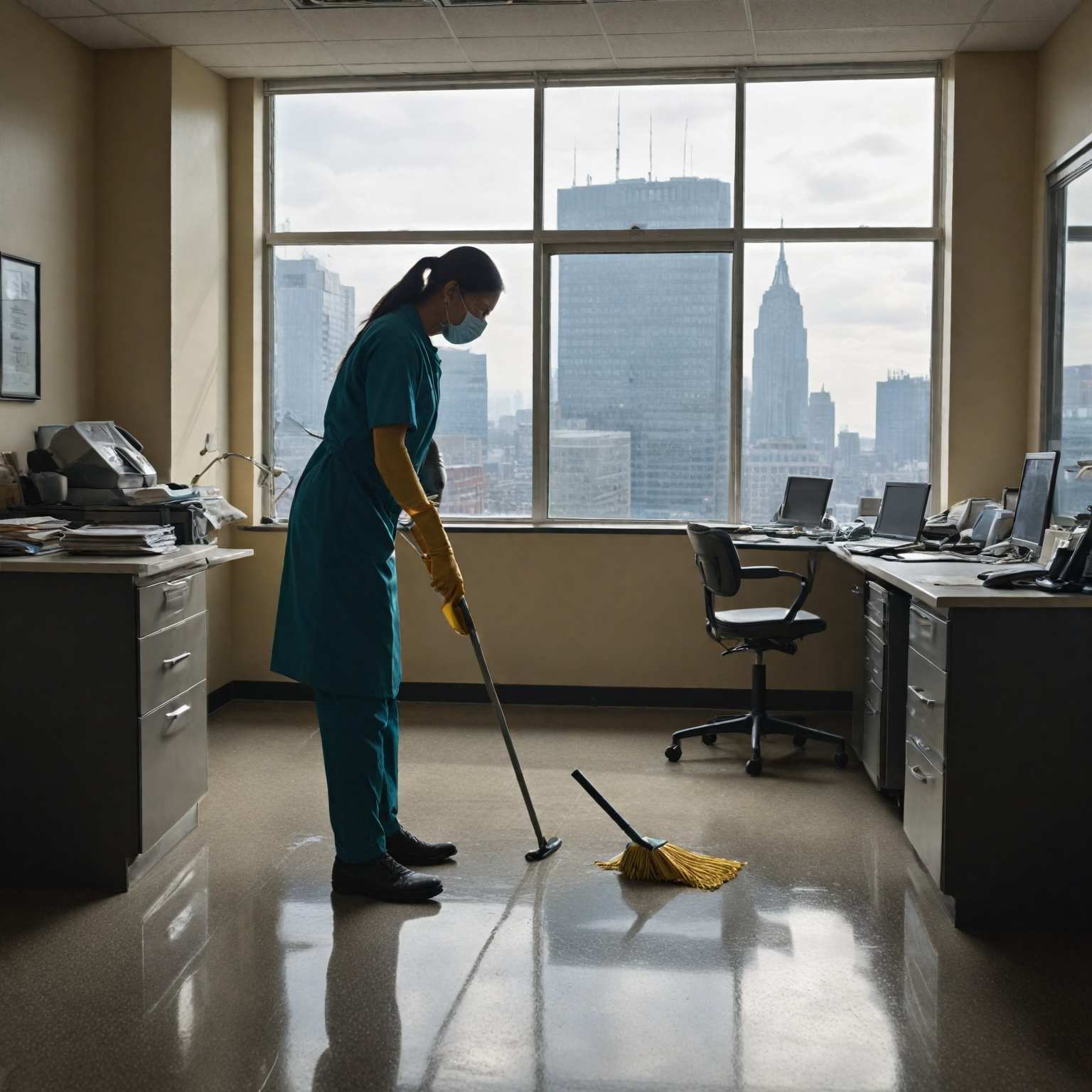
Night shift cleaning roles involve maintaining cleanliness and sanitation in various facilities after business hours to ensure readiness for the next day. Tasks include sweeping, mopping, vacuuming, disinfecting, and restroom cleaning. Workers often operate with limited supervision, requiring adaptability and safety awareness. These jobs span multiple industries such as healthcare, hospitality, and security, offering flexible schedules and higher pay through shift differentials. However, challenges include physical strain, disrupted sleep, social isolation, and safety risks, particularly for female workers.
Health concerns linked to night shifts include sleep disorders, cardiovascular and metabolic problems, and mental health issues like anxiety and depression. Employers emphasize safety protocols, proper equipment use, and scheduling practices to reduce fatigue and injury. Effective communication and teamwork support well-being and productivity. Career advancement is possible through skill diversification and professional development.
Qualifications, Skills, and Working Conditions
Most night shift cleaning positions require minimal formal education, often a high school diploma or none, and knowledge of cleaning materials and safety. Physical fitness is essential due to tasks like lifting, bending, and standing for long periods. Attention to detail, communication, and flexibility for nights, weekends, and holidays are important. Safety practices include using personal protective equipment (PPE) and understanding emergency procedures.
Work typically occurs overnight, allowing thorough cleaning without daytime disruption. Shifts often last up to eight hours but may require extended hours with night pay between 6 p.m. and 6 a.m. Employers provide safety training, PPE, and encourage ergonomic practices. Night shifts can strain social and family life, and working in teams enhances safety and communication.
Common Tasks and Benefits
Night cleaners perform sweeping, mopping, vacuuming, dusting, trash removal, restroom sanitation, and touchpoint disinfection. They may also handle deep cleaning, minor repairs, supply replenishment, and end-of-shift inspections. Collaboration and clear handovers ensure smooth operations. Some facilities divide duties between day and night shifts for efficiency.
Benefits include higher pay through night differentials, flexible schedules accommodating personal needs, and quieter work environments enabling efficient cleaning. Night shifts reduce daytime hazards exposure and can offer peaceful conditions despite challenges.
Challenges and Health & Safety Considerations
Night shift cleaners face health issues from disrupted sleep, including increased risks of cardiometabolic diseases, cognitive impairments, and mental health problems. Safety concerns are significant due to isolated work and limited emergency support; many female workers report feeling unsafe or experiencing harassment. Social and family life often suffer from irregular schedules and fatigue, contributing to emotional distress.
Employers must ensure safe environments by maintaining equipment, providing PPE, scheduling hazardous tasks early, and training workers on safety protocols. Use of communication devices and teamwork is vital. Night work disrupts circadian rhythms, increasing fatigue and accident risk, requiring monitoring and support from management. Maintaining sanitation standards promotes health for both staff and clients.
Labor Laws and Regulations
Labor laws protect night shift cleaners by mandating night pay for hours worked between 6 p.m. and 6 a.m., typically as a percentage or flat rate increase. Standard shifts are usually eight hours, five days a week, with night shifts considered extended hours. Safety regulations require minimizing exposure to hazards, scheduling demanding tasks early, and enforcing use of PPE. Proposals exist to move cleaning to daytime for better worker health, though night work remains essential for many industries. Employers must create schedules that comply with labor standards and support worker welfare.
Strategies for Success and Career Advancement
Success in night shift cleaning depends on managing sleep and circadian rhythms, maintaining physical activity, a balanced diet, and social support. Safety is improved by working in groups, using communication devices, following safety protocols, and ensuring proper equipment use. Clear communication with supervisors and adherence to checklists enhance efficiency.
Career growth involves skill diversification in eco-friendly products, advanced cleaning technologies, and specialized services. Certifications and ongoing training enable advancement to supervisory or entrepreneurial roles. Effective communication and teamwork further support professional development and process improvements.
Resources and Support
Access to support from family, coworkers, and mental health professionals is important for managing night shift challenges. Employers may offer flexible scheduling, training programs, and a supportive environment to enhance job satisfaction and retention. Safety training, equipment maintenance, and performance feedback are essential components of workplace support and professional growth in the cleaning industry.
The content is provided by Jordan Fields, Direct Bulletins