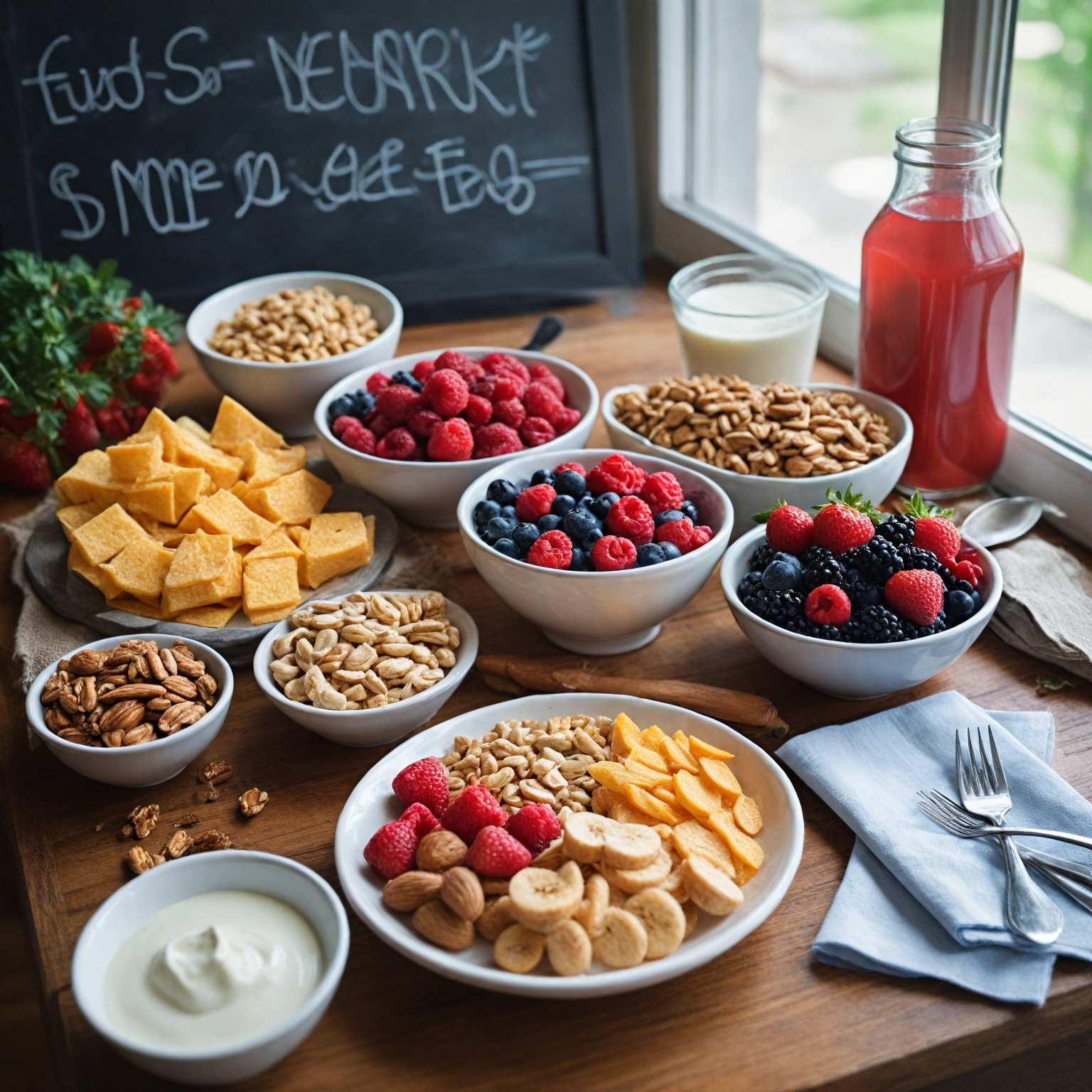
Highlights
- Targeted snacking can significantly aid in managing blood glucose and preventing complications.
- Explore innovative, low glycemic snacks that enhance metabolic health and support diabetes management.
Summary
What You Should Know About Snacks That Help Control Blood Sugar Levels in 2025 explores the growing importance of targeted snacking in managing blood glucose, particularly for individuals with diabetes and prediabetes. Maintaining stable blood sugar levels is critical for preventing complications such as cardiovascular disease and metabolic disorders, making dietary strategies—including snack choices—a key component of comprehensive blood sugar management. This topic is increasingly notable as new research highlights how specific nutrients and food combinations can modulate glycemic responses, improve insulin sensitivity, and support overall metabolic health.
The article reviews the role of snacks containing protein, fiber, and healthy fats, which collectively slow carbohydrate absorption and promote satiety, thereby stabilizing postprandial blood glucose levels. Commonly recommended snacks include nuts, seeds, yogurt with berries, and fiber-enriched products, all formulated to deliver low glycemic impact and functional benefits. Advances in food processing and novel ingredients, such as rare sugars like allulose and whole grain blends optimized for low glycemic indices, are shaping the development of next-generation blood sugar-friendly snacks.
Emerging clinical evidence supports the strategic timing and composition of snacks to leverage phenomena like the “second-meal effect,” whereby a fiber-rich snack can reduce glucose spikes after subsequent meals. These insights underscore the potential of thoughtful snacking as an adjunct to traditional diabetes therapies, offering non-pharmacologic means to improve glycemic control and reduce reliance on medications with adverse effects. At the same time, the article addresses potential risks, including the impact of hidden sugars, oversized portions, and the consumption of processed snacks that may worsen glycemic variability.
Looking ahead, the article highlights evolving consumer trends, regulatory developments, and technological innovations—such as personalized nutrition guided by artificial intelligence—that promise to further tailor snack choices to individual glycemic needs. Collectively, these factors position blood sugar-friendly snacks not only as a dietary tool but also as a dynamic field integrating nutrition science, food technology, and personalized health management in 2025 and beyond.
Importance of Blood Sugar Control
Managing blood sugar levels is crucial for maintaining overall health, particularly for individuals with diabetes. Proper blood sugar control helps prevent complications associated with high glucose levels and reduces the risk of developing chronic diseases such as heart disease and cancer. Beyond merely focusing on blood sugar, it is important to address other cardiovascular and oncological risk factors to achieve optimal health outcomes.
A key component of managing blood sugar involves understanding how different foods affect glucose regulation. The glycemic index, which measures how carbohydrate-containing foods raise blood sugar, serves as a useful tool in selecting appropriate snacks and meals that promote stable blood glucose levels. Nutritional management plays a strategic role in preventing and managing type 2 diabetes mellitus (T2DM) by targeting glycemic regulation and the underlying metabolic disturbances.
Adopting a healthy lifestyle that includes a balanced diet, regular physical activity, and adherence to prescribed medications can significantly reduce the risk of chronic conditions associated with poor blood sugar control. Monitoring blood sugar levels and choosing snacks that support glycemic stability are practical steps toward preventing diseases like diabetes and heart disease.
Role of Diet in Blood Sugar Regulation
Nutritional management plays a critical role in the prevention and control of blood glucose levels, especially in the context of type 2 diabetes mellitus (T2DM). The impact of carbohydrate-containing foods on blood sugar is influenced by multiple factors, including the type of carbohydrate, food form, dietary fiber content, and the presence of components that affect digestion and absorption. Understanding these factors is essential for designing diets that promote glycemic stability.
The glycemic index (GI), which measures how quickly carbohydrate-containing foods raise blood sugar levels, is a useful tool in dietary planning. Research indicates that consuming low glycemic index foods can aid in managing blood sugar and body weight effectively. Additionally, the second-meal phenomenon suggests that the glycemic response to a meal is influenced by the composition of previous meals, particularly those high in dietary fiber, which can reduce glucose spikes in subsequent meals.
Snacks play an important role in blood sugar regulation by providing steady energy and preventing large fluctuations. Ideal snacks should contain a combination of protein, fiber, and healthy fats, all of which help stabilize blood sugar levels. Conversely, certain common dietary pitfalls should be avoided to prevent blood sugar disruption. These include consuming sugary drinks such as sodas and sweetened juices, choosing processed snacks high in unhealthy fats and refined carbohydrates, and ignoring portion control, as overeating—even healthy snacks—can adversely affect glycemic control.
Key Nutritional Components in Blood Sugar-Friendly Snacks
Snacks designed to help control blood sugar levels focus on incorporating specific nutritional components that contribute to stabilizing glucose and improving overall metabolic health. The primary elements emphasized in such snacks include protein, fiber, and healthy fats, each playing a crucial role in glycemic regulation.
Protein
Protein is a fundamental component in blood sugar-friendly snacks due to its ability to provide long-lasting energy and support muscle repair without causing rapid spikes in blood glucose levels. High-protein snacks have been shown to increase insulin sensitivity, allowing cells to absorb glucose more efficiently and thereby lowering blood sugar levels. Additionally, protein intake at meals and snacks can influence postprandial glucose control by moderating the rate at which glucose enters the bloodstream. Sources of protein recommended for blood sugar management include nuts (such as almonds, walnuts, and pecans), hard-boiled eggs, yogurt, cottage cheese, and lean animal proteins. Combining protein with fruits or vegetables, such as pairing cottage cheese with berries, enhances both flavor and nutritional benefits.
Healthy Fats
Inclusion of healthy fats, particularly monounsaturated and polyunsaturated fats, is important in snacks aimed at blood sugar control. These fats help slow carbohydrate absorption, reduce glycemic response, and improve insulin sensitivity. Nuts and seeds are prime sources of healthy fats and are often recommended as convenient snack options due to their favorable fat profile and minimal carbohydrate content. Avocado is another notable source, providing both fiber and heart-healthy monounsaturated fats. Care should be taken to avoid snacks high in saturated fats, which may impair insulin sensitivity and worsen blood sugar management.
Fiber
Dietary fiber is another key nutrient that helps regulate blood sugar by slowing the digestion and absorption of carbohydrates, leading to a lower glycemic response. High-fiber foods, including fruits, vegetables, legumes, whole grains, and fiber-enriched snacks containing ingredients like guar gum and fenugreek, contribute to maintaining stable blood glucose levels throughout the day. The viscosity of certain soluble fibers can further reduce the rate of glucose absorption, enhancing their beneficial effects on glycemic control. Fiber also aids in the second-meal phenomenon, whereby consuming fiber-rich snacks between meals can improve glucose tolerance at subsequent meals. Additionally, fiber’s role in promoting gut health and satiety supports sustained energy and appetite regulation.
Additional Considerations
Low or no added sugars are essential in blood sugar-friendly snacks since hidden sugars can rapidly elevate blood glucose levels. Natural sweeteners with low glycemic effects, such as stevia or organic coconut nectar, are preferred alternatives. Furthermore, probiotics found in fermented foods like yogurt may improve sugar metabolism, offering an added benefit for blood sugar regulation. When selecting or formulating snacks, attention to the glycemic index (GI) and glycemic load (GL) can guide choices toward those with lower impacts on blood glucose. Combining carbohydrates with protein, fiber, and healthy fats is a strategic approach to lowering the glycemic response and enhancing metabolic outcomes.
Categories of Snacks That Help Control Blood Sugar
Snacks that support blood sugar control typically contain a combination of protein, fiber, and healthy fats, which work synergistically to stabilize blood glucose levels and prevent spikes. These nutrients slow carbohydrate absorption, improve insulin sensitivity, and promote satiety, making them beneficial for managing conditions such as diabetes and prediabetes.
Nuts and Seeds
Nuts such as almonds, walnuts, pecans, cashews, pistachios, and hazelnuts are rich in healthy fats, protein, and fiber, making them ideal snacks to help control blood sugar. Their low carbohydrate content and abundance of heart-healthy monounsaturated fats contribute to a moderated glycemic response and improved cholesterol levels. Seeds, including chia seeds, flaxseeds, and pumpkin seeds (pepitas), provide omega-3 fatty acids and soluble fiber, which aid in slowing sugar absorption and supporting cardiovascular health. For example, two tablespoons of chia seeds supply 10 grams of fiber and 6 grams of protein, making them a potent option for blood sugar management.
Protein-Based Snacks
High-protein snacks can increase insulin sensitivity and promote fullness, which helps regulate blood glucose levels and assists with weight management. Animal-based proteins such as hard-boiled eggs, tuna, and various cheeses (e.g., cottage cheese, ricotta, mozzarella) are particularly effective due to their low carbohydrate content and high nutrient density. Eggs, for instance, are nutrient-dense, gluten-free, and low-glycemic, making them suitable for those with diabetes or prediabetes. Combining proteins with fiber-rich fruits or vegetables further enhances blood sugar control by slowing digestion and absorption.
Fruits and Vegetables Paired with Protein or Healthy Fats
Fruits and vegetables provide essential vitamins, minerals, antioxidants, and fiber, which help manage hunger, blood sugar, and cholesterol levels. However, because some fruits have moderate glycemic indexes, pairing them with protein or healthy fats is recommended to lower their overall glycemic impact. Examples include apple slices with almond or peanut butter, berries mixed with yogurt, or avocado paired with nuts or seeds. Avocado, rich in monounsaturated fats and fiber, is a particularly beneficial option that helps moderate glycemic responses.
Functional and Fiber-Rich Snack Innovations
The snack industry is evolving to include functional ingredients such as whole grains, soluble fibers (e.g., chicory root, beta-glucans), and blends of nutrient-dense grains like amaranth, acha, and pearl millet, which offer low glycemic indices and high protein content. These innovations aim to create snacks that not only satisfy hunger but also promote gut health and blood sugar stability. Products like fiber-enriched bars, shakes, and cereals are increasingly formulated to support these benefits.
Clinical Evidence and Research
Recent clinical studies and nutritional research have highlighted the significant role that strategic snacking can play in the management of blood glucose levels, especially in individuals with prediabetes and type 2 diabetes. Unlike traditional approaches that recommended frequent small meals to maintain glycemic stability, emerging evidence suggests that purposeful and well-timed snacks can more effectively control postprandial glucose excursions.
One randomized controlled trial published in 2025 demonstrated that daily intake of mango, a fruit rich in bioactive compounds, improved glycemic outcomes and body composition in adults with prediabetes. This finding supports the potential of certain fruits, when consumed as snacks, to contribute positively to glucose regulation without adverse effects typically associated with some pharmacologic agents.
Dietary fiber-enriched snacks have garnered particular attention due to their impact on glucose metabolism via the “second-meal phenomenon,” where the glycemic response to a subsequent meal is improved by the composition and timing of a prior snack. Clinical experiments have shown that consuming fiber-rich biscuits, supplemented with mulberry or barley leaves four hours before dinner, significantly reduced postprandial glucose spikes in young adults. This effect is believed to stem from the viscosity and bioavailability of dietary fibers, which modulate glucose absorption and gastric emptying, thereby enhancing insulin responsiveness.
Additionally, research emphasizes the importance of snack composition, advocating for the inclusion of protein, fiber, and healthy fats to stabilize blood sugar levels effectively. Snacks made from optimized blends of whole grains such as amaranth, acha, and pearl millet have been developed to provide high protein content and low glycemic indices, making them suitable functional foods for blood glucose control. Such functional snack products are increasingly used as carriers of bioactive compounds that support metabolic health beyond basic nutrition.
While the detailed biochemical mechanisms underlying these clinical observations are still being elucidated, current studies strongly indicate that thoughtful snacking strategies can serve as practical adjuncts to conventional diabetes management, potentially reducing reliance on medications that carry the risk of side effects. This evolving evidence base underscores the growing interest in nutrition-focused approaches to glycemic control supported by rigorous scientific research.
Functional Ingredients and Emerging Components in Blood Sugar-Friendly Snacks
Snacks designed to help control blood sugar levels increasingly incorporate a variety of functional ingredients that work synergistically to provide nutritional benefits while maintaining glycemic balance. Key components include protein, fiber, and healthy fats, which together stabilize blood glucose and enhance satiety. Fiber-enriched snacks often utilize ingredients such as guar gum and fenugreek, known for their capacity to support blood sugar regulation and offer convenient options for on-the-go consumption.
One promising emerging ingredient is allulose, a low-calorie rare sugar that imparts sweetness without significantly impacting blood glucose levels. This makes allulose an attractive option for diabetic-friendly, weight management, and sports nutrition products, potentially shaping the future of supplement formulations globally. Alongside sweeteners, fruits with low glycemic indexes are recommended in moderate portions due to their nutrient density and fiber content, contributing positively to blood sugar control when consumed throughout the day.
The drive for innovation has also led to the integration of fiber-rich food components like chicory root and oat beta-glucans into meal replacements and beverages, which not only support gut health but also help stabilize blood sugar. Popular snack brands have responded by enhancing their products with soluble fibers, improving their functionality for blood glucose management. Functional cereals and smoothie mixes are similarly reformulated to deliver higher fiber content.
Certain nutrient-dense seeds and nuts serve as functional snack ingredients due to their protein and fiber content, both essential for blood sugar regulation. For example, chia seeds provide approximately 10 grams of fiber and 6 grams of protein per two tablespoons, creating a pudding-like snack when mixed with milk. Adding cinnamon and fiber-rich fruits like berries further enhances blood sugar control, though care must be taken to avoid added sugars that could counteract these benefits. Almonds and hummus also contribute a favorable nutrient profile with low carbohydrates and beneficial fats that support glycemic management, while yogurt combined with berries offers probiotics and fiber, aiding sugar metabolism and stabilization.
Starches with specific glycemic properties are utilized to optimize blood sugar control, as demonstrated by the use of uncooked cornstarch to reduce nocturnal hypoglycemia in children with type 1 diabetes. Additionally, underutilized seeds processed into snacks such as popcorn are recognized for their low glycemic index, rich mineral content, and beneficial amino acid profiles, making them suitable for individuals with diabetes and cardiovascular conditions.
Beyond macronutrients, there is growing interest in the role of herbal extracts in blood sugar regulation. These bioactive compounds, often used alongside standard medications, have demonstrated potential to lower blood glucose levels and mitigate diabetes complications. Future research is expected to focus on isolating and characterizing these active substances to harness their full therapeutic potential.
Advanced Food Processing and Formulation Technologies
The development of snacks aimed at controlling blood sugar levels has significantly benefited from advancements in food processing and formulation technologies. These innovations focus on optimizing the nutritional profile, reducing harmful compounds, and enhancing the functional benefits of snack products.
One notable approach is the utilization of whole grain blends, such as amaranth, acha, and pearl millet flours, optimized through response surface methodology (RSM). These blends are designed to achieve a high protein content while maintaining a low glycemic index, which is critical for blood sugar management. This formula optimization ensures that snacks not only provide sustained energy but also minimize postprandial glucose spikes.
In the realm of frying technologies, advanced methods like low-temperature finish frying (LTFF) and continuous vacuum frying offer precise control over cooking conditions such as temperature and pressure. This precision allows for the preservation of texture and flavor while
Practical Guidelines for Selecting and Preparing Blood Sugar-Friendly Snacks
Choosing and preparing snacks that help control blood sugar levels requires attention to nutrient composition, portion sizes, and timing. Incorporating protein, fiber, and healthy fats into snacks is essential for stabilizing blood glucose and preventing sharp spikes, which may contribute to the development of heart disease and diabetes.
Nutrient Composition
Effective blood sugar-friendly snacks combine ingredients that work synergistically to regulate glucose metabolism. Protein is critical for muscle repair and provides sustained energy, helping to prevent postprandial blood sugar surges. Including dietary fiber, especially viscous fibers that thicken in the digestive tract, can slow glucose absorption and attenuate post-meal glycemic responses. Healthy fats, such as those found in nuts and seeds, not only support heart health but also contribute to glycemic control by lowering the glycemic index (GI) of the snack.
Examples of such balanced snacks include yogurt paired with berries, which offers probiotics and fiber that enhance sugar metabolism, and almonds, which provide magnesium important for glucose regulation and help reduce bad cholesterol. When selecting packaged snacks, it is advisable to choose options with minimal added sugars and natural sweeteners like organic coconut nectar or stevia to avoid rapid blood sugar spikes.
Portion Control and Timing
Portion control is paramount to ensure that even healthy snacks do not lead to blood sugar disruptions. Overeating high-carbohydrate foods, regardless of their fiber content, can negatively impact glucose levels. Therefore, snacks should be measured and planned to fit within overall dietary goals.
Additionally, the timing of snack consumption plays a significant role. Consuming snacks at appropriate intervals, such as between lunch and dinner, has been shown to effectively reduce postprandial glucose excursions in subsequent meals, contributing to better overall glycemic control.
Avoiding Common Pitfalls
To maximize the blood sugar benefits of snacks, certain common mistakes should be avoided. Sugary drinks and processed snacks like chips, candy, and pastries are typically high in refined carbohydrates and unhealthy fats, which can cause rapid blood sugar spikes and should be limited. Furthermore, consumers should be vigilant about hidden sugars in foods and opt for snacks that support their blood sugar goals without compromising taste or satiety.
Emerging Trends
The perception of snacks is evolving, with many consumers now viewing them as integral components of a healthy lifestyle rather than indulgent extras. This shift is reflected in the growing popularity of better-for-you (BFY) snack segments, which emphasize low-sugar content and functional benefits such as added protein, fiber, and immune support—attributes that align with blood sugar management strategies.
By following these practical guidelines—focusing on balanced nutrient content, mindful portioning, strategic timing, and informed food choices—individuals can select and prepare snacks that effectively support blood sugar control and overall health.
Potential Risks, Side Effects, and Contraindications
Snacking to manage blood sugar levels requires careful consideration, as certain practices and snack choices can lead to adverse effects. One significant risk of frequent snacking, especially on high-carbohydrate or sugary foods, is the rapid spike in blood glucose followed by a compensatory insulin surge. This cycle often results in a subsequent “sugar crash,” characterized by lowered energy levels and increased hunger, which may encourage further unhealthy snacking and contribute to metabolic dysregulation over time. Persistently elevated blood glucose and insulin levels may increase the risk of insulin resistance, obesity, and vascular complications.
Moreover, many common snack options can exacerbate blood sugar fluctuations. Sugary drinks such as sodas and sweetened juices cause rapid glucose spikes and are generally discouraged. Processed snacks including chips, candy, and pastries tend to be high in refined carbohydrates, added sugars, and unhealthy fats, which negatively affect glycemic control. Additionally, ignoring portion sizes—even when consuming healthier snacks—can lead to excessive caloric intake and disrupted blood glucose levels.
Certain individuals may experience contraindications or heightened sensitivity to specific snack ingredients. For example, foods rich in fiber and protein generally provide better blood sugar regulation, but excessive intake of some fiber supplements or additives (such as guar gum) without proper hydration might cause digestive discomfort. It is also important to consider personal tolerance and possible allergies when selecting snacks intended for blood sugar control.
Finally, while low-glycemic index (GI) snacks have a more moderate impact on glucose levels and are often less processed with higher protein, fiber, and healthy fat content, relying solely on snacks rather than balanced meals can be counterproductive. Most experts recommend minimizing snacking frequency and focusing on a small number of larger, nutrient-dense meals to achieve stable blood glucose and insulin levels throughout the day.
Future Trends and Outlook for Blood Sugar Management Snacks
The landscape of snacks designed to help control blood sugar levels is rapidly evolving, driven by advances in ingredient innovation, consumer demand, and regulatory frameworks. One notable trend is the increasing use of functional ingredients and whole grain blends optimized for their nutritional and glycemic benefits. For example, flours from amaranth, acha, and pearl millet have been combined using response surface methodology to create blends with high protein content and low glycemic index, enhancing the potential for blood sugar stabilization in snack products.
With snacking becoming more prevalent, there is a growing market for snacks that support blood sugar management throughout the day, such as functional midday or energy snacks. Regulatory standards now allow certain health claims on conventional food packaging, including bakery items, nutrition bars, cereals, and pastas, which helps manufacturers innovate and market snacks with functional benefits more effectively.
The emergence of novel sweeteners like allulose is also shaping future formulations. Industry experts highlight that ongoing developments in the regulatory environment surrounding these sweeteners will influence how they are incorporated into blood sugar-friendly snacks and supplements worldwide. At the same time, the confectionery industry is adapting to new consumer behaviors, especially among users of GLP-1 medications that modulate appetite and reduce sugar cravings. Brands are responding with “GLP-1-friendly” products that align with these shifting preferences, signaling a broader change in how sweetness and blood sugar management are approached.
Technological advances are poised to further transform blood sugar management through personalized nutrition. Artificial intelligence (AI) tools are becoming capable of analyzing individual glucose patterns, dietary intake, and lifestyle factors to provide tailored snack recommendations that optimize blood sugar control. While promising, these technologies are viewed as complementary to professional healthcare guidance rather than replacements.
Additionally, manufacturers are adopting advanced processing technologies to improve the safety and quality of blood sugar management snacks, such as methods to minimize acrylamide formation without sacrificing texture or flavor. Together, these trends suggest a future where snacks not only support stable blood glucose but also cater to personalized health needs and preferences, integrating scientific innovation with consumer lifestyle demands.
The content is provided by Sierra Knightley, Direct Bulletins