Highlights
- Senior bungalows provide accessible, independent living designed for older adults' unique needs.
- Renting these homes supports community engagement and offers legal protections for seniors.
Summary and Overview of Senior Bungalows
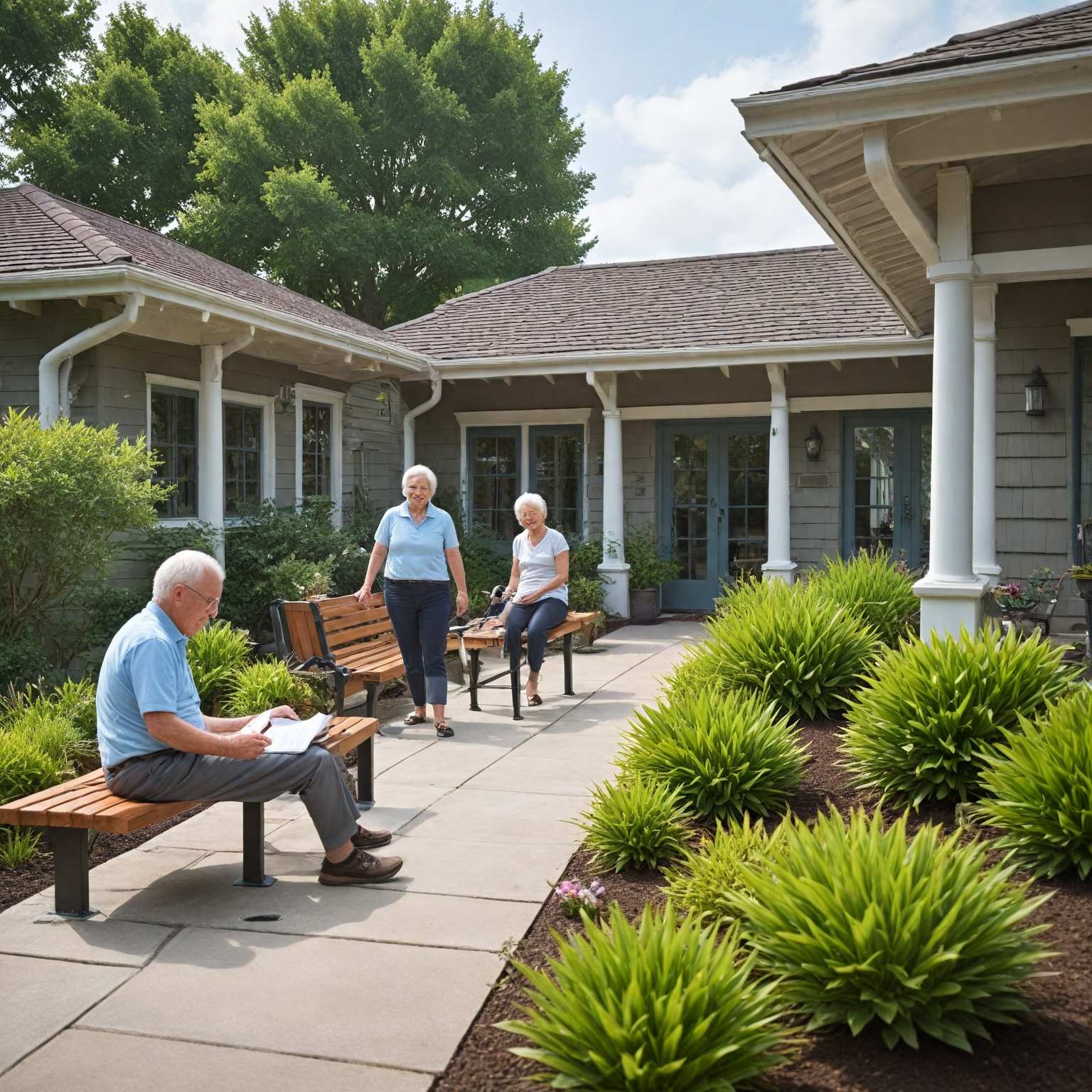
Senior bungalows are single-level, standalone homes designed for adults aged 55 and older, featuring accessibility and safety elements like step-free entries and wide doorways. Often part of retirement communities, they offer privacy, independence, and social engagement, making them a preferred alternative to apartment-style senior housing. In 2025, demand for rental senior bungalows remains strong, especially in urban and suburban areas, with occupancy rates frequently exceeding 90%. Rental price growth has moderated due to affordability concerns. Legal protections help prevent discrimination and unfair eviction, and renters should consider lease terms, accessibility, and community services when choosing a bungalow. Demographic trends, including the rising population aged 80 and over, support ongoing growth and innovation in this housing sector.
Renting Senior Bungalows in 2025
Senior bungalows appeal to retirees seeking accessible, low-maintenance living with features like walk-in showers and step-free access. Many are located in retirement communities offering amenities and social opportunities. The rental market is competitive, with dynamic pricing and high occupancy rates (90-93%) even amid rising interest rates. Rent growth has stabilized, reflecting residents’ affordability concerns, especially for smaller units. Proximity to healthcare, shopping, and transportation remains important, along with wellness services and outdoor spaces. Renters should carefully review leases and care provisions, as some communities restrict access based on health needs.
Amenities, Accessibility, and Safety
Senior bungalows typically include utilities in rent and offer services such as dining, transportation, housekeeping, and laundry. Wellness facilities like fitness centers and swimming pools are common, alongside technology-enhanced features such as smart systems and on-site clinics. Accessibility standards require step-free entries, wide doorways, and common areas compliant with federal laws. Safety features include handrails, ramps, emergency buttons, and security cameras. Assistive technologies and robotics support independence, while modifications must comply with regulations and landlord approvals. These features promote a safe, accessible living environment tailored to seniors’ needs.
Legal and Financial Considerations
Senior renters are protected by laws prohibiting discrimination and ensuring accessible common areas. Tenant rights include protection from harassment and unfair eviction, with strengthened penalties in 2025. Landlords must accommodate safety needs like handrails and ramps. Financially, rents often cover services and maintenance in all-inclusive packages, though assisted living may require upfront costs. Rent growth has stabilized around 4% annually, with new developments expected due to improved financing. Landlords must follow state regulations on security deposits and rental limits to protect tenants.
Benefits and Challenges
Renting senior bungalows offers flexibility, independence, and accessibility, with many communities providing social engagement and support. Assisted living bungalows add daily care without intensive medical services. Modern amenities and technology enhance residents’ quality of life. Legal protections ensure tenant security and peaceful enjoyment. Challenges include managing slowed rent growth amid inflation fatigue, enhancing safety modifications, and navigating competitive markets with high occupancy. Leasing terms like automatic renewals require careful review. Operators must balance financial goals with resident satisfaction in a complex market.
Future Outlook
The senior housing market is set to grow with a projected 47% increase in Americans aged 80+ over the next decade, driving demand for senior bungalows. New developments are expected as financing improves, though loan maturities may affect investment strategies. Future housing will emphasize independence, wellness, accessibility, and technology integration. Rental prices are normalizing with slower growth, especially for smaller units, maintaining senior bungalows’ appeal as affordable, accessible options compared to other senior living formats.
The content is provided by Jordan Fields, Direct Bulletins