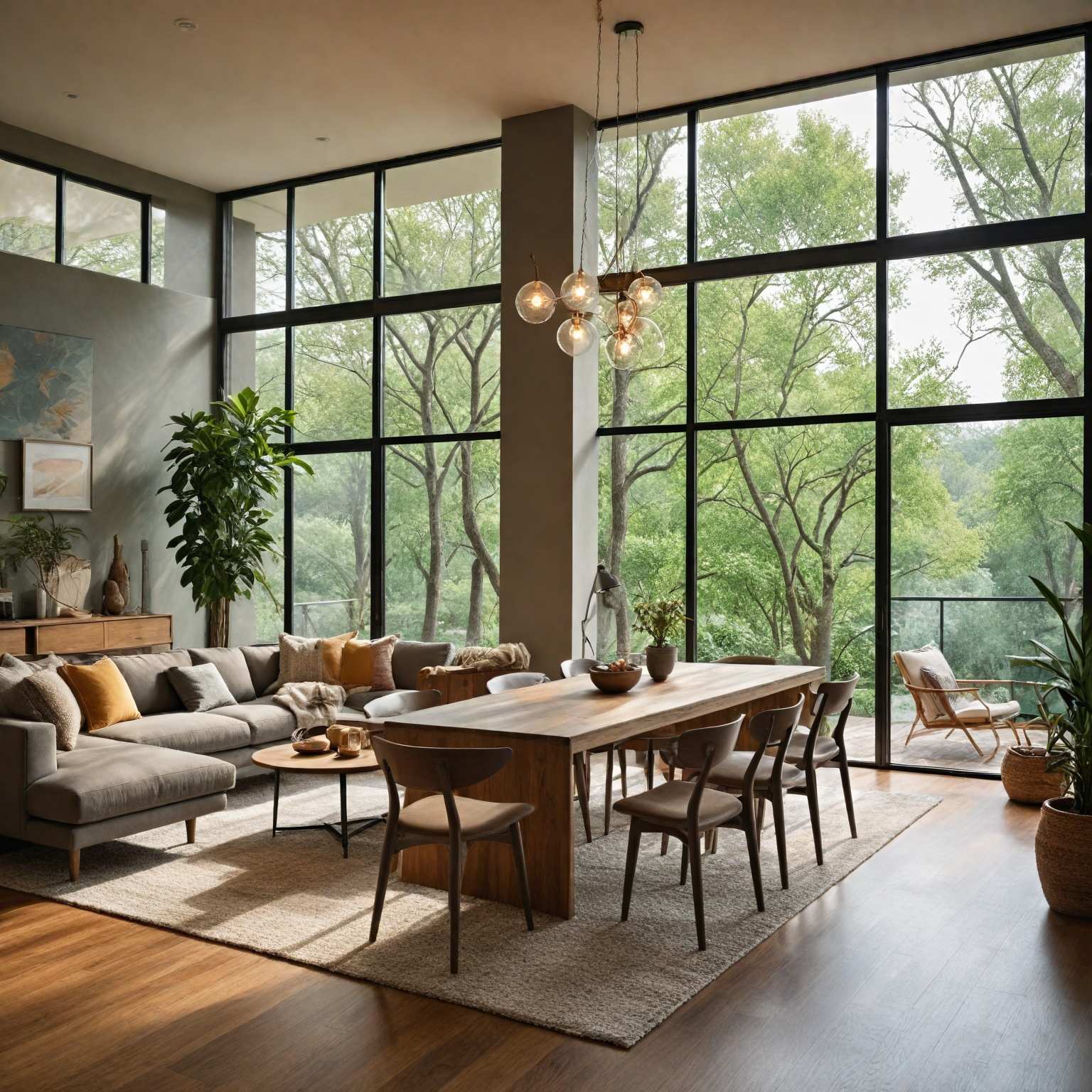
Highlights
- Eco-friendly materials and smart technologies are driving 2025 home renovation trends.
- Homeowners can achieve comfort and efficiency by integrating innovative design solutions.
Summary
Home renovation trends in 2025 reflect a convergence of sustainability, smart technology integration, and innovative design tailored to contemporary lifestyles. With nearly half of homeowners planning renovation projects this year, the market is witnessing a strong shift toward eco-friendly materials such as bamboo flooring, recycled metals, and low-VOC paints, alongside energy-efficient installations like solar panels, LED lighting, and tankless water heaters. These efforts not only aim to reduce environmental impact but also enhance indoor air quality and water conservation, aligning with growing environmental concerns and health awareness.
Smart home technology plays a transformative role in 2025 renovations, offering centralized control over lighting, climate, and security systems through AI and Internet of Things (IoT) advancements. Homeowners benefit from automation, remote access via smartphones, and health-focused devices like smart air purifiers, which collectively improve comfort, efficiency, and wellness. Despite this growth, smart home integration faces challenges including high costs, usability complexities, compatibility issues, and significant privacy and security concerns, which continue to impact widespread adoption.
Design trends in 2025 emphasize versatility and bold aesthetics, with maximalism’s rich color palettes and layered lighting coexisting alongside warm, earthy tones and natural materials. There is a renewed appreciation for classic styles blended with modern sensibilities, featuring multifunctional furniture and organic shapes that balance comfort with sophistication. Key renovation focuses remain on kitchens and bathrooms, where durable materials meet smart technologies, and indoor-outdoor living spaces gain prominence through innovative spatial designs that foster connectivity with nature.
Economically, these renovation trends drive robust market activity, with consumer spending on home improvements expected to surpass $470 billion in 2025. While sustainability and smart technology adoption promise long-term savings and environmental benefits, upfront costs and technical barriers require careful consideration. The evolving landscape also influences the choice between DIY projects and professional services, as specialized expertise is often necessary to navigate complexities related to eco-friendly materials, certifications, and durability. Together, these dynamics position 2025 as a pivotal year in advancing sustainable, intelligent, and personalized home environments.
Overview of Home Renovation Trends in 2025
Home renovation trends in 2025 are shaped by a strong emphasis on sustainability, smart technology integration, and innovative design choices that cater to modern lifestyles. Nearly half of homeowners plan to undertake renovation projects this year, reflecting a growing interest in upgrading living spaces to align with contemporary needs and environmental considerations. Sustainability remains a central theme, with eco-friendly materials such as bamboo flooring, recycled metals, and low-VOC paints gaining popularity. These materials not only reduce environmental impact but also promote healthier indoor environments. Energy-efficient solutions, including solar panels, energy-efficient windows, LED lighting, and tankless water heaters, are widely adopted to lower utility bills and minimize carbon footprints. Water conservation is another important focus, with smart water management systems, low-flow fixtures, and touchless faucets becoming common to reduce waste without sacrificing performance.
Smart home technology is transforming how renovations are approached, offering homeowners enhanced control, convenience, and efficiency. Integrated smart systems allow centralized management of lighting, heating, cooling, and security through intuitive control panels or voice commands. These systems enable room-specific temperature adjustments, preset lighting scenes for different occasions, and automation of routine tasks, all accessible remotely via smartphone apps. Advancements in AI and IoT further enhance connectivity between devices, enabling seamless communication that optimizes energy use and improves comfort. Health-focused technologies, such as smart air purifiers and environmental sensors, contribute to maintaining indoor air quality and overall well-being.
Design trends emphasize versatility and style, with multifunctional furniture incorporating technology without compromising aesthetics. Bold color schemes and layered lighting that highlight architectural features are gaining traction among homeowners seeking personalized, statement-making interiors. The integration of smart home features continues to rise, with nearly one-fifth of households expected to have at least one type of smart system installed by 2025, reflecting the expanding role of technology in everyday living.
Popular Renovation Styles and Interior Design Trends
In 2025, home renovation and interior design are characterized by a vibrant mix of bold colors, natural materials, and a renewed appreciation for classic styles blended with modern elements. A dominant theme this year is the celebration of individuality and creative expression, reflected in several popular renovation styles and trends.
Maximalism and Bold Color Palettes
One standout trend is the resurgence of maximalism, encouraging abundance, complexity, and unapologetic self-expression. This approach favors rich jewel tones such as emerald green, sapphire blue, and amethyst purple, which add luxury and opulence to interiors. These vibrant hues work well as accent colors or focal points, creating dramatic and visually exciting spaces. The “Mix and Maximalist” style embraces a colorful, eclectic aesthetic that breaks from minimalist norms by combining various textures, patterns, and colors. It advocates layering contrasting rich hues—deep reds, blues, purples, and oranges—with playful pastel accents to craft unique and personality-filled environments. Some designers caution about potential drawbacks, including maintenance challenges and visual fatigue, especially when trends such as wine walls or ultra-specific storage solutions limit future renovation flexibility.
Warm, Earthy, and Natural Palettes
Alongside maximalism, there is a strong movement towards warmth and natural materials. Homeowners and designers are shifting from cool whites and grays toward warm off-whites, beiges, tans, and creams, fostering cozy and inviting atmospheres. Earth tones, including terracotta, browns, and muted greens inspired by eucalyptus and olive leaves, are particularly popular. These shades often carry neutral undertones, making them versatile for cabinetry, walls, and millwork, contributing to calm and restful spaces. Biophilic design remains influential, emphasizing organic materials and greenery to create a closer connection to nature indoors. Natural wood, reclaimed materials such as brick and metal, and sustainable, repurposed elements are increasingly used to reduce environmental impact and add authentic texture.
Classic and Timeless Design with Modern Sensibilities
A notable trend in kitchen renovations and broader home design is the embrace of classic beauty through integrating traditional details with contemporary convenience. This includes combining mixed materials like black cabinetry paired with natural oak and light countertops to create timeless yet modern looks. Such designs retain charm without feeling outdated, appealing to homeowners who value craftsmanship and enduring aesthetics. Additionally, gentle curves and rounded edges inspired by organic modern styles are gaining popularity. Elements like circular tables, bulbous sofas, arched walls, and rounded accessories contribute to a softened, sophisticated atmosphere that complements warm palettes and natural materials.
Color Trends and Palettes
Paint colors for 2025 reflect the duality of bold statements and calming neutrals. Deep, dramatic shades like Pitch Black by Farrow & Ball offer a striking contrast to lighter, airier spaces, evoking a speakeasy ambiance. Meanwhile, palettes from major brands such as Sherwin-Williams feature a nine-color capsule blending trendy pops of color—earthy browns, gray-blues, gold, mauve—with timeless neutrals like beige and white, allowing for versatile mix-and-match possibilities.
Key Rooms and Areas of Focus in 2025 Renovations
Kitchens and bathrooms remain primary focal points, blending functionality with modern aesthetics to meet evolving homeowner needs. Kitchen upgrades emphasize durable and timeless materials such as granite countertops and quartz surfaces, favored for longevity and classic appeal. Open shelving, bold tile patterns, and smart appliances introduce contemporary design elements that enhance usability and style. Additionally, woven and mesh cabinetry is gaining attention for combining beauty with practical storage solutions.
Bathroom renovations prioritize luxury and accessibility. Features like freestanding bathtubs and rain showers elevate the bathing experience, while curb-less showers cater to aging-in-place considerations. Smart bathroom technology is increasingly integrated, including high-tech toilets with self-cleaning functions, heated seats, and voice-activated showers, blending comfort and convenience. These advancements improve daily routines and contribute to healthier, more efficient living spaces.
A significant trend is the seamless integration of indoor and outdoor living areas, fostering social engagement and stronger connections to nature. Advanced materials that are durable and visually appealing enable outdoor kitchens, lounges, and entertainment areas that complement indoor environments.
Energy efficiency and smart technology enhancements are incorporated throughout these key areas. LED lighting, tankless water heaters, and smart energy systems help reduce consumption and utility bills, while advanced security systems with remote monitoring offer increased peace of mind. Smart home systems allow personalized control over lighting, temperature, and other environmental factors, supporting wellness and sustainability goals within these spaces.
Materials and Technologies in Detail
Sustainability is at the forefront of 2025 renovation trends, with strong emphasis on reclaimed and eco-friendly building materials. Reclaimed timber, recycled steel, cellulose insulation, and low-VOC paints are increasingly popular, reducing environmental impact by lowering demand for new resources and minimizing manufacturing emissions. Reusing materials already present in existing structures offers a practical way to decarbonize projects, especially in developed economies with aging building stock. These sustainable materials contribute to a greener future and offer long-term financial benefits by decreasing maintenance, energy, and water costs.
Digital tools and certification systems like LEED and BREEAM accelerate adoption of sustainable materials. Technologies such as Enscape Impact enable detailed analysis of embodied carbon and material performance, while platforms like Veras allow visualization of eco-friendly materials with lifelike rendering, facilitating better decision-making and client communication. This integration creates a data-rich ecosystem supporting smarter material choices throughout renovation.
Smart home technologies complement sustainable materials by enhancing energy efficiency and indoor comfort. Advanced energy management systems dynamically adjust heating, cooling, and lighting to minimize waste and reduce utility bills. Health-oriented technologies monitor indoor air quality, humidity, and occupant vital signs, contributing to healthier living environments. Innovations expected to define 2025 include AI-powered devices and seamless automation that integrate effortlessly into modern homes, improving daily living while conserving resources.
Heating solutions see improvements with dual systems optimizing efficiency and performance. For example, heat pump water heaters offer significant energy savings, potentially reducing annual home energy costs by $200 to $550 compared to traditional systems. These technologies underscore the trend toward combining smart functionality with sustainable design.
Spatial Design and Layout Innovations
A prominent 2025 trend is the seamless blending of indoor and outdoor spaces. Designs that straddle the boundary between inside and out foster social engagement and stronger connection to nature, facilitated by advanced materials that are aesthetically pleasing and durable, allowing elevated outdoor living areas such as modern outdoor kitchens.
Open-concept designs dominate spatial layouts, maximizing space and flow within the home. Open-concept kitchens serve as multifunctional hubs integrating cooking, dining, and socializing without traditional barriers. Success lies in smart planning balancing functionality, organization, and visual harmony with adjacent living spaces.
Contrasting the open and expansive, there is a growing appreciation for spatial intimacy and handmade, organic elements. Experts note a shift toward celebrating the human touch and natural materials, favoring earth tones and textures such as terra-cotta tiles and handcrafted concrete counters over synthetic finishes. This trend highlights a desire for warmth and craftsmanship creating inviting, tactile environments even in urban settings.
Organic modern styles with gentle curves and rounded edges complement spatial innovations. Circular tables, bulbous sofas, arched walls, and accessories soften interior layouts, creating fluid, welcoming atmospheres.
Together, these innovations emphasize balance between openness and intimacy, natural materials and advanced technology, functionality and aesthetic appeal, aiming to create homes both beautiful and deeply connected to inhabitants’ lifestyles.
Challenges and Barriers to Smart Home Integration
Smart home integration faces significant challenges affecting consumer adoption and effective implementation. High costs for purchasing and installing smart devices and systems deter many consumers. Complexity and usability issues require technical expertise, leading to technology anxiety. Connectivity problems when devices fail to communicate seamlessly cause frustration and potential abandonment.
Compatibility and interoperability challenges arise from lack of standardized protocols and trusted brands, resulting in devices that do not work well together. This fragmentation decreases trialability and observability, limiting wider adoption.
Privacy and security concerns are major barriers. Fears of data breaches, unauthorized sharing, and misuse of personal information are amplified by media reports of vulnerabilities, causing resistance to IoT device adoption. Effective data protection policies and transparent privacy settings are essential to rebuild consumer confidence.
Additional challenges include lack of adequate support services and facilitating conditions needed to assist users in troubleshooting and optimizing systems. Social influences and negative perceptions can foster skepticism among potential users. Environmental and operational risks, such as energy rebounds and dependency on consistent power supply, pose further difficulties. Power outages can render systems ineffective, limiting reliability and appeal.
Economic Impact of 2025 Renovation Trends
The 2025 home renovation trends are expected to have significant economic impact, driven by increased consumer spending and evolving market demands. Homeowners invested approximately $472 billion in renovations during Q3 2024, projected to rise to around $477 billion by Q3 2025. This growth reflects a robust market fueled by nearly half of homeowners planning renovation projects, with over 80% of activities concentrated in spring and summer.
Surge in expenditures links closely to sustainability, smart technology, and versatile design features defining 2025 trends. Consumers increasingly invest in energy-efficient solutions like advanced insulation and solar technologies, which promise long-term savings and environmental benefits despite upfront costs. These investments drive demand for sustainable materials and green construction practices, promoted by shifting consumer preferences and regulatory incentives.
Financial considerations remain critical, as initial costs for smart devices and sustainable upgrades pose barriers, impacting market dynamics and requiring careful cost-benefit analyses. Nonetheless, emphasis on eco-friendly and technologically advanced renovations is expected to stimulate construction, manufacturing, and retail sectors, contributing positively to the broader economy.
DIY Versus Professional Renovations
Choosing between DIY renovations and professional services is increasingly influenced by the complexity of modern trends and sustainability goals. DIY projects offer homeowners control and potential cost savings, especially when selecting quality building materials. Retailers such as Monmouth Building Center provide products and guidance to support DIY success, enhancing aesthetics and functionality.
However, emphasis on sustainability, energy efficiency, and reuse of existing materials introduces challenges often requiring professional expertise. Reusing building materials is a significant carbon footprint reduction opportunity, yet complexities such as certification, permitting, liability, and warranty issues can complicate efforts, especially in regions like Germany. Green building certifications like LEED and BREEAM reward projects maintaining existing structures, offering formal recognition for sustainable practices that professionals better navigate.
Durability and longevity remain critical. While DIY can be fulfilling, ensuring sustainability-aligned durability often requires specialized skills professionals provide. As trends shift toward sophisticated, eco-conscious upgrades, collaboration with designers and contractors can better balance priorities.
Future Outlook
The future of home renovation is poised to blend technological innovation, sustainability, and personalized living spaces. Smart home systems are becoming standard, with about 19% of households expected to have at least one type installed by 2025. Growth is driven by IoT advancements enhancing connectivity and functionality, making automation more accessible, intuitive, and impactful. Adoption depends on complex factors including consumer drivers and barriers influencing market penetration.
Sustainability remains central. Focus on eco-friendly materials and energy-efficient solutions reduces environmental impact while adding property value. Biophilic design emphasizing natural materials and greenery continues gaining traction and is expected to remain prominent.
Future renovations increasingly center on tailoring spaces to individual lifestyles, combining convenience with long-term value. This human-centric approach prioritizes personalized experiences and seamless home control, ensuring upgrades are functional and enrich living quality. While some trends may fade, those integrating natural elements and smart technologies likely have lasting appeal, setting the tone for modern, sustainable, and intelligent homes ahead.
The content is provided by Harper Eastwood, Direct Bulletins