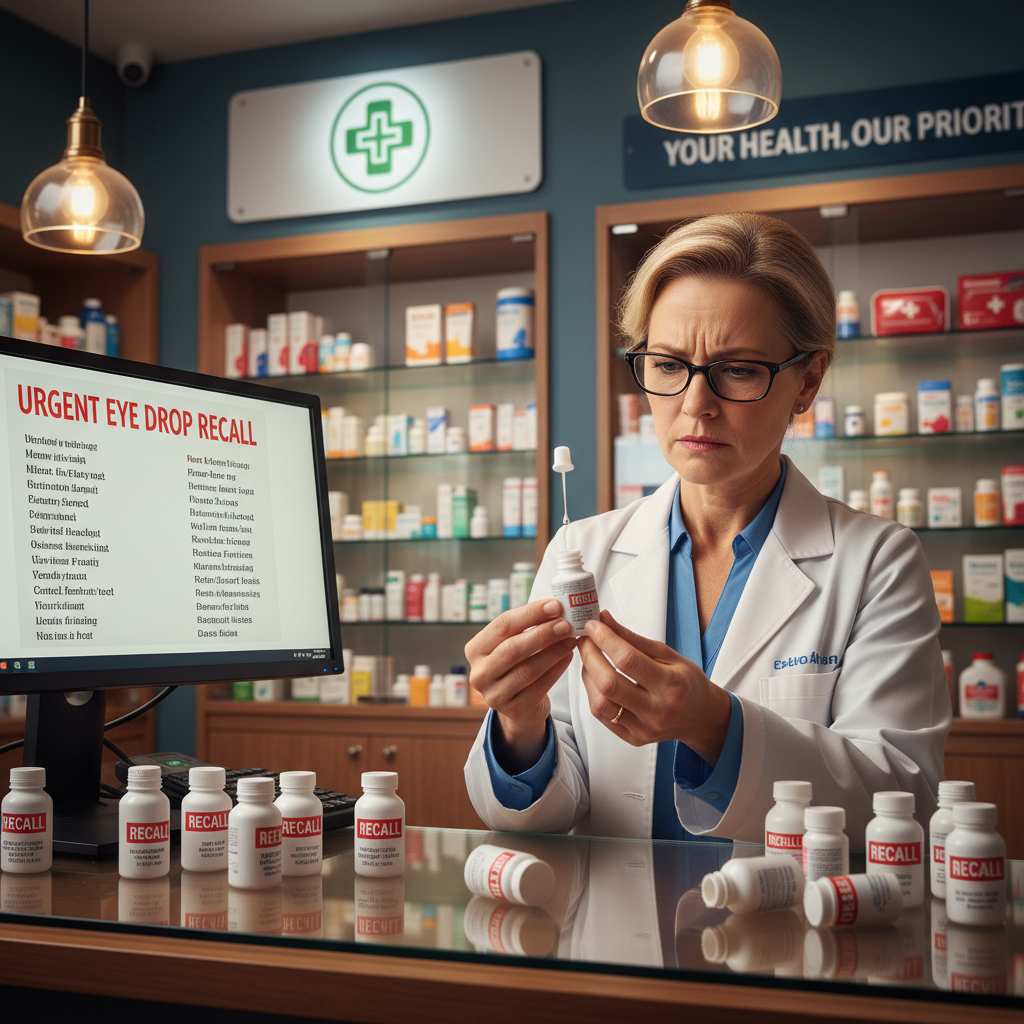
Highlights
- Stay informed about FDA eye drop recalls to ensure your safety and health.
- Engage with retailers and healthcare providers to report concerns and enhance product quality.
What You Should Know About FDA Eye Drop Recalls
Eye drop recalls are initiated by the FDA primarily to protect consumers from potential health risks, such as severe eye infections due to contamination. These recalls can stem from issues like manufacturing deviations or contamination, and maintaining strict sterility is crucial given that eye drops can bypass natural defenses, leading to serious health consequences.
The FDA employs a regulatory framework to monitor eye drop safety that includes inspections and post-market surveillance. Recent recalls, often categorized as Class II, involve risks of temporary negative effects with sources of contamination often identified as bacteria or fungi during inspections.
Regulatory Framework
The FDA oversees eye drop products in the U.S. through a comprehensive regulatory process that mandates safety inspections and compliance with Good Manufacturing Practices (cGMP). Inspections can lead to various outcomes, including recalls if violations are found, underscoring the agency’s commitment to consumer safety.
For instance, a recent FDA inspection resulted in a recall of multiple lots of OTC eye drops. This highlights the importance of adhering to FDA guidelines to prevent issues that can compromise patient safety.
Classification of Eye Drop Recalls
The FDA classifies eye drop recalls to help assess the risk they pose. Class II recalls, for example, indicate that while there could be reversible adverse health consequences, serious risks are typically remote. Understanding these classifications can inform consumer decisions regarding the safety of affected products.
Contamination, regulatory deviations, or inspection findings are typical reasons for recalls, and knowing the classification can help prioritize the responses needed to ensure public health protection.
Common Causes of Eye Drop Recalls
Frequent causes of eye drop recalls include microbial contamination and manufacturing practices that fail to meet cGMP standards. Contaminants like Pseudomonas aeruginosa associated with artificial tears have led to serious health risks, prompting recalls to safeguard consumer health.
Additionally, inadequate sterilization and packaging vulnerabilities could contribute to contamination, making compliance with regulatory standards paramount in preventing future recalls. Awareness of these causes can help consumers make informed choices about the eye drops they use.
Eye Drop Manufacturing and Quality Control
Maintaining sterility during the manufacturing process is vital for eye drops. Stringent aseptic techniques and thorough sterilization methods, such as autoclaving, help ensure that products are safe and effective upon delivery to consumers.
Quality control mechanisms are integrated throughout production, utilizing advanced inspection technologies to detect both visible and microscopic particulates. These practices, in line with FDA regulations, ensure that only safe eye drops reach the market and aid in protecting patient health.
Eye Drop Recall Process
The recall process is activated when the FDA identifies a significant risk at a manufacturing facility, often following inspections that highlight violations of safety standards. These recalls aim to remove affected products swiftly and prevent potential harm to consumers.
Post-recall, manufacturers notify consumers and retailers to stop using and remove the products from sale. The FDA’s detailed communication helps ensure that consumers can identify and avoid affected eye drops readily.
Impact of Eye Drop Recalls
Recalls dramatically impact public health, presenting risks of serious infections and complications from contaminated products. Understanding these implications is essential for consumers and healthcare providers to maintain vigilance against unsafe eye drops.
Awareness campaigns and active monitoring of recalls are vital to protecting public health and ensuring safe use of ophthalmic products. These actions are crucial for minimizing risks and enhancing the safety of essential eye care treatments.
Guidance for Consumers and Healthcare Providers
The FDA provides essential guidance to educate both consumers and healthcare providers about eye drop safety and recalls. Vigilance in reporting adverse events is crucial for maintaining awareness of safe product use and facilitating the early identification of potential safety issues.
Healthcare professionals play a key role in informing patients about recalls, reinforcing the importance of compliance with manufacturing standards to prevent unsafe products from reaching consumers.
Preventive Measures and Industry Best Practices
To reduce contamination risks, a robust culture of quality is encouraged throughout the eye drop manufacturing process, emphasizing prevention over relying solely on inspections post-production. Companies are urged to align practices with established regulatory standards to bolster product safety.
Additionally, adhering to comprehensive quality measures is essential in safeguarding the efficacy and safety of eye drops, reinforcing the importance of continuous improvement in manufacturing practices.
Notable Eye Drop Recalls
Several significant eye drop recalls have raised concerns regarding consumer safety, prompted by contamination issues that have led to dire health risks. Notable recalls demonstrate ongoing challenges in ensuring product quality across the supply chain.
Understanding these incidents can foster awareness regarding the importance of stringent manufacturing practices and effective regulatory measures to protect public health against unsafe ophthalmic products.
The content is provided by Sierra Knightley, Direct Bulletins