Highlights
- Zara's 2025 Black Friday strategy emphasizes digital engagement and dynamic pricing for modern consumers.
- The integration of technology and consumer psychology enhances urgency, trust, and competitive advantage.
Summary
Zara’s Black Friday strategies in 2025 represent a sophisticated integration of digital engagement, dynamic pricing, and omni-channel retailing designed to capture evolving consumer behaviors during the extended holiday shopping season. Building on its tradition of offering significant discounts on key fashion items such as jackets, blazers, and party wear, Zara has optimized its sales approach by leveraging app-first previews, rapid inventory turnover, and scarcity-driven marketing to create urgency and enhance customer trust. These tactics align with the brand’s focus on appealing to digitally savvy, trend-conscious consumers primarily aged 18 to 35, who prioritize affordability and immediacy in their purchasing decisions.
The 2025 Black Friday period reflects broader retail trends, including the elongation of promotional windows into a “Black November,” growing dominance of online shopping, and heightened consumer sophistication amid economic uncertainty. Zara’s strategy adapts to these shifts through real-time data analytics, artificial intelligence, and machine learning, enabling agile supply chain management and dynamic pricing that respond to fluctuating demand and inventory levels. This integration of technology and consumer psychology—emphasizing fear of missing out (FOMO) and loss aversion—distinguishes Zara’s approach from other fast fashion competitors by balancing product-first marketing with minimal traditional advertising.
While Zara’s Black Friday campaigns have garnered strong consumer engagement and sustained competitive advantage, they have also sparked debate regarding the ethical implications of scarcity messaging and rapid purchase incentives, which some critics argue encourage impulsive buying and excessive consumption. Additionally, the brand faces challenges in aligning its fast fashion model with growing demands for sustainability and responsible production without compromising affordability or brand appeal. The complexities of coordinating omni-channel sales across diverse markets further test Zara’s ability to maintain seamless customer experiences during high-traffic shopping periods.
Looking ahead, Zara is expected to continue evolving its Black Friday strategies by deepening its use of digital tools and omni-channel connectivity to engage consumers throughout the extended holiday shopping season. The company’s focus on agility, transparency, and consumer-centric innovation positions it to navigate economic fluctuations and shifting retail dynamics, sustaining its global appeal while responding to increasing calls for ethical and sustainable fashion practices.
Background
Zara has consistently participated in Black Friday sales events, with the 2025 Black Friday sale beginning on 27th November at 9pm, continuing the brand’s tradition of offering significant discounts during this major shopping period. Originating in the United States, Black Friday marks the transition from Thanksgiving to the festive shopping season and has become a critical retail event globally, lasting several days and involving numerous brands and retailers.
In recent years, Zara has utilized Black Friday to promote a wide range of products, including jackets, blazers, and party wear, attracting consumers with discounts of up to 40% on selected items. The timing of the sale has sometimes varied, with some promotions starting as early as 6pm on the day before Black Friday, building anticipation and capturing early consumer interest.
Zara’s approach to Black Friday sales fits within its broader marketing strategy, which targets digitally savvy and trend-conscious shoppers who value affordability and fresh experiences. The brand balances its positioning carefully in each market, maintaining a clean and neutral tone that avoids being perceived as either luxury or cheap, thereby fostering long-term appeal among diverse customer bases.
To stay competitive during high-demand periods like Black Friday, Zara leverages real-time data and advanced technologies such as artificial intelligence and machine learning. This enables the company to monitor sales trends closely and adjust prices dynamically—maintaining higher prices for popular products while timely markdowns help clear less popular inventory. This agile pricing strategy ensures Zara remains aligned with consumer preferences and market conditions.
Evolution of Black Friday Shopping in 2025
Black Friday 2025 continues to build on the shifting landscape of consumer behavior, characterized by a dominant trend toward online shopping and extended promotional periods. The 2024 sales set new records, with strong momentum carrying into 2025, where US ecommerce sales for Black Friday alone are projected to exceed $11 billion—an 8.7% increase from the previous year. This growth reflects heightened transaction volumes, intensified competition among retailers, and broader discount opportunities available to consumers.
A key feature of the evolving shopping season is the elongation of the traditional Black Friday timeframe. Retailers have expanded their promotions well beyond the single day, initiating sales as early as late October and continuing through November, a phenomenon often referred to as “Black November.” Additionally, last-minute shopping has become more prevalent, with many consumers taking advantage of next-day delivery options during the so-called “Desperate in December” phase, stretching holiday shopping to its limits.
Consumer preferences also reveal that approximately 71% of shoppers intend to engage with sales primarily through digital channels, favoring browsing and purchasing online over enduring physical queues. This digital dominance is supported by insights from Cyber Week 2025, indicating that consumers prioritize deal discovery and value various types of offers throughout the November-December holiday period. These evolving behaviors inform how brands refine their marketing and partnership strategies to effectively reach their audience during this extended shopping season.
Within this context, Zara’s Black Friday strategy is influenced by contemporary models of brand-consumer interaction that emphasize connectivity, communication, and sharing throughout the purchasing journey. Utilizing frameworks such as the SICAS model, Zara adapts to the digital-first shopping environment, aligning its marketing efforts with the expectations of modern consumers who engage heavily via online platforms.
Overview of Zara’s Black Friday Strategies in 2025
Zara’s approach to Black Friday 2025 reflects a sophisticated blend of digital engagement, scarcity marketing, and consumer-centric retail tactics that align with its broader brand philosophy. The retailer has strategically leveraged app-first windows and online previews to reward organized shoppers, enabling rapid scans of centralized sale items and facilitating early access to discounts ahead of the official sale period. This approach complements the growing trend of online shopping dominance, as an estimated 71% of consumers plan to shop digitally during the Black Friday season.
A core element of Zara’s strategy is the use of scarcity and rapid inventory turnover to create urgency among shoppers. Inventory cycles at Zara are notably short, with new stock arriving twice a week, which encourages immediate purchases to avoid missing out on limited items. This fast fashion model capitalizes on psychological principles such as fear of missing out (FOMO) and loss aversion, fostering emotional connections particularly among younger consumers within Zara’s key demographic of 18-35-year-olds. The brand’s communication is transparent and honest regarding scarcity, which helps build consumer trust and engagement during the high-stakes Black Friday shopping window.
Moreover, Zara’s Black Friday sales are part of a worldwide event, with coordinated timing across Europe, Latin America, and Asia, ensuring a consistent discount experience for global consumers. While discounts during early November have historically been mild, this year’s sales have featured more significant price reductions to meet rising consumer price sensitivity amidst inflation and economic uncertainty. This sensitivity is also driving increased interest in flexible payment options such as buy-now-pay-later plans.
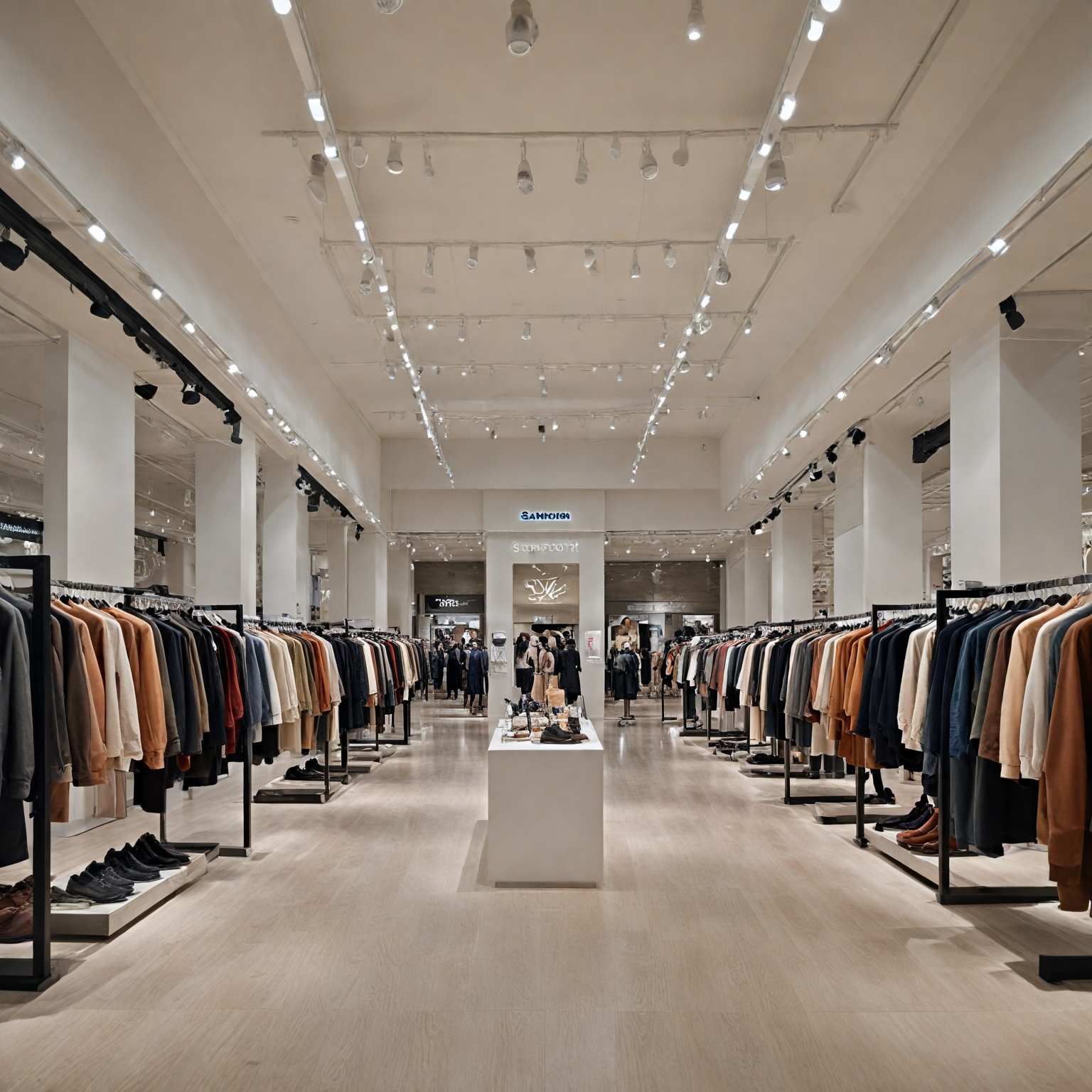
In addition to digital and scarcity strategies, Zara emphasizes the in-store experience as a complement to online sales, particularly for items where fit and material feel are important, such as coats and leather footwear. This omni-channel integration enhances shopper confidence and satisfaction during Black Friday 2025, ensuring that Zara remains competitive in a crowded retail landscape.
Finally, Zara’s marketing during this period focuses on blending speed, minimal advertising, and product-first thinking, allowing the brand to maintain its global appeal without heavy reliance on loyalty programs or constant promotions. The curated selection of party-season essentials and social media favorites further attracts fashion-conscious consumers seeking high-quality yet affordable options during the Black Friday sales.
Marketing and Advertising
Zara’s marketing and advertising strategy in 2025 centers on creating a strong digital presence while minimizing traditional advertising. Unlike many fast fashion brands that rely heavily on constant promotions, influencer campaigns, and aggressive social media marketing, Zara takes a more strategic approach by marketing less to generate curiosity and exclusivity around its products. This minimal advertising is complemented by a focus on speed, scarcity, and product-first thinking, which helps Zara maintain relevance and brand strength in a highly competitive market.
The brand engages customers primarily through platforms like Instagram, where it showcases the latest collections and provides styling inspiration, fostering a strong emotional connection with consumers. Zara’s campaigns emphasize inclusivity, sustainability, and global reach, reinforcing its commitment to social responsibility while appealing to modern consumers’ values. This approach is supported by the SICAS model, highlighting connectivity, communication, and sharing as key components in the digital consumer journey, which Zara leverages to enhance customer interaction and loyalty.
Zara also integrates its marketing across both physical and digital channels to create a seamless brand experience. This omnichannel strategy aligns with the expectations of today’s digitally savvy shoppers who value relevance, affordability, and fresh experiences. The brand’s rapid inventory turnover and scarcity messaging further encourage immediate purchasing decisions by tapping into psychological triggers such as fear of missing out (FOMO) and loss aversion, particularly resonating with younger consumers.
During key promotional periods like Black Friday and Cyber Weekend, Zara utilizes app-first previews and centralized sale platforms to reward organized shoppers and facilitate quick browsing and purchasing. Although recent years have seen fewer deep discounts early in November, Zara still capitalizes on limited-time offers with up to 50% off during major sales events, maintaining high demand and fast sell-outs of popular items. This combination of strategic digital engagement, scarcity-driven urgency, and careful price management underscores Zara’s distinctive marketing and advertising approach in 2025.
Sales and Discounts
Zara’s Black Friday sales in 2025 continue to be highly anticipated events, known for offering substantial markdowns on a wide range of fashion staples. Shoppers can expect discounts of up to 40 to 50 percent across the entire site, including popular items such as classic white T-shirts, elevated knitwear, party-ready dresses, and on-trend accessories. The brand frequently includes key seasonal pieces in these promotions, making it a go-to destination for winter coats, affordable cashmere, and other wardrobe essentials.
In recent years, Zara has enhanced the shopping experience by integrating app-first windows and online previews for Black Friday and Cyber Weekend events. This strategy allows organized shoppers to access special prices early, while centralized sale sections enable rapid browsing of discounted items. However, high-demand products tend to sell out quickly, and assortments and discounts can vary by country. Additionally, in-store visits remain valuable for customers who want to check fit, especially for coats, blazers, and leather footwear.
The 2025 sale features standout pieces such as quilted jackets in the chocolate brown colour of the season, offered at half price and praised for their stylish details like oversized pockets. Other notable discounts include a wool-and-polyester-blend longline coat with a leather-effect lapel available at 40 percent off, and a figure-skimming leopard print maxi skirt offered at nearly half price. Seasonal colour trends such as butter yellow are also highlighted in items like buttoned knit waistcoats, further enticing shoppers during the event.
Zara’s approach to pricing and discounts during Black Friday is part of a broader strategic response to the fast-paced retail environment. Unlike many fast fashion brands that rely heavily on constant promotions and influencer campaigns, Zara uses scarcity and rapid price changes to create curiosity and engagement without over-marketing. This omni-channel integration and pricing agility help the brand maintain trust and deliver value to increasingly discerning consumers amid economic uncertainties.
Sales Channels and Customer Experience
Zara’s Black Friday 2025 strategy leverages a multi-channel sales approach designed to meet evolving consumer expectations and maximize engagement. The brand integrates app-first previews, online launches, and in-store availability across staggered markdown windows, which vary by country and year. Typically, app users gain early access to discounted assortments—sometimes hours or even a full day before the website goes live—through notifications and the Special Prices section, allowing organized shoppers to scan deals rapidly. The website usually follows with launches late on the Thursday before Black Friday, continuing through Cyber Weekend with coordinated in-store matching promotions. This phased approach helps Zara maintain agility in pricing while delivering value to its customers in a fast-paced retail environment.
Zara’s multi-device strategy enhances the online shopping experience by advising consumers to use separate devices for different payment methods to avoid session conflicts, ensuring smoother checkout processes. Additionally, customers are encouraged to explore different local Zara domains to find stock availability, although considerations such as shipping, returns, and VAT must be verified beforehand.
In-store visits remain an important component of Zara’s customer experience, particularly for fit checks on items such as coats, blazers, and leather footwear. Despite the dominance of online shopping, physical stores provide vital tactile engagement that complements digital channels. This hybrid approach caters to a wide range of consumer preferences during the holiday shopping season, which extends from November through December and includes the critical Cyber Week period.
The integration of scarcity and omni-channel strategies strengthens consumer trust and engagement by creating a dynamic shopping environment. Zara’s rapid price changes and staggered sales windows exemplify how the brand navigates a complex pricing landscape while maintaining competitive advantage and delivering a seamless, value-driven experience to increasingly discerning consumers. This strategy aligns with contemporary retail trends where connectivity, communication, and sharing play pivotal roles in the consumer purchasing journey.
Supply Chain and Inventory Management
Zara’s supply chain and inventory management are critical components of its Black Friday strategy in 2025, enabling the brand to respond swiftly to fluctuating market demands. The company leverages real-time data analytics combined with artificial intelligence and machine learning to monitor sales trends continuously and adjust inventory levels accordingly. This dynamic approach allows Zara to maintain an agile supply chain capable of rapid replenishment and markdowns, ensuring that products remain available yet scarce enough to stimulate consumer urgency through fear of missing out (FOMO).
Short inventory cycles are a hallmark of Zara’s operational model, creating a sense of scarcity that encourages immediate purchases. This strategy not only builds trust with consumers through honest and transparent scarcity messaging but also maximizes sales during high-traffic periods such as Black Friday. The integration of omni-channel inventory management further enhances customer engagement by providing a seamless shopping experience across both online and physical stores, which is particularly important given that around 71% of consumers plan to shop digitally in 2025.
By maintaining tight control over inventory and adapting pricing in near real-time, Zara effectively navigates the challenges posed by economic uncertainty and competitive pressures during the holiday season. This responsive supply chain management allows Zara to meet sophisticated consumer expectations and maximize profitability without overstocking or excessive discounting.
Consumer Demographics and Engagement
Zara primarily targets fashion-forward individuals aged 18 to 35, with an additional appeal to style-conscious consumers in their 40s. This demographic is composed of diverse, fashion-conscious individuals who value high-quality clothing at an affordable price point. The brand’s focus on this age range allows it to tailor its marketing strategies to consumers who are particularly responsive to trends and fast fashion cycles.
Engagement with Zara’s brand is strongly influenced by psychological principles such as fear of missing out (FOMO) and loss aversion. The company’s fast fashion model incorporates short inventory cycles and scarcity messaging that encourage consumers to make immediate purchases before items sell out. This sense of urgency is communicated using honest and clear language, which helps build consumer trust. Such strategies are particularly effective among younger consumers, who tend to form emotional connections with limited-time collections.
Furthermore, Zara’s marketing approach integrates omni-channel experiences that enhance engagement by connecting with consumers across multiple platforms. This connectivity fosters communication and sharing throughout the consumer’s purchasing journey, reinforcing brand loyalty and stimulating repeat purchases. Retailers adopting similar methods can better navigate the complexities of pricing and consumer expectations in today’s fast-paced retail environment.
Impact and Reception
Zara’s Black Friday strategies in 2025 have had a significant impact on both consumer behavior and the broader retail market. The brand’s approach, which emphasizes scarcity, rapid price changes, and omni-channel integration, has enhanced customer engagement and fostered trust among its diverse target audience, particularly fashion-conscious individuals aged 18 to 35. This strategic agility allows Zara to navigate the complex and competitive pricing landscape effectively, meeting the expectations of
Challenges and Controversies
Zara’s Black Friday strategies in 2025 face several challenges and controversies rooted in both market dynamics and consumer behavior. One major challenge is balancing affordability with sustainability, as the brand invests in ethical materials, efficient manufacturing, and transparent supply chains. These responsible production efforts inevitably influence pricing, requiring Zara to carefully align its fast fashion model with growing consumer demand for environmental accountability.
Another challenge arises from the psychological tactics employed by Zara, such as scarcity messaging and rapid inventory turnover. While these methods effectively drive immediate purchases through fear of missing out (FOMO) and loss aversion, they have sparked debate about promoting impulsive buying habits. Some consumers criticize the strategy for encouraging excessive consumption, although others, like dedicated shoppers who strategically use sales for long-term wardrobe investments, view it more favorably.
Economic factors also present complications. Despite inflation and supply chain pressures, consumer spending remains resilient entering the 2025 holiday season, but shoppers exhibit heightened sophistication and selectivity in their purchases. This shift challenges Zara to maintain competitive pricing and supply chain agility without compromising perceived value or consumer trust.
Lastly, the integration of omni-channel retailing adds complexity to Zara’s strategy, requiring seamless coordination between online and physical stores to sustain engagement and trust. Retailers adopting these approaches must navigate a fast-paced and often unpredictable retail environment, making Zara’s Black Friday campaigns a case study in managing both innovation and consumer expectations amidst controversy.
Future Outlook
As Black Friday continues to evolve into an extended shopping season rather than a single day event, Zara’s marketing strategies in 2025 are expected to adapt accordingly by leveraging technology and omni-channel integration to engage consumers more effectively. The retailer’s approach, rooted in the SICAS model, emphasizes connectivity, communication, and sharing throughout the consumer journey, enabling Zara to maintain agility amid rapidly changing market dynamics.
Looking forward, Zara is likely to continue utilizing rapid price changes and scarcity tactics to enhance customer engagement and build trust, responding to the increasingly discerning expectations of shoppers during Black Friday and Cyber Week periods. This strategy will be supported by insights derived from consumer behavior surveys conducted throughout 2024 and 2025, which reveal a growing preference for online shopping and a reliance on digital tools to identify the best deals.
Moreover, as the Black Friday shopping window lengthens, Zara’s integration of seamless omni-channel experiences—including both online platforms and physical stores—will be crucial in capturing a broader audience and driving sustained sales growth throughout the season. Retailers like Zara that effectively combine these tactics are poised to navigate economic uncertainties while maximizing value delivery in the highly competitive retail landscape of 2025.
The content is provided by Blake Sterling, Direct Bulletins