Highlights
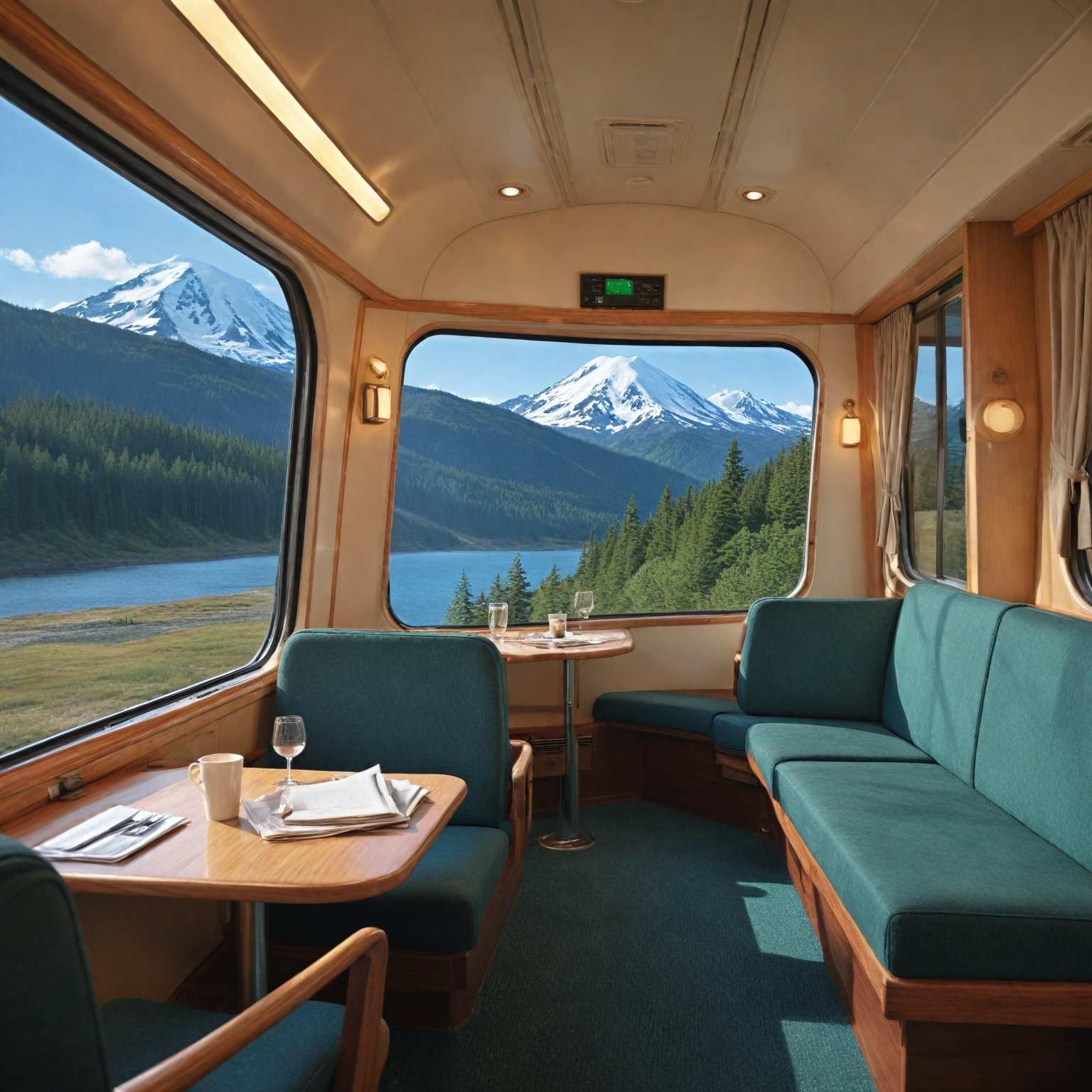
- Experience unparalleled scenic views and passenger comfort on the Seattle to Alaska train journey.
- Engage with eco-friendly travel practices that minimize your ecological footprint while exploring Alaska.
Summary and Overview
The Seattle to Alaska train experience in 2025 combines seasonal ferry travel via the Alaska Marine Highway from Bellingham, Washington, to Whittier, Alaska, with year-round service on the Alaska Railroad. The railroad covers about 482 miles, connecting key destinations such as Anchorage, Fairbanks, Seward, and Denali National Park. The journey emphasizes scenic views and passenger comfort with features like glass-domed cars and onboard amenities. Seasonal schedules and flagstop services offer flexibility, though some routes have limited amenities. Environmental sustainability is a priority, with fuel-efficient technologies and LEED-certified facilities. Despite praise for comfort and eco-efforts, challenges remain due to incomplete infrastructure, staffing shortages, and ferry service disruptions.
Historical Background and Routes
Alaska’s rail history began in 1903 with the Alaska Central Railroad, later reorganized as the Alaska Northern Railroad and eventually expanded by federal funding to connect Seward to Fairbanks. The railroad now includes branch lines to ports and airports, serving both passenger and freight needs. Ridership in 2024 was approximately 235,500. Travelers typically combine ferry, rail, motorcoach, or highway travel into Alaska, with the railroad operating a busy summer and quieter winter schedule. Routes include scenic flagstop services and motorcoach connections to optimize travel time.
Passenger Services and Scenic Attractions
Trains offer glass-dome ceilings, outdoor viewing platforms, dining cars, snack bars, and wheelchair accessibility, with baggage services at major stops. Special themed trains operate seasonally. Popular attractions along the route include Juneau, Anchorage, Talkeetna, Fairbanks, Denali National Park, and Kenai Fjords National Park. Interpretive stops with ranger talks enhance the experience. Vacation packages combine rail travel with activities like flightseeing and glacier cruises.
Booking, Travel Tips, and Accessibility
Tickets can be purchased with discount coupon books valid for adults and some other fare categories. Adventure Class features confirmed seating with large windows and access to open seating in the Vista Dome car. Dining and bar services are generally available except on select trains like the Hurricane Turn. The railroad complies with ADA standards, offering wheelchair lifts and non-smoking cars, though strollers are not permitted. Travelers should dress in layers for Alaska’s variable weather and plan ahead during peak seasons. Special themed trains provide unique travel options.
Environmental Sustainability
The train experience emphasizes environmental responsibility through coordinated urban forestry initiatives and operational improvements such as upgraded locomotives, idle-reduction procedures, and GPS tracking for fuel efficiency. Facilities meet LEED standards, with expanded recycling programs and procurement of recycled materials. Innovative intermittent electrification of rail segments is being explored to reduce emissions while balancing infrastructure costs, reflecting a comprehensive approach to minimizing the carbon footprint of rail travel.
Operational Challenges and Public Perception
Operational challenges include infrastructure limitations, staffing shortages, and coordination complexities, especially involving the unique flagstop service serving remote communities. Despite these issues, the service is praised for comfort, scenic value, accessibility, and environmental efforts. Public discussions continue regarding ferry connections and route efficiency, with some favoring alternative ferry destinations to improve travel convenience.
Future Developments
Planned expansions include an 89-mile track extension from North Pole to Delta Junction to support military access and economic growth. Environmental remediation efforts and locomotive upgrades continue, alongside exploration of intermittent electrification technologies. Urban transit improvements in Seattle aim to enhance sustainable access to stations. Increased staffing and budgets under Sound Transit 3 support coordinated infrastructure development and operational efficiency, ensuring a more connected and environmentally responsible Seattle to Alaska train experience by 2025.
The content is provided by Blake Sterling, Direct Bulletins