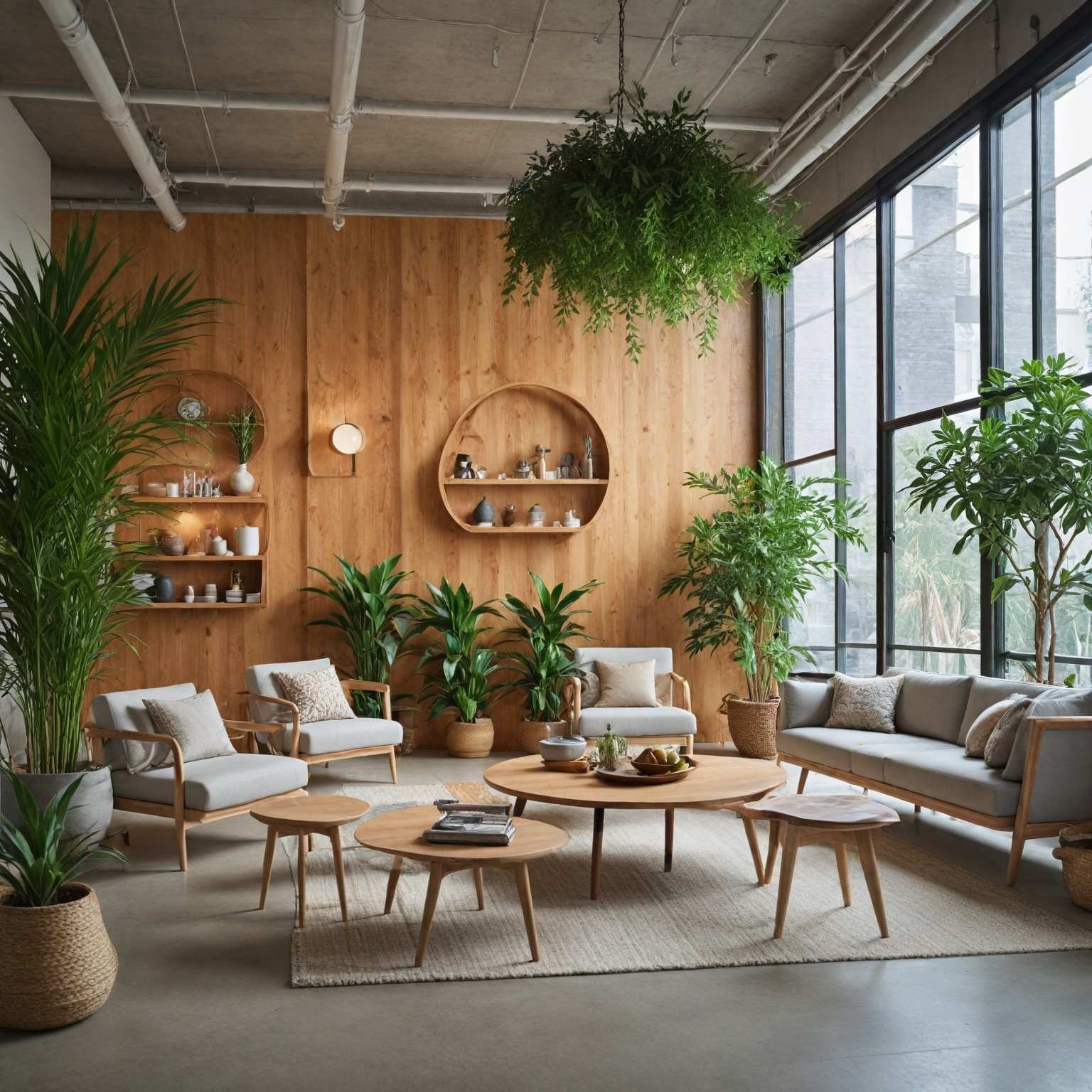
Highlights
- The global sustainable furniture market is set to grow from USD 54.57 billion to USD 79.47 billion.
- Major brands are committing to fully renewable or recyclable furniture by 2030, driving industry change.
Summary and Overview of Sustainable Furniture in 2025
Sustainable furniture in 2025 focuses on reducing environmental impact throughout its lifecycle by using renewable, recycled, or responsibly sourced materials, enhancing durability, and supporting recyclability. Consumer awareness is high, with 78% prioritizing sustainable lifestyles, driving demand for eco-friendly products. The industry embraces circular economy principles, using materials like reclaimed wood, FSC-certified wood, bamboo, recycled metals, and bio-composites. Major brands, such as IKEA, aim for fully renewable or recyclable furniture by 2030. The global eco-friendly furniture market, valued at USD 54.57 billion in 2025, is projected to reach USD 79.47 billion by 2030, despite challenges like material sourcing, costs, and certification needs.
Materials and Environmental Impact
Sustainable furniture relies on materials that reduce virgin resource use and carbon footprints. Recycled metals and glass consume significantly less energy than virgin materials. FSC-certified and reclaimed wood ensure responsible forestry and durability. Bamboo, a fast-growing renewable resource, offers strength and moisture resistance. Engineered eco-friendly composites and bio-composites provide durable, low-impact alternatives. Modularity enhances repairability and recyclability, supporting circular economy goals. Environmental assessments, including life-cycle analysis, emphasize responsible sourcing and waste reduction, with about 55% of furniture currently ending in landfills.
Manufacturing, Design, and Industry Practices
Manufacturing trends prioritize transparency, local production to reduce emissions, and technology-driven efficiency to minimize waste. On-demand production helps reduce overproduction. Industry leaders commit to circular economy principles and renewable materials. Designs favor modularity, durability, and non-toxic finishes, with organic shapes and neutral tones reflecting sustainable aesthetics. Health-conscious materials, such as low-VOC finishes and natural fabrics, are increasingly standard. Brands face challenges including raw material shortages, rising costs, and regulatory compliance, prompting innovation and collaboration across the industry.
Certification and Consumer Demand
Certifications like FSC for wood, GOTS for textiles, GREENGUARD for low chemical emissions, and BIFMA standards play key roles in ensuring transparency and sustainability. These certifications help consumers make informed choices and support manufacturers in meeting environmental goals. Consumer demand for sustainable furniture is strong, with 76% willing to pay a premium. The global eco-friendly furniture market is expected to grow significantly, driven by environmental awareness, regulations, and ethical production. Regional growth is notable in the Asia Pacific, while North America holds the largest market share.
Challenges and End-of-Life Management
Transitioning to sustainable furniture involves challenges such as supply chain adjustments, higher material and labor costs, and fluctuating availability of sustainable materials. Localized production helps mitigate some issues. Environmental regulations require investments in cleaner technologies. End-of-life strategies emphasize design for disassembly, repair, and recyclability to reduce landfill waste. Reclaimed wood and bamboo support circularity, while life-cycle analysis guides optimal disposal methods, balancing environmental and health outcomes.
Benefits and Choosing Sustainable Furniture
Sustainable furniture improves indoor air quality by avoiding toxic chemicals, supports ethical labor practices, and reduces deforestation and carbon emissions. Economically, materials like bamboo offer cost-effective options and rural employment. Selecting sustainable furniture involves verifying certifications, prioritizing durable and modular designs, and considering the entire product lifecycle to ensure eco-friendly choices that promote health and environmental preservation.
Future Outlook
The furniture industry faces rising costs and environmental regulations, driving adoption of greener manufacturing and sustainable materials like engineered wood, bamboo, reclaimed wood, and recycled metals. Consumer preference for eco-friendly, durable, and locally made furniture is increasing. Market projections indicate continued growth, with the global sustainable furniture market expected to reach USD 100.4 billion by 2034. Efforts to standardize certifications aim to facilitate informed consumer decisions and support manufacturers in advancing sustainability.
The content is provided by Blake Sterling, Direct Bulletins