Highlights
- Rising demand for night shift cleaning jobs emphasizes the need for skilled and adaptable workers.
- Union involvement is crucial for improving pay and safety for night shift cleaners.
Summary and Overview
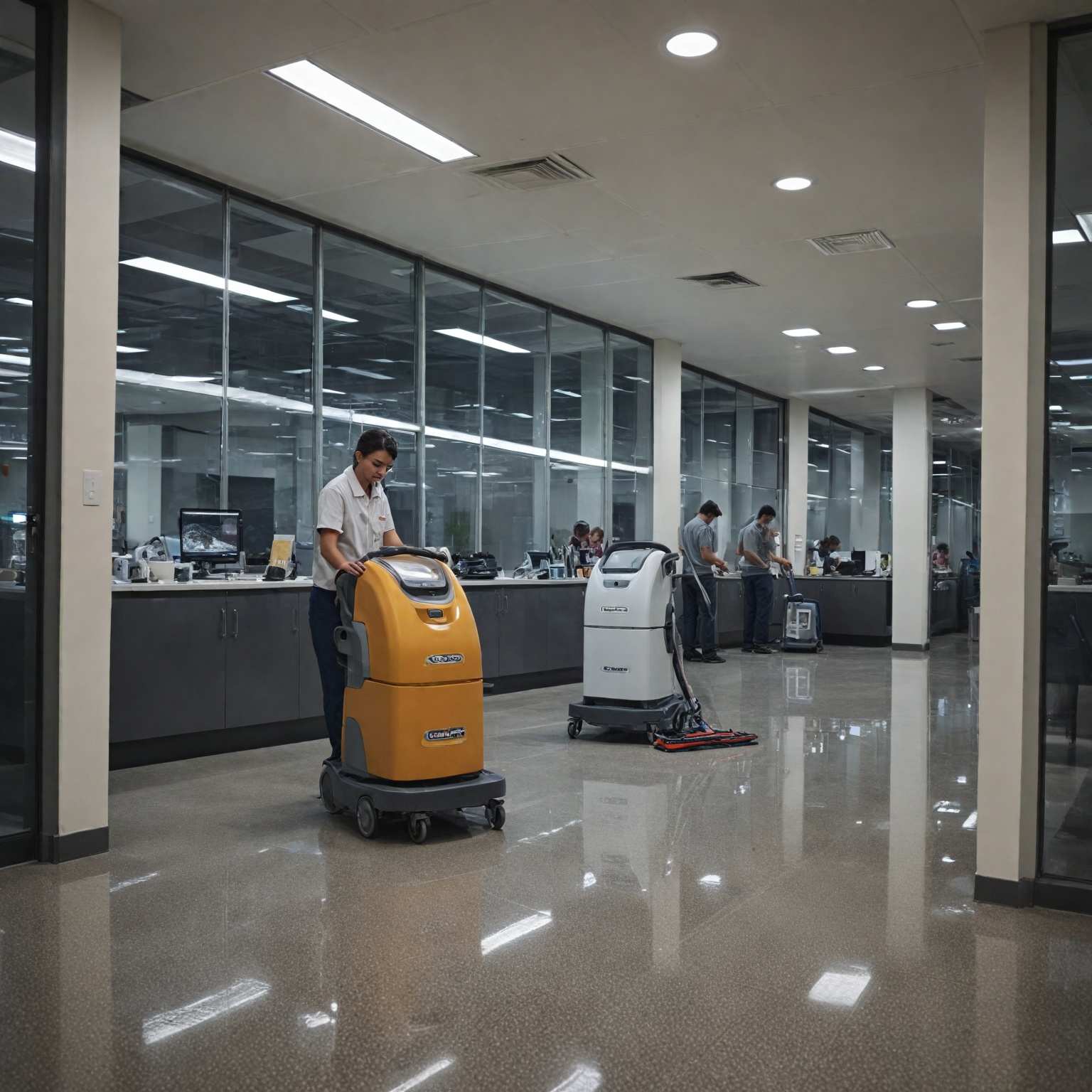
Night shift office cleaning jobs in 2025 involve maintaining cleanliness and safety in commercial spaces during after-hours, preparing workplaces for the next day. Duties include floor cleaning, trash removal, surface disinfection, and hazard reporting. These roles require strong time management, attention to detail, and self-motivation due to minimal supervision and irregular hours. Rising hygiene standards and technological advances such as AI-driven robotic cleaners and digital management platforms are reshaping the job, requiring workers to adapt new technical skills.
Job Description and Employment Trends
Cleaners perform sweeping, mopping, dusting, restroom sanitation, and disinfection using various tools and chemicals while adhering to safety protocols. Physical endurance and sensory skills are essential, as is the ability to work independently. Employment demand is growing, driven by hygiene priorities and technological integration, with wages typically ranging from $20.91 to $25.46 per hour. Automation reduces labor shortages, while digital tools improve scheduling and communication. Unions influence pay and worker protections.
Working Conditions and Health Risks
Night shift cleaners often work alone with limited oversight, facing challenges such as disrupted circadian rhythms that increase fatigue, injury risk, and long-term health issues including cardiovascular disease and cancer. Irregular hours also impact social and family life. Industry advocates call for improved scheduling and health protections. Workers maintain routines similar to daytime staff but must manage unique physical and mental demands.
Health and Safety Protocols
Strict adherence to safety procedures, including PPE use, chemical spill management, and emergency protocols, is required. Regular training updates and equipment maintenance are vital. Employers provide breaks and may offer shift differentials to offset night work challenges. Compliance with labor laws and collective bargaining agreements ensures fair pay and protections. Security measures address risks associated with working alone at night.
Skills, Qualifications, and Certifications
Essential skills include sanitation, equipment operation, chemical handling, and safety knowledge, often supported by OSHA certification. Strong time management, self-motivation, and communication skills are important. A high school diploma is typically preferred. Certifications from organizations like IJCSA enhance career prospects and pay. Many positions are entry-level, part-time, or involve weekend shifts.
Compensation and Legal Framework
Wages range from about $19.25 to $38.62 per hour, with benefits including paid leave and health coverage. Unionized workplaces may have negotiated night shift differentials. Legal standards such as the Fair Labor Standards Act govern wages and overtime. Employers must ensure accurate hour tracking and safe work environments. Some roles require valid driver’s licenses and policies address night work security concerns.
Unionization and Labor Representation
Unions play a key role in advocating for night shift cleaners, addressing issues like irregular schedules, safety, harassment, and pay. Despite lower unionization in private sectors, collective bargaining improves working conditions. Female night cleaners report significant safety concerns, making union support critical. Unions in related sectors influence protections and benefits for cleaning staff.
Career Development and Future Outlook
Adapting to new technologies like AI and digital tools is crucial for career growth. Training and certifications in cleaning techniques and safety enhance advancement opportunities. The sector is evolving toward greater automation and efficiency, requiring workers to develop technical skills alongside traditional cleaning expertise.
Tips for Job Seekers
Candidates should be prepared for physical tasks, understand basic cleaning and safety procedures, and possess good communication skills. Knowledge of OSHA standards and PPE use is important. Managing night shift challenges through adequate rest and seeking employers offering fair compensation improves wellbeing. Familiarity with scheduling platforms and labor laws aids in navigating night shift roles effectively.
The content is provided by Avery Redwood, Direct Bulletins