Highlights
- Switzerland’s metal fabrication industry is poised for growth, driving demand for skilled professionals.
- Competitive salaries and job diversity make the sector an attractive career choice in manufacturing.
Summary and Industry Overview
Switzerland’s metal fabrication industry is a key part of its manufacturing sector, contributing to employment, innovation, and exports, mainly within the European Union. Rooted in a 19th-century tradition of precision metalworking, the sector supports diverse industries including food, textiles, chemicals, and electronics. Despite challenges like skilled labor shortages, automation, and trade barriers, the industry is projected to grow from $10.3 billion in 2024 to $15.2 billion by 2034, driven by steady demand and technological adaptation.
Employment, Skills, and Training
Metal fabrication roles in Switzerland range from fabricators and welders to inspectors and engineers, requiring skills in blueprint reading, welding certification, and quality control. While formal education helps, on-the-job training and apprenticeships remain vital. Advanced positions often require certifications like the International Welding Engineer diploma. The sector faces a moderate job vacancy rate, especially for technical roles, amid rising demand linked to automation and digitalization.
Labor Market Trends and Compensation
The mechanical engineering, electrical, and metal (MEM) industry maintains stable employment near 8%, with high demand for skilled workers supported by automation technologies that enhance productivity. Flexible work arrangements and work-life balance are increasingly valued. Average metal worker salaries have risen, with the transport and logistics sector offering the highest wages. Switzerland lacks a statutory minimum wage, with pay often set by collective agreements, reflecting regional economic conditions.
Working Conditions and Typical Workday
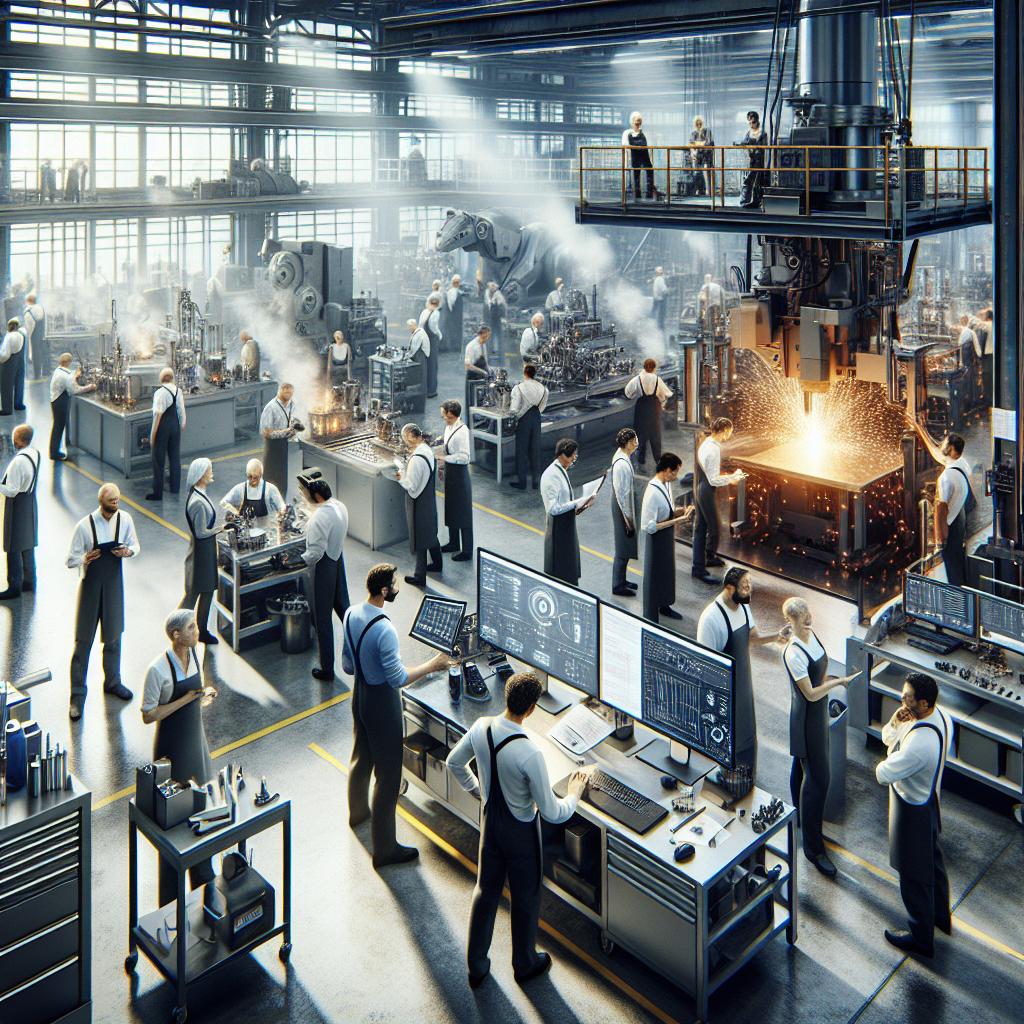
Metal fabrication jobs emphasize strict safety compliance and adherence to collective labor agreements. Workers operate advanced machinery such as CNC systems, requiring precision and experience. Knowledge of coatings and tolerance standards is important in high-precision industries like medical devices and aerospace. Flexible work hours and work-life balance are significant factors shaping current workplace norms.
Major Employers and Industry Challenges
The sector is dominated by small and medium-sized enterprises (KMUs) interconnected with larger manufacturers and exporters. Firms like Bystronic and Rondo exemplify this ecosystem. Key challenges include skilled labor shortages, geopolitical uncertainties, supply chain disruptions, and the need to integrate advanced automation to maintain competitiveness and address workforce constraints.
Career Development and Industry Support
Career paths range from entry-level fabrication to specialized and managerial roles, with progression supported by practical experience and ongoing training in new technologies. Project management roles often require engineering qualifications. The industry benefits from strong support structures, regulatory frameworks, and a skilled labor market concentrated in economic hubs like Zurich and Basel, ensuring continued innovation and growth.
The content is provided by Avery Redwood, Direct Bulletins