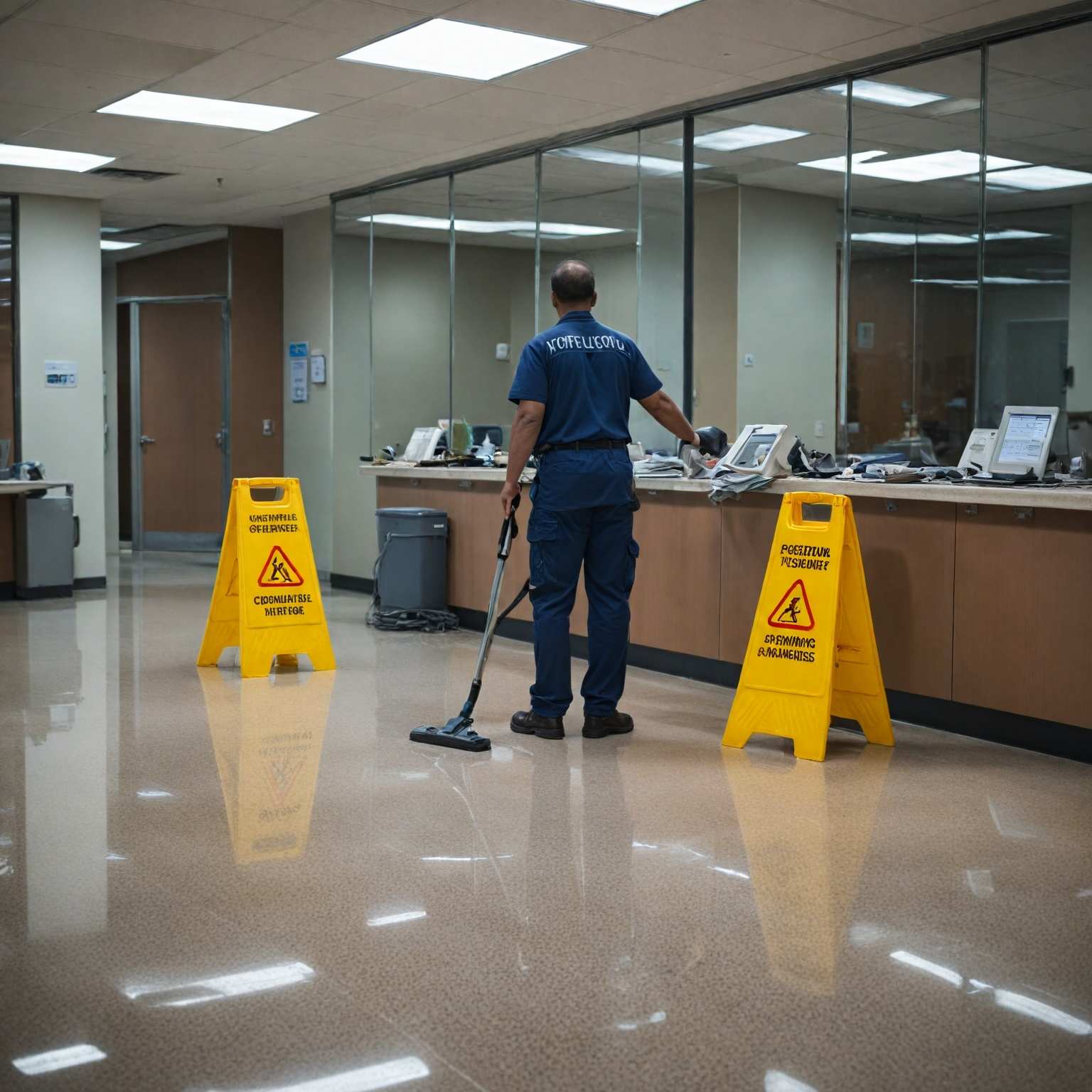
Highlights
- Night cleaning jobs are essential for maintaining hygiene and operational readiness across various industries.
- The night cleaning sector offers promising career opportunities amid rising demand and evolving technologies.
Summary
Night cleaning jobs encompass a range of cleaning, maintenance, and housekeeping tasks performed during overnight hours to ensure the cleanliness and operational readiness of facilities such as hotels, offices, hospitals, and commercial buildings. This shift allows for thorough sanitation with minimal disruption to daily business activities, making night cleaning a critical component of facility management across multiple industries. The growing demand for these roles reflects broader economic expansion, rising hygiene standards, and increased regulatory requirements, particularly following the heightened focus on sanitation amid the COVID-19 pandemic.
Key sectors driving this demand include healthcare, hospitality, commercial real estate, industrial facilities, and residential cleaning services, all of which benefit from the operational advantages of night cleaning such as improved efficiency, cost savings, and compliance with stringent health and safety protocols. Night cleaners often perform duties beyond standard cleaning, including minor maintenance, security tasks, and reporting safety issues, underscoring their multifaceted role in maintaining safe and hygienic environments. Employment in this sector is notable for its demographic diversity, with women comprising a significant majority of the workforce and Hispanic workers representing a substantial portion of employees in the United States.
Despite its essential nature, night cleaning poses unique challenges including increased safety risks due to poor visibility and worker fatigue, logistical complexities in scheduling, and health hazards associated with chemical exposure and biohazards. These concerns necessitate specialized training, adherence to rigorous safety standards, and employer efforts to promote worker well-being and retention. The combination of rising industry demand and these occupational challenges highlights the importance of ongoing improvements in training, safety protocols, and labor conditions within the night cleaning workforce.
Looking ahead, the night cleaning job market is projected to expand significantly, driven by continued commercial growth, evolving hygiene expectations, and technological innovations such as AI-enabled cleaning solutions. Sustainable and eco-friendly cleaning practices are increasingly shaping service offerings, while advancements in automation promise greater operational efficiency. These trends position night cleaning as a vital and evolving occupation within the service industry, offering promising career opportunities despite ongoing challenges related to worker safety and job demands.
Background
Night cleaning jobs involve various upkeep, maintenance, and housekeeping tasks performed overnight to ensure the cleanliness and smooth operation of facilities such as hotels, offices, and commercial buildings. This shift typically experiences less foot and vehicular traffic, as well as fewer distractions and interruptions, which can facilitate more thorough cleaning. However, night cleaning also presents unique challenges, including poor visibility, fatigue, and potentially limited immediate assistance, increasing the risk of accidents and injuries.
In the hospitality industry, hotel employees, especially those involved in room cleaning, face higher rates of occupational injury and tend to sustain more severe injuries compared to other service workers. Night cleaners in hotels often have responsibilities such as maintaining fresh and clean environments and reporting safety issues to supervisors during their shifts. The physical demands and safety hazards of these roles highlight the importance of specialized training and protocols for night cleaning staff.
The growing demand for professional cleaning services is driven by expanding commercial growth, evolving consumer expectations for hygiene, and stringent health regulations, particularly in sectors like healthcare and corporate offices. The COVID-19 pandemic has further intensified the focus on sanitation, underscoring the critical role of night cleaning jobs in maintaining public health and safety. As a result, night cleaning is increasingly recognized as an essential occupation within the broader service industry.
Factors Driving the Growing Demand
The demand for night cleaning jobs is increasing due to several interrelated factors spanning economic growth, industry expansion, heightened hygiene standards, and evolving workplace regulations.
One primary driver is the overall growth of the leisure and hospitality industries, projected to continue through 2033. This sector’s expansion, coupled with changing consumer expectations for cleanliness, has intensified the need for professional cleaning services, making the industry a vital contributor to the economy. The construction of large-scale commercial spaces such as offices, retail stores, and hospitality venues further fuels the need for commercial cleaning services, particularly during off-hours to avoid disruption.
Economic improvements have also played a significant role. The rise in discretionary income, the increase in dual-income households, and the general economic upturn have all supported market expansion for cleaning services. Additionally, growth in the commercial sector and increased real estate investments have created new opportunities for cleaning businesses.
Heightened awareness of hygiene, largely influenced by the COVID-19 pandemic, has resulted in sustained growth in demand for cleaning services, especially in sectors with strict sanitation requirements such as healthcare and corporate offices, where compliance with health regulations like those from OSHA is critical. The emphasis on thorough sanitization and disinfection to prevent disease spread has led to more frequent and specialized cleaning, often necessitating nighttime work to minimize operational interruptions.
Night cleaning offers operational advantages by allowing disinfectants to act effectively without immediate contact from occupants and helping businesses reduce costs through optimized use of HVAC systems and lower electricity rates during off-peak hours. These efficiency gains, combined with the need to meet strict health and safety standards, make night cleaning an increasingly important component of facility maintenance.
Lastly, safety considerations in night cleaning influence job demand and work practices. Nighttime cleaning often involves multiple workers to improve both efficiency and safety when handling large spaces, reflecting best practices for managing overnight cleaning shifts. This further supports expanding employment opportunities as businesses prioritize both thoroughness and worker safety.
Together, these factors underscore a robust and growing demand for night cleaning jobs across multiple sectors, driven by economic trends, regulatory requirements, and evolving public health priorities.
Industries and Sectors Driving Demand
The demand for night cleaning jobs is driven by several key industries and sectors that require thorough cleaning and maintenance during off-hours to minimize disruption and maintain operational efficiency. Commercial buildings, including offices, hospitals, schools, shopping malls, and retail stores, constitute a major segment fueling this demand. Cleaning staff in these environments are tasked not only with maintaining cleanliness and hygiene but also with non-cleaning responsibilities such as locking and unlocking buildings, opening classrooms, and performing minor maintenance, all typically carried out during nighttime hours to avoid interfering with daily activities.
Healthcare facilities represent another significant sector driving the need for night cleaners. Hospital cleaners play a critical role in maintaining sanitary conditions essential for patient safety and infection control. Many institutions outsource cleaning services, creating expanded opportunities for specialized cleaning businesses and their workforce.
The hospitality industry also contributes substantially to the growing demand for night cleaning personnel. Hotel housekeeping staff ensure guest rooms and common areas remain clean, comfortable, and well-stocked, often requiring flexible staffing solutions to manage peak seasons and staff absences. Nighttime cleaning in hotels ensures minimal disturbance to guests while maintaining high service standards.
In the residential sector, rising wages and increasing awareness of cleanliness have boosted the popularity of professional cleaning services. Residential cleaning providers cater to clients seeking regular or specialized cleaning solutions to maintain their homes, emphasizing tailored service to meet individual preferences and ensure satisfaction.
Industrial and manufacturing facilities, including factories, warehouses, and power generation plants, face unique challenges in maintaining cleanliness due to their continuous or 24/7 operations. Night cleaning in these sectors is essential to address niche-dependent industrial cleaning needs while avoiding interference with production processes.
Finally, the commercial cleaning industry benefits from broader economic and technological trends, such as the growth of e-commerce, which has driven increased logistics and warehousing activity. This supports job growth in transportation, warehousing, and associated cleaning services. Additionally, heightened awareness of workplace hygiene, sustainability, and employee wellness has led many commercial and industrial enterprises to invest more heavily in cleaning services to maintain healthy environments.
Together, these diverse sectors underscore the expanding and multifaceted demand for night cleaning jobs, highlighting the vital role that cleaning professionals play in maintaining hygiene, safety, and operational continuity across industries.
Common Tasks and Responsibilities
Night cleaning jobs primarily involve cleaning and maintaining office spaces and commercial environments after business hours to ensure a clean and hygienic workplace for the next day. Typical tasks include cleaning administrative area offices, cubicles, restrooms, breakrooms, and common areas, as well as maintaining floors, upholstery, carpets, and windows. In some cases, cleaning staff may also be responsible for restocking supplies such as hygiene products, towels, and guest amenities, particularly in hospitality settings.
Effective time management and the ability to work efficiently in an active work environment are crucial, as cleaning staff must complete their duties within limited timeframes while minimizing disruption to business operations. Communication with daytime staff and supervisors is important to clarify expectations and report any maintenance or safety issues identified during cleaning shifts.
Additionally, night cleaning personnel are often required to follow strict cleaning procedures and safety guidelines, including proper use of Personal Protective Equipment (PPE) and adherence to emergency protocols such as fire evacuations and medical incident responses. Regular monitoring of cleanliness levels ensures company standards are consistently met, and staff may be trained to handle specialized equipment like buffing and waxing machines to maintain different surfaces.
Flexibility in scheduling, including the ability to work nights, weekends, and holidays, is frequently necessary to accommodate the varying needs of commercial and industrial clients. Overall, night cleaning jobs demand thoroughness, attention to detail, and a strong commitment to maintaining hygienic and safe environments across diverse industries.
Operational Advantages of Night Cleaning
Night cleaning offers several operational benefits that make it a preferred choice for many businesses and cleaning professionals. One of the primary advantages is the ability to perform thorough sanitation and maintenance tasks without interrupting daily operations. Since most commercial and industrial establishments experience significantly less foot and vehicular traffic during nighttime hours, cleaners can work with fewer distractions and interruptions, leading to higher quality work.
Nighttime cleaning facilitates adherence to health regulations and safety standards by allowing comprehensive sanitation procedures and scheduled maintenance checks that are difficult to perform during busy daytime hours. This helps businesses maintain reputations and meet regulatory requirements more effectively. Many cleaning professionals also prefer night shifts because of higher pay rates compared to daytime jobs, providing an added incentive to work overnight.
Cleaning during night hours is especially beneficial for facilities that operate 24/7, such as manufacturing plants and warehouses, where daytime cleaning could disrupt production processes. Night cleaning supports continuous operations and minimizes downtime.
To address challenges such as poor visibility and reduced immediate assistance, companies implement strict safety guidelines, provide appropriate PPE, and train cleaning staff in emergency preparedness protocols. These measures enhance safety and effectiveness of night cleaning operations.
Challenges and Considerations
Night cleaning jobs, while increasingly in demand due to the operational needs of 24/7 facilities such as warehouses and manufacturing plants, present a unique set of challenges and considerations that both employers and employees must address to ensure safety, efficiency, and well-being.
Safety Concerns
One primary concern with night cleaning is safety. Working during nighttime often means employees operate in isolation or poorly lit areas, increasing risk of injury or crime. Injuries such as sprains or muscle strains from slips and falls are common hazards, often exacerbated by fatigue and reduced visibility. Employers should emphasize basic safety principles, including proper handling of cleaning chemicals, interpreting Safety Data Sheets, maintaining ventilation in confined spaces, and responding appropriately to spills or exposures. Some companies offer self-defense training to enhance personal security during late shifts.
Logistical Challenges
Scheduling and coordinating cleaning activities during off-hours requires careful planning to avoid disruptions and ensure efficient deployment of resources. Facilities operating continuously pose challenges because cleaning cannot interfere with production. Scheduling software can help mitigate issues by enabling quick task assignment, preventing double bookings, and optimizing team dispatches. Rising fuel costs and other operational expenses add financial pressure on logistics companies managing night cleaning services.
Employee Well-being and Retention
Night shifts can be mentally and physically taxing due to misalignment with natural circadian rhythms, leading to sleep disturbances and fatigue. Regular breaks, approximately every hour, are recommended to maintain alertness and prevent physical strain. Employers have a responsibility to promote healthy work-life balance and foster positive company culture to improve job satisfaction and reduce turnover, which is crucial given the relatively stable but not highly active job market for night custodians.
Health Risks
Cleaners may face health hazards including respiratory and dermatologic conditions caused by contact with cleaning agents and wet work, as well as potential infectious disease risks in environments like medical laboratories. Compliance with occupational safety standards, such as OSHA’s Bloodborne Pathogens standard, is essential to protect workers, especially those dealing with biohazardous materials. Employers must tailor safety protocols to specific job risks while ensuring overall worker protection.
Workforce Demographics and Employment Trends
The workforce for maids and housekeeping workers in the U.S. remains robust, with total employment around 1.07 million in 2021. Women dominate this sector, accounting for about 85.4% of the workforce. This strong female representation persists across various ethnic groups, reflecting a diverse demographic composition.
Ethnically, White workers constitute the largest group at around 60.1%, followed by Hispanic or Latino workers at 18.9%, Black or African American workers at 9.6%, and Asian workers at 5.4%. In 2023, 38.2% identified as White—with women making up 86% of this subgroup—while Hispanic workers represented 43% of the workforce, predominantly from Mexican (53.2%), Salvadoran (8.83%), and Puerto Rican (5.82%) backgrounds. The overall Hispanic share stands at 43%, with 57% non-Hispanic.
Regarding education, many workers have completed high school or equivalent (421,972 individuals), with others having secondary education (187,413) or some college experience (146,561). These levels reflect the accessibility of cleaning jobs to a wide demographic, supporting sector capacity to absorb new workers.
Employment trends suggest continued growth, driven by rising wages and increased demand for residential cleaning services. Although technological advances and service protocol shifts—such as reduced hotel room cleaning frequency—may negatively impact some positions in leisure and hospitality, overall demand is expected to remain strong through 2033. The institutional and industrial cleaning industry plays a critical role in maintaining health standards across workplaces, despite occupational hazards requiring employer vigilance.
Given these trends, the night cleaning job market is positioned for expansion, offering significant employment opportunities, particularly for female workers within diverse ethnic communities.
Training, Qualifications, and Career Development
Qualifications to start as a night cleaner are minimal. There are no specific educational prerequisites, and prior experience is generally unnecessary for entry-level roles, partly due to low competition for overnight custodian jobs. However, candidates need to be physically fit due to manual labor demands. Night work can be mentally and physically demanding, requiring strong time management to maintain work-life balance.
Soft skills like reliability, self-motivation, and ability to work independently are essential for success. These contribute to thorough, efficient cleaning, adherence to safety standards, and smooth facility operations outside regular hours. Following strict cleaning procedures is critical for consistent quality and safety.
Training is often on the job, covering specialized equipment like buffing and waxing machines and general cleaning techniques. This supports skill development for new and experienced cleaners alike. Ongoing training in emergency preparedness, such as fire evacuations and medical incident protocols, equips staff to respond safely to unexpected situations.
Given potential hazards—from chemical exposure to slips and falls—companies emphasize strict safety adherence, provide appropriate PPE, and promote awareness of safety principles to minimize injuries, which often include sprains or strains. Training covers interpreting Safety Data Sheets and ventilation importance.
Career development benefits from better hiring practices and comprehensive training. Well-trained cleaning staff enhance company reputation, business growth, and client retention, whereas inadequate training may lead to stagnation or contract loss. Employed by commercial cleaning firms or single businesses, night cleaners can advance by gaining experience, mastering equipment, and demonstrating strong work ethics.
Economic and Social Impact
Growing demand for night cleaning jobs reflects broader economic and social trends shaping labor markets and service industries. Economically, as commercial growth continues alongside U.S. economic expansion, night
Health and Safety Regulations and Standards
The logistics and cleaning sectors, particularly those involving night cleaning jobs, are governed by stringent health and safety regulations to ensure worker protection. In the United Kingdom, for example, compliance with the Workplace (Health, Safety and Welfare) Regulations 1992 and the Control of Substances Hazardous to Health (COSHH) Regulations 2002 is mandatory for employers in this sector. In the United States, the Occupational Safety and Health Administration (OSHA) enforces standards such as the Bloodborne Pathogens standard (29 CFR 1910.1030) when workers are exposed to human blood, body fluids, or other potentially infectious materials.
Employers must ensure that workers do not use cleaning methods that could re-aerosolize infectious particles, thereby increasing health risks. OSHA’s guidance, while advisory, highlights the importance of following mandatory safety standards and assists employers in creating a safe workplace. Adherence to thorough sanitation procedures, scheduled maintenance, and cleaning audits is critical, particularly during nighttime shifts when businesses aim to maintain their reputations and comply with regulatory requirements.
Night cleaning positions typically require minimal qualifications but pose unique challenges related to safety and health. These include risks from cleaning chemicals, which can cause skin irritation, respiratory problems, and other health issues if not handled correctly. Proper training in interpreting Safety Data Sheets, understanding ventilation importance, and responding to chemical exposure incidents is essential for all cleaning staff. Moreover, good emergency preparedness—such as training for fire evacuations, medical incidents, and conducting regular drills—is vital to ensure swift responses to accidents or emergencies during night shifts.
The reduced foot and vehicular traffic at night offers an advantage in terms of fewer distractions; however, night cleaning also entails risks such as poor visibility, worker fatigue, and limited immediate assistance availability. To mitigate these hazards, companies often recommend that cleaning tasks, especially in large spaces, be performed by multiple workers rather than individuals. This approach not only enhances efficiency but also improves safety by providing mutual support among workers.
Finally, night cleaning schedules are often necessary for commercial cleaning companies serving clients with around-the-clock operations or high-demand production environments. Although inconvenient at times, these schedules help avoid disruptions during peak business hours while necessitating adherence to health and safety standards similar to those governing other night-shift occupations. Overall, compliance with health regulations, provision of appropriate personal protective equipment (PPE), thorough training, and emergency preparedness form the cornerstone of safe and effective night cleaning operations.
Future Trends and Outlook
The demand for night cleaning jobs is expected to grow significantly in the coming decade, driven by several key industry trends and broader economic factors. The professional cleaning services sector has consistently experienced robust growth, with an annual rate of around 6.6% since 2011, reflecting increasing awareness of health, hygiene, and environmental considerations among both residential and commercial clients. This trend is projected to continue, with the cleaning services market in the U.S. forecasted to grow at a compound annual growth rate (CAGR) of 5.6% from 2025 to 2030.
One of the main drivers behind the rise in night cleaning jobs is the expanding commercial sector, which demands extensive cleaning and sanitization outside regular business hours to minimize disruption. Growth in industries such as healthcare, corporate offices, and hospitality has heightened the need for professional cleaning services to meet stringent health regulations and evolving consumer expectations for cleanliness. This creates numerous opportunities for night cleaning roles, especially in contract-based positions that have seen 16% year-over-year growth between 2019 and 2021.
The shift toward sustainable and eco-friendly cleaning practices also shapes the future outlook. Increasing consumer preference for green cleaning products and methods is fostering innovation within the industry and encouraging service providers to integrate environmentally responsible solutions into their offerings. Additionally, specialized services such as disinfection and deep cleaning have become more sought after, particularly in the wake of the COVID-19 pandemic, further driving demand for skilled cleaning professionals working during off-peak hours to maintain safe environments.
Automation and technology advancements are expected to streamline scheduling, client feedback collection, and overall service delivery, enhancing customer satisfaction and retention in a sector often challenged by high turnover rates. As businesses and residential clients continue to prioritize hygiene and sustainability, the night cleaning job market is poised for sustained expansion, offering promising employment prospects and career growth for workers in this field.
The content is provided by Blake Sterling, Direct Bulletins