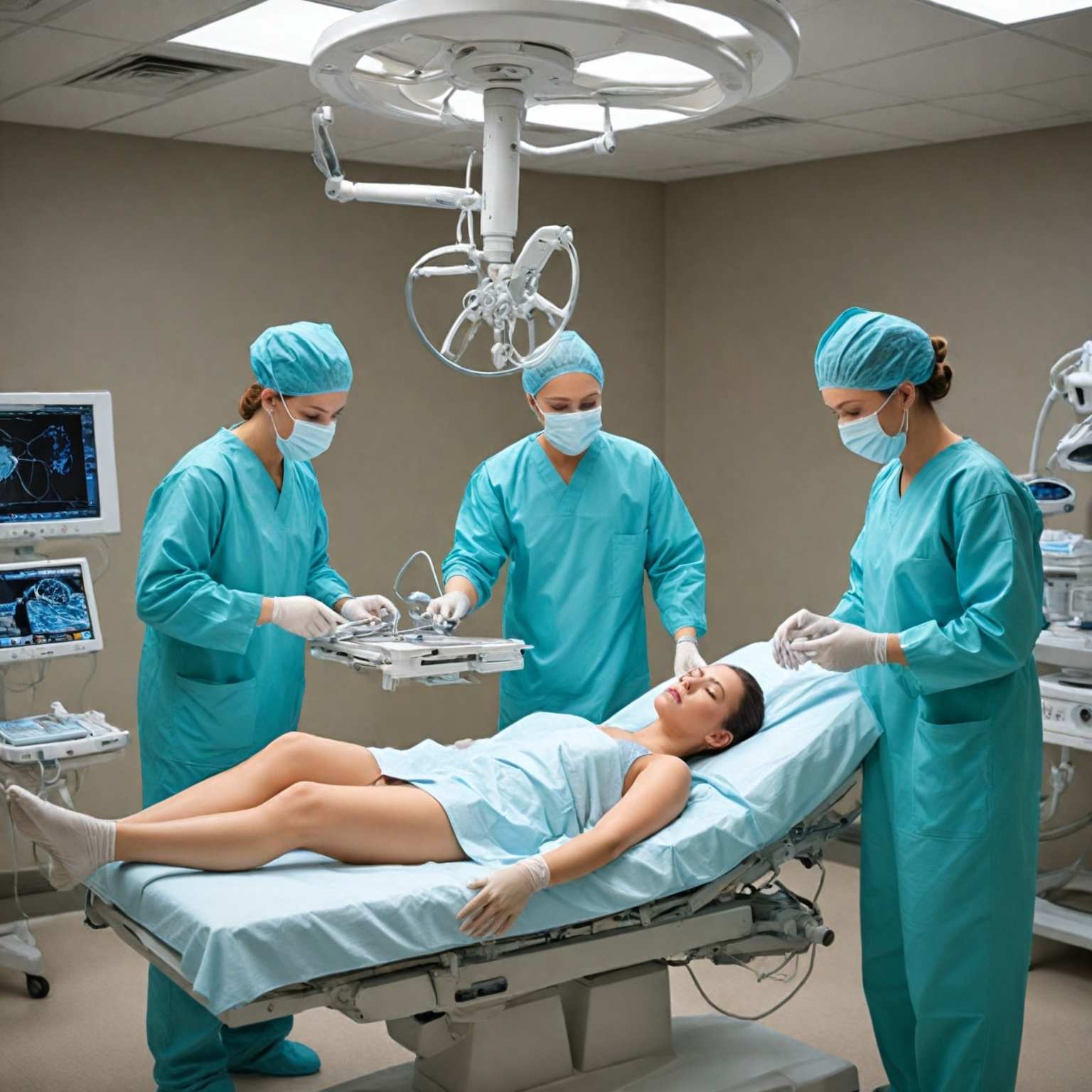
Highlights
- Modern facelift techniques prioritize natural results and minimize recovery times through technological advancements.
- Customized treatment plans are essential for optimal facelift outcomes, considering individual patient characteristics.
Summary
A facelift, or rhytidectomy, is a surgical procedure aimed at reducing the visible signs of facial aging by tightening skin and underlying tissues to restore a more youthful appearance. Since its inception in the early 20th century, facelift techniques have evolved substantially, moving from simple skin excision to sophisticated approaches that manipulate deeper facial layers such as the superficial musculoaponeurotic system (SMAS) and fat pads. These advancements have improved the naturalness, durability, and safety of results, making facelifts one of the most popular cosmetic surgeries worldwide.
Modern facelift procedures encompass a spectrum of techniques, ranging from minimally invasive options like mini and endoscopic facelifts to comprehensive surgeries including the deep plane and advanced SMAS lifts. The integration of technological innovations such as ultrasound, radiofrequency, 3D imaging, and AI-assisted planning has further refined surgical precision and patient outcomes. Additionally, non-surgical adjuncts—such as dermal fillers, fat grafting, neuromodulators, and thread lifts—are increasingly employed to complement surgical results or serve as alternatives for those seeking subtle rejuvenation without downtime.
Patient selection and individualized treatment planning are critical to achieving optimal outcomes, with factors such as skin quality, age, facial anatomy, and psychological readiness influencing technique choice and recovery. Despite the overall high satisfaction rates, facelift surgery carries risks including swelling, bruising, nerve injury, and scarring, necessitating careful perioperative care and realistic patient expectations. Cultural and social influences, particularly the impact of social media and shifting beauty standards, continue to drive demand and shape perceptions surrounding facial rejuvenation procedures.
Looking ahead, the field of facelift surgery is poised for continued transformation through emerging technologies and less invasive methods that prioritize natural, long-lasting results with reduced recovery times. Innovations such as endoscopic techniques, AI-enhanced surgical planning, and novel tissue remodeling technologies hold promise for expanding accessibility and customization in facial rejuvenation. Moreover, increasing awareness of ethnic and cultural diversity in aesthetic preferences is fostering more personalized approaches to facelift surgery globally.
History of Procedures
The history of facelift surgery, also known as rhytidectomy, traces back to the early 20th century, evolving significantly over time with advancements in surgical techniques and technology. At the beginning of the 19th century, plastic surgery for purely cosmetic purposes was considered taboo, often performed secretly with disguised operative records. Despite this, early attempts at facial rejuvenation were underway, with the ancient Egyptians documenting some of the earliest plastic surgery involving the face.
The first proto-facelift took place in Berlin in 1901 when Eugen Holländer was commissioned by a Polish aristocrat to lift her cheeks and the corners of her mouth by removing an elliptical piece of skin near the ear. Fifteen years later, in 1916, German surgeon Erich Lexer performed what is recognized as the first proper facelift. Lexer’s method involved lifting the skin of the face from underlying fat, redraping it, and pulling it tighter to achieve a rejuvenated appearance. This approach remained the predominant facelift technique for the next six decades, although it lacked the natural, long-lasting results achieved by later innovations.
The 1920s saw a surge in scholarly papers on face-lifting techniques, contributing to the development of aesthetic surgery as a large-scale practice and forming the foundation of modern reconstructive surgery. Notably, Suzanne Noël, the first female plastic surgeon, was instrumental during this period, authoring one of the earliest books on aesthetic surgery titled Chirurgie Esthetique, son rôle social. Parallel to these advancements, World War I spurred important surgical innovations, such as Johannes Esser’s skin grafting technique, which later influenced reconstructive and cosmetic procedures.
A major shift in facelift techniques occurred in the late 1960s with Tord Skoog’s introduction of subfacial dissection. This method involved lifting deeper layers of tissue beneath the skin rather than focusing solely on superficial skin excision, allowing for more durable and natural-looking outcomes. The 1970s marked a pivotal era of refinement, as surgeons embraced deeper plane techniques and began to address not only skin laxity but also skeletal changes, deterioration in skin quality, and ptosis of deeper facial tissues. This holistic approach underscored the complexity of facial aging and guided further innovations in facelift surgery.
During this period, the concept of manipulating the superficial musculoaponeurotic system (SMAS) became central to facelift procedures. Techniques such as SMAS dissection, SMASectomy, and SMAS plication were developed to reposition and tighten this critical facial layer, improving contour and longevity of results. These SMAS-based methods allowed surgeons to tailor treatments based on the degree of sagging and the patient’s unique facial anatomy.
In recent decades, the evolution continued with the advent of the deep plane facelift, which involves mobilizing the skin, fat, and SMAS layers as a single unit to reposition the soft tissues more effectively. This technique offers more natural, longer-lasting rejuvenation by addressing the structural support of the face rather than simply tightening the skin. Although deep plane facelifts gained significant popularity in the 21st century, especially through social media exposure, the technique requires precise anatomical knowledge and experience to perform correctly.
Types of Modern Techniques
Modern facelift procedures encompass a variety of surgical and non-surgical techniques designed to rejuvenate the face with natural-looking results and reduced recovery times. These approaches range from minimally invasive methods to advanced surgical techniques that address both superficial and deeper facial tissues.
Surgical Techniques
Deep Plane Facelift
The deep plane facelift is considered one of the most advanced surgical methods available in 2024 and 2025. Unlike traditional facelifts that primarily tighten the skin, this technique repositions deeper layers of facial tissue, including the superficial musculoaponeurotic system (SMAS) and fat pads, restoring a more youthful facial contour. By releasing and lifting these deeper structures, the deep plane facelift achieves a natural and longer-lasting lift while minimizing tension on the skin, leading to less scarring and faster recovery. Despite its popularity, there is some variability in how the term is used, with some surgeons applying the label to procedures that do not fully adhere to the deep plane method.
SMAS Facelift
The SMAS facelift remains a widely utilized technique that targets the superficial musculoaponeurotic system, a layer of muscle and connective tissue beneath the skin. By repositioning and tightening the SMAS layer, this method enhances facial contour with subtle, refined results that can last up to a decade or more. Incisions are typically made around the hairline and behind the ears to access the underlying facial muscles.
Mini Facelift and Mid Facelift
Mini facelifts are less invasive versions of traditional facelifts, suitable for younger patients or those with mild to moderate signs of aging. While the results are less dramatic, mini facelifts offer shorter recovery times and minimal scarring. The mid facelift specifically targets the cheek and lower eyelid areas, addressing deep nasolabial folds and hollowing under the eyes, making it effective for patients with sagging cheeks and under-eye concerns.
Vertical Restore and Advanced SMAS Lift
Innovative techniques such as the Vertical Superior Vector Suspension, also known as the V Plication facelift, focus on volumization and lifting by suspending and volumizing the anterior mobile face. These refinements emphasize restoring youthful facial fullness along with lift. The advanced SMAS lift continues to evolve, offering comprehensive rejuvenation with natural outcomes.
Minimally Invasive and Rapid Procedures
Emerging surgical options include procedures like the 20-Minute Permanent Facelift and 30-Minute Facelift, which employ technologies such as ultrasound and radiofrequency to achieve noticeable facial tightening with minimal downtime and without extensive surgery. Endoscopic facelifts utilize small cameras and specialized instruments to perform lifts with smaller incisions, resulting in reduced scarring and quicker recovery periods.
Non-Surgical and Adjunctive Techniques
Non-surgical methods complement surgical facelifts or serve as alternatives for those seeking subtle improvements without downtime. Popular options include dermal fillers, fat grafting (milli-fat, micro-fat, nano-fat), and neuromodulators like botulinum toxin, which help restore facial volume, smooth wrinkles, and maintain natural facial expressions. PDO thread lifts use dissolvable sutures to lift sagging skin with minimal invasiveness.
Additionally, laser skin resurfacing and combined treatments involving botulinum toxin and laser therapy enhance skin texture and tone, further augmenting facial rejuvenation efforts. When integrated with surgical procedures, these modalities contribute to a comprehensive, personalized approach to facial rejuvenation.
Technological Innovations and Surgical Modifications
Facelift procedures have undergone significant advancements, evolving from traditional invasive methods to more refined and less invasive techniques that prioritize natural-looking results and minimized recovery times. Modern surgical innovations incorporate both technological enhancements and modified surgical approaches to improve outcomes and patient satisfaction.
One of the most notable technological developments is the integration of endoscopic facelifts. This minimally invasive technique uses small incisions concealed within the hairline or facial contours, through which a tiny camera projects a magnified view of facial tissues onto a monitor. Surgeons employ specialized instruments to precisely lift and reposition sagging tissues, reducing excess skin and enhancing the face’s natural shape without visible scarring. By combining endoscopic access with advanced deep plane lifting maneuvers, this approach offers effective facial rejuvenation with imperceptible scars and optimized long-term results.
In addition to endoscopic methods, other less invasive procedures such as mini facelifts and microliposuction have gained prominence. These techniques provide notable rejuvenation effects while shortening recovery periods and minimizing complications compared to traditional facelifts. Moreover, technologies like 3D imaging and AI-driven simulations are increasingly employed in surgical planning, allowing surgeons to create personalized treatment plans and achieve precise, youthful facial contours.
Surgical modifications also include variations of tissue repositioning. For example, the SMAS (superficial musculoaponeurotic system) lift remains a common technique that tightens the SMAS layer to improve facial contour. However, to better address deep nasolabial folds, the deep plane facelift was developed. This method differs by freeing cheek fat and muscles from the underlying bone, allowing more comprehensive repositioning of facial tissues. Although it carries a higher risk of facial nerve injury, it can provide superior correction in certain cases. Compared to traditional subcutaneous facelifts, deep plane techniques create a thicker flap and reduce complications but rely primarily on skin tightening to maintain lift tension.
Emerging technologies such as Coolaser, microliposuction, and hypothetical innovations like Neustem are expected to further transform facial rejuvenation by combining surgical and non-surgical methods for enhanced outcomes. Additionally, AI-assisted procedures and 3D printing continue to enhance surgical precision and customization, underscoring a trend towards less invasive, more personalized, and natural-appearing results in facelift surgery.
Patient Selection Criteria and Dermatological Considerations
Patient selection for facelift procedures is a critical step that significantly influences surgical outcomes. Various factors including skin quality, age, facial structure, and overall health must be carefully evaluated to determine the most appropriate technique and ensure optimal results.
Skin Quality and Type
The inherent quality of a patient’s skin plays a fundamental role in the healing process and the longevity of facelift outcomes. Patients with thicker, more elastic skin tend to experience longer-lasting results due to better natural collagen support, whereas thinner or less elastic skin may require tailored approaches to minimize complications. During consultation, a thorough dermatological evaluation should be performed to assess skin condition and provide customized aftercare instructions aimed at enhancing healing and reducing risks. Since cosmetic procedures are not one-size-fits-all, understanding how different skin types respond to invasive and noninvasive interventions helps guide treatment planning.
Age and Facial Structure
Younger patients generally achieve longer-lasting facelift results because their skin retains higher collagen levels and elasticity compared to older individuals. Additionally, the underlying facial bone structure influences both the choice of surgical technique and postoperative appearance. Patients with strong skeletal support may have better facial contouring outcomes. Evaluating these factors helps surgeons select from various techniques, including SMAS manipulation and deep plane lifts, to match the patient’s anatomical needs.
Overall Health and Psychological Assessment
A comprehensive evaluation also includes assessing the patient’s general physical health and psychological well-being to determine their suitability for surgery. Healthy individuals with realistic expectations tend to have better recovery experiences and satisfaction rates. Emotional readiness is important as patients may experience temporary psychological challenges such as mild depression during the postoperative period due to swelling and bruising.
Dermatological Preparations and Aftercare
Preoperative skin preparation and postoperative care are essential components of patient management. Patients should be counseled on sun avoidance, daily use of sunscreen, and application of high-quality skincare products to protect vulnerable healing skin and preserve surgical results. Adherence to post-op instructions, including activity restrictions and wound care, is crucial to prevent complications such as hematoma, delayed healing, or scarring. Customized aftercare protocols tailored to the individual’s skin type and procedure specifics further enhance healing and patient satisfaction.
Surgical Procedure and Perioperative Care
Facelift surgery, or rhytidectomy, encompasses a variety of procedures that differ primarily in the type of incision made, the invasiveness of the technique, and the specific areas of the face targeted for rejuvenation. Surgeons typically offer multiple facelift techniques and select the most suitable approach based on the patient’s unique anatomy and aesthetic goals during consultation. Modern advances have shifted the focus from traditional, highly invasive methods to more refined, minimally invasive techniques such as mini facelifts and endoscopic facelifts, which offer precise contouring, reduced scarring, and shorter recovery periods. For example, the endoscopic facelift utilizes a small camera and specialized instruments to lift facial tissues with minimal trauma.
Incisions for facelift surgery are carefully planned to be concealed within the hairline and natural facial contours around the ear, and are closed with sutures that may be either absorbable or require removal, sometimes supplemented with skin adhesives to optimize healing. Techniques like the SMAS (superficial musculoaponeurotic system) lift address deeper tissue layers for comprehensive facial rejuvenation, providing more lasting results than skin-only lifts. The choice between traditional and minimally invasive approaches involves weighing benefits such as dramatic, long-lasting results against factors like recovery time and candidacy limitations.
Perioperative care is essential to optimize healing and minimize complications. Postoperative instructions commonly emphasize the importance of icing the face and neck during the first 72 hours to reduce swelling and discomfort, avoiding strenuous activities such as bending or heavy lifting for at least one week, and adhering strictly to wound care protocols. Patients are advised to protect their healing skin from sun exposure by applying sunscreen daily and wearing protective clothing to preserve surgical outcomes. Swelling and bruising are expected during the first two weeks, often accompanied by sensations such as numbness or tightness, but these typically resolve without intervention. Use of glasses and contact lenses can usually resume shortly after bandage removal, while hair and body care should be managed gently during the initial recovery period.
A comprehensive consultation typically involves a thorough evaluation of skin quality and personalized planning to tailor the procedure and postoperative care to the patient’s needs, thereby enhancing safety and satisfaction. Additionally, some patients may benefit from complementary non-surgical treatments such as injectable fillers, platelet-rich plasma, or microneedling to synergistically improve overall facial rejuvenation results. While facelift surgery remains one of the most common aesthetic procedures, ongoing innovations continue to refine surgical techniques and perioperative protocols to reduce downtime, minimize complications, and achieve natural, youthful outcomes.
Outcomes, Longevity, and Patient Satisfaction
Face-lift procedures have evolved significantly, with a focus on optimizing outcomes and patient satisfaction through the use of specific indication criteria tailored to each technique. A study involving 1,000 patients
Risks and Complications
Facelift surgery, while one of the most common aesthetic procedures in the United States, carries a range of potential risks and complications that patients should be aware of before undergoing the procedure. Complications may vary from common, transient effects to less frequent but more serious issues.
One of the most frequently observed postoperative conditions is swelling and bruising, typically present during the first two weeks after surgery. Patients may experience numbness, tingling, and tightness in the affected areas, particularly around the face, neck, and ears. These symptoms are generally temporary and resolve as healing progresses. The initial postoperative period can also include sensations of weakness or numbness in parts of the face and neck, which usually improve with time.
Accidental trauma to the face during the early recovery phase is a common concern. Minor bumps or hits are usually not cause for alarm unless accompanied by significant bleeding or swelling. Patients are advised to report any such incidents to their surgeon promptly, either at the next office visit or by telephone if necessary.
While the majority of complications are manageable, careful postoperative care is essential to minimize their occurrence and severity. Keeping busy with routine postoperative instructions and diverting attention through activities such as reading or watching movies can aid in coping with discomfort and anxiety during recovery.
More serious complications, although less common, require prompt attention and appropriate intervention. The literature emphasizes the importance of objective measures to reduce these risks and provides guidance on treatment when complications arise. Patient satisfaction with various facelift techniques appears equivocal, reflecting that no single method is free of risk or universally optimal.
Emerging combined treatments, such as the concomitant use of botulinum toxin A with laser therapies, show promise in enhancing outcomes and possibly reducing complication rates, although current evidence remains limited. As facelift procedures evolve with technological advances, ongoing research aims to further understand and mitigate the risks associated with both surgical and non-surgical approaches.
Cultural, Social, and Psychological Impact
Cultural backgrounds play a significant role in shaping individual desires and expectations for facelift procedures. Different cultures emphasize varying aesthetic ideals, such as preferences for fuller lips or more subtle enhancements, which often stem from deep-rooted historical contexts and cultural heritage. Patients typically seek cosmetic enhancements that align with their ethnic identity while aiming to improve their appearance in ways culturally deemed acceptable. For instance, some cultures prioritize natural beauty and may view surgical interventions with caution, whereas others celebrate more noticeable enhancements as a form of self-expression and empowerment.
Social factors, including the pervasive influence of social media and celebrity culture, have contributed to an increased interest in cosmetic surgery, especially among younger demographics aged 18 to 34. Many individuals in this age group regard cosmetic procedures as tools to achieve beauty standards popularized online, highlighting a global trend toward integrating surgical aesthetics with modern ideals of attractiveness. This trend is further fueled by the widespread use of high-definition cameras in selfies and virtual meetings, which heightens public attention to facial details and imperfections, thereby motivating more people to consider facial rejuvenation procedures.
Psychological impacts associated with facelift surgery are multifaceted. Post-operative experiences can include temporary numbness or weakness in the face, neck, and ears, which patients are advised to manage through distraction and appropriate post-care strategies, such as engaging in leisure activities. Additionally, it is not uncommon for patients to experience a period of mild depression after surgery due to shock over initial swelling or discoloration, despite prior counseling and expectations management. Psychological assessments are crucial before surgery to evaluate emotional readiness and overall mental health, ensuring that candidates have realistic expectations and the psychological resilience required for recovery.
Future Directions and Emerging Trends
The future of facelift procedures is marked by a dynamic integration of both surgical and non-surgical innovations aimed at enhancing safety, effectiveness, and patient accessibility. In 2023 and beyond, non-surgical facelifts have gained significant traction due to their reduced risks and minimal downtime, appealing to a broader range of patients seeking facial rejuvenation without extensive recovery periods.
Emerging technologies such as Neustem (a hypothetical advancement), Coolaser, and microliposuction are anticipated to further transform the facelift landscape by offering less invasive alternatives and more precise tissue remodeling. Additionally, modern surgical techniques are increasingly adopting minimally invasive approaches like endoscopic facelifts, which utilize small incisions concealed within the hairline or natural facial contours. These methods employ tiny cameras to guide surgeons during the procedure, allowing for accurate lifting and adjustment of sagging tissues while minimizing visible scarring and accelerating recovery.
Advances in facial augmentation techniques, including fat grafting and dermal fillers, are also shaping future trends by enabling more natural-looking and individualized results that preserve patients’ unique facial expressions and characteristics. The incorporation of technologies such as 3D imaging and AI-driven simulations is enhancing surgical planning and outcome predictability, thus improving overall patient satisfaction.
Moreover, understanding cultural and ethnic differences in aesthetic preferences is becoming increasingly important for tailoring cosmetic procedures to diverse populations. This broader perspective is expected to drive the development of more effective and widely acceptable facelift techniques globally.
Collectively, these advancements reflect a shift towards personalized, less invasive, and technology-enhanced facelift procedures that prioritize natural results, quicker recovery, and broader accessibility for patients seeking facial rejuvenation.
The content is provided by Blake Sterling, Direct Bulletins