Highlights
- Night cleaning careers offer flexible schedules and higher wages, attracting job seekers.
- The growing demand for sanitation and innovative cleaning technologies makes this field promising.
Summary
Night cleaning careers involve performing cleaning, maintenance, and housekeeping tasks during overnight hours in commercial, industrial, and institutional facilities. Typically conducted after regular business hours, these roles ensure that offices, hotels, hospitals, and other establishments remain clean and operational without disrupting daytime activities. The work often includes routine duties such as dusting, vacuuming, mopping, waste disposal, and occasionally deep cleaning tasks like floor waxing or carpet shampooing. Night cleaning is a vital occupation across multiple sectors, including hospitality, healthcare, and security, reflecting its broad economic importance.
The growing popularity of night cleaning careers is driven by factors such as increased demand for sanitation heightened by the COVID-19 pandemic, higher wages associated with night shifts, flexible scheduling options, and operational needs that require cleaning during off-hours to avoid interrupting daily business. Additionally, outsourcing trends in industries like healthcare have expanded job opportunities by streamlining labor management and providing stable work for cleaning personnel. Despite these advantages, night cleaning poses unique challenges, including health risks from chemical exposure, safety concerns due to working in isolated environments, and the social and psychological impacts of non-traditional work hours.
Night cleaning workers frequently face significant hardships such as pay inequality, safety vulnerabilities—especially among female workers—transportation difficulties, and sleep disruption linked to irregular shifts. The demanding nature of overnight work and exposure to occupational hazards underscore the importance of effective health and safety management, including proper training on chemical handling, use of personal protective equipment, and emergency procedures. Employers and regulatory bodies continue to focus on mitigating these risks to improve working conditions and sustain workforce growth in this sector.
Looking ahead, night cleaning careers are expected to grow steadily, supported by ongoing demand in expanding sectors like healthcare and increased technological integration in cleaning operations. Innovations in cleaning service software and automation offer potential efficiency gains, though they also require workers to adapt to new skills and workflows. Overall, night cleaning remains an essential and evolving profession critical to maintaining public health, safety, and operational continuity across diverse industries worldwide.
Overview of Night Cleaning Careers
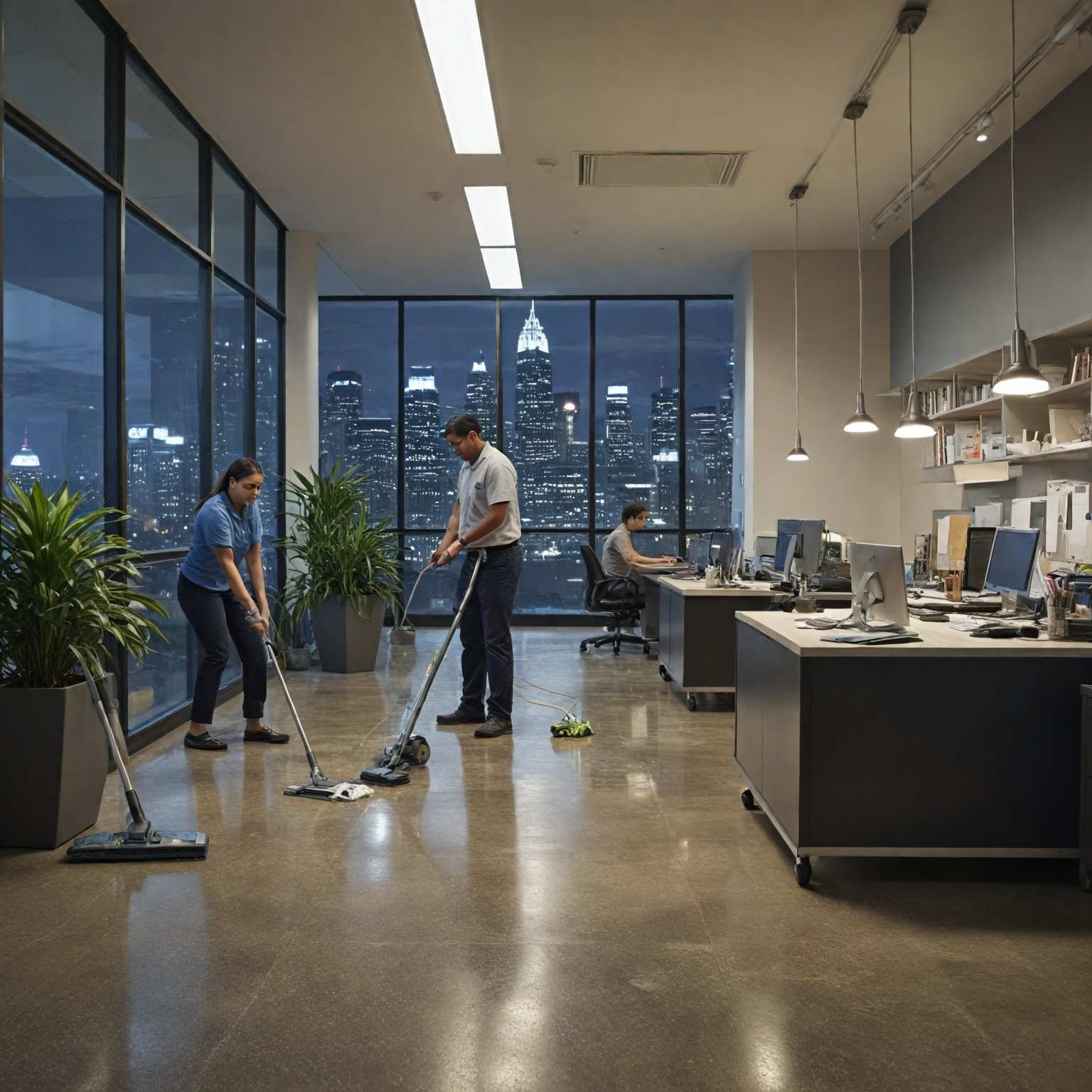
Night cleaning careers involve performing various upkeep, maintenance, and housekeeping tasks to ensure the cleanliness and smooth daily operations of a facility. Typically, individuals in this role work overnight, cleaning offices, commercial buildings, or other establishments after regular business hours when these spaces are unoccupied. Common duties include dusting, vacuuming, mopping, furniture rearrangement, cleaning spills, emptying trash receptacles, and occasionally performing deep cleaning tasks such as waxing floors or shampooing carpets.
The role often overlaps with janitorial work, although some tasks may be divided among team members depending on the facility’s staffing structure. Night cleaners may also assist with minor maintenance duties and are responsible for reporting any issues that require specialized repair or maintenance personnel. Maintaining a functioning inventory of cleaning supplies and equipment is essential to support the workers and uphold quality standards.
Night cleaning is a crucial occupation spanning multiple sectors including hospitality, food delivery, cleaning, maintenance, and security. Due to the nature of their work during late hours and often in isolated environments, the safety of night cleaners is a significant concern. Employers must provide adequate training on handling cleaning chemicals, interpreting Safety Data Sheets, proper ventilation, and emergency procedures in case of spills or hazardous exposure. Additional safety measures, such as offering self-defense training, can also be valuable for night cleaning crews given the unique risks associated with working overnight.
Historical Background
Night cleaning as a distinct occupation has evolved alongside the broader expansion of the cleaning industry, particularly in commercial and industrial settings. Traditionally, cleaning tasks were often conducted during daytime hours; however, the rise of 24-hour operations in sectors such as hospitality, healthcare, and manufacturing led to an increased demand for cleaning services during night shifts. This shift enabled businesses to maintain cleanliness standards without disrupting regular daytime activities, making night cleaning an essential component of facility management.
Research on occupational hazards faced by cleaners dates back several decades, with epidemiologic studies conducted between 1981 and 2005 highlighting various health risks associated with cleaning work. These studies revealed that respiratory and dermatologic diseases were among the most common health outcomes linked to exposure to cleaning agents and other workplace hazards, emphasizing the physical challenges faced by cleaners, including those working at night.
The workforce performing night cleaning has grown more diverse and fragmented over time, encompassing not only cleaners but also other night workers such as nurses, security guards, and delivery personnel. In London alone, night workers constitute around a quarter of the workforce, underscoring the significance of night shift roles across multiple sectors including cleaning and maintenance.
More recently, the importance of night cleaning has been further underscored by heightened cleanliness standards introduced during global health crises, which have intensified demand for specialized sanitation services at all hours. This has contributed to expanding job opportunities for night cleaners and a growing recognition of the role they play in maintaining public health and safety.
Factors Driving Growing Popularity
The growing popularity of night cleaning careers can be attributed to several interrelated factors rooted in economic, operational, and social dynamics. One of the primary drivers is the increased demand for cleaning services accelerated by the COVID-19 pandemic, which heightened awareness of cleanliness and sanitation standards across residential and commercial sectors. This surge in demand has expanded job opportunities within the cleaning industry, particularly for night shifts that accommodate strict health and safety protocols without disrupting daily business operations.
Economic considerations also play a significant role. Night shifts often offer higher wages compared to daytime cleaning jobs, along with flexible scheduling options that appeal to workers seeking a better work-life balance or supplemental income. These financial incentives attract many professionals to night cleaning roles, despite challenges such as adjusting to non-traditional hours and concerns over safety during overnight work. Additionally, the ability to work uninterrupted during nighttime hours allows for the use of noisy or hazardous equipment that would be impractical during regular business hours, further reinforcing the operational necessity of night cleaning.
The rise in outsourcing cleaning services, especially in sectors like healthcare, has contributed to the growth of night cleaning jobs as specialized contractors handle labor relations and staffing logistics more efficiently than smaller organizations. This outsourcing trend ensures a steady supply of work and often provides workers with access to broader job networks and replacement coverage during absences.
Shifting consumer behaviors and societal values also influence the trend. As busy professionals prioritize convenience and seek to maximize their leisure time, the demand for cleaning services—particularly during off-peak hours—has increased. This reflects a broader lifestyle evolution in urban communities where time is increasingly viewed as a valuable commodity. Moreover, the night cleaning workforce is diverse and spans multiple sectors, including hospitality, maintenance, and security, indicating the widespread reliance on night shift labor across the economy.
Despite the growing popularity, working night shifts in cleaning presents unique challenges such as health impacts, social isolation, and safety concerns. An international survey of cleaners highlights the detrimental effects of irregular and unsocial working hours on workers’ well-being, underscoring the importance of addressing these issues to sustain workforce growth. Nonetheless, the combination of increased demand, economic benefits, operational necessities, and evolving societal priorities collectively drives the expanding appeal of night cleaning careers worldwide.
Types of Night Cleaning Jobs
Night cleaning jobs encompass a variety of roles focused on maintaining cleanliness and hygiene in different types of facilities during after-hours. The most common positions involve general cleaning duties such as dusting, vacuuming, furniture rearrangement, spill cleanup, trash removal, and occasional deep cleaning tasks like waxing floors or shampooing carpets. These tasks ensure that buildings, offices, and other environments are fresh and ready for use each day.
Among night cleaners, janitors and building cleaners represent a significant portion. Their work is primarily indoors, often performed in office buildings, schools, or commercial spaces when these areas are vacant, typically during the evening or overnight shifts. This timing minimizes disruption to daily operations and client activities. Additionally, some specialized cleaning roles have emerged, especially in sectors such as healthcare and hospitality, where advanced disinfection and deep cleaning services are in high demand to meet stringent hygiene standards.
The residential cleaning sector also plays a role in night cleaning employment, driven by demographic changes and increased disposable income. Although many residential cleaning jobs occur during daytime, some services may offer after-hours cleaning to accommodate clients’ schedules, reflecting the sector’s overall growth and diversification. Across all types, night cleaning jobs can be physically demanding and sometimes expose workers to health risks such as musculoskeletal disorders and chemical-related skin conditions, emphasizing the importance of safety protocols and training in this field.
Skills, Qualifications, and Training
Night cleaning careers generally require minimal formal qualifications, making them accessible to many job seekers. Entry-level positions often do not demand specific educational credentials or prior experience, as competition for overnight custodian jobs tends to be low. However, certain skills and attributes are essential for success in this field.
Physical fitness is a fundamental requirement because the work involves manual labor such as carrying supplies, pushing or moving cleaning equipment, and reaching both low and high areas. Attention to detail and time-management skills are critical, as night cleaners must perform thorough cleaning tasks efficiently during non-business hours, often working independently with limited supervision and in low-light conditions. Familiarity with commercial cleaning equipment, chemical handling, and safety procedures is also important, ensuring safe and effective cleaning practices.
Soft skills such as reliability, self-motivation, and the ability to work independently are highly valued. Night cleaners often face unique challenges, including working when buildings are largely unoccupied and managing unexpected maintenance issues. Basic knowledge of cleaning protocols and procedures helps ensure that all duties—such as sweeping, mopping, dusting, vacuuming, restroom sanitation, and minor maintenance—are completed to standard.
Training plays a vital role in equipping night cleaners with the knowledge needed to handle cleaning chemicals safely and to comply with workplace health and safety regulations. Employers typically provide guidance on the proper use of equipment, personal protective equipment (PPE), and adherence to standards such as those outlined by OSHA’s Hazard Communication standard. Training also covers emergency preparedness, including first aid and handling chemical exposure incidents, to protect workers’ health and safety.
Work Environment and Conditions
Night cleaning careers present a distinct set of work environment characteristics and conditions that differ significantly from daytime cleaning roles. One of the primary features of night cleaning jobs is the overnight schedule, which can be mentally and physically demanding. Workers often need strong time management skills to maintain a healthy work-life balance despite the unconventional hours. While most night cleaning positions do not require extensive customer service or interpersonal skills, the nature of the shifts means cleaners often work with minimal supervision or interaction.
The scheduling of night shifts is frequently inflexible, with many employers and clients offering limited daytime alternatives. This situation leaves cleaners with reduced control over their work hours but often higher wages as compensation for the inconvenience and difficulty of working overnight. The increased pay rates and flexible scheduling options attract many cleaning professionals, especially those who find night shifts better aligned with their lifestyles or financial goals.
Safety and health hazards are significant concerns in night cleaning environments. Cleaning workers face a variety of risks, including exposure to harmful chemicals, confined spaces, and ergonomic challenges such as heavy lifting and repetitive movements that can lead to musculoskeletal injuries. Proper use of personal protective equipment (PPE) and adherence to safety regulations like the Health and Safety at Work Act 1974 and COSHH are essential to minimize these risks. Additionally, respiratory issues and skin irritation are common health problems linked to cleaning agents, wet work, and allergens like rubber latex.
Working overnight also introduces unique safety concerns beyond physical health. Limited availability of immediate assistance during emergencies and potential security risks, including crime, necessitate heightened awareness and precautionary measures for night cleaning staff. Employers are encouraged to provide thorough safety training, maintain first aid kits in accessible locations, and ensure effective communication protocols are in place to support workers during night shifts.
Socioeconomic factors further influence the work environment for many night cleaners, particularly those from lower-income and immigrant backgrounds. Studies highlight that these workers often face additional challenges, such as limited formal education and the need to adapt to new technologies, which can affect job satisfaction and efficiency. Despite these obstacles, night cleaning remains a critical occupation that supports the operation of numerous commercial and industrial facilities outside regular business hours.
Labor Market Trends and Demographics
The night cleaning workforce in the United States encompasses a diverse and growing segment of the labor market, characterized by a large number of low-paying, temporary, or part-time jobs with limited opportunities for training or career advancement. According to the Bureau of Labor Statistics, over 4 million people are employed as cleaning workers, many of whom work evening or night shifts and often juggle additional jobs, schooling, or other responsibilities during the day. These demanding work conditions contribute to a notably high turnover rate, estimated to reach as high as 300% in some cases.
Demographically, the cleaning industry relies heavily on immigrant labor, including a significant portion of illegal immigrants. Estimates suggest that between 17% and 23% of the undocumented immigrant population in the U.S. are employed in cleaning roles, a number that continues to grow annually by approximately 0.5% to 0.33%. The nocturnal nature of janitorial and cleaning work is particularly appealing for this group, as night shifts offer a clandestine form of employment that aligns with their need for discretion.
The expanding economy and shifting societal values have also influenced the demand for night cleaning services. With increasing disposable incomes, many households and businesses prioritize convenience and time-saving services, contributing to a rising preference for professional cleaning support in metropolitan areas such as Seattle. This trend is supported by the expected 3% employment growth for janitors and building cleaners projected from 2023 to 2033.
Night shifts in cleaning roles are often favored due to higher pay rates compared to daytime positions, flexible scheduling, and increased job opportunities in commercial and industrial settings. For many workers, these benefits align better with their lifestyles and financial needs, making night cleaning a preferred or necessary employment option. However, the limited availability of daytime shifts leaves many workers with little control over their schedules, reinforcing the prevalence of nighttime work within this sector.
Challenges and Hardships
Night cleaning workers in London, many of whom come from lower-income backgrounds and immigrant families, face a variety of significant challenges and hardships in their roles. These difficulties include pay inequality, health problems, transport issues, safety concerns, and a lack of workplace dignity.
One of the primary health-related challenges for night cleaners is managing the impact of non-traditional working hours. Sleep disturbances and fatigue are common due to the difficulty in adjusting to night shift schedules, which, if not properly managed, can lead to long-term health problems such as increased stress and physical ailments. In addition, the anxiety and depression risks associated with disrupted sleep cycles can be mitigated through physical activity, though this is often difficult for night workers to incorporate consistently into their routines.
Safety is a critical concern, particularly for female night cleaners. Around 45% report feeling unsafe at work, with many experiencing harassment either on-site or during their commute. Over one-third have encountered harassment incidents, highlighting the vulnerabilities faced by this workforce during overnight hours. Working alone or in large, empty buildings further elevates security risks and limits immediate access to emergency assistance, contributing to a heightened sense of vulnerability.
Social and family life conflicts also pose a significant hardship for night cleaners. Evening and night shifts often interfere with social engagements and family responsibilities, leading to higher rates of conflict compared to day-shift workers. Despite the challenges, many workers continue to accept night shifts due to limited availability of daytime roles and the relatively higher wages offered for overnight work, which are crucial for those struggling with the high cost of living.
From a regulatory perspective, night cleaners must navigate various health and safety requirements, including adherence to the Health and Safety at Work Act 1974 and regulations concerning hazardous substances, manual handling, and personal protective
Health and Safety Management
Effective health and safety management is crucial in night cleaning careers to protect workers from the various hazards inherent in their tasks. Organizations supporting cleaning businesses often assist by creating and reviewing tailored health and safety documentation and by providing guidance on implementing safe working practices for their employees. Compliance with legislation such as the Health and Safety at Work etc. Act 1974 (HSWA), Control of Substances Hazardous to Health (COSHH) Regulations 2002, Manual Handling Operations Regulations 1992, and Personal Protective Equipment (PPE) at Work Regulations 1992 is essential to ensure the health, safety, and welfare of cleaning workers.
Maintaining a functioning inventory of supplies and equipment, including appropriate PPE like gloves, safety goggles, and respirators, is fundamental to worker protection during cleaning tasks. Before commencing any cleaning activity, sufficient and relevant training must be provided. This training should cover the safe use of cleaning chemicals, understanding Safety Data Sheets (SDSs), proper ventilation requirements, and emergency response procedures such as dealing with spills or exposures. Organizations are encouraged to standardize protocols for handling cleaning activities to align workers with best practices, uphold quality, and ensure minimum health and safety standards are regularly met.
Night cleaning crews face additional challenges, including the need for self-defense training to address safety concerns that can arise during off-hours work. Moreover, policies related to workplace cleanliness must be realistic, clearly worded, and enforceable to promote compliance without overcomplicating tasks. Employers are advised to foster a culture of safety by continuously identifying, mitigating, and addressing workplace hazards unique to cleaning environments.
Research has identified that cleaners are at risk of respiratory and dermatologic diseases due to exposure to cleaning agents, wet work, and materials such as rubber latex. Infectious disease risks are also present, especially among cleaners working in medical laboratory settings who may be exposed to broken glass and uncapped needles. While high-income countries have largely mitigated such risks through safety measures, many low- and middle-income countries still lack adequate resources to fully protect healthcare and cleaning workers from occupational hazards.
Technological Advances in Night Cleaning
Technological advancements have significantly transformed the night cleaning industry, introducing more efficient ways to manage cleaning operations and meet the evolving demands of clients. One key development is the emergence of specialized cleaning service software that facilitates on-demand scheduling and resource allocation. This technology is especially beneficial for businesses with fluctuating occupancy or cleaning needs, as it allows for flexible, cost-effective management of cleaning tasks without overcommitting resources. Scheduling software helps streamline job assignments, dispatch cleaning teams more effectively, and prevent double bookings, thereby enhancing overall operational efficiency.
The growing integration of technology in night cleaning services is also driven by broader market trends, including the aging population, a booming real estate sector, and heightened focus on cleanliness standards. These factors contribute to a rising demand for professional cleaning services, which in turn fuels the expansion of the cleaning service software market. Industry projections estimate that this market will reach USD 2.65 billion by 2028, growing at an annual rate of approximately 10.3%.
Impact on Workers’ Lifestyle
Night cleaning careers significantly influence the lifestyle and well-being of workers, presenting a range of challenges related to health, social conditions, and occupational stress. One of the primary concerns is the effect of irregular work hours on sleep patterns. Night workers often struggle to obtain adequate rest during the day or evening, which can lead to long-term health problems. The disruption of natural circadian rhythms contributes to increased fatigue and associated physical and mental health issues.
Moreover, the nature of cleaning work itself has both psychological and physical implications. Cleaning activities have been observed to reduce stress and anxiety due to the physical engagement and the sense of accomplishment from maintaining a clean environment. However, for professional cleaners, especially those working overnight shifts, the benefits may be offset by workplace stressors and environmental factors. For example, a study focusing on cleaning workers from lower-income and immigrant backgrounds in the Caribbean revealed challenges such as limited formal education, the need to adapt to new technologies, and socioeconomic pressures that impact job satisfaction and efficiency.
Additionally, the occupational environment of night cleaners is often marked by physical and psychosocial stressors. Research indicates that covariation between these stressors can complicate the health outcomes of workers and underscores the need for improved assessment and preventive measures within this workforce. Night workers in metropolitan areas like London report further difficulties, including pay inequality, safety concerns, transportation issues, and a perceived lack of workplace dignity, all of which exacerbate the overall lifestyle impact of night cleaning careers.
Case Studies and Industry Examples
The night cleaning sector offers diverse employment opportunities, including roles such as housekeeping in hotels where workers may occasionally interact with guests. Although cleaning skills are essential, many employers provide training on proper chemical use and disposal to ensure safety and effectiveness. Companies specializing in cleaning services, particularly those serving the healthcare industry, benefit from the ongoing trend of outsourcing cleaning tasks. This creates opportunities not only for employment within established companies but also for individuals to build reputations as freelance cleaners catering to various clients.
Industry examples highlight a range of employers recruiting for night cleaning positions. For instance, ABM Industries, Inc. in Chicago, IL, and Interstate Building MTC, Inc. in Northbrook, IL, offer roles such as night custodians and night cleaner floaters, illustrating the geographic spread and demand for night cleaning staff in commercial settings.
The cleaning industry plays a critical role in maintaining health and safety standards across institutional and industrial environments by mitigating workplace hazards. However, the nature of the work also exposes cleaners to specific risks, and because workers often move between different environments, managing these hazards can be challenging for employers. Despite this, employers hold the responsibility for ensuring worker well-being, implementing standards to minimize risks associated with night cleaning tasks.
Technological advancements are influencing the cleaning industry significantly. Research into the Worker Adaptation Theory (WAT) shows how low-income cleaning workers adjust to technological changes, affecting their well-being and organizational practices. This intersection between technology and cleaning work is crucial for understanding workforce dynamics and improving conditions in night cleaning careers.
The industry is also evolving through the introduction of specialized cleaning services that respond to growing market demands. Advanced disinfection protocols in medical facilities and deep cleaning services in hotels are examples of such specialization driving growth. Incorporating eco-friendly products and sanitation technologies not only meets customer needs but also adds value to commercial cleaning businesses. As of 2023, the global commercial cleaning market is valued at approximately $343.34 billion and is projected to grow at a compound annual growth rate (CAGR) of 6.05% by 2028. This growth is supported by a diverse array of services including window cleaning, carpet and upholstery care, and construction site cleaning.
Furthermore, market trends and pricing strategies vary regionally. Cleaning companies often set higher prices in larger metropolitan areas due to competition and increased living costs, while wages and pricing structures also differ based on local economic conditions. This regional variation affects how night cleaning services are marketed and delivered, influencing career prospects within the sector.
Future Trends and Outlook
The future outlook for night cleaning careers appears promising, with employment growth expected to continue over the next decade. According to labor statistics, janitors and building cleaners are projected to see a 3% employment increase from 2023 to 2033, translating to approximately 350,300 job openings annually during this period. This steady demand is partly driven by an aging workforce and evolving employment dynamics within the cleaning industry.
Earlier projections also indicated a faster growth rate of 10% from 2016 to 2026, especially within sectors such as healthcare, which is experiencing substantial expansion and requires increased cleaning services to maintain hygienic environments. The rise in healthcare-related cleaning roles highlights the importance of night cleaners in supporting facility operations that demand high sanitation standards.
Technological advancements are influencing the cleaning industry as well. Research into worker adaptation to technology reveals that automation and innovative tools are reshaping job practices, with implications for worker well-being and organizational efficiency. These changes may require night cleaners to develop new skills and adapt to evolving workflows.
Additionally, the industry faces ongoing challenges related to labor shortages and safety compliance. The demand for trained professionals who understand the proper use of chemicals and equipment is growing, especially given the health and safety regulations designed to protect workers from hazards such as exposure to harmful substances and confined spaces. Nighttime cleaning offers operational advantages, including reduced disruption to client activities, which may contribute to its increasing popularity among commercial facilities.
The content is provided by Avery Redwood, Direct Bulletins