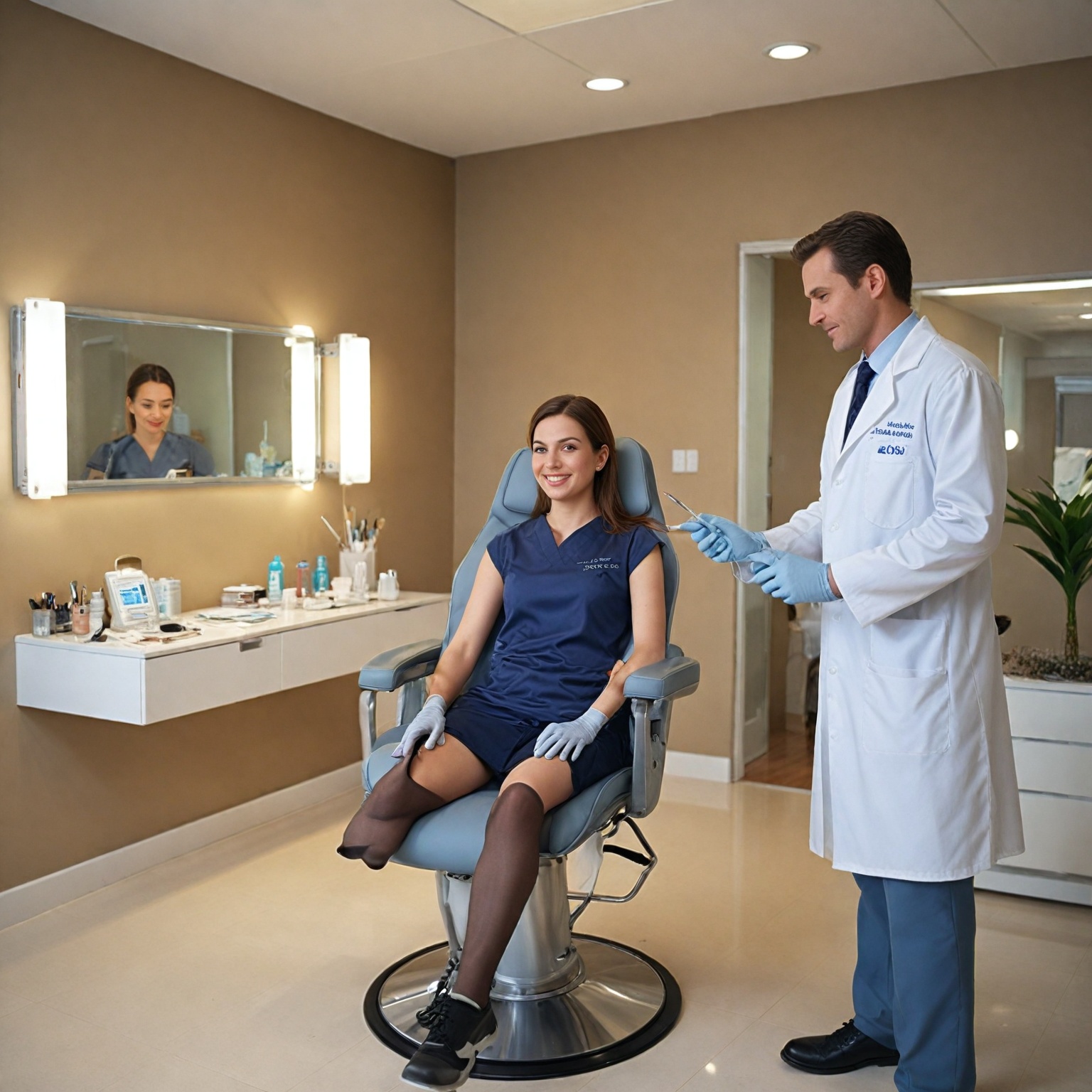
Highlights
- Botox is a popular non-surgical treatment that reduces dynamic wrinkles effectively.
- Engage with experienced professionals to ensure safe and optimal Botox treatment outcomes.
Summary
Botox treatment for wrinkles is a widely used non-surgical cosmetic procedure that involves injecting small amounts of botulinum toxin to temporarily relax facial muscles, thereby reducing the appearance of dynamic wrinkles caused by repetitive muscle movements such as frown lines and crow’s feet. Since receiving U.S. Food and Drug Administration (FDA) approval for cosmetic use in 2002, Botox has become one of the most popular aesthetic treatments worldwide, with millions of procedures performed annually. Its effectiveness, minimally invasive nature, and relatively quick results have contributed to its growing popularity, particularly among younger adults seeking preventative (“prejuvenation”) approaches to aging.
The treatment works by blocking neurotransmitter release at the neuromuscular junction, inducing localized muscle paralysis that smooths overlying skin for approximately three to four months before muscle activity gradually returns. Botox is most effective on dynamic wrinkles rather than static wrinkles caused by skin aging or sun damage, which often require complementary treatments like chemical peels or dermal fillers. Beyond cosmetic uses, Botox also has important medical applications, including treatment for chronic migraines, excessive sweating (hyperhidrosis), muscle spasms, and certain eye disorders.
Botox’s rising popularity has been fueled by social media influence, celebrity endorsements, and changing societal attitudes toward aging and cosmetic procedures, leading to a surge in demand especially among Millennials and Generation Z. However, despite its widespread acceptance, the procedure carries potential risks and side effects such as bruising, localized pain, and, rarely, muscle weakness or drooping eyelids, which underscores the importance of receiving treatment from qualified medical professionals. Regulatory oversight and patient education remain key to ensuring safe use, as improper administration can result in adverse events including serious complications.
While generally regarded as safe and effective when properly administered, Botox has sparked some controversy related to unrealistic beauty standards promoted by social media and concerns over long-term health effects, which continue to be areas of active discussion within medical and public communities. Its growing integration with complementary treatments and the evolving cultural narrative around aging reflect the complex dynamics shaping its role in modern aesthetic medicine.
History
The perception and use of Botox treatment for wrinkles have evolved significantly over recent decades, shaped by cultural, technological, and social factors. Initially, the beauty industry largely framed aging as a flaw to be combated, fueling widespread fears around visible signs of skin aging such as wrinkles and gray hair. This led to the rise of the “anti-aging” movement, which dominated beauty standards and consumer behaviors for many years.
In more recent times, however, there has been a notable shift in attitudes toward aging and cosmetic treatments. Influencers and pioneering brands have begun reshaping the narrative to embrace aging as a natural and authentic process, promoting the idea that wrinkles and silver hair can embody beauty rather than imperfections. This evolving mindset coincides with advancements in aesthetic medicine and the widespread availability of noninvasive treatments like Botox.
The demographic most actively engaged with Botox and other aesthetic procedures has also shifted. Millennials and Generation Z have emerged as key consumers driving the growth of the Botox industry. Millennials tend to be highly proactive about skin aging, often adopting preventive strategies known as “prejuvenation” to maintain youthful skin before significant aging occurs. Younger generations have normalized aesthetic interventions from an early age and are more open to undergoing cosmetic procedures. The influence of social media and celebrity endorsements has been crucial in this transformation, helping to destigmatize cosmetic treatments and making them more accessible and desirable to a wider audience.
Between 2019 and 2022, the number of facial cosmetic procedures increased by 18%, with Botox injections surging by 73%. This sharp rise is largely attributed to Generation Z’s comfort with digital beauty standards shaped by social media filters and editing apps, which has fueled demand for real-life aesthetic enhancements.
Mechanism of Action
Botox is a neurotoxin derived from Clostridium botulinum, closely related to the tetanus toxin, that works by temporarily paralyzing the muscles into which it is injected. It achieves this effect by blocking the release of neurotransmitters at the nerve terminals, preventing muscle contraction and thereby reducing the appearance of facial lines and wrinkles. Specifically, small quantities of botulinum toxin are injected into overactive muscles, causing localized muscle relaxation that smooths the overlying skin.
The toxin induces flaccid paralysis by inhibiting the communication between nerves and muscles, which diminishes dynamic wrinkles—those visible during muscle contraction—more effectively than static wrinkles that are present at rest. The onset of the effect is gradual; while some patients may notice subtle changes within a few days, full results typically become visible within 7 to 14 days after treatment. These effects last approximately three to four months, after which muscle activity gradually returns and wrinkles may reappear.
Certain contraindications exist for Botox use, including neuromuscular disorders (such as myasthenia gravis), allergies to components of the product, keloidal scarring, and body dysmorphic disorder. The procedure’s safety profile includes generally well-localized and reversible side effects, which tend to resolve without intervention within a few days.
Medical and Cosmetic Applications
Botox, a formulation of botulinum toxin, has a wide range of both medical and cosmetic uses. Initially studied for its effectiveness in reducing facial wrinkles in 1994, Botox has since become a popular treatment to smooth dynamic wrinkles caused by repetitive muscle movements such as smiling, frowning, or squinting. By inhibiting the release of acetylcholine at the neuromuscular junction, Botox induces localized muscle relaxation, which reduces the appearance of expression lines like glabellar frown lines, crow’s feet around the eyes, and marionette lines around the mouth.
Cosmetically, Botox is primarily effective on dynamic wrinkles rather than static wrinkles, which result from skin aging or sun damage and generally require alternative treatments like chemical peels or laser resurfacing. For optimal results, dosing and injection sites may need adjustment over multiple sessions, especially during the first one to two treatments, with consistent use over time helping to prevent the formation of new wrinkles. Combining Botox with other skin treatments such as chemical peels can address a broader spectrum of skin concerns, including hyperpigmentation and uneven skin tone. Preventative Botox treatments have gained popularity, particularly among younger adults, as a means to inhibit excessive muscle activity before wrinkles form.
Beyond its cosmetic benefits, Botox has several important medical applications. It is used to treat conditions like strabismus (crossed eyes), blepharospasm (involuntary eyelid twitching), cervical dystonia (neck muscle spasms), hyperhidrosis (excessive sweating), and synkinesis following facial surgery. Additionally, Botox injections have become a recognized treatment for chronic migraines by reducing muscle tension and pain associated with the condition. In the dental field, Botox can relieve jaw clenching and associated headaches by targeting the masseter muscles.
Safety profiles of FDA-approved Botox use are well-established, with no long-term systemic adverse effects reported; however, some side effects may occur, typically mild and transient, such as localized bruising or redness at the injection site. To minimize risks, patients should inform healthcare providers of all medications and supplements they take, particularly blood thinners like Warfarin or NSAIDs, and avoid alcohol for at least 24 hours before treatment to reduce bruising potential.
While the average cost of a Botox injection is approximately $435, insurance coverage is generally limited to medical indications like migraines or hyperhidrosis and rarely extends to cosmetic procedures. Dermal fillers, often used as a complementary or alternative treatment to Botox, function by adding volume beneath the skin rather than relaxing muscles, addressing static wrinkles and volume loss.
Procedure Details
Botox treatment for wrinkles is a non-surgical, minimally invasive procedure involving injections that temporarily relax facial muscles responsible for wrinkle formation. The treatment can be administered in just a few minutes, making it a convenient option for patients seeking quick results without downtime. Typically, patients begin to notice effects around the third or fourth day post-injection, with full results becoming visible within 10 to 14 days. The effects usually last between three to six months, after which muscle movement and wrinkles gradually return, necessitating repeat treatments if desired.
A thorough consultation with a qualified healthcare professional is essential prior to the procedure. This consultation ensures a personalized treatment plan that aligns with the patient’s goals, addresses any concerns, sets realistic expectations, and fosters a trusting patient-practitioner relationship. It is important to inform the practitioner about all medications, including over-the-counter supplements and herbal remedies, to avoid potential interactions and complications. Additionally, the healthcare provider must be knowledgeable about recommended dosages and precise injection sites to minimize risks such as ptosis (drooping eyelid).
Following the treatment, patients should avoid facial, laser treatments, or microdermabrasion for at least seven days to prevent adverse effects. Common temporary side effects include redness, swelling, and bruising at the injection site. To accommodate any potential side effects, it is advisable to schedule Botox appointments at least two weeks before important events.
The procedure’s non-invasive nature, quick administration, lack of downtime, and proven efficacy contribute to its growing popularity, especially among younger individuals interested in prejuvenation—the proactive prevention of wrinkles before they become prominent. However, patients should choose licensed and experienced practitioners, such as board-certified dermatologists or plastic surgeons, to ensure safety and optimal outcomes. The cost of treatment can range from approximately $400 to over $1000 per session, depending on the areas treated.
Benefits and Effectiveness
Botox is widely recognized for its ability to reduce the appearance of expression lines and wrinkles, particularly those caused by repetitive facial movements such as frown lines and crow’s feet around the eyes. By acting on the neuromuscular junction, Botox induces relaxation of targeted facial muscles, thereby diminishing dynamic wrinkles and creating a smoother facial appearance. It is most effective on expression lines rather than static wrinkles, which are caused by aging or sun damage and typically require alternative treatments like chemical peels or laser resurfacing.
One of the key benefits of Botox is its minimally invasive nature, offering patients a cosmetic solution without the need for surgery. This has contributed to its growing popularity, with over 4 million Americans receiving Botox or similar botulinum toxin injections annually. When administered correctly, Botox provides localized, reversible, and self-limited effects that usually develop within a few days and subside without the need for further treatment.
Combining Botox with other cosmetic procedures can enhance its effectiveness and prolong results. Recent studies indicate that pairing Botox injections with chemical peels leads to significantly improved outcomes, including a 60% better reduction in wrinkles and a 70% improvement in skin tone. Chemical peels stimulate collagen production in the deeper layers of the skin, improving elasticity and firmness, which complements the muscle-relaxing effects of Botox. This combination not only targets dynamic wrinkles but also addresses the underlying skin texture and quality, providing a more comprehensive anti-aging effect.
Additionally, the use of dermal fillers alongside Botox is an emerging trend that can produce optimal cosmetic results. Fillers, often composed of hyaluronic acid or other natural substances, are particularly effective in treating fine lines and wrinkles around the mouth and restoring volume loss. Together, Botox and fillers offer a synergistic approach by relaxing muscles and replenishing lost volume, achieving a more youthful and balanced facial appearance.
While Botox offers significant aesthetic benefits, it is crucial that injections are administered by experienced medical professionals to maximize effectiveness and minimize risks. Proper injection techniques, including knowledge of recommended dosages and precise injection sites, are essential for optimal outcomes and to avoid adverse effects such as muscle weakness or asymmetry.
Risks, Side Effects, and Safety
Botox treatment for wrinkles is generally considered safe when administered by trained professionals; however, it carries potential risks and side effects that patients should be aware of. Most side effects are benign, well-localized, reversible, and self-limited, typically developing within a few days of injection and resolving without treatment.
Common side effects include mild bruising, localized pain, swelling at the injection site, and headaches. These reactions are usually temporary but can be more pronounced in individuals taking blood-thinning medications such as Warfarin®, aspirin, ibuprofen, or certain supplements like fish oil and vitamin E, which increase the risk of bleeding and bruising. Alcohol consumption before the procedure can also heighten redness and bruising and is therefore discouraged 24 hours prior to treatment.
More specific complications depend on the injection site and dosage. For example, higher doses of botulinum toxin used in cosmetic treatment of cervical wrinkles—often 50 units or more—may lead to muscle weakness in the neck flexors, temporary dysphagia (difficulty swallowing), and, in rare instances, hoarseness due to the spread of toxin effects beyond targeted muscles. Injections near the eyes can occasionally cause ptosis (drooping eyelids or eyebrows) if the toxin affects adjacent muscles.
Botulinum toxin works by inducing localized muscle relaxation through flaccid paralysis of targeted muscles, leading to wrinkle reduction as the overlying skin smooths out. The effects begin to fully develop approximately two weeks after injection and typically last three to four months. Botox is contraindicated in individuals with neuromuscular disorders such as myasthenia gravis, those with keloidal scarring, allergies to any product components, or body dysmorphic disorder.
While short-term side effects are well documented, no significant long-term adverse effects or systemic safety issues have been reported from FDA-approved uses of Botox. However, concerns remain among some populations regarding potential health risks, with surveys indicating that over half of young adults perceive Botox injections as somewhat risky. As the popularity of non-surgical cosmetic procedures grows, particularly among younger individuals embracing “prejuvenation,” it remains important for patients to consult with their healthcare providers, disclose all medications and supplements, and understand both the benefits and risks of treatment.
Popularity and Trends
The popularity of Botox treatments has surged significantly in recent years, driven largely by the influence of celebrities and social media platforms. Public figures such as the Kardashians, Chrissy Teigen, and Courtney Cox openly discussing and showcasing their use of Botox and dermal fillers have helped to normalize these procedures and reduce the stigma previously associated with cosmetic enhancements. Social media trends like TikTok’s “Barbie Botox” and the concept of the “Instagram Face,” characterized by sharp features achieved through Botox and fillers, have further shaped public perceptions and created aspirational beauty ideals among users.
This celebrity-driven visibility has contributed to a marked increase in the demand for Botox treatments, especially among younger generations. Millennials and Generation Z have been particularly influential in this trend, with a rise in their engagement with anti-aging procedures as part of their beauty and self-care routines. Reports indicate that between 2019 and 2022, Botox injections increased by 73%, largely fueled by these younger demographics who grew up immersed in social media culture where editing tools and facial filters are ubiquitous.
While women have traditionally comprised the majority of Botox users, there has been a notable rise in male patients seeking cosmetic treatments as well. This shift reflects broader changes in societal attitudes toward aging and beauty, with a gradual move away from purely anti-aging approaches toward embracing aging in a positive light. However, perceptions of skin aging still vary across generations, influencing differing attitudes toward aesthetic treatments.
Despite the growing acceptance and visibility of Botox, social media portrayals can sometimes create unrealistic expectations. The results of treatments vary by individual, and professional guidance remains essential to achieve safe and satisfying outcomes. Moreover, social media platforms have also become spaces promoting body positivity and diversity, challenging conventional beauty norms and encouraging more inclusive ideals.
Regulatory and Safety Considerations
Botulinum toxin type A, commonly known as Botox, received its first
Alternatives and Complementary Treatments
In addition to Botox, several alternative and complementary treatments are available for reducing wrinkles and enhancing facial aesthetics. Dermal fillers, particularly those containing hyaluronic acid such as Juvederm, are commonly used to address fine lines and wrinkles around areas like the mouth. Many patients achieve optimal results through a combination of Botox and fillers, which can provide a more comprehensive rejuvenation effect.
Emerging trends also include combining Botox with other cosmetic procedures such as CoolSculpting, chemical peels, and laser treatments. These combinations are designed to enhance overall outcomes and prolong the longevity of the results. Such integrative approaches allow for customized treatment plans tailored to individual patient needs.
Facial exercises represent a non-invasive alternative that does not require medical expertise and may help reduce facial wrinkles. However, this method is less widely adopted due to limited clinical trials and unclear mechanisms of action compared to Botox and dermal fillers.
While Botox and fillers are widely used and generally considered safe under medical supervision, it is crucial to have treatments administered by qualified professionals to minimize risks and ensure precise application. Patients should also discuss any medications or supplements they are taking with their healthcare provider to avoid potential interactions.
The content is provided by Avery Redwood, Direct Bulletins