Highlights
- Discover tranquility with tailored treatments that enhance your relaxation and wellness journey.
- Enjoy a secure and guided experience, ensuring comfort from consultation to post-treatment care.
Summary
Visiting a local spa salon for the first time can be a relaxing and rejuvenating experience that offers a variety of treatments aimed at improving physical and mental well-being. Spas provide an environment distinct from typical salons, emphasizing tranquility through soothing ambiance, personalized care, and services such as massages, facials, body treatments, and hydrotherapy designed to promote relaxation, skin health, and overall wellness. Understanding what to expect during your initial visit can help maximize comfort and enjoyment.
First-time guests typically begin with a consultation to tailor treatments to their needs and address any health concerns or allergies, ensuring safety and effectiveness. Spa visits often include amenities like robes, slippers, and secure storage, with staff guiding clients through the process and maintaining a peaceful atmosphere that encourages mindfulness and stress relief. Preparing ahead—by selecting appropriate services, arriving early, and knowing spa etiquette—can enhance the overall experience.
Health and safety are paramount, with spas adhering to strict hygiene protocols, allergen awareness, and staff training to prevent risks associated with products and treatments. Open communication with therapists during treatments allows adjustments for comfort and effectiveness, while post-treatment care instructions help sustain benefits and promote long-term wellness. These standards create a secure and welcoming environment for new visitors.
Despite the many benefits, some guests may find navigating service options or managing personal preferences challenging at first. However, the attentive, professional staff and clear guidelines typically alleviate these concerns, making a spa salon a notable destination for anyone seeking relaxation and holistic self-care.
Preparing for the Visit
Preparing for a visit to a local spa salon involves several thoughtful steps to ensure a relaxing and enjoyable experience. Before arriving, it is helpful to understand the objective of your appointment, whether it is to relax, have your skin treated, or detoxify. Knowing this allows you to select services that best fit your needs, especially if you are a first-time client.
When booking your appointment, it is advisable to be as explicit as possible about the services you want, as this helps minimize confusion and unmet expectations. Some salons may require a consultation appointment before the actual service, providing an accurate estimate of time and cost. If you are unfamiliar with the process or the specific treatments, do not hesitate to ask questions to clarify any doubts.
Timing your visit can also enhance your experience. Scheduling appointments during quieter times, such as weekday mornings, can provide a more peaceful atmosphere and reduce distractions. Additionally, many spas offer various package options ranging from half-day treatments to overnight stays, which usually include treatment sessions and access to leisure facilities.
Packing the right items for your spa day can improve your comfort. Some spas provide robes and slippers upon arrival, and lockers are available for securing your belongings. It is also suggested to bring a book or other calming distractions, although some spas restrict phone use to maintain a serene environment.
It is important to be aware of any health conditions that may restrict or modify certain treatments. For instance, cuts, bruises, eczema, or recent sunburns might limit facial treatments or require adaptations. Disclosing current medications or any relevant medical information during your consultation can ensure safe and effective care.
Arrival and Reception
When visiting a local spa salon for the first time, the arrival time is often scheduled around 9am or 10am, allowing guests to enjoy a leisurely start and ample relaxation throughout their visit. Upon arrival, the check-in process is designed to be easy and hassle-free. Guests typically undergo a consultation with a personal therapist to ensure that every detail of their treatment meets individual expectations.
During reception, guests are usually provided with comfortable robes and slippers to wear throughout their visit, and lockers are available for storing personal belongings securely. First-time visitors can expect attentive staff ready to answer questions and assist in making them feel at ease, helping to alleviate any uncertainties about the procedures or facilities.
Some spas offer specialized packages tailored to different times of day, such as half-day mini sessions or evening treatments accompanied by light meals, providing flexibility to accommodate various schedules. Overall, the arrival and reception experience aims to create a welcoming and personalized atmosphere that sets the tone for a relaxing and enjoyable spa visit.
Common Treatments and Services
When visiting a local spa salon for the first time, clients can expect a variety of treatments designed to promote relaxation, rejuvenation, and overall well-being. Many spas offer a range of popular services including massages, facials, body treatments, and specialized therapies tailored to individual needs and goals.
Massage Treatments
Massage therapies are often the most sought-after services for beginners aiming to reduce muscle tension and enhance relaxation. Popular options include Swedish massage, which focuses on gentle pressure to improve circulation and relieve stress, and hot stone massage, where heated stones are placed on the body to ease muscle tension and alleviate pain. Therapists typically customize pressure and techniques to match the client’s preferences, ensuring a comfortable and refreshing experience. For those seeking more targeted muscle recovery, options like deep tissue massage combined with infrared heat may also be available.
Facials and Skin Care
Facials are rejuvenating treatments that cleanse, exfoliate, and hydrate the skin to promote a healthy glow. Common procedures include oxygen facials, chemical peels, and facial paraffin treatments, which often start with a skin analysis to tailor the treatment to the client’s skin type and concerns. Spa facials may involve multiple steps such as cleansing, exfoliation, masking, toning, and moisturizing to maximize skin health. Some advanced med spas also offer specialized treatments like Botox injections and fillers, although these typically require an initial consultation due to their complexity.
Body Treatments and Hydrotherapy
Body treatments commonly include wraps, scrubs, and hydrotherapy baths designed to exfoliate, hydrate, and detoxify the skin. Services such as mud baths, salt scrubs, seaweed body wraps, and clay masks provide both skin benefits and relaxation. Hydrotherapy options like beer baths and infrared sauna sessions are popular for full-body relaxation and encouraging deep sweating. Many spas provide amenities such as saunas, steam rooms, whirlpools, and jet baths to complement these treatments, allowing clients to unwind before or after their services.
Nail and Additional Services
While not available at every spa, manicures and pedicures are often part of the offerings, providing thorough nail care that typically exceeds what is found at specialty nail salons. Some spas also feature modern technologies like cryotherapy chambers, which use cold therapy to stimulate the immune system and promote wellness. Ayurvedic treatments may be available as well, reflecting holistic approaches to health rooted in ancient practices.
What to Expect During Your Visit
Most spa treatments begin with a brief consultation to clarify the client’s goals and preferences, ensuring the chosen services are appropriate and comfortable. Many spas offer packages combining multiple treatments such as massage, facial, and body care in one visit, providing a comprehensive and relaxing experience. During the session, only the areas being treated are exposed, with clients typically provided robes, slippers, and towels to maintain comfort and privacy. Clients are encouraged to arrive early to check in and explore amenities like relaxation lounges or saunas.
What to Bring and Wear
When visiting a local spa salon for the first time, it is helpful to come prepared with the right items and attire to ensure a comfortable and enjoyable experience. Most spas provide essentials such as robes, slippers, and basic toiletries, so there is no need to bring these yourself. However, if you plan to use the pool or hot tub, bringing a swimsuit is recommended, along with a waterproof bag to keep wet items separate. Having at least two swimsuits can be useful if you intend to spend extended time in the water facilities.
Casual, comfortable clothing is appropriate since much of the time will be spent in a robe or swimwear. For guests under 18, swimwear, athletic attire, or soft, loose-fitting clothes are suggested during treatments. It is also advised to arrive early—typically 15 to 20 minutes before your appointment—to check in and change into spa attire. If you want to enjoy spa amenities such as hot tubs, steam rooms, or relaxation lounges, arriving up to an hour before your first scheduled treatment is beneficial.
Those with allergies, particularly to nuts, should inform the spa in advance, as many spa products contain nut oils like cashew, hazelnut, or almond oils. Spa therapists can often substitute allergen-free alternatives such as jasmine or avocado oils. Ensuring that there is no risk of cross-contamination, such as separate storage for nut-free oils and thorough cleaning between clients, is important for safety. A patch test may also be conducted before using any products on sensitive skin.
Additionally, it is advisable to leave valuable items at home to avoid any concerns while relaxing. Navigating the menu of services for the first time can be overwhelming, so planning ahead can improve the overall experience. During your visit, spas usually provide bottled water to keep guests hydrated, which supports optimal treatment results.
Spa Etiquette and Behavioral Expectations
When visiting a spa salon for the first time, understanding and following proper spa etiquette is essential to ensure a relaxing and comfortable experience for both yourself and other guests. Spa etiquette encompasses the expected behaviors and manners appropriate in the spa environment, helping to maintain a peaceful atmosphere and respect the privacy of all clients.
Punctuality is a key aspect of spa etiquette. Guests are generally advised to arrive at least 15–20 minutes before their scheduled appointment to allow ample time for check-in, changing into spa attire, and settling in without feeling rushed. Being late not only reduces the time available for your treatment but can also disrupt the spa’s schedule and other clients’ experiences.
Maintaining a quiet atmosphere is crucial. Conversations should be kept at a low volume, and disruptive behavior should be avoided to preserve the tranquil environment. Mobile phones should be silenced or stored away in lockers upon arrival, as even the slightest buzz can disturb the calmness intended in the spa setting. Respect for personal space and privacy is also paramount; guests should refrain from staring or making comments, especially in areas where nudity may be permitted, such as gender-specific saunas.
Communicating openly with your therapist or esthetician is encouraged to maximize comfort and satisfaction during treatments. If a particular pressure or technique feels uncomfortable, informing the therapist allows for immediate adjustments to enhance your experience. This two-way communication ensures that your needs and preferences are met while maintaining professional standards.
Regarding attire, guidelines vary depending on the type of service and spa policies. For guests under 18, wearing swimwear, athletic wear, or loose-fitting clothing during treatments is recommended, particularly in wet or clothing-optional areas. Many treatments, such as massages or body scrubs, may involve partial or full undressing; however, this is generally optional and should be conducted with discretion and comfort in mind.
Tipping is another aspect to consider. If you are pleased with the service, a gratuity of 15–20% of the treatment cost is customary, although some spas may include gratuity in the final bill. It is advisable to verify this beforehand to avoid double tipping.
Lastly, guests should adhere to any specific rules or guidelines established by the spa, as these are designed to safeguard the well-being and enjoyment of all visitors. This includes following hygiene protocols, respecting designated spaces, and maintaining cleanliness during and after treatments. Overall, thoughtful adherence to spa etiquette fosters a serene and respectful environment conducive to relaxation and rejuvenation.
Health and Safety Considerations
Visiting a spa or salon for the first time involves several important health and safety considerations to ensure a safe and pleasant experience. Many products used in treatments, such as skin-care items and cleaning solutions, can pose health risks if not handled properly. Therefore, spas are required to comply with regulations that include posting safety data sheets (SDS) for all in-use chemicals and products. These sheets provide detailed information on product ingredients, proper usage, handling, storage, and emergency procedures, helping to minimize risks associated with hazardous substances.
Proper hygiene is essential in maintaining safety, especially during treatments like waxing where the use of hot wax alone does not eliminate microorganisms. Staff must wash their hands thoroughly with hot water and antibacterial soap after each client to prevent cross-contamination. Additionally, spas should follow strict protocols for cleaning, disinfecting, and sterilizing equipment and surfaces between clients, using state-regulated disinfectants or solutions such as 70% isopropyl alcohol. Items such as spa chairs, magnifying lights, and wax warmers require regular sanitization, and linens should be changed and washed after every use to maintain cleanliness.
Allergy considerations are also a critical part of spa safety. Approximately one in four people in the UK experience allergies at some point, some of which may cause severe reactions like anaphylaxis. Clients are advised to disclose any allergies or sensitivities before treatment, and spas typically conduct health history interviews or questionnaires to identify potential risks. Staff receive training on product ingredients and are prepared to recognize and manage allergic reactions or sensitivities to ensure client safety. Clients with sensitive skin may choose to bring their own personal care products to avoid adverse reactions and should communicate any concerns with their treatment provider.
To promote consistent safety practices, spas often implement sanitation training and certification programs for their staff. Online sanitation certifications can enhance staff knowledge and adherence to proper cleaning protocols, which is especially important in light of recent health crises that have heightened awareness around hygiene. Emergency preparedness is another key aspect of spa safety, with staff trained to use emergency equipment such as AEDs and CPR stations, and regular drills conducted to ensure quick, effective responses when necessary.
Finally, informing clients about potential side effects, adverse reactions, and expected outcomes is a standard practice before administering elective aesthetic treatments. This helps clients make informed decisions and understand how any existing medical conditions might influence their treatments. Overall, a focus on strict hygiene, allergy awareness, staff training, and emergency readiness contributes to a safe and reassuring spa experience for first-time visitors.
During the Treatment
During your spa treatment, maintaining open communication with your therapist is essential to ensure your comfort and satisfaction. If at any point the pressure or technique feels uncomfortable—for example, if a massage is too strong—feel free to speak up so your therapist can adjust accordingly. Spa professionals prioritize your relaxation and well-being, so don’t hesitate to express your preferences or concerns throughout the session.
Certain skin conditions or physical restrictions may require modifications to the treatment. Conditions such as cuts, bruises, eczema, psoriasis, acne, or broken capillaries may not necessarily prevent treatment but can lead to adaptations to ensure safety and effectiveness. Additionally, disclosing any current medications or skin sensitivities is important for tailoring the treatment appropriately.
Therapists often work with you to address specific concerns, whether you seek a firm or gentle massage or have particular skin issues. This personalized approach helps maximize the benefits of your spa experience. Throughout the session, your comfort is the top priority, and your therapist will guide you accordingly.
At the conclusion of your treatment, you will typically have the option to dress privately and will be directed by your therapist either back to the spa facilities, to your next scheduled treatment, or to the checkout area depending on your preferences. It is customary to leave a gratuity for your therapist unless it is already included in the bill. Overall, embracing open communication and understanding the possibility of treatment adaptations will help you enjoy a relaxing and rejuvenating spa visit.
Post-Treatment Care
After receiving a spa treatment, proper post-treatment care is essential to maximize benefits and ensure safety. Most medical spas provide clients with detailed instructions tailored to the specific service performed, helping to support recovery and enhance results. These guidelines
Ambiance and Environment
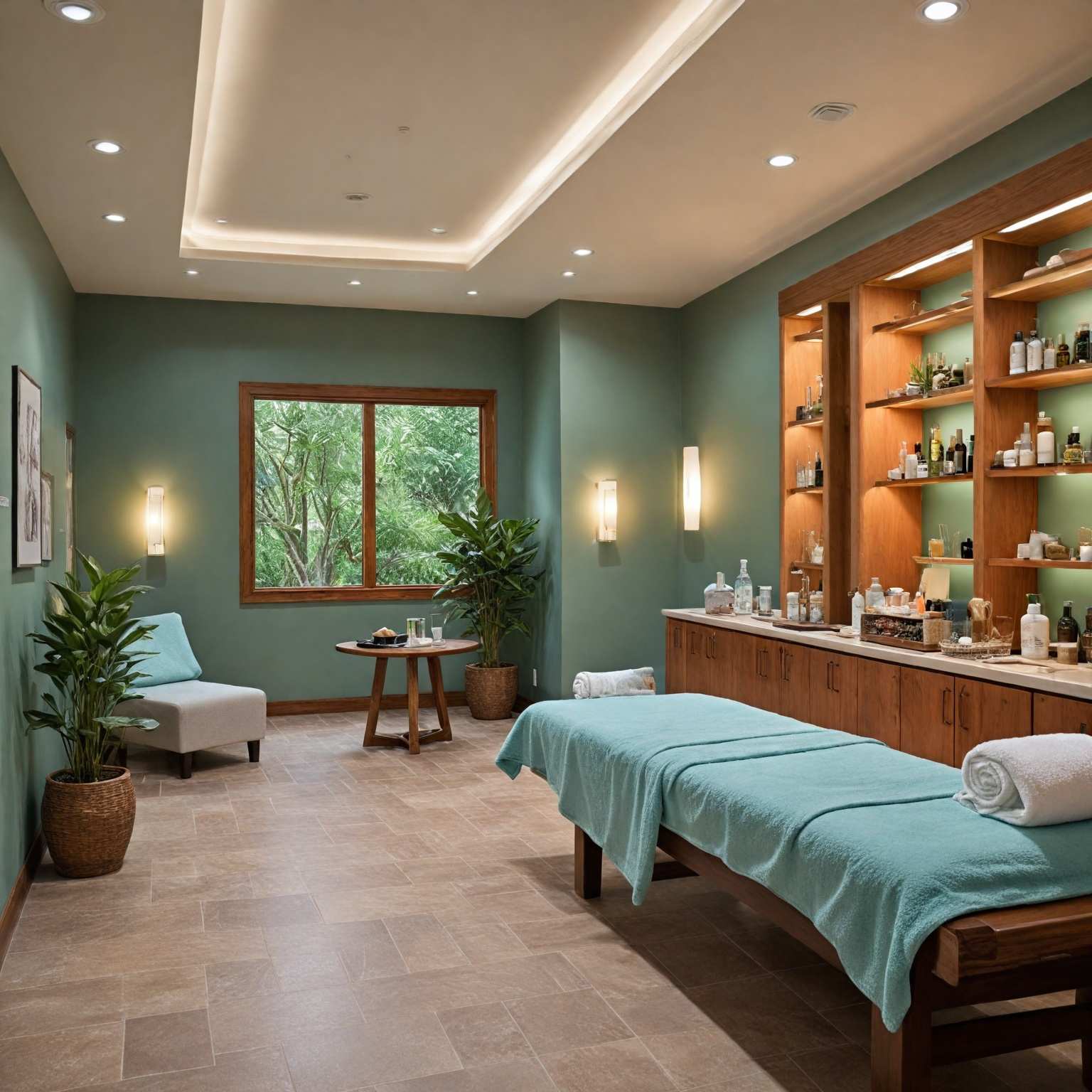
The ambiance of a local spa is carefully curated to promote relaxation and a sense of tranquility. Unlike salons, which typically have a lively atmosphere filled with the buzz of hairdryers and the hum of conversation, spas offer a peaceful environment characterized by dim lighting, soothing music, and aromatic scents that contribute to a serene and calming experience. Neutral colors such as white, tan, and light blue are commonly used in spa decor to evoke relaxation, while bright or harsh lighting, such as fluorescent bulbs, is avoided as it contradicts the desired peaceful mood.
Spas are designed to accommodate longer visits, sometimes lasting several hours or even a full day, allowing clients to fully immerse themselves in their treatments and achieve maximum relaxation. The environment often includes warm massage tables with clean, luxurious linens, fresh water infused with lemon and mint, warm towels, cushy slippers, and fluffy robes—all intended to enhance comfort and pampering. This holistic atmosphere nurtures both the body and mind, distinguishing the spa experience from that of a typical salon, which focuses more on hair aesthetics and shorter, more vibrant visits.
Consistency in the layout and equipment placement is also important in spas to ensure staff can respond efficiently in any emergencies, contributing to a safe and reassuring environment for clients. Additionally, adherence to specific cleaning and maintenance regulations, such as those enforced by the EPA for pedicure spas, helps maintain hygiene and client safety standards.
To maintain the peaceful environment, spa etiquette is emphasized. Clients are encouraged to arrive on time, respect others’ privacy, practice common courtesy, and leave the spa clean. These practices help preserve the tranquil atmosphere essential for an enjoyable spa experience.
Benefits of Visiting a Spa Salon
Visiting a spa salon offers numerous benefits that extend beyond simple relaxation, contributing to both physical and mental well-being. Unlike regular salons, which primarily focus on enhancing facial appearance and grooming in a dynamic, efficient environment, spas provide a holistic experience designed to nurture the body and mind through various treatments such as massages, facials, and body therapies.
One of the key benefits is the improvement of skin health. Facials, often recommended as an ideal starting point for first-time spa visitors, cater to all skin types by providing deep cleansing, exfoliation, and hydration, leaving the skin refreshed and glowing. These treatments serve as a foundation for a personalized skincare regimen, allowing practitioners to assess how your skin responds and tailor future care for long-lasting, radiant results. It is important to follow post-treatment care, such as using gentle cleansers and avoiding exfoliation, to maximize the facial’s benefits.
Spa massages offer significant relief from muscle tension and stress. Whether opting for a full-body massage or focusing on specific areas like the shoulders, neck, or lower back, these treatments help reset the body, ease tightness, and promote relaxation. The tranquil environment of spas, enhanced by soothing music, dim lighting, aromatic scents, and comfortable amenities such as warm linens and plush robes, further supports mental relaxation and stress reduction.
Moreover, spa visits encourage mindfulness by allowing clients to disconnect from daily stresses and fully engage in self-care practices. Techniques like guided meditation before or during the spa visit can enhance this experience, making it easier to achieve a peaceful state of mind. Overall, spa salons provide a serene escape that nurtures both physical health and emotional balance, making them an excellent choice for anyone seeking rejuvenation and wellness.
Frequently Asked Questions
When visiting a local spa salon for the first time, it is important to communicate openly with the staff to ensure a comfortable and personalized experience. Guests are encouraged to ask questions and raise any concerns they may have before or during their spa visit, as the staff aims to provide a relaxing and enjoyable environment.
Before beginning any treatments, most spas require clients to complete a health history questionnaire. This helps the staff identify any allergies, sensitivities, or skin conditions that could affect the choice of products or services. Additionally, practitioners often ask verbally about any known allergies to ensure safety throughout the treatment process.
Spa organizations strive to collect only the necessary personal information relevant to the services requested. For example, if a client is booking a facial, it is reasonable and important for the spa to inquire about allergies or past skin conditions for health and safety reasons. This approach balances providing quality care with respecting client privacy.
The content is provided by Jordan Fields, Direct Bulletins