Highlights
- Skin therapists provide tailored treatments for diverse skin concerns, enhancing health and appearance.
- Effective skin care requires licensed professionals, ongoing education, and personalized aftercare plans.
Summary
Skin therapists, or estheticians, are licensed professionals focused on improving skin health and appearance. They work in various settings, offering personalized treatments like chemical peels, microdermabrasion, and facials that cater to diverse skin conditions such as acne and aging. The profession is backed by standardized licensing and ongoing education, ensuring safety and effective care while incorporating both advanced techniques and tailored product recommendations.
What is a Skin Therapist?
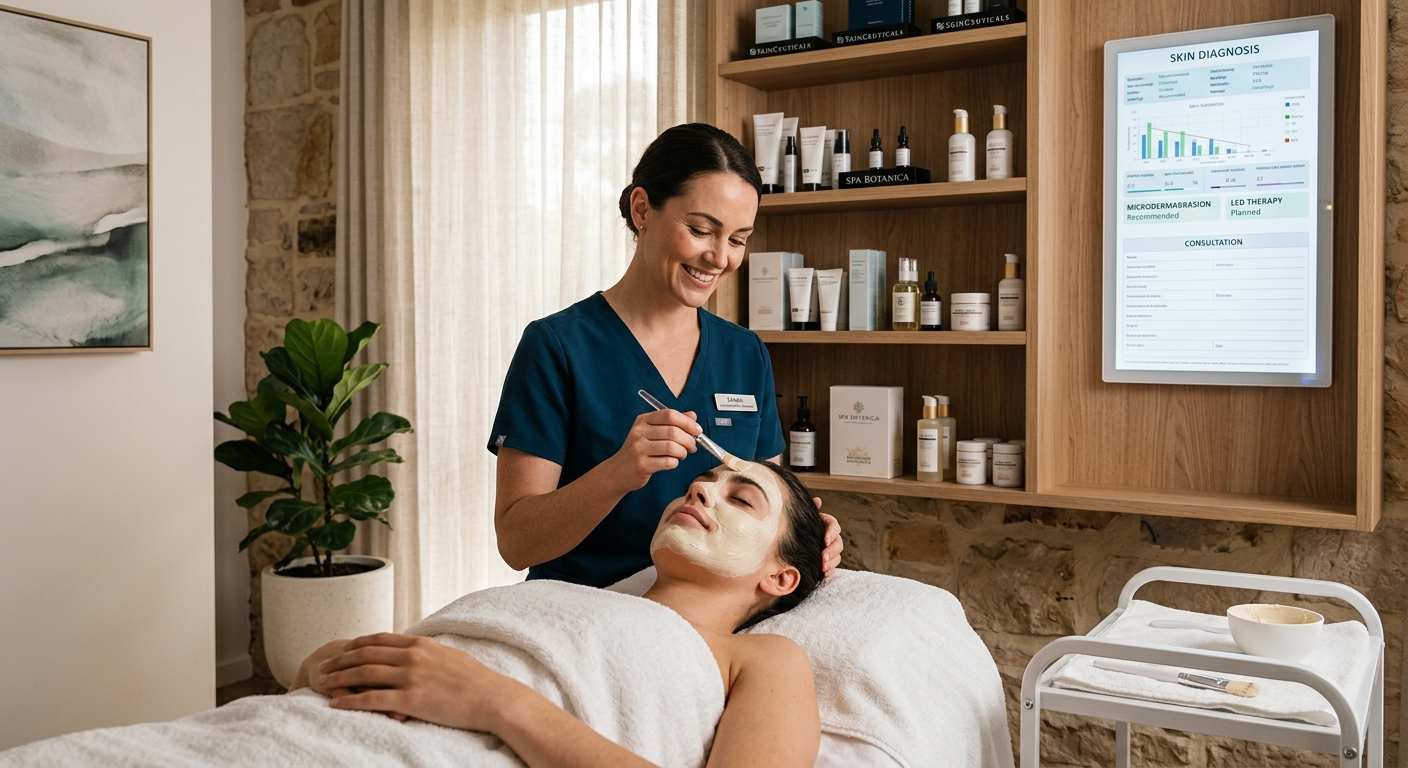
Skin therapists are skilled in assessing and treating a variety of skin conditions to improve client outcomes. They conduct initial skin analyses to inform personalized treatment plans, addressing issues like rosacea or wrinkles. By understanding both aesthetic and medical skin concerns, they provide effective solutions that enhance skin health.
Evolution of Skin Therapy
The field of skin therapy has seen formalized training and licensing requirements across most U.S. states, emphasizing practitioner safety and competency. Many skin therapists pursue continuing education to stay informed on the latest techniques and treatments, which contributes to their ability to offer a diverse range of services and maintain high standards of care.
Conditions Treated by Skin Therapists
Common conditions treated by skin therapists include acne, eczema, and psoriasis, each requiring a customized treatment strategy. For example, acne treatments may incorporate chemical peels or light therapies, while eczema management emphasizes identifying triggers and using appropriate therapies. Personalized approaches ensure that treatments effectively address each individual’s skin concerns.
Available Treatments
Skin therapists provide various treatments, such as chemical peels which exfoliate the skin, microdermabrasion to improve texture, and facials that promote hydration and cleansing. Anti-aging therapies focus on stimulating collagen to reduce wrinkles, while additional options like laser hair removal and blue light therapy target specific skin conditions. Treatment choices can be tailored based on individual skin needs.
Scientific Basis of Treatments
All treatments by skin therapists rely on a foundation of skin biology and the benefits of various procedures. Importantly, thorough skin assessments inform personalized plans, utilizing techniques like PRP therapy and phototherapy to stimulate skin rejuvenation and reduce inflammation. Effectiveness hinges on adherence to standardized protocols and practitioner skill, ensuring safety and positive results.
Customized Treatment Planning
Thorough skin assessments are critical for developing effective treatment plans tailored to individual needs. These assessments help identify skin types and conditions, guiding the selection of suitable therapies and home care products. Collaboration with qualified providers enhances customization, ensuring strategies address both cosmetic and underlying health concerns.
Collaboration with Dermatologists
Effective skincare often involves collaboration between skin therapists and dermatologists, merging aesthetic treatment with medical expertise. This approach enhances patient care, particularly when conditions require specialized interventions. Familiarity with insurance referral processes is crucial to facilitate seamless access to comprehensive skin health management.
Choosing the Right Therapist
When selecting a skin therapist, consider their training, licenses, and commitment to individualized care. Look for professionals with continued education and a deep understanding of skin biology. Trust and communication are vital for ensuring that treatments align with personal goals and skin concerns.
Importance of Aftercare
Aftercare is vital for prolonging the benefits of skin treatments, with practices like regular sunscreen usage and skincare routines significantly impacting long-term outcomes. Following pre- and post-treatment guidelines aids in achieving desired results while preventing adverse effects. Home care recommendations, tailored by the therapist, support ongoing skin health beyond professional visits.
Trends and Innovations in Skin Therapy
Recent trends in skin therapy underscore the shift towards holistic approaches, emphasizing overall skin wellness and preventive care. Innovative treatments like red light therapy and advanced chemical peels are gaining popularity, promoting healthier skin. Understanding emerging options allows clients to make informed decisions about which therapies best address their concerns while contributing to their overall skin management strategy.
The content is provided by Harper Eastwood, Direct Bulletins