Highlights
- Sealed burial vaults protect caskets while raising environmental concerns about ecological processes.
- Eco-friendly alternatives to traditional vaults are emerging as sustainable burial options.
Summary
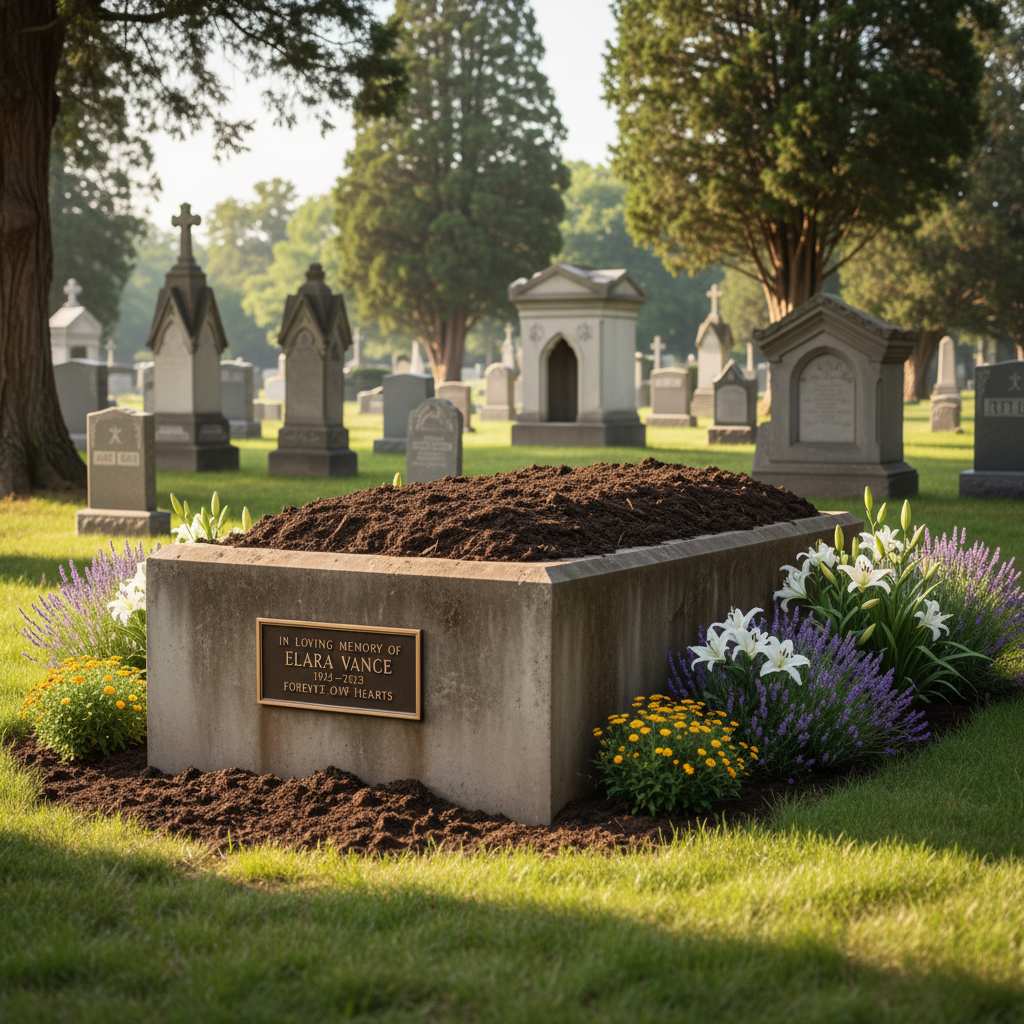
A sealed burial vault is designed to encase a casket, providing both an airtight and watertight environment to shield it from moisture, soil pressure, and biological activity. Made from reinforced concrete, metals, and plastics, these vaults help maintain the cemetery’s structure while slowing decomposition. Although they offer protection, concerns arise over isolating the body from ecological processes, leading to discussions on environmental sustainability and resource use in burial customs.
The cultural implications of sealed burial vaults are significant, representing societal attitudes toward death and memory. The practice became popular in the late 19th and early 20th centuries amidst developments in concrete manufacturing and funerary marketing. However, customs differ globally, with regions like East Asia predominantly practicing cremation, while some European nations reuse plots without vaults, influenced by legal and cultural contexts. This varying landscape highlights the need for cost-effective and environmentally conscious burial options.
Definition and Purpose
A sealed burial vault encases a casket in a protective, airtight shell, primarily to guard against environmental factors that accelerate decay, such as moisture and air. The materials used, including reinforced concrete combined with metals and plastics, enhance the vault’s strength and sealing capabilities. While these vaults extend the preservation of the casket, they also detach the body from natural decomposition processes, an aspect that raises ecological concerns about soil health.
The cultural significance of these vaults is evident, particularly in Western societies where they symbolize longevity and respect for the deceased. However, the environmental implications of using resource-intensive materials warrant scrutiny, driving discussions around greener alternatives that maintain integrity while promoting ecological sustainability.
Materials and Construction
Commonly made from high-strength reinforced concrete, sealed burial vaults integrate materials like steel and plastics to enhance durability. Concrete provides structural support, while metals like bronze and copper offer symbolic and practical benefits. Metal designs often feature dome shapes that manage air pressure and prevent moisture intrusion, contributing to their effectiveness as protective enclosures.
Additionally, polymer and composite vaults have gained traction due to their lightweight properties and adaptability in design. The sealing process, typically employing butyl rubber gaskets, is vital for limiting moisture entry and safeguarding contents. Despite their durability, the long-term environmental impact of the materials used is significant, as they do not decompose easily, contributing to ecological concerns over time.
Installation Process
The installation of a sealed burial vault involves strategic procedures to ensure the casket’s protection and burial site integrity. After placing the casket securely within the vault, sealing materials are applied to create an airtight enclosure, critical for maintaining long-term preservation against external elements. The choice of durable materials like reinforced concrete or metal is intentional, preventing grave sinking and promoting site stability.
Customization options, such as decorative finishes and interior linings, allow families to personalize the vault, further enhancing its significance. The installation process is designed to provide reassurance and uphold the sanctity of the final resting place, protecting it from environmental disturbances over time.
Decomposition and Internal Environment
Decomposition begins immediately post-death, with internal bacteria breaking down bodily tissues. Inside a sealed burial vault, this process occurs under controlled conditions, as the vault restricts moisture and soil microbes that typically expedite decay. Despite this containment, gases from microbial activity can accumulate, potentially causing pressure build-up that may threaten the vault’s structural integrity.
The internal environment of a sealed vault fosters specific microbial communities, contrasting with external conditions that influence surface decomposition. Embalming can slow the process, but even embalmed bodies will ultimately decompose, though at a reduced rate. A sealed vault primarily protects the casket while extending preservation, thus affecting the ecological balance of nutrients back into the soil.
Environmental Impact
The ecological ramifications of sealed burial vaults provoke critical dialogue about their long-term effects. Traditional practices often involve materials and processes that contribute to carbon emissions and ecological degradation. While vaults are reputed to safeguard against decay, their construction typically involves carbon-intensive materials such as concrete and metals, raising concerns over their sustainability.
Embalming chemicals also pose environmental risks through potential leaching into soils. An alternative emerging is the green burial approach, which promotes biodegradable materials and natural decomposition without the constraints of sealing vaults. These practices emphasize minimizing ecological footprints and are becoming increasingly attractive to those seeking sustainable burial options.
Cultural and Historical Perspectives
The history of burial vault usage illustrates a complex interplay of cultural beliefs and practices over time. Early interment customs date back thousands of years and vary significantly among civilizations. In ancient Egypt, elaborate tombs symbolized spiritual beliefs, while in East Asia, burial practices have emphasized cremation due to legislative mandates, reflecting distinct cultural values surrounding death and memory.
Modern burial vaults emerged significantly in the 19th century, with concrete becoming a popular material due to advancements in manufacturing. Vault popularity increased through marketing strategies promoting their protective advantages, though practices vary widely across geographic regions. These differences highlight the impact of cultural attitudes and legal frameworks on contemporary burial practices.
Legal and Regulatory Considerations
Legal guidelines regarding sealed burial vaults often reflect local cemetery policies, varying substantially across regions. Certain areas, particularly in the U.S., mandate vaults to maintain ground stability and aesthetic appeal, while others, like New York State, respect traditions that oppose additional containment. This disparity underscores the balance between operational needs of cemeteries and the diverse cultural or religious practices that inform burial choices.
Special considerations are made for green burial grounds, which restrict vast uses of vaults to promote eco-friendly interments. These regulations illustrate a nuanced approach, accommodating various perspectives on burial practices while addressing ecological implications.
Maintenance and Longevity
Sealed burial vaults are built to endure environmental pressures, with material choice impacting both longevity and maintenance. Constructed primarily of reinforced concrete, their durability provides a barrier against external elements, yet challenges remain concerning their upkeep and potential environmental consequences. Longevity factors also include installation practices, location conditions, and overall environmental influences.
Common Misconceptions
A widespread belief is that sealed burial vaults are entirely impermeable, offering total protection from decomposition processes. While they significantly slow decay, no vault is completely airtight, and issues such as gas buildup can compromise structural integrity. Concerns about environmental impact persist, as some see these vaults as detrimental to the natural return of the body to the earth, prompting searches for alternative burial methods that allow for ecological interaction.
Moreover, variations exist in the global use of vaults, highlighting that not all cultures value sealed containment equally. The misunderstanding regarding vault weight and manageability further underscores the need for awareness about the different materials available, including lighter options that accommodate diverse preferences and ecological considerations.
The content is provided by Jordan Fields, Direct Bulletins