Highlights
- Choosing the right restaurant furniture enhances ambiance and customer experience significantly.
- Prioritize ergonomic and sustainable options for long-term value and guest comfort.
Summary and Key Considerations
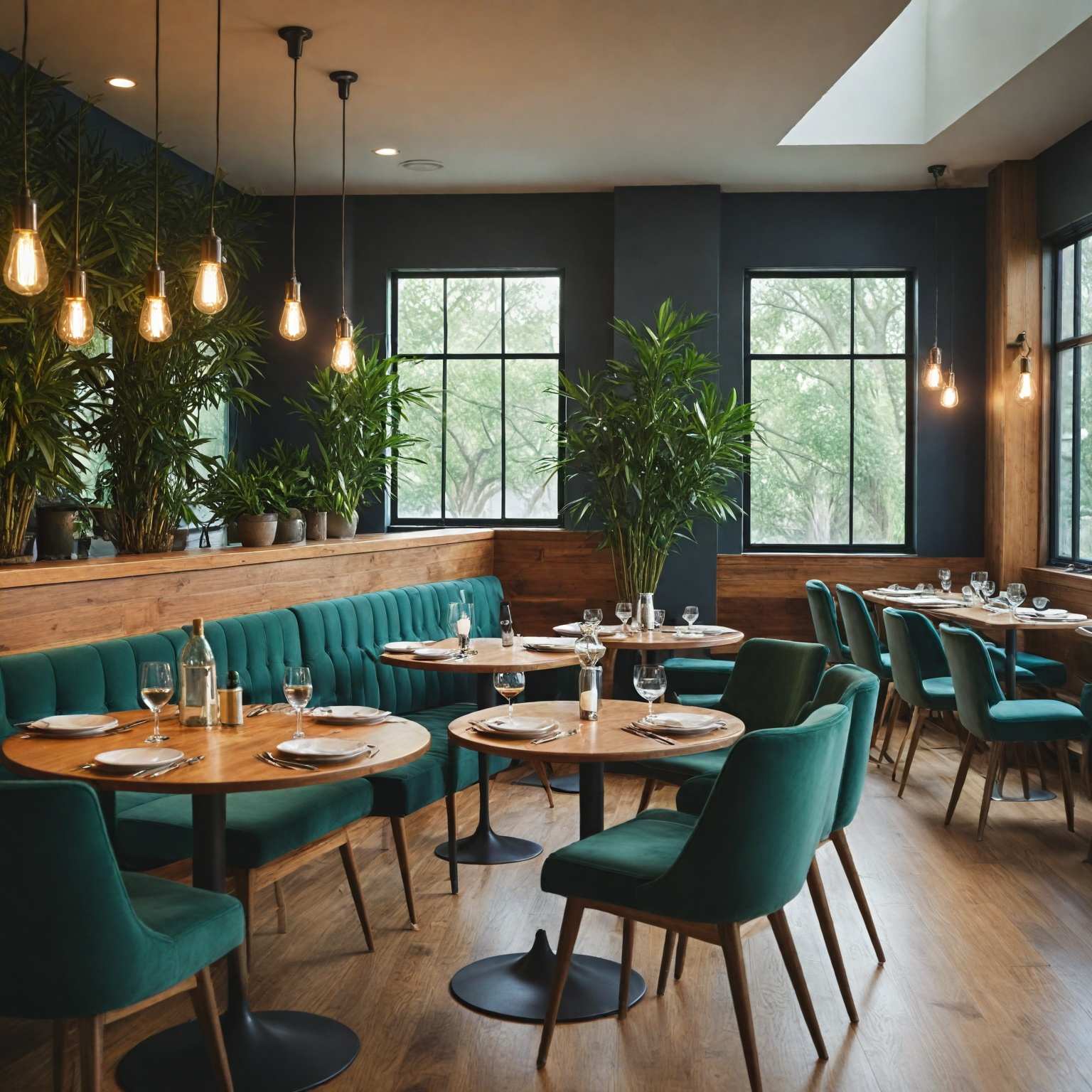
Choosing the right restaurant furniture is vital for creating ambiance, ensuring comfort, and supporting staff efficiency. Furniture types include chairs, tables, booths, bar stools, and outdoor seating, selected based on cost, material, durability, maintenance, functionality, and aesthetic fit. Materials range from hardwoods to laminates, metals, plastics, and sustainable options like bamboo and recycled plastics. Furniture impacts customer perception, dining behavior, and staff well-being, requiring a balance between style, cost, durability, and safety. Trends emphasize sustainability, customization, and ergonomic design aligned with environmental awareness and customer expectations.
Types of Restaurant Furniture
Restaurant furniture serves various functional and aesthetic roles. Tables, often hardwood or laminate, come in multiple sizes for flexibility and comfort. Outdoor furniture uses weather-resistant materials like aluminum and synthetic wicker for durability and ease of rearrangement. Chairs vary from wooden and upholstered to metal and plastic, balancing comfort, style, and maintenance needs. Booths offer privacy and comfort, while bar stools commonly feature ergonomic mechanisms. Sustainable and bespoke furniture made from renewable materials is increasingly popular for its environmental benefits and unique design.
Material Selection and Durability
Material choice affects appearance, durability, and maintenance. Wood offers warmth and strength but requires care; hardwoods like oak, maple, and teak are common. Laminate provides affordability and easy upkeep, while metal and aluminum bring durability and modern looks. Plastics and composites offer lightweight, resilient options, including recycled plastics that mimic wood. Durable construction and regular maintenance extend furniture lifespan, ensuring safety and reducing long-term costs.
Impact on Customers and Staff
Furniture shapes customer experience by setting ambiance and ensuring comfort, encouraging longer visits and increased spending. Ergonomic designs support natural posture, benefiting both guests and staff by reducing fatigue and injury. Efficient furniture layout improves staff workflow and satisfaction, enhancing service quality. Sustainable, ergonomic furniture also reduces replacement frequency and supports environmental goals.
Trends and Management Perspectives
Current trends highlight sustainability, ergonomic innovation, and custom finishes that reinforce brand identity. Eco-friendly materials and low-VOC finishes are favored alongside durable hardwoods and metal for style and longevity. Managers must balance upfront costs with long-term value, prioritizing quality, aesthetics, and ergonomics to boost profitability and operational efficiency. Reliable suppliers and clear terms on delivery, assembly, and warranties are essential for smooth implementation.
Interior Design Alignment
Furniture should complement the restaurant’s style and architecture, ensuring a cohesive and functional space. Matching table and seating heights is key for comfort. Design choices must reflect the concept and target audience, integrating practical considerations like layout and guest interaction areas to enhance the dining experience.
The content is provided by Sierra Knightley, Direct Bulletins