Highlights
- Explore personalized Thai massage tailored for men to enhance wellness and recovery.
- Experience the holistic benefits of traditional techniques for physical and emotional health.
Summary
Unlocking Wellness: Discover the Benefits of Thai Massage for Men in 2025 explores the growing prominence of traditional Thai massage as a holistic wellness practice specifically adapted to meet the needs of men in the contemporary era. Rooted in over 2,500 years of history and Buddhist healing philosophy, Thai massage integrates acupressure, assisted yoga-like stretching, and energy line manipulation to promote physical, mental, and emotional well-being. In recent years, the increasing demand from male clients—especially those facing physical strain from work, sports, or sedentary lifestyles—has spurred innovations and tailored treatments that highlight the unique benefits of Thai massage for men.
The article outlines the core techniques of traditional Thai massage, emphasizing its distinctive combination of deep rhythmic compressions, stretching, and mindful movement designed to enhance flexibility, circulation, and muscle recovery. It also details adaptations developed to address common male health concerns such as muscle tension, lower back pain, and stress, with an emphasis on deep tissue work and sequences that improve posture and joint mobility. These modifications respond to men’s growing interest in wellness and recovery therapies, reflecting broader shifts in spa and healthcare industries toward personalized and inclusive services.
Beyond physical benefits, Thai massage is noted for its positive impact on mental and emotional health, including stress reduction through cortisol regulation and the promotion of emotional balance via the Buddhist concept of metta (loving-kindness). This holistic approach distinguishes it from many Western massage modalities, offering both relaxation and mental revitalization. However, the practice also requires caution; contraindications and safety measures are discussed to ensure treatments are adapted to individual health conditions and performed by well-trained therapists.
The article further addresses the integration of modern wellness innovations into Thai massage practices in 2025, such as the use of advanced therapeutic equipment and male-focused spa services, highlighting Thailand’s leadership in sustainable and scientific approaches to wellness tourism. While research on Thai massage’s effects on athletic performance and specific medical conditions continues to develop, its combination of ancient tradition and modern adaptation makes it a notable and evolving therapy for men seeking comprehensive health benefits in today’s wellness landscape.
Historical Origins and Development
Thai massage traces its origins back over 2,500 years to the time of Jivaka Kumar Bhaccha, known as the personal physician to the Magadha King Bimbisara and a contemporary of the Buddha. His teachings, which likely reached present-day Thailand alongside the spread of Buddhism as early as the 3rd or 2nd century B.C., form the foundational basis of the practice, rooted deeply in Yoga philosophy.
Throughout history, Thai massage has been shaped by a blend of influences, including Indian, Chinese, and Southeast Asian medical traditions. Although multiple cultures contributed to its development, credit is often given to Mr. Komarpaj for his role in systematizing Thai massage. Unfortunately, much of the recorded history was lost in 1767 during the Burmese invasion of Ayutthaya.
Evidence of Thai massage’s practice during the Sukhothai period is found in stone inscriptions at Wat Pa Mamuang, which reference massage as a treatment for illnesses. The Ayutthaya period further institutionalized the practice with the establishment of a department of traditional massage and the categorization of medical practitioners by their expertise. Integral to Thai massage is the Buddhist concept of metta, or loving-kindness, emphasizing the spiritual and meditative dimensions of the practice alongside its physical techniques. The art as it is known today likely emerged in the 19th century as a synthesis of diverse healing traditions from across the kingdom.
In 2019, Thai massage was recognized by UNESCO as an Intangible Cultural Heritage of Humanity, underscoring its cultural significance and enduring value. The practice involves manipulation of energy lines within the body, aiming to balance internal energy and promote holistic well-being, reflecting its deep connection to both physical and spiritual health. Despite its ancient roots, Thai massage remains relatively new to Western audiences, where it continues to gain recognition for its health benefits such as improved circulation, increased range of motion, and stress reduction.
Traditional Thai Massage Techniques
Traditional Thai massage involves a distinctive approach that combines acupressure, assisted yoga-like stretching, and deep rhythmic compressions. Unlike Western massage practices that primarily focus on muscles, tissue, and blood flow, Thai massage is based on the concept of energy pathways known as Sen lines. Practitioners apply pressure along these lines to unblock trapped energy and restore balance to the body.
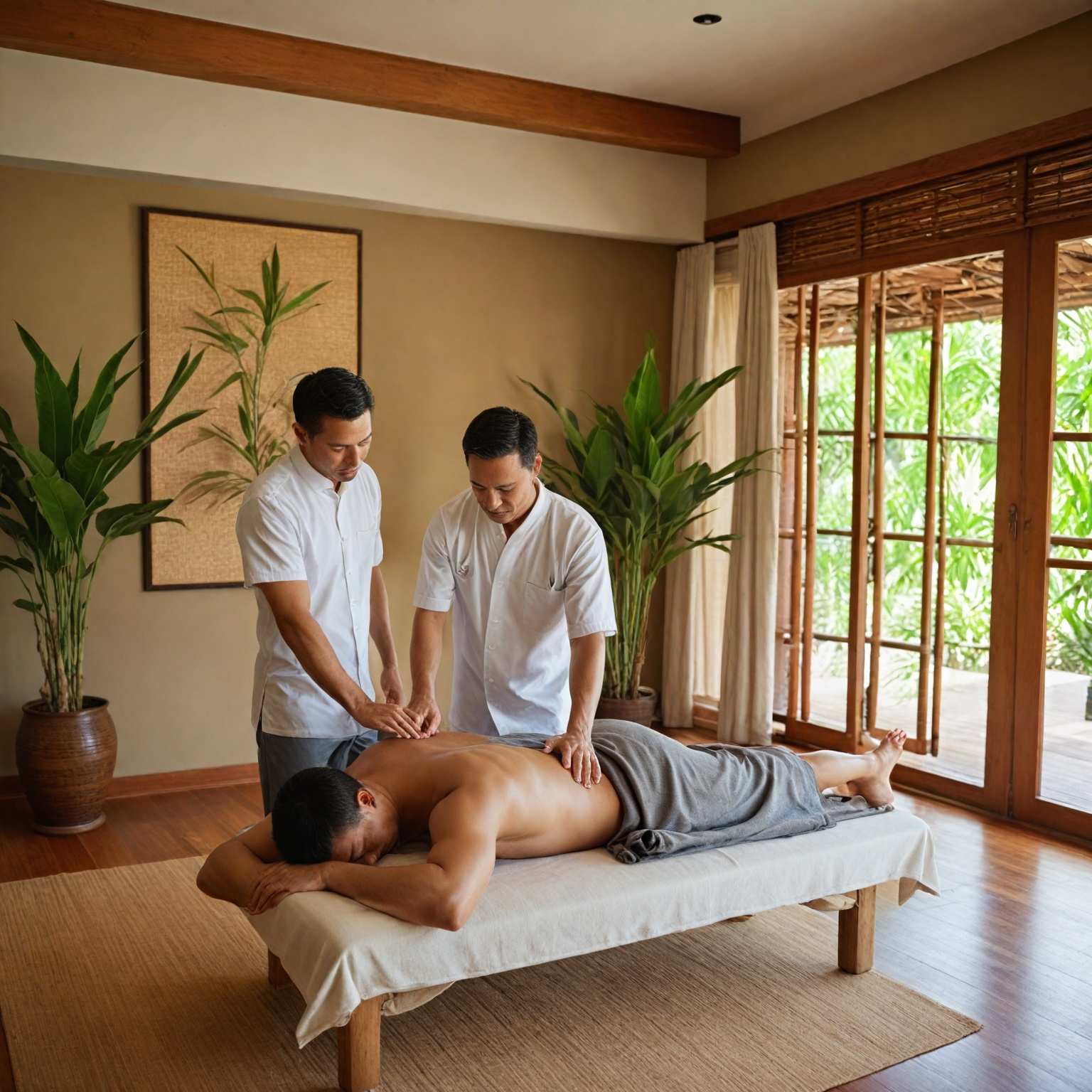
Sessions typically take place on a mat or massage mattress on the floor rather than a massage table. During the treatment, the practitioner uses their hands, thumbs, elbows, knees, and even body weight to stretch, pull, and rock different parts of the recipient’s body. This may include slow manipulation of the head, gentle traction of the neck, and massage of the shoulder blades and upper trapezius muscles to release tension caused by mental stress or poor posture. Some of the stretches resemble yoga poses, where the therapist holds or pulls the client to maintain specific positions.
A standardized 25-step protocol for Traditional Thai Massage has been developed to ensure consistency and efficacy in application. This protocol involves precise knowledge of the Sen Seb lines, hand and body positioning, and the amount of force to apply during each step. The detailed instructions and pressing techniques allow practitioners to learn and adapt the method for various health conditions and research purposes.
The overall experience of Thai massage is often described as flowing and meditative, benefiting both the client and the therapist. Sessions can be customized based on an individual’s flexibility, stress levels, or chronic pain conditions, making the technique adaptable to diverse needs. However, it is important to note that the benefits may vary between individuals depending on their health status, the frequency of treatments, and the expertise of the practitioner.
Adaptations for Male Clients
In recent years, the spa industry has seen a notable shift towards accommodating male clients, particularly in metropolitan areas like Bangkok, where men are increasingly seeking relaxation and wellness treatments. Many men engage in physically demanding activities—ranging from long working hours to sports and fitness—that contribute to stress, fatigue, and muscle tension. To address these specific needs, spas have developed tailored treatments that promote stress relief, enhance relaxation, and support overall wellbeing.
One key adaptation is the inclusion of deep tissue massage as a popular service among male clients. This technique targets muscle tightness and chronic pain often experienced by men due to overuse and physical exertion, helping to alleviate tension and improve recovery. Additionally, Thai massage, with its emphasis on stretching and yoga-like poses, is particularly beneficial for men by increasing flexibility, easing back pain, and reducing stress and anxiety. The passive stretching components of Thai massage help lengthen muscles and improve joint mobility, which is crucial for athletic performance and injury prevention.
Therapists also adapt sessions based on individual factors such as flexibility, stress levels, or chronic pain conditions to create a more personalized and meditative experience that benefits both client and practitioner. The practice incorporates constant body contact that involves compressing, pulling, stretching, and rocking, often using the therapist’s hands, thumbs, elbows, knees, and even body weight to assist the client through various yoga-like postures. This technique fosters relaxation and improves muscle elasticity while emphasizing the concept of metta, or loving-kindness, drawn from Buddhist teachings, which is integral to the therapeutic effect.
Furthermore, specific Thai massage techniques have been refined to focus on areas commonly affected by sedentary lifestyles and physical strain in men. For example, advanced sequences that open the front side of the body—targeting the thighs, chest, and shoulders—combine controlled leg extensions with arm retractions to form a bow-like posture. This approach enhances muscle elasticity, improves posture, and relieves accumulated tension, offering significant benefits for male clients who spend extended periods sitting or engaged in repetitive movements.
Physical Health Benefits for Men
Thai massage offers a range of physical health benefits for men, combining gentle stretches, muscular manipulations, and acupressure techniques to promote overall wellness. One of the primary advantages is the improvement of blood circulation. Enhanced blood flow delivers oxygen and nutrients more effectively to muscles and tissues, which can accelerate recovery, reduce inflammation, and improve joint mobility. For men experiencing conditions such as peripheral neuropathy, a common diabetes complication, Thai foot massage has been shown to increase skin blood flow and ankle joint range of motion, suggesting potential therapeutic effects.
Flexibility is another key benefit that Thai massage provides. By applying rhythmic pressure along energy lines and incorporating assisted stretching, Thai massage lengthens muscles and releases muscular adhesions, which enhances joint mobility and prevents stiffness. Improved flexibility is essential for reducing the risk of injuries such as muscle tears and sprains, particularly in active men and athletes. This increased pliability also supports better athletic performance by minimizing muscle fatigue and allowing muscles to function more efficiently.
Men suffering from muscular tension and lower back pain may find relief through Thai massage techniques, which target tight muscles and promote relaxation. The massage’s combination of deep stretches and acupressure not only alleviates pain but also boosts elasticity and facilitates muscle healing. Additionally, by lowering cortisol levels—the hormone associated with stress—Thai massage helps reduce overall stress, contributing to both physical and mental relaxation.
Certain traditional practices within Thai massage, such as Jabkasai tendon or reproductive system massage, are believed to improve male reproductive health by enhancing blood circulation and potentially increasing sperm production, which may help in addressing impotence and related issues.
Mental and Emotional Wellbeing Benefits
Thai massage offers significant mental and emotional wellbeing benefits by promoting relaxation and reducing stress levels. It helps lower cortisol, the hormone responsible for stress, thereby creating a calming environment conducive to treating anxiety and depression. The therapy induces relaxation by encouraging the production of serotonin and dopamine, neurotransmitters associated with improved mood and overall mental health.
Beyond physical relief, Thai massage fosters a connection between the body and mind, with many clients reporting enhancements in emotional wellbeing after regular sessions. It balances the body’s energy system, harmonizing both physical and energetic aspects, which contributes to a profound sense of mental tranquility and stress relief. Unlike other massage types that may induce sleepiness, Thai massage aims to restore energy and mental stimulation while still providing relaxation.
The combination of methodical strokes, mindful breathing, and gentle stretches creates a meditative experience that can be adapted to individual needs, helping to alleviate chronic pain and reduce tension while promoting mental clarity and emotional balance. This holistic approach makes Thai massage a valuable therapy not only for physical tension but also for managing mental stress and enhancing overall emotional health.
Impact on Athletic Performance
Thai massage plays a significant role in enhancing athletic performance by improving flexibility, promoting muscle recovery, and reducing the risk of injuries. Flexibility, one of the four essential components of fitness alongside cardio, strength, and balance, is crucial for optimal athletic function. Inflexible muscles tend to tire more quickly and increase the likelihood of injury, as other muscles may compensate for their limitations. Thai massage addresses this by combining passive stretching techniques that lengthen muscles, improve joint mobility, and prevent stiffness, thereby enhancing an athlete’s range of motion.
Moreover, Thai massage promotes better blood circulation through rhythmic pressure applied along the body’s energy lines, known as Sen lines. This increased blood flow improves oxygen delivery to fatigued muscles, which helps reduce inflammation and speeds recovery following intense workouts or competitions. The technique also includes joint mobilization, which lowers the risk of joint-related injuries and supports precise athletic movements by improving overall joint function.
While these benefits suggest notable advantages for athletes, it is important to recognize that research on Thai massage’s impact on sports performance is still emerging. Existing studies do not yet provide conclusive evidence, and the practice may not be suitable for everyone. Collaborating with healthcare professionals to develop a comprehensive treatment plan is often the most effective approach to optimizing and maintaining athletic performance. Nonetheless, Thai massage remains a valuable and often underutilized tool in athletes’ recovery regimens, complementing other methods such as ice baths and compression therapy.
Modern Practices and Innovations in 2025
In 2025, the Thai massage industry continues to evolve by integrating modern wellness innovations and expanding its reach to diverse clientele, particularly men. This shift reflects a broader trend toward personalized and inclusive wellness services, emphasizing both traditional techniques and cutting-edge advancements.
Thailand’s spa and wellness sector remains a global leader in creativity and sustainability, as highlighted by the Thailand Spa and Wellbeing Awards 2025. The industry showcases innovative wellness formulations like Skin Youth by I plus Q, which combines Thai expertise with advanced science to promote skin health. Professional wellness equipment such as icoone LASER-MED further exemplifies the incorporation of advanced technology into aesthetic care, underscoring Thailand’s commitment to enhancing quality of life through regenerative medicine and wellness tourism.
Male-focused wellness services have gained significant traction, particularly in urban centers like Bangkok. Spas such as Loft Thai Spa offer a comprehensive range of treatments tailored to men’s unique needs, including deep tissue massages, sports massages, facial treatments, and hair removal services. This expansion reflects the increasing demand among men for stress relief, muscle recovery, and overall well-being, especially those with physically demanding lifestyles or high-stress occupations. Personalized approaches allow therapists to target specific problem areas, providing therapeutic massage options that address chronic pain, sports recovery, and mental relaxation.
Traditional Thai massage itself has been preserved within these modern contexts but adapted to contemporary wellness practices. It continues to emphasize stretching, acupressure along energy lines known as sen, and assisted yoga postures without the use of oils, promoting flexibility and enhanced recovery. The practice integrates the Buddhist concept of metta (loving-kindness), fostering a holistic approach to physical and mental health. Aromatherapy sessions complement traditional massage by incorporating essential oils that ease tension and elevate emotional well-being, with hypoallergenic options available for sensitive clients.
Safety, Contraindications, and Precautions
Thai massage offers numerous benefits, including stress reduction and improved flexibility, but it is essential to approach it with caution to ensure safety and maximize its positive effects. Understanding specific contraindications and precautions can help tailor the massage experience to individual health conditions and avoid potential risks.
Certain medical conditions require particular care when receiving Thai massage. For example, individuals with blood clots should avoid full-body treatments due to uncertain effects; however, working on extremities such as the feet, hands, head, and face may still be considered safe. While these situations do not always constitute absolute contraindications, they do call for adjustments in techniques and intensity to suit the client’s health status.
Experienced therapists with a broad range of techniques and sensitivity can often adapt sessions to accommodate various health issues, including more serious conditions. This adaptability is rooted in Thai massage’s history as part of a traditional medical system in Thailand, where it was used to address diseases and medical problems among the population. Nonetheless, practitioners and clients should communicate openly about health concerns and modify the treatment accordingly.
Before booking a session, verifying the therapist’s credentials and ensuring they have undergone sufficient training is crucial. Licensed traditional Thai massage practitioners typically complete at least 800 hours of training and must register with appropriate health authorities, such as the Public Health Ministry’s Department of Health Service Support (HSS). This level of training ensures that therapists understand the anatomy, appropriate force, and necessary precautions to provide safe and effective care.
Clients should also prepare properly for their session, including choosing suitable attire that allows freedom of movement and comfort for both the client and therapist. Additionally, confirming hygiene standards such as clean towels, disposable liners, and safe foot baths enhances the overall safety and comfort of the experience, particularly in group or spa settings.
Finally, ongoing feedback and communication between therapist and client during the session are vital to adjust pressure, positioning, and techniques based on the client’s responses, health status, and flexibility. This collaborative approach helps ensure that Thai massage remains a safe, enjoyable, and beneficial practice tailored to individual needs.
Comparison with Other Massage Modalities
Thai massage is distinguished from other massage types by its unique combination of stretching, movement, and pressure techniques. Unlike Swedish massage, which primarily
The content is provided by Harper Eastwood, Direct Bulletins