Highlights
- Walmart's multi-phase Black Friday strategy maximizes sales opportunities across stores and online.
- Early access for Walmart+ members enhances loyalty and offers exclusive shopping benefits.
Summary
Unlocking Walmart Black Friday 2025: Essential Insights for Smart Shoppers offers a comprehensive overview of Walmart’s Black Friday strategy and consumer trends for the 2025 holiday season. As one of the largest and most influential retailers in the United States, Walmart has expanded its traditional single-day Black Friday event into an extended, multi-phase promotional period spanning early November through Cyber Monday. This strategic shift reflects broader industry trends aimed at accommodating evolving consumer behaviors, improving inventory management, and maximizing sales opportunities across both physical stores and digital platforms.
Walmart’s 2025 Black Friday events feature a wide array of discounted products from major brands such as Apple, LEGO, Dyson, and Levi’s, with deals accessible online and in-store. The retailer leverages advanced technologies, including AI-powered shopping assistants and personalized marketing, to enhance the consumer experience and meet the growing demand for mobile commerce, which accounts for over half of all purchases during the period. Early access for Walmart+ members further incentivizes loyalty, enabling shoppers to begin buying hours before the general public.
Despite the popularity and economic significance of Walmart’s Black Friday sales—contributing substantially to the company’s annual revenue—there are ongoing challenges and controversies. These include shopper safety concerns stemming from crowded conditions and occasional aggressive behavior, as well as debates over the impact of social media and AI tools on consumer decision-making and accessibility. Additionally, Walmart’s selective discounting strategy balances competitive pricing with profitability amid rising economic pressures and price sensitivity among consumers.
Looking ahead, Walmart’s Black Friday 2025 model underscores a broader retail evolution toward longer promotional windows, integrated technology, and tailored shopping experiences. These developments aim to meet diverse shopper needs while navigating complex market dynamics, positioning Walmart as a key player in shaping the future of holiday retail.
History of Black Friday at Walmart
The term “Black Friday” first appeared in the journal Factory Management and Maintenance in 1951, originally referring to the point in the year when retailers begin to turn a profit, or go “in the black”. Over time, Black Friday evolved from a single day marking the start of the Christmas shopping season into a major retail event characterized by intense consumer activity.
Walmart, as one of the leading retailers in the United States, has played a significant role in shaping the modern Black Friday experience. In recent years, Walmart has extended its Black Friday sales beyond the traditional single day, organizing multiple “Walmart Deals Events” that span several days or even weeks. For instance, in 2025, Walmart’s Black Friday Deals Event was held from November 14 to 16, with deals available both online and in stores, signaling a shift toward a longer, more accessible shopping period.
The retailer’s Black Friday events have featured a wide range of discounted products, including popular items from top brands such as Apple, LEGO, Dyson, and Levi’s, attracting customers looking for the season’s most-wanted gifts. Walmart has continuously adapted its strategy to maintain its dominance during this key shopping season, incorporating both in-store and online promotions to reach a broad customer base.
Despite its popularity, Black Friday at Walmart has also seen its share of consumer misbehavior, as shoppers compete for limited quantities of deeply discounted products, sometimes resulting in chaotic situations on the sales floor. Nonetheless, Walmart’s Black Friday remains one of the most anticipated shopping events of the year, setting the tone for holiday retail and contributing significantly to the company’s annual profitability.
Walmart Black Friday 2025 Overview
Walmart’s Black Friday 2025 event is structured across multiple staged deals, reflecting a strategic adaptation to earlier and more extended holiday shopping patterns. The retailer has planned three main Deals Events throughout November and December, allowing better inventory management and tailored pricing strategies. The first event runs from November 14 to 16, followed by a second event from November 25 to 30, which includes the traditional Black Friday date on November 28. Cyber Monday deals will commence on December 1, with online-exclusive offers continuing through that day.
Walmart offers early online access to these sales for Walmart+ members, who can begin shopping five hours ahead of the general public at 7 p.m. ET on November 13, 24, and 30, corresponding to each deals event and Cyber Monday, respectively. This early access incentive underscores the growing importance of loyalty programs amid increasingly selective shopper behavior.
The sales cover a broad spectrum of categories, including electronics, gaming consoles, toys, home goods, apparel, and holiday decor. Major brands featured include LEGO, Dyson, Nintendo, Apple, PlayStation, Delonghi, La Roche Posay, Levi’s, and Barbie. Walmart aims to appeal to a wide range of customers by offering thousands of items, many priced under $20, with discounts reaching up to 60% on select brands.
In line with evolving consumer habits, Walmart leverages AI and data analytics to deliver personalized marketing and improve inventory accuracy. Tools such as AI-powered shopping assistants and recommendation engines enhance the online shopping experience and help anticipate demand. Walmart has also invested in mobile commerce, with reports indicating that nearly 55% of purchases are made via phones or tablets. Moreover, Walmart’s “WhoKnewVille” campaign, inspired by Dr. Seuss, adds a playful and engaging element to the shopping experience, turning deal-hunting into entertainment.
The retailer has also responded to economic pressures by emphasizing authentic value and transparent savings, avoiding inflated discounts. Promotional strategies include installment payment options like Buy Now, Pay Later (BNPL), making higher-priced items more accessible. These efforts, combined with a robust promotional calendar and significant marketplace growth driven by independent sellers, position Walmart as a leading destination for holiday shoppers in 2025.
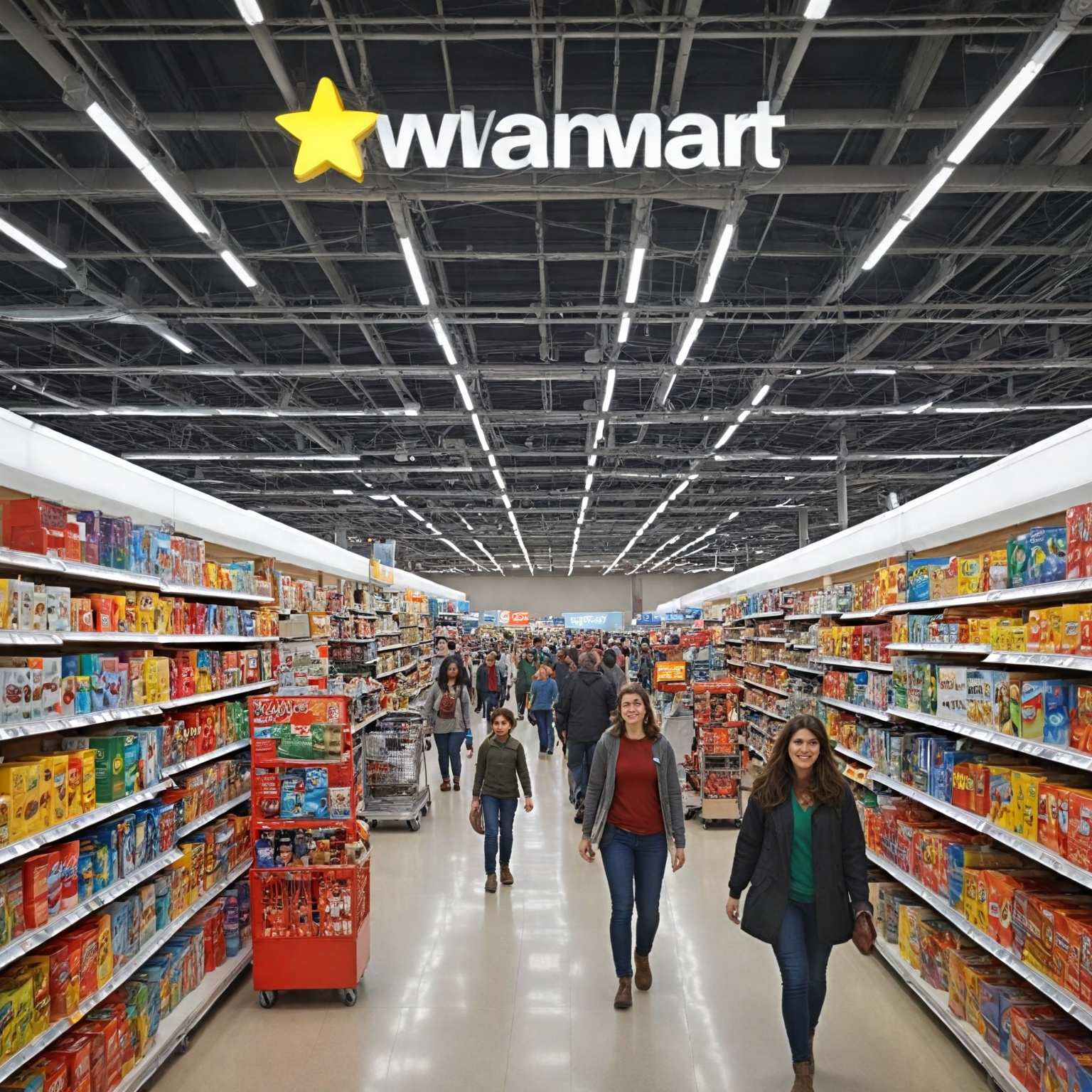
In-store shopping remains strong, with 71% of Black Friday in-person shoppers planning to visit Walmart. Stores will be closed on Thanksgiving Day but will open early on Black Friday to accommodate eager shoppers, with anticipated peak shopping times between 5 a.m. and 10 a.m. Additionally, Walmart competes with other major retailers such as Target and Kohl’s for foot traffic during the holiday.
Popular Deals and Product Categories
Walmart Black Friday 2025 offers a wide array of deals spanning multiple product categories, appealing to a broad customer base. Shoppers can expect significant discounts on toys, electronics, home goods, fashion, and beauty products from leading brands such as Delonghi, Apple, LEGO, Dyson, La Roche Posay, Levi’s, and Barbie. The event is divided into different phases, ensuring a continuous flow of promotions both online and in stores from November 14 to 16, 2025.
Electronics remain a key attraction, with high-demand items like laptops and TVs seeing smaller markdowns compared to accessories and apparel, yet still offering competitive pricing. For example, top-tier smart TVs equipped with advanced features such as Google TV and HDMI 2.1 inputs are among the featured products during the sale. Meanwhile, kitchen appliances and Dyson products also see notable discounts.
In fashion, Walmart’s clothing selections are increasingly popular, with shoppers praising the quality and style of affordable wardrobe staples like sweaters and crossbody bags. Gift cards continue to be a popular last-minute purchase option, especially during the busy holiday shopping season.
Other popular categories include home decor and patio furniture, with items like prelit artificial Christmas trees and outdoor swivel gliders offered at competitive prices. The retailer is also emphasizing affordability, with thousands of items priced under $20, catering to budget-conscious consumers navigating inflation and economic uncertainty.
Deal Formats and Discount Strategies
Walmart’s Black Friday 2025 approach reflects a shift from broad, across-the-board markdowns to more targeted and strategic discounting. Retailers, including Walmart, are balancing the risk of sacrificing profit margins with the need to attract price-conscious shoppers who actively compare discounts across multiple channels and AI-powered engines. This has led to a preference for surgical, selective discounting rather than blanket price cuts.
The promotional calendar has been extended to a 12-day event, designed to capture both early and late shoppers while managing logistics and inventory more effectively. Deals roll out in phases, often starting with early access for Walmart+ members who can shop online up to five hours before the general public. This tiered access helps distribute demand and smoothens the shopping experience. Moreover, Walmart+ offers additional incentives such as a yearly membership deal at $49 plus early access to sales, reinforcing loyalty and enhancing shopper engagement.
Discount strategies this year emphasize lower prices across thousands of items, with a notable focus on thousands of products priced under $20. This strategy targets value-driven consumers and aims to create one of the most competitive discount cycles in the retail sector. Additionally, Walmart is leveraging significant investments in AI-powered shopping assistants to boost conversion rates by providing personalized recommendations and streamlining the purchase process.
Online and mobile commerce play a crucial role in Walmart’s Black Friday sales, with nearly 55% of purchases coming from phones or tablets. The retailer has incorporated episodic marketing, such as the “Deals of Desire” mini-series, to gamify the deal-hunting experience and sustain consumer interest throughout the event.
Shopping Experience
The 2025 Black Friday shopping experience at Walmart reflects a blend of traditional in-store engagement and advanced digital integration, catering to a diverse shopper base. Despite the increasing dominance of online retail, with Amazon growing from 85% to 94% of Cyber Week shoppers between 2024 and 2025, in-store shopping remains robust, particularly at Walmart where 71% of in-person Black Friday shoppers choose to shop. Target and Kohl’s also maintain strong in-store followings, with many shoppers beginning their purchases early—33% start on Thanksgiving Day and 30% on Black Friday morning between 5 AM and 10 AM.
Walmart has implemented a strategic fulfilment approach that enhances convenience and speed for customers. Their use of Walmart Fulfillment Services (WFS) supports buy-online-pick-up-in-store (BOPIS) options, alongside reliable two-day delivery in select regions. Improvements aimed at enabling same-day or next-day delivery across more zip codes during peak shopping weeks have been significant, resulting in fewer delays and better order tracking for high-demand items. For example, a major promotional highlight was the Dyson V12 Detect Slim Cordless Vacuum Cleaner priced at $399.99, advertised ahead of the shopping season.
The retailer’s promotional calendar has expanded to twelve days, capturing early and late shoppers while emphasizing marketplace growth through independent sellers, who contribute over 60% of holiday sales. This extended period accommodates a wider range of shopping preferences and boosts overall sales volume. Walmart also focuses heavily on mobile commerce, with nearly 55% of purchases coming from phones or tablets, and innovates with AI-powered shopping assistants that enhance conversion rates by providing personalized recommendations and streamlining the buying process.
Walmart’s deal-hunting experience is gamified through initiatives like the episodic “Deals of Desire” mini-series, turning the search for bargains into entertainment. This aligns with the broader retail trend of leveraging AI tools and social media influencers to shape consumer behavior. Influencers on platforms such as Instagram, TikTok, and YouTube showcase exclusive deals and promotional codes, reinforcing social proof and driving urgency among shoppers, particularly younger demographics. Emotional gratification from securing deals is a powerful motivator, often encouraging increased spending as shoppers chase the rewarding feeling of finding discounts.
To maintain shopper civility amid expected crowds, Walmart and other retailers may use signage and communications reminding customers to anticipate busy conditions, which helps reduce perceptions of inequity and frustration. Furthermore, the company adopts selective discounting strategies to balance maintaining profit margins with attracting price-conscious consumers who use AI-powered comparison engines to benchmark prices across multiple channels.
Consumer Behavior and Psychological Factors
Black Friday shopping behavior is significantly influenced by a combination of psychological triggers and social dynamics. The expectation of crowds and busy conditions can help manage shopper perceptions, as reminders about crowded environments encourage customers to remain civil and patient. This collective anticipation sets the stage for how emotions and personality traits, along with gender differences, affect consumer actions during the event.
One of the key psychological drivers is the fear of missing out (FOMO), which stems from the hype, scarcity, and social pressure associated with holiday sales. Shoppers often feel compelled to purchase products they may not need due to perceived limited availability and the influence of others’ buying behavior. This effect is amplified by social proof, where consumers rely on the actions, reviews, and recommendations of peers and influencers to guide their decisions. Influencer endorsements, in particular, have a strong impact on younger demographics, enhancing the attractiveness of certain products.
Emotional gratification also plays a crucial role in Black Friday shopping. The thrill of securing a good deal or a highly desired item generates positive feelings that reinforce spending behavior. Shoppers chase this rewarding sensation, which can lead to increased purchases beyond their initial plans. Retailers strategically exploit these psychological factors by creating urgency through limited-time offers and selective discounting, rather than broad markdowns, balancing margin preservation with attracting price-conscious consumers who compare deals across channels and AI-powered tools.
The influence of social media and digital technologies continues to shape consumer behavior during the holiday season. Retail chatbots and AI tools assist customers in tracking deals and making purchases, while platforms like Temu and Shein capitalize on cost-conscious consumers. The top product categories remain clothing, electronics, and home goods, with gift cards serving as popular last-minute gifts. Moreover, the shift toward online shopping offers numerous options such as free shipping and in-store pickup, expanding the variety of items consumers add to their carts—from video game consoles and toys to sporting goods and holiday décor.
Preparation and Smart Shopping Strategies
In 2025, Walmart’s Black Friday event is strategically divided into multiple staged deals spanning from early November through Cyber Monday, allowing shoppers to plan purchases over an extended period rather than concentrating them into a single day. This approach aligns with changing consumer behavior and offers the advantage of managing inventory and pricing more effectively while providing value to loyal customers, especially Walmart+ members who receive five hours of early access to each deal event.
Smart shoppers are encouraged to leverage the full duration of Walmart’s Black Friday promotions, which include waves of deals dropping throughout November and into Thanksgiving weekend. Utilizing a Walmart+ membership can be particularly beneficial, not only for early access but also for saving time and money during in-store and online shopping. Additionally, Walmart’s adoption of AI-powered shopping experiences simplifies the discovery of deals and enhances the overall shopping experience by providing personalized recommendations and streamlined navigation through the extensive promotion calendar.
Shoppers should also consider using AI tools and generative AI (GenAI) assistants to research and compare prices across retailers, as price sensitivity and deal benchmarking are more pronounced than ever in 2025. This technology-driven approach helps consumers make strategic purchasing decisions, ensuring they identify the best offers on clothing, electronics, and home goods—categories that consistently top Black Friday sales. Influencers and social media platforms remain valuable sources for exclusive deals and promotional codes, which can supplement official retailer discounts and provide additional savings opportunities.
Given the economic pressures and cautious spending behavior prevalent this season, selective discounting by retailers means shoppers need to be discerning, focusing on authentic value rather than superficial price cuts. Gift cards remain a popular last-minute option, offering flexibility when time is limited or when uncertainty about specific gifts exists. Moreover, incorporating buy now, pay later (BNPL) options into purchase strategies can make higher-priced items more accessible while maintaining budget control.
Demographics and Shopper Profiles
Understanding the demographics and profiles of Black Friday 2025 shoppers provides crucial insights into retail trends and consumer behavior
Walmart’s Black Friday 2025 Strategies in Context
Walmart’s approach to Black Friday 2025 reflects an adaptive strategy designed to meet evolving consumer behaviors and operational challenges in a dynamic retail environment. Central to Walmart’s plan is the extension of the traditional single-day event into a longer promotional window. This extended sale period, which includes a digital-first rollout and early access for loyalty members, helps balance logistical demands, improves inventory management, and provides customers with multiple opportunities to engage with deals across various regions.
The retailer aims to offer deals across nearly every product category it carries, catering to broad consumer interests and increasing the appeal of the event. This inclusive product strategy aligns with market trends where shoppers exhibit heightened deal-seeking behavior influenced by economic pressures and growing price sensitivity. Walmart’s promotional calendar spans approximately 12 days, strategically capturing both early and late shoppers and boosting sales through independent sellers on its marketplace platform.
Walmart also integrates advanced technologies such as AI-powered shopping assistants and personalized marketing tactics. These tools enhance customer experiences by delivering tailored recommendations based on past purchases and browsing patterns, thereby increasing conversion rates and customer satisfaction. Moreover, the use of social media influencers and targeted online campaigns helps Walmart tap into the emotional gratification consumers seek during Black Friday, amplifying product appeal especially among younger demographics.
In response to broader market conditions—including slowing growth, tariff-driven cost pressures, and cautious consumer sentiment—Walmart emphasizes transparency, genuine value, and authenticity in its deal messaging. The promotion of buy-now-pay-later (BNPL) options alongside clear, value-focused offers makes higher-priced items more accessible, addressing shoppers’ practical concerns without sacrificing appeal. Additionally, Walmart’s innovative “Deals of Desire” episodic mini-series turns deal-hunting into a form of entertainment, further engaging customers and enhancing the shopping experience.
Supply Chain and Logistics Enhancements
Walmart’s Black Friday 2025 strategy heavily emphasizes advancements in supply chain and logistics to ensure faster delivery and improved customer experience. The company has bolstered its omnichannel fulfillment options, offering services such as Pickup Today, Delivery Today, and Express Delivery, some capable of delivering products within 30 minutes. These options provide greater flexibility and speed for shoppers, particularly during high-demand periods.
To accommodate the surge in online sales—projected to reach $11.7 billion on Black Friday and $14.2 billion on Cyber Monday—Walmart has optimized inventory positioning and logistics load balancing. This approach reduces reliance on expedited shipping by allowing sellers to pre-position inventory in strategic locations ahead of peak sales events. As a result, the company can maintain product availability while supporting faster delivery windows, including same-day or next-day service across more zip codes during critical shopping weeks.
Walmart’s logistics improvements are part of a broader industry trend that includes partnerships and integrations with major logistics networks. Amazon, for example, has expanded its Supply Chain services to support sellers not only on its own marketplace but also across platforms like Walmart, Shopify, and SHEIN. This multi-channel fulfillment capability streamlines international freight, customs clearance, warehousing, and fulfillment processes for over 600,000 independent sellers, moving more than 5 billion products through its network in 2025 alone.
The extended sale windows and phased rollout of promotions align with Walmart’s global logistics strategy, balancing order volume and enhancing inventory control. These measures aim to minimize delays, provide better order tracking, and ensure availability of high-demand items throughout the Black Friday period. By leveraging these logistics enhancements, Walmart is positioned to deliver a highly competitive and seamless shopping experience during the 2025 holiday season.
Economic and Market Impact
The 2025 Black Friday season is projected to surpass $1 trillion in U.S. holiday sales for the first time, marking a significant milestone despite a notable slowdown in growth and cooling consumer sentiment. This period continues to shape the broader holiday shopping landscape, as economic pressures such as tariffs and inflationary costs increase the importance of value-driven purchasing decisions. Shoppers are becoming more price-sensitive and deal-oriented, leveraging advanced AI tools to optimize their buying strategies.
Retailers are responding to these market dynamics by extending promotional periods beyond the traditional single day to a 12-day calendar that captures early and late shoppers alike, thus maximizing engagement and revenue opportunities. This expansion has contributed to strong growth in marketplace sales, with over 60% of holiday transactions occurring through independent sellers. Mobile commerce also plays a crucial role, accounting for nearly 55% of purchases made via phones or tablets, highlighting the increasing reliance on digital platforms during the shopping season.
Strategic marketing efforts focus on creating urgency and exclusivity through limited-time offers, while personalized content and demographic targeting enhance campaign resonance across diverse consumer segments. Additionally, the integration of buy-now-pay-later (BNPL) options alongside transparent, value-focused messaging has made higher-priced items more accessible, aligning with shoppers’ heightened expectations for authenticity and clear savings rather than inflated discounts.
Black Friday’s economic impact extends beyond immediate sales figures, setting the tone for the entire holiday season. Projections for holiday e-commerce indicate a 7%–9% year-over-year growth, reaching between $305 billion and $310.7 billion. The 2024 Thanksgiving weekend alone drew 197 million shoppers, the second-highest total on record, underscoring the enduring significance of this shopping event amid evolving consumer behaviors and market trends.
Criticisms and Controversies
Black Friday at Walmart has faced notable criticisms and controversies over the years, primarily centered on shopper safety and crowd behavior. One of the most tragic incidents occurred in 2008, when a Walmart employee was trampled and killed as shoppers rushed to enter the store, highlighting the potential dangers of large, unruly crowds during major sales events. This incident underscores ongoing concerns about the management of crowd control and the overall safety of both employees and customers during Black Friday sales.
Moreover, the intense competition and high demand for discounted products can lead to aggressive consumer behavior. Retailers, including Walmart, have sought to mitigate these tensions by posting signs at entrances and in advertisements to remind shoppers to be patient and bear with the crowded conditions, aiming to maintain civility during peak shopping hours. Despite these efforts, the potential for misbehavior and conflict remains a challenge inherent to Black Friday events.
In addition to safety concerns, consumer behavior during Black Friday is heavily influenced by social proof, where shoppers are swayed by what others are buying, reviewing, and recommending. While this can drive sales, it may also encourage impulsive purchases or herd mentality, leading some critics to question the sustainability and consumer well-being associated with such patterns.
Finally, the evolving nature of Black Friday shopping—with a significant shift towards online purchasing and the use of emerging technologies like generative AI for strategic shopping—raises new questions about accessibility and equity. While these tools can enhance the shopping experience for some, there is concern that lower-income shoppers may continue to face disadvantages, as discretionary spending intentions remain negative among this group. This digital divide may contribute to widening gaps in who benefits most from Black Friday deals.
Future Outlook and Predictions
The 2025 Black Friday season is expected to continue evolving with a strong emphasis on technology and consumer behavior insights. Retailers are likely to extend promotional periods, as seen with a 12-day promotional calendar designed to capture both early and late shoppers, thereby maximizing sales opportunities throughout the holiday season. Independent sellers are anticipated to play a significant role, contributing to over 60% of holiday sales and driving growth across online marketplaces.
Artificial intelligence (AI) will further enhance the shopping experience. Investments in AI-powered shopping assistants and retail chatbots are set to improve customer engagement by helping shoppers track deals and facilitate purchases seamlessly. AI-driven recommendation engines will increasingly tailor marketing strategies to individual consumers by analyzing purchase history and browsing data, boosting conversion rates and ensuring that stock levels align with anticipated demand.
Mobile commerce is expected to maintain its momentum, with more than half of purchases predicted to come from smartphones or tablets, reflecting consumers’ growing preference for shopping on-the-go. Social media and influencer marketing will remain pivotal in shaping buying habits. Platforms such as Instagram, TikTok, and YouTube will showcase exclusive deals and promotional codes, leveraging social influence and the fear of missing out (FOMO) to drive urgency and sales.
Cost-conscious platforms like Temu and Shein are positioned for a strong performance, especially in popular categories such as clothing, electronics, and home goods. Gift cards will continue to be a popular last-minute purchase option. Brick-and-mortar stores including Walmart, Target, and Kohl’s are expected to draw significant in-store traffic, while Amazon is likely to maintain dominance during Cyber Monday events.
The content is provided by Jordan Fields, Direct Bulletins