Highlights
- Police impound truck auctions offer vehicles at prices often below market value.
- Proper preparation and understanding auction rules are crucial for successful bidding.
Summary
Police impound truck auctions are specialized sales events where vehicles seized, repossessed, or impounded by law enforcement agencies are sold to the public through live or online bidding. These auctions often feature a diverse inventory including trucks, motorcycles, specialized police units, and fleet vehicles, providing unique opportunities for buyers to acquire vehicles at prices typically below market value. Originating from various sources such as criminal forfeitures, abandoned property, repossessions, or government surplus, these auctions operate within a strict legal and regulatory framework designed to protect public interests and ensure transparency.
The legal foundation for police impound truck auctions is established by statutes and local ordinances that govern vehicle seizure, impoundment, and forfeiture processes. Vehicles are only auctioned after due process, including owner notification and a designated holding period, ensuring lawful transfer of ownership. Auctions are typically open to the general public or licensed dealers, with stringent rules for bidder conduct and payment procedures enforced to maintain fairness and order. Buyers should be aware that all vehicles are sold “as is,” without warranties, placing the responsibility on purchasers to inspect and assess condition prior to bidding.
Despite the appeal of low prices and varied selections, police impound truck auctions pose challenges, including limited vehicle history, potential mechanical or cosmetic issues, and the necessity for buyers to arrange timely payment and legal removal of purchased vehicles. Auctioneers retain the right to reject bids or halt sales, and failure to comply with auction rules can result in bans or legal penalties, underscoring the importance of understanding auction terms and legal obligations before participation.
These auctions have garnered attention for offering valuable “hidden gems,” attracting both individual buyers and fleet operators seeking affordable vehicles, but they also raise ethical and procedural considerations related to ownership rights, auction transparency, and vehicle condition. With proper preparation, inspection, and adherence to regulations, police impound truck auctions provide a notable alternative vehicle procurement channel within the broader automotive market.
Overview of Police Impound Truck Auctions
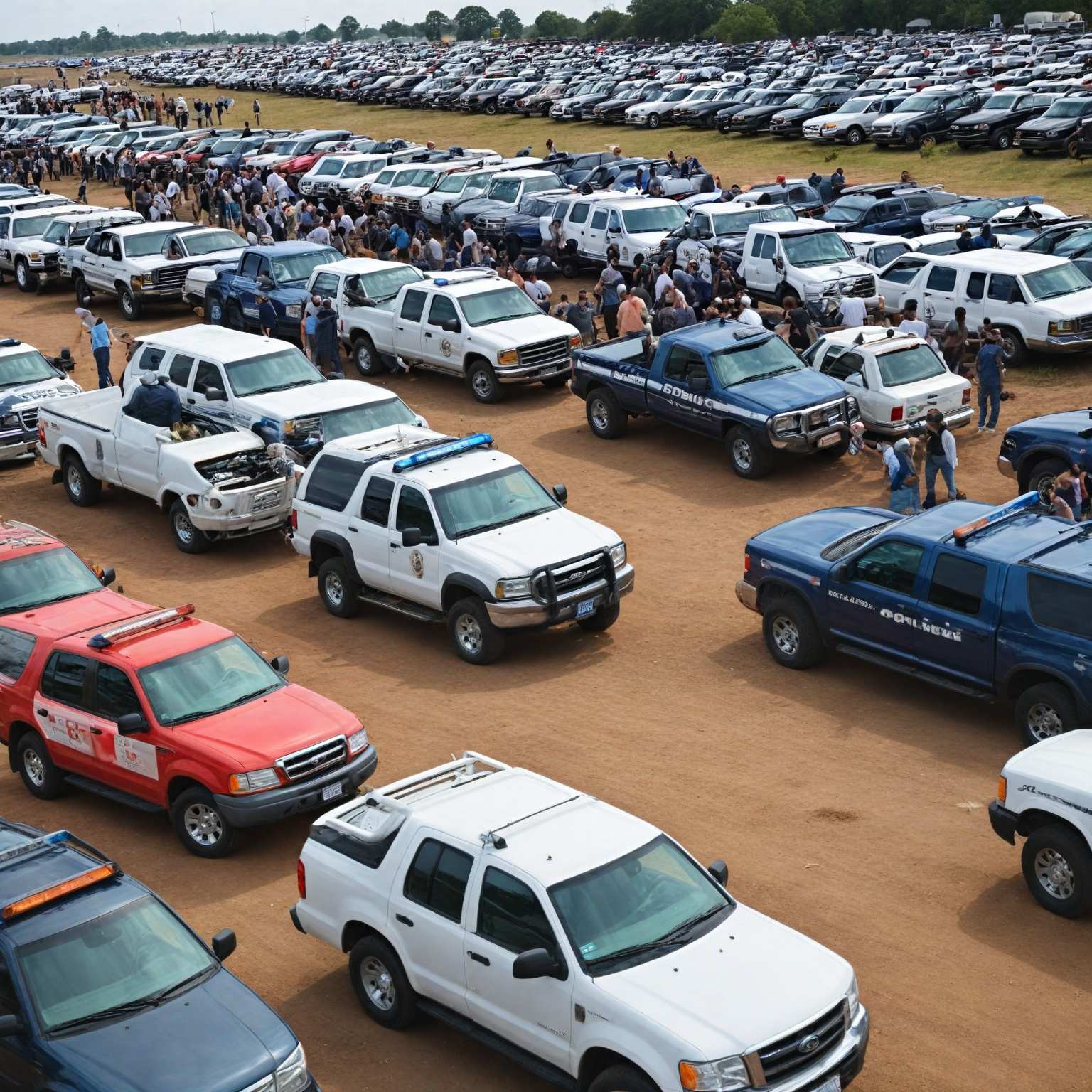
Police impound truck auctions are events where vehicles seized, repossessed, or impounded by law enforcement agencies are sold to the public through live or online bidding. These auctions typically include trucks, motorcycles, and specialized units, including K-9 vehicles, offering a diverse selection beyond standard cars. The vehicles come from various sources, including police confiscations, insurance companies, banks, and repossessions due to non-payment or legal issues.
Impounding involves police or courts taking custody of a vehicle under circumstances such as abandonment, seizure pending forfeiture, or as evidence in investigations. Despite custody by authorities, impounding does not alter the vehicle’s title; the property is safeguarded with the intent of returning it unless forfeiture proceedings transfer ownership to the state. If the owner cannot be identified or does not claim the vehicle within a designated period, it may be sold at auction as abandoned property.
These auctions operate under strict regulations to ensure order and compliance. Participants must follow rules enforced by the auctioning agency, with disruptive behavior potentially leading to removal or bans from future events. Some auctions are open to the general public, while others restrict participation to licensed dealers, often featuring trade-ins, repossessed vehicles, and municipal fleet surplus.
Buyers interested in trucks at police impound auctions should inspect vehicles beforehand, as many auctions allow early viewing but often do not guarantee vehicle condition. Transport arrangements are generally the buyer’s responsibility, with specialized towing services recommended for larger trucks or specialized equipment. Additional fees and taxes apply beyond the winning bid, so prospective buyers should be aware of all costs involved.
Legal Framework Governing Police Impound Truck Auctions
Police impound truck auctions operate within a legal framework governing seizure, impoundment, and sale of vehicles. Various laws and ordinances allow impoundment for abandonment, involvement in criminal activity, or forfeiture proceedings. For example, New York State’s Vehicle and Traffic Law §424 authorizes agencies to take possession of motor vehicles abandoned, repossessed, seized pending forfeiture, held as evidence, or otherwise impounded under legal circumstances.
Impoundment grounds extend beyond criminal seizures to include minor traffic violations and city ordinances prohibiting vehicle abandonment on public streets. Some jurisdictions permit impoundment if the driver abandons the vehicle due to arrest or license revocation. Legal limits exist on impoundment related to forfeiture proceedings, requiring a judge’s order for state ownership and public auction sale before permanent forfeiture. Not all seized vehicles are forfeited; owners may reclaim some following due process.
Vehicles sold at these auctions come from sources such as drug-seized vehicles, asset forfeitures, abandoned cars, government surplus, and impounded trucks and SUVs. Authorities make reasonable efforts to locate and notify owners; if unclaimed within a legal time frame, the city or towing agency may auction the vehicles publicly. Auctions are often open to the public, offering opportunities to purchase vehicles at potentially lower prices than retail.
Regulations governing bidder conduct are strictly enforced to maintain auction integrity. Violations can result in bans from current and future auctions, overseen by designated officials such as impound lot managers or shop foremen. This legal structure ensures transparent auctions protecting state, owner, and buyer interests.
Auction Preparation and Vehicle Selection
Preparing for a police impound truck auction requires planning and understanding the process. Auctions typically feature impounded cars, abandoned vehicles, and decommissioned police fleet trucks available in-person or online. Potential buyers should review auction terms, payment policies, and any special protocols, such as social distancing measures.
Legal requirements govern vehicle removal from the auction site. Vehicles can only be removed by authorized means, including temporary registration plates, tow trucks, dollies, trailers with appropriate gross vehicle weight ratings, or dealer plates if applicable. Titles for impounded vehicles may carry stipulations; some police cars have clean titles, others salvage titles depending on condition. Titles often must be processed through the DMV after lien holder approval.
Thorough vehicle evaluation and inspection are essential to assess condition and market value. Inspectors should examine exterior, interior, and mechanical components, looking for dents, scratches, repairs, upholstery condition, dashboard and electronics functionality, engine, and transmission status. Access for inspection is often granted to those with proof of ownership or written authorization during business hours and free of charge.
Buyers should consider any abandoned personal belongings sold with vehicles to satisfy liens. Reviewing vehicle reports or requesting additional information from auction authorities is advisable. Identifying marks such as make, model, serial numbers, and unique identifiers assist in verifying vehicle histories and statuses. A well-informed approach increases the chance of securing valuable purchases at police impound truck auctions.
Auction Procedures and Bidding Process
Police impound truck auctions are conducted either by federal agencies owning the vehicles or contracted auction companies, taking place online, in person, or via mail-in bids. Auctions typically start at 9:00 a.m., with entry restricted to registered bidders who must arrive before 8:45 a.m. unless granted special permission.
Bidders must be at least 18 years old with a valid government-issued photo ID showing a current address. Each bidder receives a unique bidder number, which must be used to place bids; using another’s number is prohibited. Auction policies include restrictions on items brought into the venue—only small clutches, medical, or parenting bags of specified sizes allowed and subject to security screening. Disruptive behavior or rule violations may result in removal and bans from future auctions.
Bidding is competitive; the highest bidder is legally the buyer, with the winning bid forming a binding contract. Failure to honor the contract can lead to legal consequences and auction exclusion. Payment is due immediately after the auction, typically accepted in cash or credit cards (VISA, MasterCard, Discover, American Express) without PIN requirements. A buyer’s fee applies in addition to the final sale price, except for vehicles sold for $20 or less. The Bill of Sale is completed in the winning bidder’s name, and vehicles are titled per local licensing policies.
Vehicles can only be removed legally via temporary plates, tow trucks, dollies, appropriately rated trailers, or dealer plates if registered. Unauthorized removal attempts are subject to legal penalties. Only winning bidders or registered participants may enter the impound facility; guests are not allowed.
To maximize value and avoid unexpected costs, buyers should conduct thorough vehicle inspections before bidding, possibly bringing a trusted mechanic or third-party inspection service to identify defects and estimate repair costs—especially important for fleet buyers. Understanding auction terms, including buyer premiums, payment deadlines, and removal schedules, is essential for success.
Buyer Protections and Procedural Safeguards
Police impound truck auctions enforce strict rules to protect buyers and ensure fairness. Removing unregistered vehicles without authorization (tow truck, dealer plate, moving permit) is unlawful and punishable. Buyers must comply to avoid legal issues.
All vehicles are sold “as is” and “where is,” with no warranties or guarantees on operability, repairability, or title status. Buyers have no legal recourse against auctioning agencies for post-sale defects or issues. This highlights the importance of pre-bid professional inspections. Buyers are responsible for understanding vehicle condition, buyer premiums, payment deadlines, and removal schedules.
Security and conduct rules are rigorously enforced at auction sites, often police facilities. Entry is limited to bidders or winners only. Personal item size limits apply (wallet-size clutches up to 5″x7″, medical or parenting bags up to 14″x14″x6″), all subject to security screening. Open-toed shoes are prohibited. Disruptive or illegal removal attempts lead to removal and permanent bans.
Disposition of abandoned vehicles follows defined procedures. Registered tow truck operators initiate owner notification after holds are lifted and receive owner info within 72 hours. After public auction, tow operators report disposition to authorities within 14 days, including any personal property. If owners are unidentifiable, police or state agencies handle vehicle custody per regulations.
Buyers must pay in full, often cash, immediately after sale. Some jurisdictions waive sales tax with resale certificates. Successful bidders arrange towing from the auction yard. These safeguards and strict enforcement maintain a transparent, secure, and orderly auction environment.
Post-Auction Oversight and Accountability
Post-auction oversight ensures process integrity and rule compliance. Auctioneers may reject bids or halt sales, with final authority in disputes. Buyers failing to pay for won vehicles face indefinite bans from future auctions.
Auctions are managed by federal agencies or contracted companies, which collect buyer’s fees payable with final sale prices. Strict payment deadlines and vehicle removal schedules help maintain order and efficiency.
Held often at police facilities, all applicable laws are enforced. Disruptive behavior or rule violations may result in removal and temporary or permanent bans, as determined by the Officer in Charge (OIC). This fosters a safe, fair environment and preserves auction legitimacy.
Evaluating Vehicles Before Bidding
Thorough vehicle inspection is critical for wise purchases. Examine exterior, interior, and mechanical components to assess condition and estimate repair costs. For example, inspect dents, scratches, repairs, upholstery, dashboard, electronics, engine, and transmission.
Many impounded vehicles are priced to sell quickly, offering potential bargains. However, limited automotive knowledge increases risk. Bringing a trusted mechanic or experienced friend helps identify hidden issues and estimate repairs. Some auctions allow pre-arranged third-party inspections, often including photos, fluid analysis, and mechanical checks beyond visual review. Online auctions provide condition reports and photos; in-person inspections may be offered.
Inspect exterior for dents, scratches, rust, panel gaps, and paint inconsistencies indicating past damage or repairs. Surface rust is common; rust on structural/frame components can compromise safety. Understanding auction terms, fees, buyer premiums, payment deadlines, and removal schedules is essential to avoid surprises.
Plan transport in advance, especially for larger or specialty vehicles. While some auctions may offer delivery, buyers typically arrange transport. Specialized towing or transport services help avoid storage fees at impound lots.
Identifying High-Value and Restorable Vehicles
Identifying valuable, restorable vehicles requires knowledge and inspection. Auction vehicles range from beat-up trucks to newer models, including salvage police cars with mostly cosmetic damage but good performance.
Structural integrity is key: check for cracks, welds, stress signs, dents, scratches, rust on critical areas like frame or structure affecting strength and longevity. Panel gaps and paint variations may reveal accident repairs influencing value.
Police vehicles appeal due to typical fleet maintenance and uniform service histories. Despite high mileage, they often lack deep mechanical issues and may include upgraded safety and performance features uncommon in civilian models. Maintenance records may be unavailable; buyers should evaluate mechanical condition carefully or budget for repairs.
Consider market value and potential repair costs to determine investment quality. Exterior, interior, upholstery, dashboard, electronics, engine, and transmission inspection offer insight into restoration needs. Some vehicles may have been impounded due to violations or legal issues but can be restored with minimal effort and cost.
Benefits of Purchasing at Police Impound Auctions
Police impound auctions offer opportunities to acquire vehicles at prices significantly below traditional dealerships. Cost savings are a primary benefit, attracting budget-conscious buyers seeking bargains on trucks, vans, motorcycles, and specialized units like K-9 vehicles.
Variety is another advantage, with seized or abandoned vehicles including cars, trucks, boats, ATVs, and motorcycles. This diversity increases chances of finding vehicles suited to specific needs. Many repossessed or impounded vehicles may require only minor repairs or maintenance.
Some auctions allow third-party inspections or encourage bringing trusted mechanics to identify hidden problems and estimate repair costs pre-bid, benefiting buyers needing reliable vehicles, such as fleet operators. Additionally, purchasing promptly after impoundment can reduce storage fees.
Risks and Challenges in Police Impound Truck Auctions
While auctions offer below-market prices, buyers face risks and challenges. Vehicle condition may suffer from extended impoundment, exposure to weather, or mechanical deterioration, affecting usability and value. Rust, corrosion, or costly repairs may result.
Limited vehicle history and inspection time—sometimes as short as one to three hours—make thorough evaluation difficult, increasing the risk of hidden mechanical or structural problems.
Vehicles may have unresolved legal or financial issues complicating ownership transfer, such as liens, unpaid fines, or registration problems. Auctioneers have authority to reject bids or halt sales, with final decisions in disputes, potentially frustrating buyers unfamiliar with procedures.
Auction management and transparency vary, especially with third-party contracted companies. Financial risks include repair and maintenance costs eroding savings from low purchase prices, emphasizing careful evaluation of market value, condition, and expenses before bidding.
Best Practices and Tips for Success
Successful purchasing requires preparation, observation, and disciplined bidding. Research available vehicles, auction terms, and set realistic budgets accounting for repairs and fees.
Perform detailed vehicle condition assessments of exterior, interior, and mechanical parts, checking structural integrity, upholstery, electronics, engine, and transmission. Quick flaw spotting is vital as even experienced buyers can miss hidden issues.
Use available resources such as condition reports, photos, mechanical checks, or fluid analysis to supplement visual inspections. For online auctions, these are especially important. Hiring professional mechanics or third-party inspectors can help avoid costly mistakes.
During bidding, maintain discipline and patience. Avoid exceeding budgets despite excitement. Understand auction rules; winning bids are legally binding, and failure to comply may cause legal consequences and auction bans. Auctioneers have final say over bid acceptance and sales halts.
Following these practices—thorough inspections, resource use, bidding discipline, and rule comprehension—improves chances of uncovering valuable vehicles.
Ethical and Legal Considerations for Buyers
Buyers must comply with ethical and legal requirements ensuring lawful, orderly auctions
Notable Examples, Case Studies, and Success Stories
Police impound truck auctions have become a valuable resource for savvy buyers looking to uncover hidden gems and secure vehicles at competitive prices. While navigating these auctions requires some automotive knowledge, several notable success stories highlight the potential benefits of this approach. Enthusiasts and professionals alike have reported finding quality trucks that might otherwise be overlooked by traditional dealerships.
One common theme among successful buyers is the ability to accurately appraise the condition and value of vehicles before bidding. This skill is crucial, as appraisal costs and quality management play an integral role in ensuring that purchases made at these auctions meet expectations. For example, individuals who have taken the time to research specific models and assess mechanical conditions have consistently found vehicles that offer substantial value compared to market prices.
Additionally, cases have been documented where buyers have acquired police impound trucks that, after minor repairs and refurbishment, have been used for commercial purposes or personal use with significant cost savings. These success stories demonstrate that with the right knowledge and approach, police impound auctions can be a viable alternative to conventional purchasing methods, providing both unique opportunities and financial advantages.
Comparison with Other Vehicle Auction Types
Police impound truck auctions differ from other vehicle auction types in several key aspects, including the nature of vehicle ownership, auction processes, and participant requirements. Vehicles at police impound auctions typically consist of unclaimed or seized property held by law enforcement agencies, such as those managed by the City of San Antonio Police Department. These vehicles are sold at public auctions, often conducted online, and are subject to specific legal removal procedures following purchase, such as the use of temporary registration plates, tow trucks, or dealer plates if applicable.
In contrast, other vehicle auctions may be organized by federal agencies or private auction companies under contract. These auctions can take place online, in person, or through mail-in bids, providing a broader range of sale formats compared to some police impound auctions which are primarily online. The rules governing participation can also vary significantly; some states require a dealer license for certain types of seized vehicle auctions, while others allow direct public access without such restrictions.
Furthermore, police impound auctions generally focus on vehicles that are abandoned, seized, or held as evidence, and the revenues from these sales often help offset impound costs or are shared with local governments. Many vehicles sold through these auctions may be in poor condition but can be restored at a low cost, presenting opportunities for buyers seeking value. Meanwhile, other vehicle auctions, such as those for repossessed or dealer vehicles, might have different objectives and target audiences.
Finally, police impound auctions are part of a broader legal framework involving vehicle seizure and custody under statutes such as New York State’s Vehicle and Traffic Law §424, which outlines the conditions under which vehicles may be impounded by agencies. This legal context distinguishes them from private or commercial vehicle auctions that do not involve judicial or law enforcement seizure processes.
The content is provided by Sierra Knightley, Direct Bulletins