Highlights
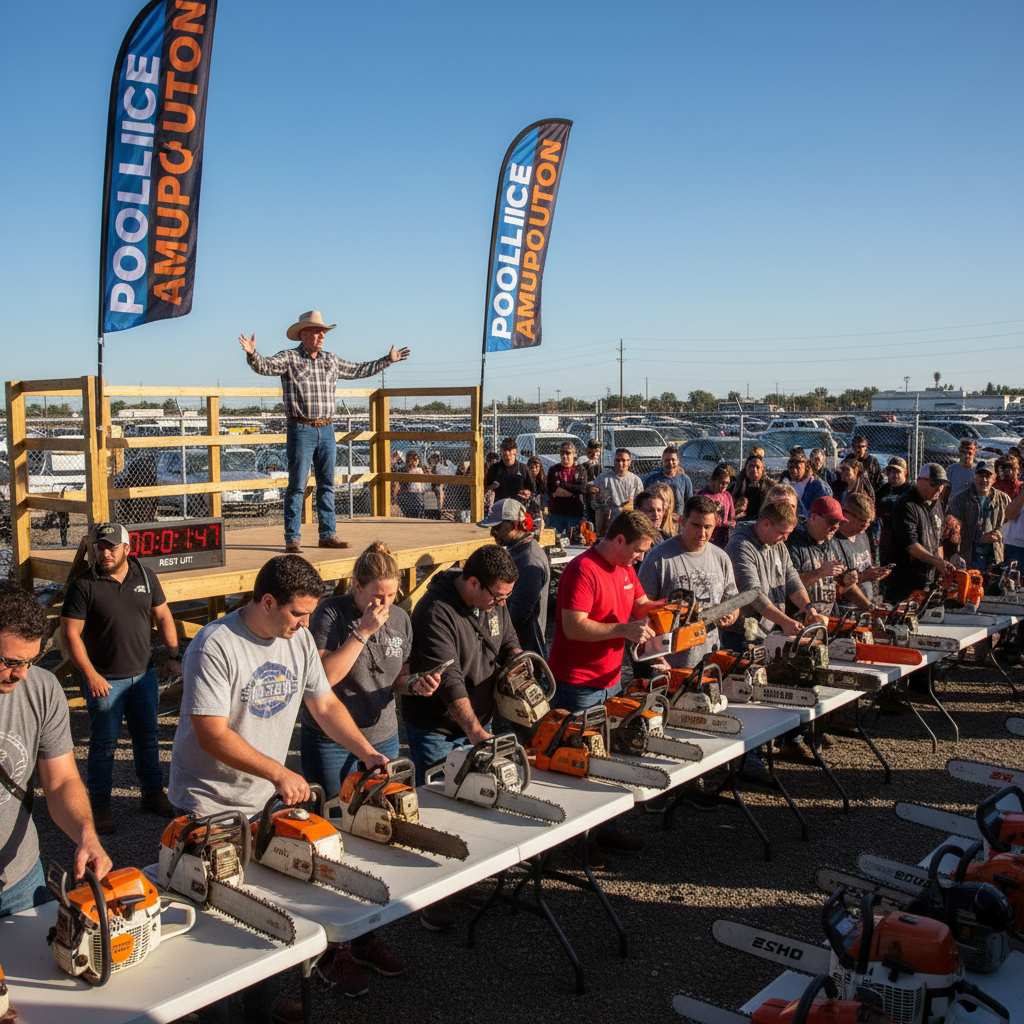
- Police impound auctions offer chainsaws below retail prices, providing unique purchasing opportunities.
- Understanding auction rules and item conditions is essential for successful bidding experiences.
Understanding Police Impound Auctions
Police impound auctions sell seized, forfeited, or unclaimed items to the public, converting them into funds that support law enforcement and public services. Attendees can find a diverse range of items, including specialized tools like chainsaws. Familiarizing yourself with auction rules and the “as-is” condition of items is essential because buyers assume all risks related to the merchandise’s condition, which may include mechanical issues or hidden damages.
Chainsaws Available in Impound Auctions
Chainsaws appearing in impound auctions often derive from various law enforcement actions, including drug seizures and abandoned property recoveries. Potential buyers should be aware that these tools typically necessitate careful evaluation due to their potential mechanical issues and the need for specialized repairs, especially with recognized brands like Stihl. While these auctions can yield substantial savings compared to retail prices, understanding the condition of chainsaws and the likely costs of restoration or maintenance is crucial before making a bid.
Organizational Structure of Auctions
Police impound auctions are organized by government agencies or through auction companies, facilitating the sale of diverse items. The schedule of these auctions, including the availability of chainsaws, is typically published on official platforms. Bidders should take note of payment requirements and possible additional charges, such as buyer’s fees and storage costs, to accurately assess total investment before participating.
Participating in Auctions
To participate in a police impound auction, registration is required, and bidders must be at least 18 years old with valid identification. Understanding the auction’s format—whether in-person or online—along with the precise timing and rules is vital for a smooth bidding experience. Prospective buyers should take advantage of pre-auction inspections to evaluate the condition of the items, as they are sold “as-is” with no warranties provided.
Assessing the Value and Condition of Chainsaws
Before bidding on a chainsaw, conducting a thorough inspection is essential to gauge its condition and value accurately. Buyers should look for visible damage and check mechanical functionality, as repairs can introduce significant costs. Developing familiarity with essential maintenance practices and seeking professional advice can enhance decision-making while factoring in potential refurbishment expenses is advisable to ensure a practical investment.
Bidding Strategies and Tips
To improve the odds of successful bidding, observing past auctions can provide insights into effective strategies used by experienced bidders. Establishing a budget that includes potential repair costs and buyer’s fees will help avoid overspending during the auction. Maintaining discipline and focusing on condition rather than getting caught up in bidding wars can lead to more successful acquisitions while understanding all auction rules is critical for compliance.
Post-Auction Responsibilities
After winning a chainsaw, buyers must manage post-auction responsibilities regarding ownership transfer and maintenance. The bill of sale serves as proof of ownership, but potential regulations may apply based on local laws. Buyers should also be aware of any restrictions related to the auctioned property, especially if it was seized under legal proceedings. Utilizing community resources or forums can support maintaining purchased chainsaws effectively.
Legal Context and Considerations
Legal frameworks, like the D.C. Superior Court Rule of Criminal Procedure 41(g), define how property can be reclaimed following unlawful seizures. These auctions reflect the balance between law enforcement’s need to manage seized items while enabling individuals to contest seizures and recover belongings. Understanding this legal context can enhance awareness of rights and responsibilities within the auction process.
Resources for Auction Participation
Finding police impound auctions can be aided by looking at dedicated auction websites or local newspaper listings that advertise upcoming sales. Information about impounded items is often managed by the Property and Evidence office, which retains details regarding seized equipment like chainsaws. Consulting user manuals for specific chainsaw models is also advisable to ensure proper maintenance and operation once acquired.
The content is provided by Avery Redwood, Direct Bulletins