Highlights
- Discover cost-effective landscaping strategies that transform your outdoor spaces beautifully.
- Learn essential design principles to create inviting and sustainable environments on any budget.
Summary
Unlocking the Secrets to Stunning Landscaping: Affordable Fixes That Impress covers practical strategies and design principles for creating beautiful, functional, and budget-friendly outdoor spaces. Key concepts include fundamental design principles like scale, balance, unity, and focal points, combined with cost-effective solutions such as native plants, recycled materials, and simple DIY projects. The article also highlights common landscaping mistakes, maintenance tips, and sustainable practices to help homeowners achieve lasting, attractive landscapes without high costs.
Principles and Design Strategies
Stunning landscaping blends artistic vision with practical planning, guided by design principles such as scale, balance, unity, rhythm, and accent. Key design elements—color, form, texture, line, and scale—ensure cohesion and visual interest. Techniques like layering plants, repeating patterns, and using focal points (e.g., the “4:1” planting ratio) help create harmony and flow. Effective layouts begin with accurate measurements and incorporate both hardscape (rocks, patios) and softscape (plants) elements. Strategic placement near seating or pathways enhances appeal and attracts wildlife, while low-maintenance options like xeriscaping and container gardens reduce upkeep.
Affordable Landscaping Fixes and Enhancing Curb Appeal
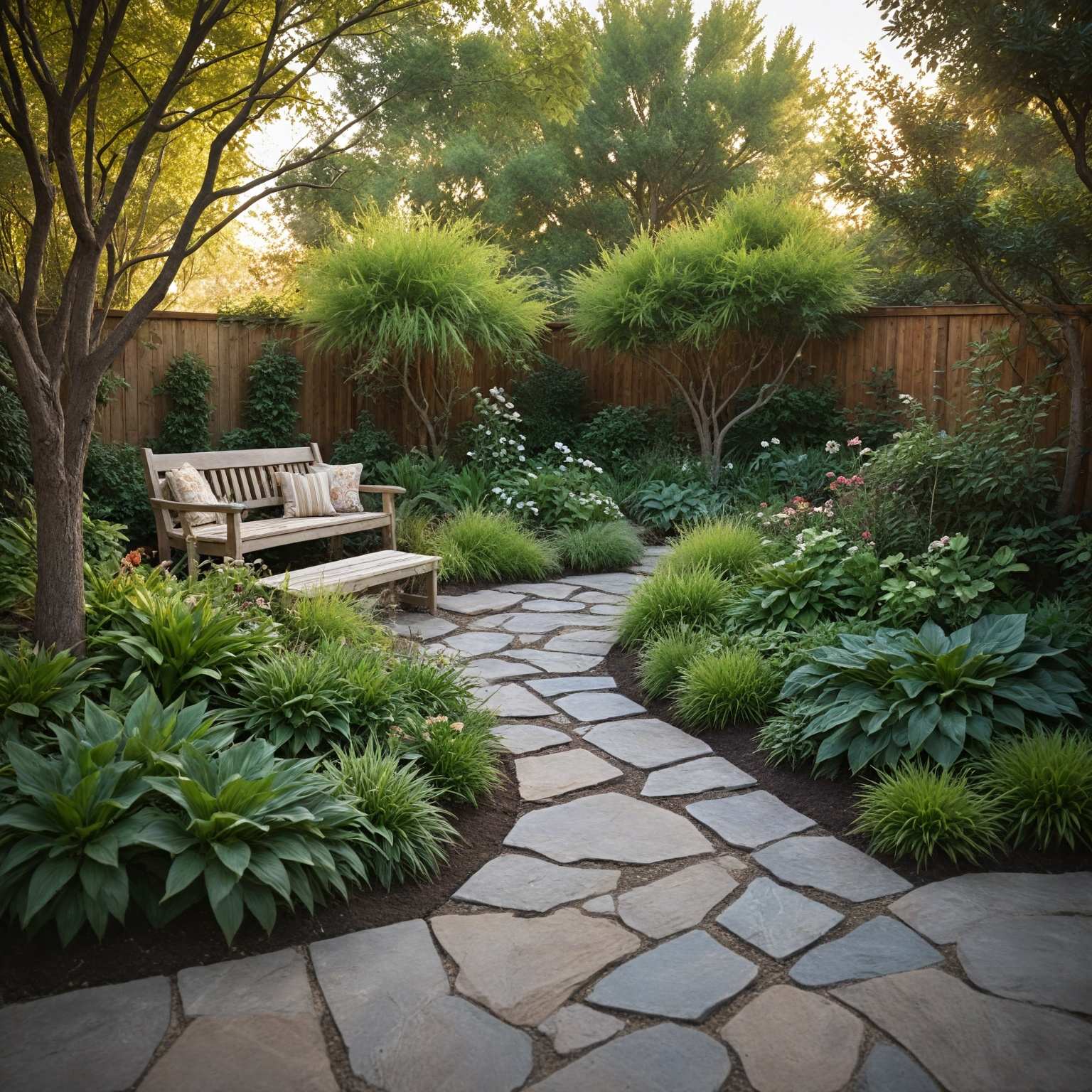
Affordable landscaping uses inexpensive materials like gravel, mulch, and recycled bricks, paired with low-maintenance native plants and simple hardscape features. Basic landscaping tasks—lawn installation, plant beds, stone borders—boost curb appeal with minimal effort. DIY projects such as raised beds or container gardens offer personalization at low cost. Mulch improves soil and moisture retention affordably, while budget-friendly lighting extends outdoor usability. Enhancing curb appeal involves strategic planting, walkways made from affordable materials, mulching, and using rocks or gravel for texture. Simple designs like the 3-point triangle planting arrangement create balance and visual interest, while string lights add ambiance economically.
Maintenance Tips and Common Mistakes
Regular maintenance—mowing, pruning, fertilizing, weed control, and irrigation—is essential for healthy, attractive landscapes and property value. Choosing low-maintenance, drought-tolerant plants and using efficient watering methods like drip irrigation reduce upkeep. Mulching and using rocks for paths also lower maintenance demands. Common mistakes include overcrowding with decorations, poor plant placement without considering growth, and neglecting site analysis (soil, drainage). Clear budgeting and selecting suitable contractors help avoid overspending. Recognizing and correcting these errors can improve results without large investments.
Sourcing Materials and Cost Considerations
Budget landscaping benefits from sourcing affordable or free materials such as mulch, pea gravel, brick chips, sand, bark, and rocks. Community resources may offer free compost or logs, while repurposing items like old wheelbarrows enhances sustainability and visual interest. Landscaping maintenance costs vary by property size and complexity, averaging $100–$200 per month for homeowners, with specialized services costing more. Understanding these expenses aids in effective planning and long-term investment.
Case Studies, Tools, and Resources
Extensive plant trials, such as those by Proven Winners, help identify low-maintenance, suitable species, reducing future costs. Studying landscape photos inspires budget-conscious design using materials like mulch, gravel, and recycled bricks sourced locally. Repurposing concrete blocks or creating vertical gardens offers affordable, functional features. Tools and resources from retailers like Menards provide quality supplies and estimates, while educational sites like Pretty Purple Door offer guidance and courses to avoid costly mistakes. Planning with scaled drawings and idea boards supports organized project execution.
Environmental and Sustainability Considerations
Sustainable landscaping emphasizes native plants that require less water and pesticides, supporting local wildlife and biodiversity. Xeriscaping reduces water use through drought-tolerant plants, efficient irrigation, and mulched or gravel areas without sacrificing greenery. Creative reuse of materials like recycled bricks and household items lowers waste and adds charm. DIY water features attract wildlife and enhance tranquility affordably. These practices reduce ecological impact while creating beautiful, low-maintenance outdoor spaces.
The content is provided by Jordan Fields, Direct Bulletins