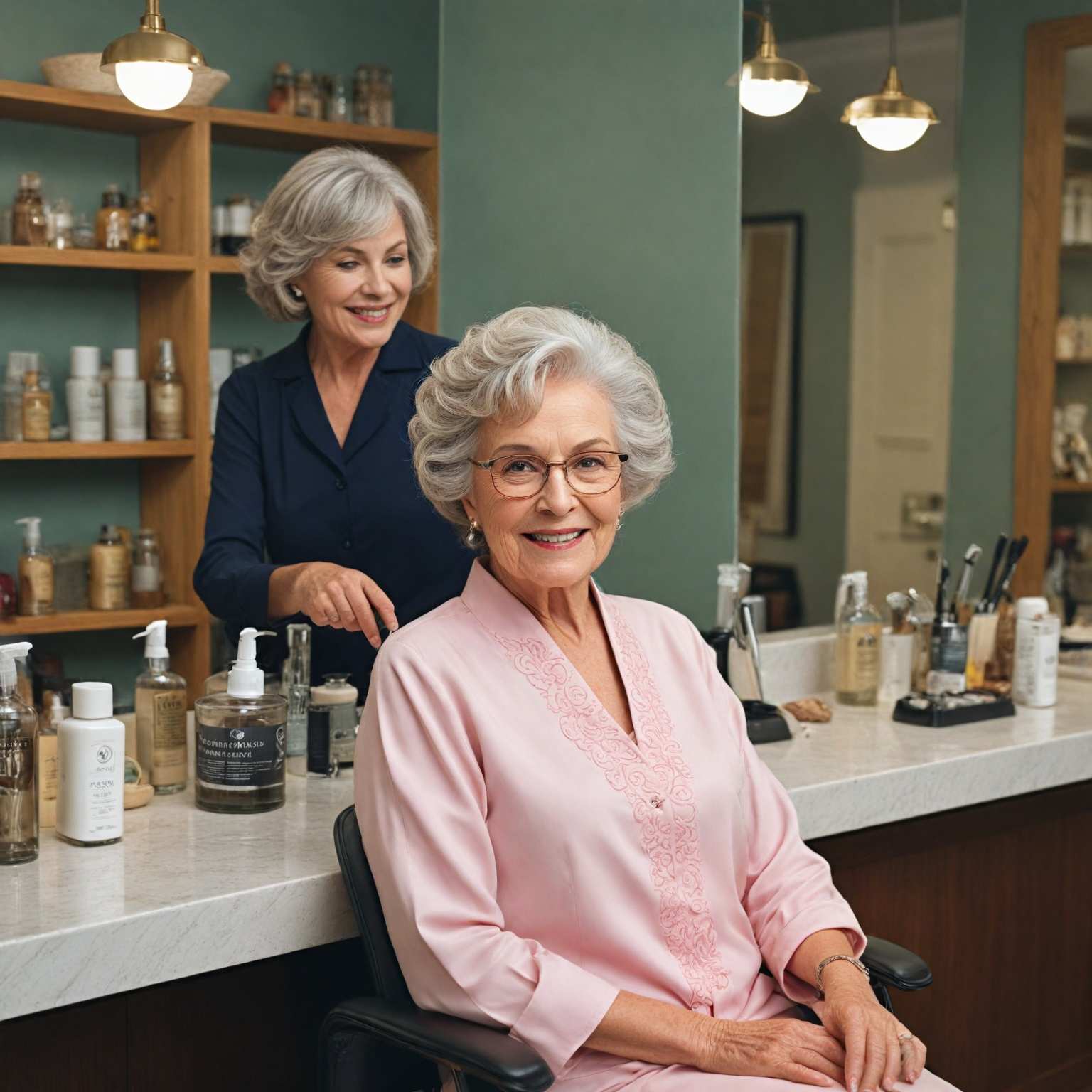
Highlights
- Tailored hairstyles enhance confidence and well-being for seniors facing unique hair challenges.
- Embrace natural aging while maintaining vibrant hair with expert styling and care techniques.
Summary
Hairstyling plays a vital role for seniors by enhancing appearance, boosting confidence, and supporting well-being. Aging hair undergoes changes like thinning, texture shifts, and color variation, requiring gentle care and tailored styles such as soft layers, pixie cuts, and bobs that add volume and ease maintenance. Scalp care, proper nutrition, and safe coloring techniques help maintain hair health while embracing natural aging. The article also addresses debates over chemical dyes versus natural gray hair and heat styling risks, emphasizing professional advice for personalized solutions that balance aesthetics and hair health.
Age-Related Hair Changes and Care
With age, hair density decreases due to follicle shrinkage, causing thinning or balding. Hair also becomes coarser and drier as oil production declines, affecting texture and color, often resulting in gray or patchy hair. Hormonal changes, especially during menopause, accelerate shedding and slow growth. Scalp dryness and flakiness are common, making hydration and gentle cleansing essential. Nutritional support and specialized treatments can improve hair vitality, while avoiding harsh chemicals and excessive washing helps preserve moisture and prevent breakage.
Choosing and Styling Hairstyles for Seniors
Effective hairstyles consider hair texture, density, lifestyle, and maintenance preferences. Low-maintenance cuts like pixies, chin-length bobs, and soft layers add volume and shape, accommodating thinning hair and enhancing facial features. Textured styles and subtle highlights create dimension without harsh contrasts. Color techniques such as balayage and root smudging offer natural, low-maintenance options that minimize damage. Styling products should be lightweight to add body without weighing hair down, and heat tools used sparingly to protect fragile strands.
Professional Advice and Personalized Solutions
Consulting stylists ensures haircuts and coloring techniques suit individual hair types and face shapes, balancing aesthetics with practicality. Professionals recommend gentle dyes, regular trims, and styling methods that support volume and texture, such as layering and soft bangs. Embracing natural gray hair is encouraged as a healthy, low-maintenance choice. Personalized care and styling empower seniors to maintain confidence and comfort in daily grooming.
Cultural Trends and Challenges in Senior Hairstyling
Senior hairstyling reflects cultural and regional differences, with Western trends favoring modern, easy-to-maintain cuts, while some African and Asian communities emphasize traditional styles and natural textures. Common challenges include managing thinning, texture changes, and scalp dryness. Solutions involve gentle handling, hydrating products, volumizing aids, and minimal heat styling. Nutritional and hair care routines tailored to aging hair enhance health and appearance, supporting seniors’ self-expression and vitality.
Enhancing Confidence Through Hairstyling
Adopting flattering hairstyles like layered bobs, textured lobs, and pixie cuts boosts seniors’ confidence by addressing common aging hair concerns. Choosing styles that complement hair type, face shape, and lifestyle fosters a polished, youthful look with manageable upkeep. Thoughtful hairstyling helps seniors embrace their changing appearance with grace and self-assurance.
The content is provided by Sierra Knightley, Direct Bulletins