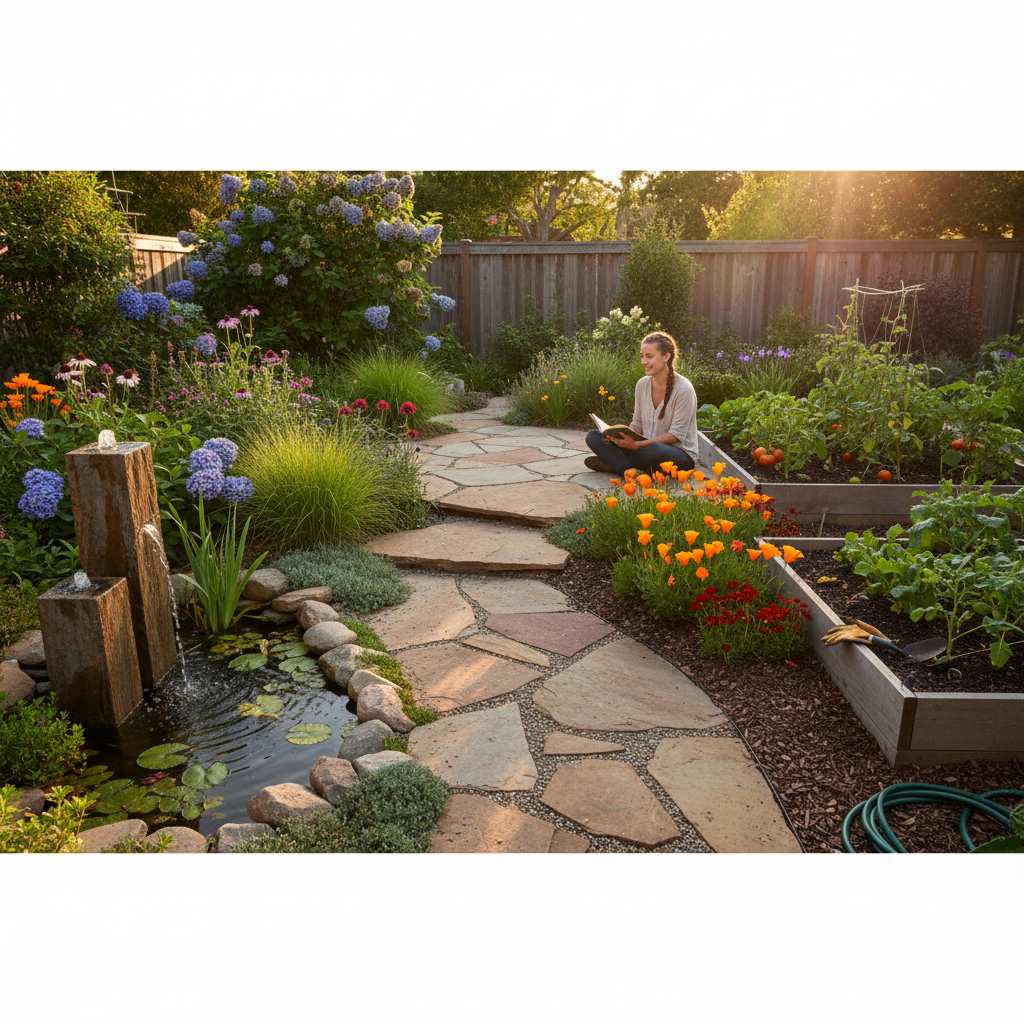
Highlights
- Discover how sustainable practices enhance your backyard's beauty and ecological value.
- Transform your outdoor space with expert design principles tailored to your unique style.
Unlocking Backyard Aesthetics
Designing a backyard that is visually appealing and functional requires considering various elements, including landscaping, hardscapes, and maintenance. These components should reflect personal tastes and ecological awareness while ensuring usability throughout the seasons. Understanding your needs can help streamline choices in plants, hardscape features, and design techniques that resonate with contemporary sustainability values.
Cultural and Historical Influences on Design
Backyard aesthetics have been shaped by cultural heritage and historical contexts, influencing design choices that instill a sense of continuity with the past. Exploring traditional and contemporary elements can help you connect your outdoor space to its historical roots while integrating modern practices, such as sustainable plant selection that honors both the environment and cultural narratives.
Essential Elements for a Compelling Backyard
Creating a successful backyard involves harmonious landscaping and well-integrated hardscape features that enhance both functionality and visual appeal. This synergy allows for year-round enjoyment and invites ongoing interaction with the space. Thoughtful plant selection, especially native and drought-tolerant species, lowers maintenance needs while contributing to an ecologically balanced environment.
Landscaping and Plant Choice
Install a vibrant lawn alongside strategically selected trees and colorful flower beds to create a serene atmosphere. Native plants not only enhance aesthetics but also provide ecological benefits, supporting local wildlife while requiring less water and maintenance. By layering plants and incorporating natural arrangements, your garden can become a dynamic element that draws interest throughout the seasons.
Incorporating Hardscapes
Hardscaping features such as patios, walls, and paths enhance usability and structure in your outdoor environment. Selecting harmonious materials ensures that these elements complement the existing architecture, transforming the yard into an inviting space. Popular features, such as fire pits and water installations, can serve both functional and aesthetic purposes, boosting enjoyment during various times of the year.
Stylistic Considerations
Choosing the right style is vital for achieving the desired atmosphere in your backyard. Clean lines and geometric shapes often create a modern look, whereas informal gardens evoke a whimsical feel. Utilizing energy-efficient lighting and permeable materials can enhance the outdoor environment while promoting sustainability and reducing maintenance efforts.
Design Principles for Cohesion
Applying design principles like balance, proportion, and unity is essential for creating inviting and functional outdoor spaces. This involves organizing plants and structures in a way that emphasizes harmony and flow, ultimately contributing to the overall aesthetic experience. Understanding and utilizing these concepts can help you craft a backyard that meets both your visual and functional requirements.
Key Design Elements
Familiarizing yourself with mass, form, line, texture, and color can guide your design decisions effectively. For example, utilizing mass to create visual focal points complements surrounding elements while ensuring a balanced layout. Integrating texture and color thoughtfully can enhance the character of your landscape, creating a cohesive atmosphere without overwhelming the viewer.
Utilizing Regulating Lines
Regulating lines can help organize outdoor spaces and establish visual coherence. By aligning paths and planting beds with architectural elements, you can create a structured yet inviting environment. While this technique is effective for formal designs, consider its applicability for your specific space, especially if dealing with informal layouts.
Exploring Different Styles
Diverse backyard styles cater to various aesthetic preferences and functional needs, allowing you to tailor your outdoor environment. Understanding these styles can inspire your design choices and align them with your preferences, enhancing the overall usability and appeal of your backyard.
Formal vs. Eco-Friendly Designs
Formal gardens emphasize symmetry and structured elements, making them grand and suitable for historic residences. On the other hand, eco-friendly landscapes focus on sustainability and native flora, enhancing biodiversity and environmental health while creating visually dynamic spaces. Choosing the right style depends on your vision and the desired relationship between your outdoor space and the ecosystem.
Cost-Effective DIY Projects
Affordable DIY projects can significantly transform your backyard without breaking the bank. Simple enhancements like adding mulch or installing seating can create attractive focal points and functional gathering spaces while requiring manageable investment levels. Identifying which features can be incorporated cost-effectively can make balancing aesthetics and budget easier.
Maintenance Strategies for Longevity
Strategizing your backyard maintenance can simplify upkeep while ensuring an attractive, functional space. Regular tasks like mulching, mowing, and pruning, combined with low-maintenance plant selections, can minimize effort and promote ecological sustainability. Implementing hardscape elements can further reduce ongoing maintenance requirements while enhancing resilience and visual interest.
Benefits of Thoughtful Design
A well-designed backyard can provide psychological, social, and functional benefits. It offers a private retreat for relaxation and encourages social gatherings, enhancing community ties. By integrating sustainable practices and creating multi-functional areas, you can expand your outdoor living experience, ultimately aligning with contemporary homeowner values towards responsible design.
Real-World Applications
Case studies reveal the effectiveness of design techniques like regulating lines in creating visually cohesive and functional backyards. However, it’s important to remain flexible and consider the unique characteristics of your space, especially if working with irregular layouts. Integrating foundational design principles ensures your backyard not only looks appealing but also functions well for your lifestyle needs.
The content is provided by Jordan Fields, Direct Bulletins