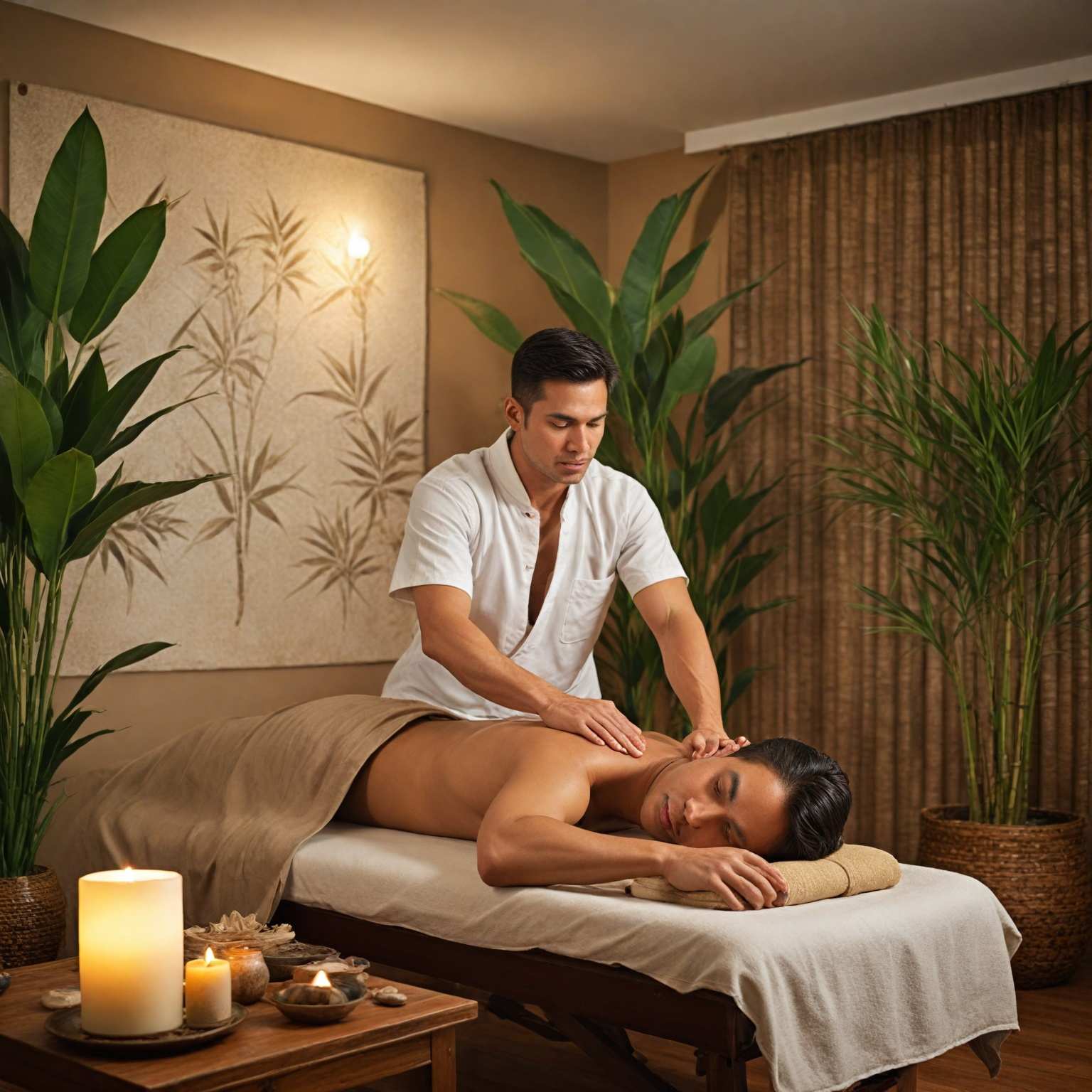
Highlights
- Thai massage for men offers unique relaxation techniques tailored to physiological differences.
- Engage with traditional practices to enhance your wellness journey and stress relief.
Summary
Unlocking the Secrets of Thai Massage for Men: Techniques for Relaxation and Wellness explores the specialized application of traditional Thai massage tailored to male clients. Rooted in ancient healing traditions from India, China, and Southeast Asia, Thai massage (Nuad Bo-Rarn) combines acupressure, assisted yoga-like stretching, and energy line manipulation to promote physical flexibility, muscle relaxation, and mental calmness. This practice holds cultural and spiritual significance in Thailand and has gained global recognition as an effective modality for holistic wellness.
Distinctive considerations arise in the practice of Thai massage for men due to physiological differences such as greater muscle mass and body size, which require adaptations in technique. Therapists often employ deeper pressure using elbows or knees and focus on areas prone to tension like the shoulders, neck, and upper back. Additionally, gender dynamics influence client preferences and therapist approaches, emphasizing inclusivity and sensitivity across diverse identities. The tradition has evolved alongside contemporary wellness trends, incorporating modern therapeutic insights while maintaining its cultural roots.
Thai massage offers various physical and mental health benefits for men, including improved circulation, enhanced flexibility, stress reduction, and potential support for hormonal and reproductive health. While some clinical studies suggest benefits in muscle recovery and stress biomarker reduction, broader scientific validation remains limited, prompting cautious optimism among healthcare professionals. Specialized techniques such as testicular and prostate massage have emerged within modern practice but require professional supervision due to medical considerations.
Safety is a paramount concern given the physically demanding nature of Thai massage. Proper client-therapist communication, assessment of medical history, and technique modifications are essential to prevent injury and ensure therapeutic effectiveness. This article also addresses cultural context, gender roles, and evolving trends, providing a comprehensive overview of how Thai massage serves as a dynamic, culturally rich practice that supports men’s relaxation and wellness in diverse settings.
History and Origins
Thai massage, known traditionally as Nuad Bo-Rarn, has a rich and complex history influenced by multiple cultures across Asia. Its origins cannot be attributed to a single founder, as it draws from a combination of Indian, Chinese, and Southeast Asian healing practices. Specifically, the system incorporates elements from Indian Ayurvedic medicine, Chinese Meridian theory, and various yogic traditions, which together have shaped the unique modality practiced today.
One of the most significant historical figures associated with Thai massage is Shivago Komarpaj, often credited as its father. Komarpaj, a contemporary and personal physician to the Buddha over 2,500 years ago, helped disseminate traditional medicinal knowledge throughout southern Asia. His teachings, rooted in Yoga philosophy, are believed to have reached Thailand alongside the spread of Buddhism as early as the 3rd or 2nd century B.C.. Despite this attribution, much of the early recorded history of Thai massage was lost during the Burmese destruction of Ayutthaya in 1767, with some surviving records preserved in the Sala Moh Nuat, a massage pavilion in Bangkok.
Traditionally, Thai massage was closely tied to Buddhism and was primarily practiced by monks within temple grounds as a form of holistic therapy. The establishment of dedicated massage rooms outside temples is a relatively recent development, reflecting the practice’s evolution and wider accessibility. Over centuries, Thai massage has continuously developed through the integration and refinement of various techniques, making it not only a physical treatment but also a cultural and spiritual tradition.
Following World War II, Thailand’s rising popularity as a tourist destination helped Thai massage gain international recognition. It reached Western countries, including the United States, by the late 1980s, contributing to its global status as a renowned method for relaxation and wellness.
Gender-Specific Considerations in Practice
In the practice of Thai massage, gender plays a significant role both from the therapist’s and the client’s perspectives. Although physical differences between men and women are often generalized—such as men typically being larger and more muscular, and women generally having lighter and smaller physiques—there are many exceptions that require therapists to adapt their techniques accordingly. For example, some massage techniques may not be suitable for very large men, necessitating modifications to achieve similar therapeutic outcomes.
Client preferences also influence the gender dynamics in Thai massage. Many clients, regardless of their own gender identity or sexual orientation, often have preferences about the gender of their massage therapist. This can include cisgender men and women, agender or transgender clients, as well as individuals across the LGBTQ+ spectrum, all of whom may feel more comfortable receiving treatment from therapists who share or respect their gender identity. These preferences highlight the importance of sensitivity and inclusivity in practice.
Culturally, Thai massage has traditionally seen a predominance of female practitioners, especially in both treatment and training roles. Women outnumber men significantly in this industry, with men often specializing in particular Thai healing arts or modalities. Certain traditional and folk healing practices, such as midwifery (Moh Tum Yae), are predominantly practiced and taught by women, underscoring the important role Thai women have played in the history and ongoing development of Thai massage.
Understanding individual client needs extends beyond gender considerations to include the client’s tolerance for pressure and their preferred intensity level during treatment. Therapists must carefully assess and adjust their techniques to avoid causing pain or discomfort, thereby fostering trust and ensuring safety. This client-centered approach recognizes the wide variability in responses to massage and emphasizes the importance of personalized care.
Techniques Tailored for Men
Thai massage techniques for men are often adapted to accommodate common differences in physique, such as larger muscle mass and body size, compared to women. While many women may respond well to deep acupressure applied with the thumbs, men—especially those who are large and muscular—may require the use of elbows or knees to deliver sufficient pressure for effective results. This adjustment ensures that the massage achieves the desired therapeutic effect, such as muscle relaxation and tension release.
Practitioners tailor their approach by employing different massage tools and pressure points to address the specific needs of male clients. These modifications help improve muscle elasticity, posture, and overall flexibility, which are particularly beneficial for men who engage in sports or other physically demanding activities. The stretching components of Thai massage extend muscle fibers and connective tissues, promoting deeper physical and nervous system benefits.
Additionally, Thai massage for men often focuses on enhancing upper body mobility and releasing accumulated tension in areas prone to stress, such as the shoulders, neck, and chest. Techniques may include slow manipulation of the head, gentle traction of the neck, and targeted massage of the shoulder blades and upper trapezius muscles. These methods not only improve physical function but also support emotional release by alleviating stress-related muscle tightness.
Health and Wellness Benefits for Men
Traditional Thai massage offers a variety of health and wellness benefits for men, addressing both physical and mental well-being through its unique techniques. It combines stretching, gentle pressure, and rhythmic movements designed to improve flexibility, enhance blood circulation, and promote relaxation.
Physical Benefits
One of the primary physical advantages of Thai massage is its ability to increase flexibility and reduce muscular tension. The stretches involved expand muscle fibers, tissues, and ligaments, allowing the body and nervous system to function more effectively and safely at deeper levels. This improved flexibility can benefit men engaged in sports, exercise, or physically demanding daily activities by enhancing posture and muscle recovery. For example, a randomized controlled trial demonstrated that traditional Thai massage significantly aided recovery from gastrocnemius muscle fatigue, suggesting its potential as an effective intervention for muscle recovery.
Additionally, Thai massage promotes better blood flow and oxygen supply to muscles, which may help reduce pain and decrease muscle adhesions. These circulatory improvements contribute not only to muscle recovery but also to overall physical fitness and metabolic health. However, it is important to recognize that some benefits lack extensive scientific validation and more high-quality studies are necessary to establish conclusive evidence.
Mental Health and Stress Relief
Thai massage is well-regarded for its positive effects on mental health. The tactile and rhythmic aspects foster a deep state of relaxation, which helps reduce stress by lowering cortisol levels, the hormone associated with stress response. This stress reduction can lead to improvements in mood and mental well-being, potentially alleviating symptoms of anxiety and depression commonly experienced by men. The massage environment itself—calming and soothing—also contributes to these mental health benefits.
A 2015 study found that Thai massage significantly reduced levels of salivary alpha-amylase (sAA), a biomarker of stress, indicating its role in stress management. Compared to Swedish massage, Thai massage may be more stimulating, increasing energy and mental alertness, which can support mental revitalization during periods of fatigue.
Hormonal and Reproductive Health
While direct scientific evidence is limited, Thai massage and related spa therapies have been suggested to support male hormonal balance, including testosterone levels. Massage therapy can increase dopamine and serotonin, neurochemicals linked to happiness and well-being, which indirectly support hormonal health by improving mental states and reducing cortisol, a stress hormone that negatively impacts testosterone production.
Improved blood circulation to the reproductive organs is believed to aid overall reproductive health, though medical professionals advise caution and recommend professional supervision, especially for men with pre-existing conditions or surgical histories. Testicular massage and prostate massage have been explored for their potential benefits in addressing erectile dysfunction, urine flow, and ejaculation issues, but such therapies should complement, not replace, conventional medical treatments.
Maintaining optimal testosterone levels requires a holistic approach that includes sufficient sleep, stress management, and healthy lifestyle choices alongside any massage therapies.
Recommendations for Ongoing Wellness
To sustain the benefits of Thai massage, men are encouraged to incorporate daily routines that emphasize stretching and relaxation techniques. These practices help maintain flexibility and prevent the recurrence of muscular tension. Additionally, applying warm compresses to areas of lingering tension can provide supplementary relief and support ongoing recovery.
While many men experience significant wellness improvements from Thai massage, it is essential to listen to one’s body and seek professional healthcare advice if pain or discomfort persists, as these may indicate underlying health issues requiring further evaluation. Collaborating with healthcare providers ensures that massage therapy is integrated safely and effectively within a comprehensive wellness plan.
Preparation and Environment
Proper preparation and an appropriate environment are essential for maximizing the benefits of Thai massage, particularly for men seeking relaxation and wellness. Mental preparation plays a crucial role; approaching the session with an open and tranquil mind allows one to fully embrace the relaxation and healing effects of the massage. Since Thai massage involves close physical contact and extensive body manipulation, it is important to feel comfortable with these elements and to have confidence in the therapist’s expertise.
Wearing comfortable, loose-fitting clothing is recommended as it facilitates ease of movement during the session. Unlike many other forms of massage where most or all clothing is removed, Thai massage allows you to keep your clothes on, which can enhance comfort and relaxation.
Open communication between the client and therapist prior to the session is vital. Discussing any existing medical conditions, injuries, or areas of concern enables the therapist to tailor the techniques appropriately and helps reduce the risk of injury. Certified practitioners are trained to understand body mechanics and the techniques involved, further ensuring safety and effectiveness.
Creating a calm and soothing environment also contributes to the overall experience. Incorporating stretching and relaxation routines into daily life can help maintain flexibility and prolong the benefits of the massage. For those with sedentary lifestyles, Thai massage offers a gentle yet effective way to alleviate aches and pains by promoting energy flow and releasing tension in the body.
Step-by-Step Guide to Techniques for Men
Thai massage incorporates a variety of techniques designed to promote relaxation, improve flexibility, and enhance overall wellness. For men seeking specific benefits, such as stress relief and muscle tension reduction, these techniques can be particularly effective when applied with attention to individual needs and physical conditions.
Preparing for the Session
Before beginning a Thai massage, it is essential to communicate openly with the practitioner. Discuss any medical conditions, previous injuries, or areas of discomfort to ensure the session is tailored appropriately and safely. This dialogue allows the therapist to adjust pressure levels and stretching intensity, preventing injury and fostering trust throughout the process.
Energy Line Massage
Thai massage is based on the concept of Sen lines, a network of energy channels running throughout the body. There are approximately seventy-two thousand Sen lines, with ten main lines containing key acupressure points. Massaging along these lines can alleviate pain and address various ailments by stimulating the body’s vital energy, known as Prana.
Deep Spinal Twists and Stretching
One foundational technique involves a controlled twist of the entire back. This maneuver stretches the muscles surrounding the spine, realigns vertebrae, and enhances spinal mobility. Additionally, it supports digestion and improves circulation. This twisting technique is particularly favored by individuals who sit for extended periods and seek to release built-up tension.
Upper Body Manipulation
Focusing on the upper body, Thai massage uses slow, deliberate manipulation of the head, neck, and shoulder area. Gentle traction of the neck and massage of the shoulder blades and trapezius muscles help to alleviate mental stress and counteract poor posture often experienced by men engaged in desk work or strenuous physical activity.
Front Body Stretching Techniques
Another hallmark of Thai massage is the opening and stretching of the front side of the body, including the thighs, chest, and shoulders. The therapist guides the recipient into a bow-like posture by extending the legs while retracting the arms, creating an arch that enhances muscle elasticity and improves postural alignment. This stretch is effective in releasing tension caused by sedentary lifestyles.
Incorporation of Yoga-Like Poses
During the massage, therapists often assist clients in holding yoga-inspired poses such as pigeon pose and figure four, as well as twist poses. These assisted stretches improve flexibility and deepen the relaxation effect by combining the benefits of passive stretching with the controlled environment of Thai massage.
Use of Pressure and Advanced Techniques
Pressure is applied using various parts of the therapist’s body, including palms, forearms, elbows, and sometimes feet, depending on the client’s experience and tolerance. High levels of pressure can be used to target specific areas of tension, always applied with care to avoid discomfort or injury. Variants of Thai massage, such as oil or aroma massage, may also be integrated to enhance the therapeutic experience.
Post-Massage Care
After the session, gentle stretching helps maintain improved range of motion and muscle flexibility. Applying a warm compress to any lingering tense areas can provide additional relief and extend the benefits of the massage. These post-care steps support ongoing recovery and contribute to sustained wellness.
Safety Considerations for Men
Men with a history of testicular surgeries, injuries, or conditions such as varicocele should approach certain techniques, like testicular massage, with caution and only under professional supervision. While some claim that testicular massage may help boost testosterone levels, these effects require further scientific validation. A holistic approach, including lifestyle and medical treatments, is recommended for addressing hormonal health.
By following this step-by-step guide, men can experience the comprehensive benefits of Thai massage through carefully applied techniques that promote relaxation, flexibility, and overall well-being.
Safety Considerations
When engaging in Thai massage, prioritizing safety is essential to prevent injury and ensure a beneficial experience. Practitioners stress the importance of recognizing potential risks and tailoring techniques according to individual needs and medical backgrounds. A thorough consultation prior to treatment helps identify any pre-existing conditions such as joint problems, chronic pain, or circulatory issues that may require modifications in pressure or stretching methods.
Clients with conditions like osteoporosis or thrombocytopenia require special attention to avoid fractures or bruising due to excessive pressure. In such cases, practitioners often opt for gentler techniques like light effleurage to reduce the risk of harm. Additionally, clients under the influence of alcohol or recreational drugs may have impaired sensation and judgment, increasing their susceptibility to injury; thus, massage should be avoided until fully sober and hydrated.
The dynamic nature of Thai massage, which involves rhythmic compression, stretching, and body positioning, demands clear communication between client and therapist. Practitioners must continuously monitor for signs
Comparison with Other Massage Types
Thai massage differs from many other massage modalities in several key aspects. Unlike massages that primarily use oils and lotions, traditional Thai massage is typically performed without them, with the recipient fully clothed in lightweight, loose garments. This contrasts with modalities like Swedish or aromatherapy massage, where oils are integral to the technique.
While many massage types focus predominantly on muscle relaxation through kneading and rubbing, Thai massage uniquely combines broad and focused acupressure along energy lines known as sen, Indian Ayurvedic principles, and assisted yoga-like stretching postures. This holistic approach aims not only to relax muscles but also to enhance energy flow and improve flexibility, setting it apart from other forms that may emphasize solely muscular or superficial tissue work.
In terms of health benefits, Thai massage shares similarities with other massage types in promoting relaxation, temporary relief of muscle or joint pain, and mood enhancement. However, some research suggests that Thai massage may offer additional advantages such as improved circulation, a wider range of motion, and stress reduction, although these benefits require further clinical validation. It is important to note that while massage in general is widely used, certain claims about efficacy, including those of Thai massage, are sometimes contested by clinicians due to limited rigorous scientific evidence.
Practitioner expertise and client communication are emphasized across massage types, but in Thai massage, understanding body mechanics and tailoring pressure and stretching to the individual’s tolerance is particularly crucial to minimize injury risk and enhance effectiveness. This personalized approach is common in professional massage but is especially significant given the more physically engaging nature of Thai massage techniques.
Lastly, it is worth acknowledging that, like many massage styles, Thai massage can sometimes be misrepresented or misconstrued in commercial contexts. Nonetheless, professional Thai massage remains a legitimate therapeutic practice focused on health and wellness, distinct from inappropriate uses that occur in some settings worldwide.
Cultural Significance and Values
Thai massage is deeply embedded in Thailand’s cultural, historical, and spiritual fabric. Its origins are multifaceted, drawing influences from Indian Ayurvedic practices, Chinese Meridian theories, and various Southeast Asian bodywork traditions. This confluence of cultural streams has shaped the healing art known today as Nuad Bo-Rarn Thai Massage. More than just a physical therapy, Thai massage encompasses mental and spiritual dimensions, reflecting Thailand’s rich heritage and philosophies.
The practice is closely tied to Buddhism, which informs its spiritual framework. The concept of metta, or loving-kindness, is fundamental, where therapists are trained to cultivate and send positive energy throughout the session. This spiritual component aims to move internal energy, or lom, across the body’s organs and systems to promote overall wellness. Unlike many Western massage techniques performed on tables, traditional Thai massage is carried out on mats on the floor, further connecting the practice to its cultural roots and fostering a holistic healing environment.
Historically, much of Thai massage’s early recorded knowledge was lost during the 1767 Burmese attack on Ayutthaya, but fragments survived in places like the Sala Moh Nuat in Bangkok. The resurgence and global popularization of Thai massage, especially after World War II, have transformed it into both a tourist attraction and a respected healing art worldwide, reaching the United States by the late 1980s.
Women hold a pivotal role within the Thai massage industry, significantly outnumbering men in both treatment and training sectors. While men may specialize in certain healing arts or modalities, women dominate many traditional and folk healing practices, including midwifery and Thai massage therapy. This gender dynamic is reflective of broader societal roles within Thai culture and highlights the importance of female practitioners in preserving and transmitting these ancient healing traditions.
Moreover, the communal nature of Thai massage parlors, often characterized by open spaces where therapists and clients interact openly, speaks to the social and cultural interplay unique to Thailand. For many Western visitors, these settings offer not only therapeutic benefits but also opportunities for cultural exchange and personal connection. Overall, Thai massage serves as both a physical and spiritual practice that embodies the values of compassion, balance, and holistic wellness intrinsic to Thai culture.
Modern Adaptations and Trends
Modern Thai massage has evolved significantly from its ancient origins, incorporating a blend of traditional techniques with contemporary wellness practices to meet the diverse needs of today’s clients. While rooted in centuries-old healing systems such as Indian Ayurveda, Chinese Meridian therapy, and various yogic traditions, modern adaptations emphasize both the preservation of these foundational elements and the incorporation of new modalities to enhance therapeutic outcomes.
One notable trend is the integration of Thai herbal massage and aromatherapy into traditional Thai massage sessions. These approaches combine the physical manipulation of muscles and energy lines with the therapeutic properties of heated herbs and essential oils, offering a multi-sensory experience that promotes deep relaxation and holistic healing. Therapists select specific herbal blends or essential oils tailored to the client’s individual needs, thereby enhancing both physical and emotional well-being.
Another important consideration in contemporary practice is the accommodation of varying body types and physical capabilities. While traditional Thai massage techniques often rely on the practitioner’s ability to apply pressure and stretch the recipient’s body, modifications are necessary when working with clients of different sizes or physical limitations. For example, certain stretches or maneuvers may be adapted or omitted entirely for very large men or clients with specific health conditions, ensuring safety and effectiveness without compromising therapeutic intent.
The rise in interest among healthcare professionals—including nurses, physiotherapists, and doctors—has also influenced modern Thai massage. These practitioners often seek formal training to blend Thai massage techniques with clinical knowledge, leading to a more evidence-informed and health-focused application. This professionalization helps to enhance the credibility of Thai massage within the broader healthcare community and promotes safe, effective practice standards.
In addition, specialized massage techniques targeting male health concerns have emerged, such as prostate, testicular, and penile massages, which aim to support reproductive wellness and hormonal balance. While some medical experts recognize potential benefits like improved blood flow and relaxation, they also caution that scientific evidence remains limited and recommend professional supervision to avoid risks. These specialized massages are increasingly incorporated into holistic health regimes, often combined with lifestyle and medical interventions for optimal results.
The content is provided by Jordan Fields, Direct Bulletins