Highlights
- Discover how ancient spa traditions evolve with modern technologies to enhance wellness experiences.
- Explore innovative treatments that prioritize mental health and personal accessibility for 2025 spa-goers.
Summary
Unlocking the Secrets of Spa Relaxation: Your Comprehensive Guide for 2025 explores the evolving world of spa therapy by tracing its rich historical roots, detailing contemporary treatments, and highlighting emerging trends that shape wellness practices today. Spa relaxation, with origins dating back to ancient civilizations such as the Romans, Greeks, and Egyptians, has long been recognized for its therapeutic benefits involving water, massage, and ritual cleansing. This guide situates modern spa culture within this historical continuum, demonstrating how ancient healing traditions have merged with cutting-edge technologies and personalized care to meet the holistic wellness demands of 2025.
The article outlines a wide array of spa treatments that cater to physical, psychological, and emotional well-being. These include body scrubs, massage therapies encompassing over 150 techniques like Swedish and neuromuscular massage, hydrotherapy using mineral-rich waters, and innovative facial and scalp treatments such as the Japanese head spa. Technological integrations, such as virtual reality environments and biophilic design elements, are redefining the spa experience by enhancing relaxation and mindfulness. Mobile and personalized services further reflect shifts in client preferences toward accessibility and individualized care, incorporating modalities like Reiki and aromatherapy.
Scientific research supports the health benefits of key spa therapies, notably massage and hydrotherapy, with evidence indicating their efficacy in pain reduction, stress relief, and improved circulation across various medical conditions. However, the article also addresses safety considerations and the need for professional guidance, as some treatments require cautious application to avoid adverse effects. It emphasizes ongoing efforts to establish standardized protocols and multidimensional research approaches that better capture the complex physiological and psychological impacts of spa therapies.
Looking forward, the guide highlights trends shaping spa relaxation in 2025, such as the rise of digital detox spas, incorporation of immersive technologies, and an increasing focus on mental health integration within treatment programs. By blending ancient wisdom with modern innovation, spas today offer comprehensive environments that nurture body, mind, and spirit, unlocking deeper levels of relaxation and well-being for a diverse clientele.
History of Spa Relaxation
The origins of spa relaxation date back to antiquity, with ancient civilizations such as the Romans, Greeks, and Egyptians recognizing the healing properties of water. These cultures utilized natural mineral springs, thermae, and baths as places for physical healing, mental rejuvenation, and social interaction. Greek mythology even attributed certain springs to divine blessings, where supplicants sought cures through ritual bathing.
In ancient Greece, bathing was both a sacred and social activity, integral to spiritual purification and community life. Athletes cleansed themselves before and after competitions to honor deities like Zeus and Apollo, and temples required ritual purification with water, associating cleanliness with moral and spiritual purity. The Spartans contributed primitive vapor baths, while other early civilizations, including those in Egypt and the Indus Valley, developed complex bathing rituals that laid foundational practices for modern spas.
Roman baths elevated spa culture to new heights, combining hygiene, relaxation, and socialization within architecturally innovative complexes. These baths featured diverse rooms with varying temperatures, swimming pools, and spaces for reading and business, reflecting their multifaceted role in society. Roman bathhouses often included separate entrances for men, women, and slaves, demonstrating social hierarchies alongside sophisticated design elements such as decorative mosaics and domed structures.
Following the decline of the Roman Empire, spa culture in Medieval Europe experienced significant transformations. The spread of Christianity and deteriorating infrastructure led to a decline in public bathing. Nonetheless, the therapeutic use of special springs endured, with hot springs and baths being recommended by colonial doctors for various ailments. The Renaissance period marked a revival of spa traditions, especially in Britain, rekindling interest in classical thermalism.
In the Muslim world, the tradition of communal bathing was preserved and expanded through the establishment of hammams, inspired by Roman thermae. These bathhouses, characterized by steam and ritual purification, became widespread across the Middle East, North Africa, al-Andalus, Central Asia, the Indian subcontinent, and Southeastern Europe under Ottoman rule, profoundly influencing European thermal culture through the Crusades and Ottoman presence.
Today’s spa culture is a synthesis of these ancient traditions and modern wellness philosophies. Contemporary spas integrate indigenous healing practices from around the globe, offering holistic experiences that reflect a rich cultural heritage. This globalized approach contrasts sharply with the generic spa designs of the late 20th century, allowing visitors to connect with diverse cultural rituals while pursuing relaxation and health benefits.
Types of Spa Treatments
Spa treatments in 2025 encompass a diverse range of therapies designed to promote relaxation, rejuvenation, and overall well-being. These treatments combine traditional methods with advanced medical and wellness innovations to cater to various health and aesthetic needs.
Body Treatments
Body treatments such as exfoliating scrubs are common in day spas, utilizing natural exfoliants like fruit seeds, sugar, or salt to massage the skin and relieve muscle tension. These treatments not only improve skin texture but also promote relaxation through their calming effects on both the body and mind. Wellness packages often combine multiple treatments, including massages, facials, and hydrotherapy, offering comprehensive rejuvenation experiences tailored to individual preferences.
Massage Therapy
Massage therapy remains a cornerstone of spa treatments, offering numerous physical and psychological benefits. It includes over 150 techniques, such as Swedish massage, deep tissue massage, neuromuscular massage, sports massage, and specialized approaches like Rolfing and the Trager method. Swedish massage, for example, focuses on relaxing muscle tissue by applying pressure in opposition to muscles and bones, improving circulation and reducing tension. Studies show massage therapy effectively reduces pain, alleviates anxiety, and enhances quality of life in various health conditions. Aromatherapy massage is also popular, using essential oils like lavender and chamomile to calm the nervous system and improve mood, making it ideal for those experiencing mental exhaustion or anxiety. Additionally, new trends emphasize integrating energy work such as Reiki and personalized treatments tailored to individual needs.
Hydrotherapy
Hydrotherapy, or water therapy, employs water in various forms and temperatures to promote healing and relaxation. It includes hot tubs, saunas, and therapeutic baths, often designed to alleviate symptoms in musculoskeletal and neurological disorders, assist rehabilitation, and support childbirth-related care. The use of mineral-rich waters in some spa locations, especially those with historical significance, is believed to possess healing properties. Hydrotherapy enhances circulation, soothes tensed muscles, lowers stress hormones, and contributes to a general sense of calmness and well-being.
Facial and Scalp Treatments
Facial treatments focus on deep cleansing, hydration, and skin rejuvenation to enhance appearance and health. Among the rising trends for 2025, the Japanese head spa stands out as a specialized scalp treatment combining gentle massage, acupressure, deep cleansing, and detoxification to improve blood circulation, relieve tension, and boost hair vitality. This traditional practice has gained immense popularity for its relaxing and restorative effects on scalp health and hair quality.
Technologically Enhanced Spa Experiences
Modern spas are increasingly integrating technology to customize relaxation experiences. Innovations include virtual and augmented reality environments that immerse clients in calming settings, as well as biophilic design elements such as vertical gardens and natural materials to promote psychological well-being. These advancements help deepen mindfulness and emotional grounding during treatments like massage therapy.
Mobile and Personalized Services
In response to evolving client needs, mobile massage services have surged in popularity, offering treatments at clients’ homes for convenience and accessibility, particularly for those with mobility challenges or busy schedules. Personalized care that addresses mental health and individual preferences is shaping the future of spa treatments, with practitioners incorporating energy healing, customized protocols, and a holistic focus on well-being.
Together, these diverse spa treatment types create a comprehensive approach to relaxation and health, blending ancient practices with cutting-edge trends to meet the demands of 2025 wellness seekers.
Physiological and Psychological Effects of Spa Treatments
Spa treatments provide a multitude of health benefits that extend beyond simple relaxation, impacting both the body and mind. Central to many spa experiences is massage therapy, an ancient practice with well-documented physiological effects that influence the muscular, circulatory, and nervous systems. Through targeted manipulation of soft tissues, massage therapy aids in pain reduction, improves circulation, and enhances overall health-related quality of life in various medical conditions and rehabilitation settings.
Modern spa therapies encompass a broad range of wellness treatments, including body and hair massages, deep-cleansing facials, nail care, aromatherapy, and hydrotherapy. These treatments collectively promote relaxation, rejuvenation, and holistic well-being for individuals of all ages. Aromatherapy massage, for example, utilizes essential oils such as lavender, chamomile, or sandalwood to soothe the nervous system and elevate mood, with scientific studies confirming its effectiveness in reducing anxiety and depression symptoms.
Hydrotherapy, the therapeutic use of water immersion, has gained recognition not only for rehabilitation but also for disease prevention in healthy individuals. It is frequently combined with other therapies like physical and rehabilitation therapy to alleviate symptoms of musculoskeletal disorders (e.g., arthritis and fibromyalgia), improve function in neurological conditions (such as stroke and muscle paralysis), and support sports injury recovery. The environmental context, such as performing hydrotherapy in ocean or mountain settings, further enhances psychological benefits by leveraging natural surroundings. Additionally, combining hydrotherapy with complementary modalities—massage, relaxation techniques, music, or aromatherapy—can amplify the body’s innate healing capacity.
The psychological effects of spa treatments are equally significant. Relaxation induced by massage therapy, beauty scrubs, aromatherapy, and hydrotherapy reduces mental stress and calms the nervous system, contributing to improved mood and cognitive function. Reflexology, a focused pressure technique on specific points of the body, has been shown to rebalance energy flow and stimulate brain function, significantly decreasing anxiety and enhancing cognition, especially in patients with neurological disorders.
Looking forward to 2025, spa therapy trends emphasize mental health integration and personalized treatments that incorporate energy work such as Reiki, alongside traditional massage techniques. Technological innovations are also redefining relaxation spaces through biophilic design, immersive virtual and augmented reality experiences, and tailored wellness programs that deepen psychological well-being. These developments reinforce the growing recognition of spa treatments as comprehensive interventions that harmonize physiological healing with mental rejuvenation.
Scientific Evidence and Clinical Research
Hydrotherapy and massage therapy are two widely utilized spa treatments that have garnered increasing scientific attention for their therapeutic benefits across various bodily systems. Hydrotherapy, also known as water therapy, aquatic therapy, or balneotherapy, employs the use of water at different temperatures to induce specific physiological effects. Evidence-based research indicates that hydrotherapy exerts beneficial effects on multiple body systems, including musculoskeletal, neurological, and circulatory systems, contributing to symptom alleviation in conditions such as arthritis, fibromyalgia, stroke, and sports injuries.
In clinical practice, hydrotherapy is often integrated with other therapeutic modalities, such as physical and rehabilitation therapies, to enhance treatment outcomes. Its applications extend to childbirth-related care as well, highlighting its versatility and acceptance in various medical contexts. The mechanisms underlying hydrotherapy’s benefits include muscle relaxation, improved circulation, regulation of blood pressure, and reduction of stress hormones, which collectively foster both physical and emotional well-being.
Massage therapy, another cornerstone of spa relaxation, has demonstrated a growing body of high-quality evidence supporting its effectiveness. Over the past two decades, research on massage therapy has expanded significantly, with systematic reviews and meta-analyses of randomized controlled trials confirming its role in pain reduction and enhancement of health-related quality of life across a range of health conditions and rehabilitation settings. Various massage techniques—such as Swedish massage, neuromuscular massage, and sports massage—aim to restore energy balance and address physical, psychological, and social aspects of health.
From a methodological perspective, the gold standard for clinical research remains the double-blind, placebo-controlled clinical trial. Notable studies, such as those by Cherkin et al., exemplify the rigorous approach taken to evaluate therapeutic interventions like massage therapy. However, the complex nature of these therapies often necessitates multidimensional research protocols incorporating psychological, physiological, biochemical, and physical outcome measures to fully capture their multivariable effects.
Looking forward, the future of massage therapy is promising, with emerging trends focusing on personalized care and integration of advanced technologies poised to reshape the field by 2025 and beyond. Overall, both hydrotherapy and massage therapy continue to build a robust evidence base, reinforcing their positions as valuable components of holistic spa and clinical treatment paradigms.
Typical Spa Environments and Settings
Spas offer a variety of environments and settings tailored to meet diverse client needs and provide unique relaxation experiences. Understanding these typical spa environments is essential for creating memorable and effective wellness journeys.
Types of Spa Environments
There are several common types of spa environments, each designed to cater to specific preferences and therapeutic goals. Day spas, for example, focus on providing accessible treatments within a single visit, ideal for clients seeking quick rejuvenation and relaxation during their daily routines. Spa resorts and spa towns, often located in serene or natural settings, offer more immersive experiences, combining therapeutic treatments with extended stays in tranquil environments. Urban retreats provide luxury and convenience in busy city centers, allowing guests to escape the hustle and bustle without leaving the metropolitan area. Coastal escapes, located along shorelines, capitalize on the calming influence of ocean views and sea air to enhance the spa experience.
Design and Layout Considerations
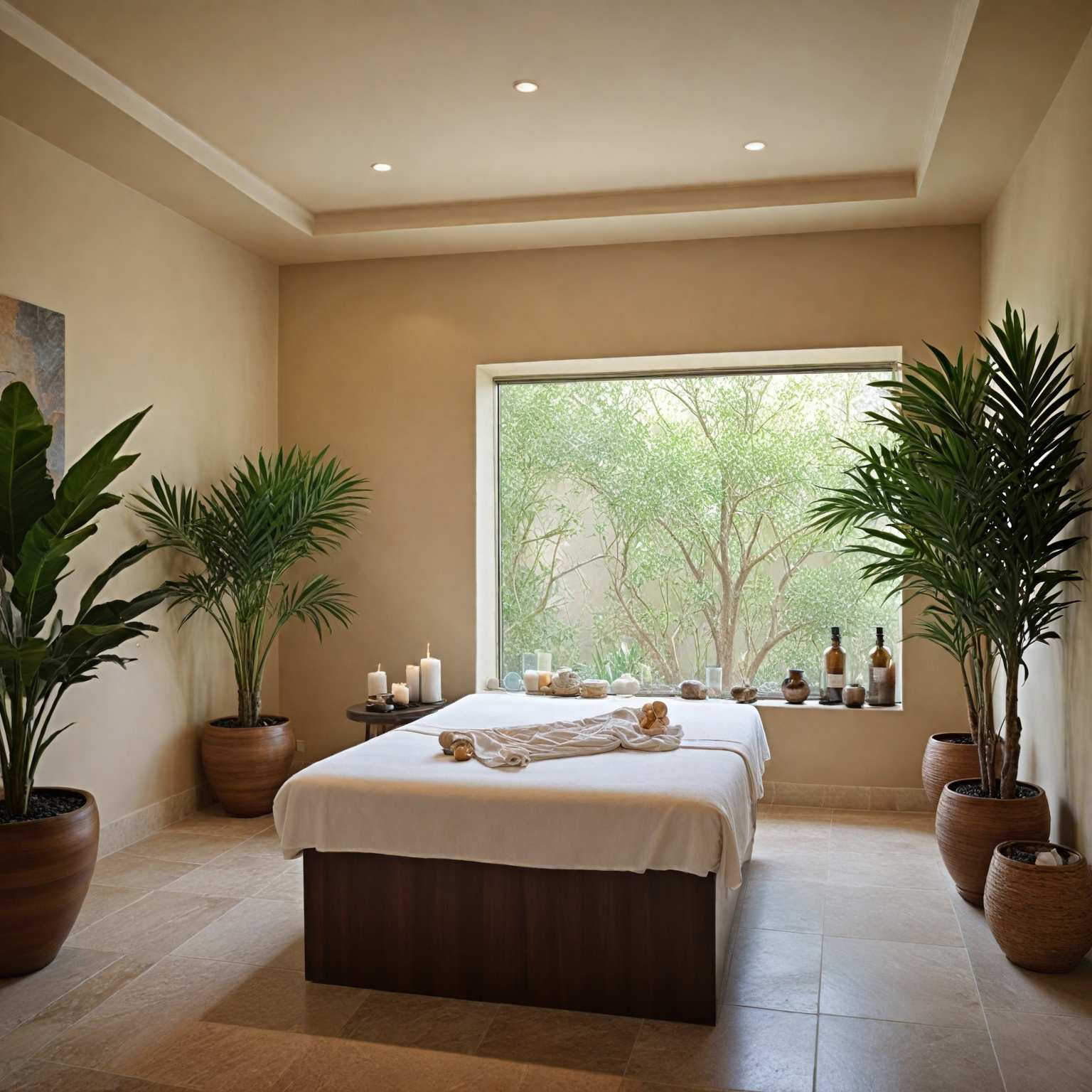
The layout and design of spa environments play a crucial role in shaping the overall experience. The arrangement must harmonize with the intended type of relaxation and wellness services offered, considering elements such as lighting, color schemes, materials, and spatial distribution. Soft, adjustable lighting—often including warm lamps and candles—creates a peaceful atmosphere conducive to relaxation. Neutral and calming color palettes enhance the spa theme while promoting tranquility. Materials that reflect nature, such as wood and stone, support biophilic design principles that improve psychological well-being.
Functional zoning within spas is also important. Separate areas should be allocated for relaxation, meditation, and refreshments, such as tea or beverage stations. Silence zones, isolated from noise and distractions, are ideal for deep meditation and mindfulness practices. Multi-sensory design integrates light, sound, and aroma to create immersive experiences that engage multiple senses simultaneously. Innovative furniture, including ergonomic seating, warm salt beds, and enveloping cocoons, further enhances comfort and supports various relaxation modalities.
Integrating Technology and Nature
Recent trends in spa design have introduced the integration of advanced technologies and natural elements to customize and deepen the wellness experience. Virtual and augmented reality technologies offer immersive meditation environments that transport guests to calming, distant locations, enhancing mental escape and relaxation. At the same time, incorporating vertical gardens and natural materials fosters a connection with nature, which has been shown to reduce stress and promote emotional well-being.
Therapeutic Settings and Treatments
Specific spa treatments also influence the environment. For example, hydrotherapy involves the use of water in various forms, such as hot tubs and saunas, to improve circulation, reduce muscle tension, and promote healing. Massage therapy supports mindfulness and a deeper connection to the body by encouraging relaxation and emotional grounding. The Japanese Head Spa emphasizes a calming ambiance combining rhythmic scalp massages and aromatic oils to release serotonin and endorphins, effectively lowering stress hormones and enhancing mental calmness.
Client Demographics and Targeted Benefits
The clientele for spa and massage therapies has become increasingly diverse, reflecting a broad range of needs and preferences. Mobile massage services, for instance, have gained popularity particularly among clients seeking convenience, such as individuals with mobility challenges or those with busy schedules who prefer treatments in the comfort of their own homes. This trend has also appealed to massage therapists themselves, who benefit from reduced overhead costs and greater flexibility in their practice.
Historically, spa towns in Europe attracted the wealthy bourgeoisie, who sought not only health benefits but also social opportunities alongside royalty and nobility. Many European governments recognized the therapeutic value of spa treatments and partially subsidized patient expenses, especially for conditions related to obesity and overindulgence.
Trends and Innovations in Spa Relaxation for 2025
Spa relaxation in 2025 is characterized by a convergence of traditional wellness practices with cutting-edge innovations and a growing emphasis on personalized, holistic health experiences. As the demand for comprehensive well-being continues to rise, new trends and technologies are redefining how spas cater to physical, mental, and emotional needs.
One of the most notable trends is the surge in digital detox spas, which have seen a 100% increase in interest year-on-year. These spas provide environments designed to help guests disconnect from technology, thereby reducing stress, improving attention span, and enhancing sleep quality. Alongside this, innovative treatments such as nightingale facials and rosemary oil hair massages are gaining popularity, also doubling in demand over the past 12 months.
The design and ambiance of spa environments have evolved to further enhance the relaxation experience. Soft, adjustable lighting, warm lamps, and candles create a peaceful atmosphere, while the use of neutral, calming colors and natural materials helps harmonize the space with the spa’s intended theme. Biophilic design elements, including vertical gardens and natural textures, are integrated to promote psychological well-being by reconnecting guests with nature. Additionally, technology such as virtual and augmented reality is being incorporated to offer immersive meditation experiences that transport clients to tranquil environments, adding a new dimension to traditional relaxation rooms.
Japanese head spa treatments have also risen in prominence, appreciated for their holistic approach to wellness. These treatments involve deep cleansing, steam therapy, and prolonged pressure-point massages using natural botanicals, all aimed at not only improving scalp health but also restoring mental balance and reducing stress. The integration of upper body massage techniques further enhances mind-body wellness, making these treatments popular among those seeking comprehensive relaxation.
Hydrotherapy remains a foundational element of spa therapy, with ongoing research highlighting its benefits in both rehabilitation and disease prevention. Water immersion therapies utilize various temperatures and water properties to produce therapeutic effects on different bodily systems, although more extensive evidence-based studies are still needed to fully understand these impacts.
In line with increasing client convenience and adaptability, mobile massage services have gained momentum post-COVID. These services allow clients to receive personalized treatments, including energy work such as Reiki, in the comfort of their own homes, catering especially to individuals with mobility challenges or busy lifestyles.
Massage therapy in 2025 is also embracing enhanced sensory experiences, utilizing warming botanical oils, heated tables, and therapeutic hot stones to deliver deeper relaxation and targeted relief. These advancements contribute to elevating the overall zen of bodywork sessions, offering a more immersive and blissful experience.
Finally, wellness spas continue to broaden their offerings beyond traditional treatments, incorporating holistic health practices such as yoga, meditation, nutritional counseling, and detox programs. This integrated approach supports the body, mind, and spirit, aligning with the growing consumer desire for comprehensive health benefits that extend well beyond momentary relaxation.
Together, these trends and innovations illustrate a dynamic spa landscape in 2025, where ancient healing traditions meet modern technology and personalized care, ultimately unlocking deeper levels of relaxation and well-being for spa visitors.
Preparing for a Spa Visit
Preparing for a spa visit involves several considerations to ensure a relaxing and enjoyable experience. One of the primary aspects is understanding the layout and ambiance of the spa, which is carefully designed to harmonize with the type of experience offered. This includes the strategic use of soft, adjustable lighting, warm lamps, and candles that create a peaceful atmosphere. Colours and materials are selected to feature neutral, relaxing tones that complement the spa’s theme, enhancing overall tranquility. Additionally, spas typically provide separate areas designated for relaxation, meditation, and a tea or beverage area to support a holistic calming environment.
When arriving at the spa, guests can expect rooms furnished with plush chairs or loungers, accompanied by soft lighting, soothing music, and calming scents. These elements work together to promote a peaceful environment that sets the tone for the entire visit. Many high-end day spas elevate this experience by offering luxury lounges, snacks, entertainment, and even glass of wine service, adding to the sense of indulgence and comfort.
Choosing treatments ahead of time is also an important part of preparation. Popular services range from various types of massages—including couple’s massages designed for shared relaxation—to manicures, pedicures, steam rooms, jacuzzis, facial treatments, body wraps, waxing, saunas, and thermal baths. These treatments are often tailored to support health and wellness, incorporating evidence-based methods such as hydrotherapy to promote healing of body and mind.
Safety, Contraindications, and Professional Guidance
Hydrotherapy and related spa treatments have gained popularity for their potential health benefits across various bodily systems; however, safety considerations and contraindications must be carefully observed. The National Pressure Ulcer Advisory Panel (2014) explicitly advised against the routine use of whirlpool therapy in treating pressure ulcers due to risks of contamination and the availability of newer, safer hydrotherapies. This highlights the importance of selecting appropriate hydrotherapy modalities based on individual patient conditions and clinical evidence.
Inconsistencies in water immersion protocols, as noted in recent studies, have made it difficult to definitively establish health benefits, underscoring the need for standardized treatment guidelines and further rigorous research. Moreover, the excessive or improper use of massage and hydrotherapy may be partially attributed to limited funding for comprehensive research, especially in Asian countries where many such studies originate. Ideally, future research should incorporate a multidimensional approach, including psychological, physical, physiological, and biochemical measures, to fully document the effects and ensure patient safety.
From a research perspective, evidence-based decision making relies heavily on high-quality systematic reviews, meta-analyses, and clinical practice guidelines, which summarize the available data and provide transparent recommendations. Therefore, spa professionals and healthcare providers should stay informed of the latest evidence to optimize treatment outcomes and minimize risks.
Professional guidance is essential when utilizing hydrotherapy and massage therapies, as improper application can lead to adverse effects. Ensuring treatments are administered by trained and certified practitioners, following established protocols, will help maximize safety. Additionally, understanding patient-specific contraindications—such as open wounds, infections, or certain chronic conditions—is crucial to avoid complications.
The content is provided by Jordan Fields, Direct Bulletins