Highlights
- Cellfina offers long-lasting cellulite reduction results visible within days after a single session.
- This FDA-approved treatment is performed by trained professionals for optimal safety and results.
Summary
Cellfina is a minimally invasive, FDA-approved cosmetic treatment designed to reduce the appearance of cellulite, primarily on the thighs and buttocks. The procedure targets the fibrous connective tissue bands, known as septae, that tether the skin and cause the characteristic dimpling effect. By precisely releasing these bands through a microblade device, Cellfina smooths the skin’s surface, with results often visible within days and lasting for up to three years, making it one of the longest-lasting cellulite treatments cleared by the FDA.
Performed on an outpatient basis under local anesthesia, Cellfina involves a subcision technique where a small device severs the fibrous septae through needle-sized entry points, typically in a single session lasting under an hour. The treatment is generally well-tolerated, with minor side effects such as soreness or bruising resolving within days and minimal downtime allowing patients to resume daily activities quickly. Due to the precision required, Cellfina must be administered by licensed physicians trained in cosmetic procedures to ensure safety and optimal outcomes.
Clinical studies have demonstrated high patient satisfaction rates, with improvements sustained for years after a single treatment, distinguishing Cellfina from other cellulite therapies that often require multiple sessions or provide shorter-lived results. Compared to alternative methods such as laser-based treatments, Cellfina offers a lower risk profile without directly stimulating collagen remodeling but achieves lasting smoothing by mechanically releasing the underlying septae.
While generally considered safe and effective, the treatment’s cost ranges from approximately $3,500 to $6,500 per session and varies based on location and provider expertise. Regulatory guidelines restrict Cellfina’s use to qualified medical professionals, emphasizing careful patient selection and adherence to procedural protocols to minimize complications. Ongoing research aims to refine the technique and explore combination therapies to enhance results and address the complex biological factors contributing to cellulite formation.
Overview of the Treatment
Cellfina is an FDA-approved, minimally invasive procedure designed to reduce the appearance of cellulite, primarily on the thighs and buttocks. The treatment targets the primary structural cause of cellulite—the fibrous connective bands, or septae, that pull down the skin and create the characteristic dimpling effect visible on the surface. By precisely releasing these tethered bands, Cellfina allows the skin to smooth out, often noticeable within just a few days after treatment.
The procedure involves the use of a microblade-sized device that is inserted under the skin through a needle-sized entry point to sever the fibrous septae. This subcision technique breaks up and loosens the connective tissue bands, thereby alleviating the inward tension that causes skin puckering. Treatment is typically performed in a physician’s office and takes less than an hour.
Clinical data support the efficacy and durability of Cellfina, demonstrating sustained improvement in skin texture and appearance for up to three years post-treatment without a reduction in benefits. The treatment is considered safe when performed by trained and qualified medical professionals, given the anatomical knowledge required to target the septae effectively and avoid complications.
Medical and Cosmetic Applications
Cellfina® is primarily used as a minimally invasive, nonsurgical treatment designed to reduce the appearance of cellulite by targeting its primary structural cause—the fibrous connective bands beneath the skin. These bands tether the skin down, creating the characteristic dimpling and puckering, particularly on the thighs and buttocks. By precisely releasing these tight bands, Cellfina® allows the skin to smooth out, often noticeable within just a few days after treatment.
The treatment addresses cellulite by mechanically disrupting the fibrous septa responsible for pulling down the skin’s surface. According to the architectural disorder hypothesis, cellulite results from imbalances between the inward tethering forces of the septa and the outward pressure of the underlying fat layers. When these septal connections weaken or become inflexible, fat lobules push against the dermis, forming visible dimples. Cellfina® works by cutting these septa, restoring balance and improving skin appearance without causing generalized skin laxity in the treated area.
Beyond cellulite treatment, cosmetic services related to Cellfina® encompass a wide range of aesthetic procedures, including wrinkle reduction using BOTOX® and Xeomin®, volume restoration with Juvederm® and other dermal fillers, fat reduction through Kybella® and CoolSculpting®, as well as laser-based treatments for veins and hair removal. Additional options include IPL, microneedling, chemical peels, vaginal rejuvenation, and advanced facials such as HydraFacial®. While some non-invasive procedures like QWO and VelaShape can be administered by trained aestheticians under physician supervision, treatments involving laser or incision, such as Cellfina®, require advanced medical training and must be performed by qualified cosmetic surgeons or similarly experienced providers.
The ideal candidate for Cellfina® is generally in good health, maintains a stable weight, and seeks to reduce moderate to severe cellulite localized on the buttocks and backs of the thighs. The procedure is not recommended for individuals with unstable weight, those needing medical weight loss, or patients aiming to correct loose skin. Most patients experience minimal downtime following the procedure, which is tailored to the individual’s needs to maximize safety and effectiveness.
Cost considerations for Cellfina® vary based on treatment area, geographic location, and provider expertise, with prices typically ranging between $3,500 and $6,500. Due to the personalized nature of the procedure, consultations with qualified physicians are essential to obtain accurate pricing and treatment plans.
Procedure Details
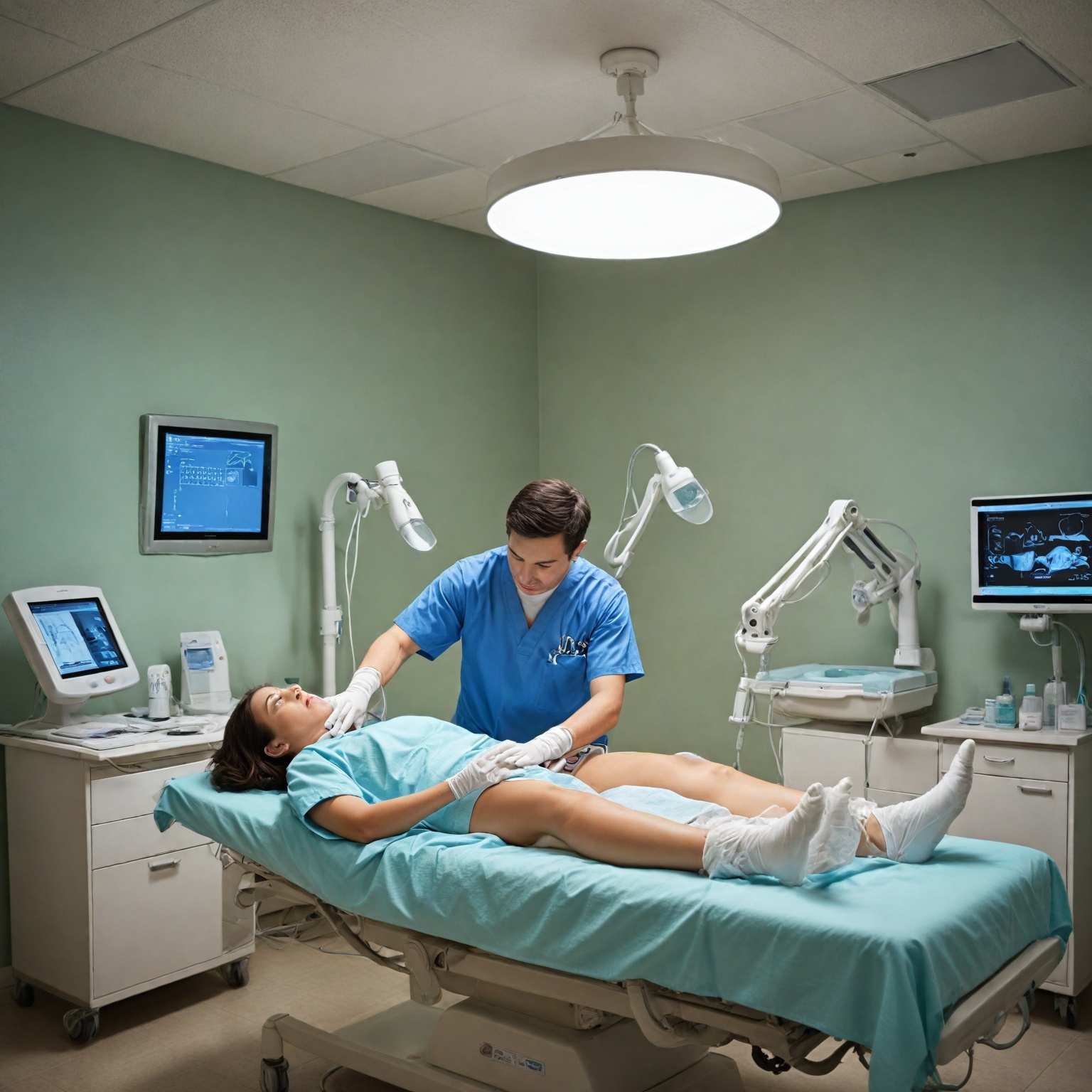
The Cellfina procedure is a minimally invasive treatment designed to reduce the appearance of cellulite by targeting the primary structural cause: the fibrous connective bands beneath the skin. It utilizes a technique called subcision, which involves the use of a microblade device approximately the size of a needle to precisely break and release these connective bands, thereby smoothing the skin surface.
Before the procedure begins, photographic documentation is taken to guide the treatment and track progress. The entire treatment session typically lasts between 40 and 60 minutes and is completed in a single session. Patients do not require general anesthesia or an operating room, as the procedure is performed on an outpatient basis with local anesthesia to ensure comfort.
Due to its minimally invasive nature, the downtime associated with Cellfina is limited. Most patients can resume normal daily activities within 48 hours and return to exercise routines within one to two weeks post-treatment. Side effects are generally minor and temporary, including mild soreness or bruising, which typically resolve within a few days. Over-the-counter pain relievers can be used to manage any discomfort. Although rare, patients should be aware of potential serious complications and seek medical attention if concerning symptoms arise.
The treatment is FDA-approved specifically for cellulite reduction on the thighs and buttocks and requires administration by qualified medical professionals with advanced training in cosmetic procedures due to the precision needed in the subcision technique. Patients are advised to schedule an initial consultation to review medical history and assess candidacy prior to treatment.
Results from Cellfina are visible as soon as three days after treatment, with continued improvement over time and final outcomes becoming apparent within three months. Clinical studies have demonstrated that improvements can last at least three years, marking the longest FDA clearance duration for a cellulite treatment to date. Proper adherence to procedural guidelines and safety precautions is critical to minimize risks and optimize outcomes.
Effectiveness and Results
Cellfina® is a minimally invasive treatment designed to reduce the appearance of cellulite by targeting the fibrous connective tissue bands beneath the skin that cause dimpling. The procedure uses a microblade to precisely sever these bands, allowing the skin to bounce back and smooth out the affected areas. Results can begin to appear as quickly as three days following a single treatment session, with final outcomes typically visible within one to three months.
Clinical studies have demonstrated significant and long-lasting improvement in cellulite appearance after Cellfina treatment. The pivotal FDA clearance study reported patient satisfaction rates of 85% at three months, increasing to 94% at one year, 96% at two years, and 93% at three years post-treatment. This represents the longest duration of FDA clearance for any cellulite treatment to date. These results suggest that by addressing the underlying cause of cellulite dimpling—the fibrous septae—Cellfina’s effects endure for several years, with ongoing analyses underway to assess even longer-term outcomes.
Patients experience limited downtime and generally can resume normal daily activities within 24 to 48 hours, with exercise often permitted after one to two weeks. Side effects are usually mild and may include soreness, tenderness, and bruising; serious adverse events such as infection or fluid buildup are rare.
Biological and Tissue Response
Cellfina targets the primary structural cause of cellulite by releasing the fibrous septa—connective bands woven throughout the fat of the thighs and buttocks—that pull the skin downward and create the characteristic puckering appearance. These bands act like rubber bands under tension, and once they are released through the treatment, the skin is able to bounce back and smooth itself out within as little as three days. Importantly, Cellfina selectively disrupts these fibrous bands in focal areas without causing generalized skin laxity or sagging, as the skin remains closely adherent to underlying tissue in untreated regions.
From a biological standpoint, cellulite is associated with complex alterations involving the dermis, adipose tissue, and connective tissue layers. The condition may be exacerbated by factors such as volume loss, excess fat, and skin laxity, necessitating a tailored treatment approach to address these components. Inflammation is also believed to play a role in cellulite development; low-grade septal inflammation has been implicated in dermal atrophy and may contribute to the formation of fibrous septa. Proinflammatory states—such as obesity and insulin resistance—can promote endothelial damage through the presence of immune cells (macrophages, Th1 cells, mast cells) and inflammatory cytokines like interleukin-6 and tumor necrosis factor alpha.
Unlike treatments such as Cellulaze, which utilize laser energy to sever connective bands while also promoting collagen production and enhancing skin elasticity, Cellfina employs a microblade technique that offers a lower risk profile and reduced cost. Although Cellfina does not directly stimulate collagen remodeling, its precise mechanical release of fibrous septa leads to sustained improvement in skin dimpling, with clinical evidence demonstrating efficacy for up to three years post-treatment.
Risks, Side Effects, and Patient Concerns
Cellfina is generally considered a safe and effective treatment with minimal risks when performed according to instructions. Failure to carefully follow all applicable procedural guidelines may result in injury to the patient, physician, or attendants and can adversely affect outcomes. Most side effects reported are minor and typically resolve on their own within a few days. These commonly include soreness, tenderness, and bruising at the treatment site, which patients can manage with over-the-counter pain relievers.
In clinical studies, patients experienced minimal pain during and shortly after treatment. For example, just three days post-treatment, pain was rated as minimal (2.7 on a scale of 0 to 10), with 82 percent of patients feeling pain only upon touch or pressure to the treated area. Despite these mild discomforts, the procedure is associated with limited downtime, allowing many patients to engage in normal activities such as responding to emails or taking selfies during treatment.
Serious adverse events related to Cellfina have not been reported in pivotal studies or post-market data, making it one of the safer cellulite treatments cleared by the FDA. However, rare complications can occur, and it is important for patients to seek medical attention if unexpected symptoms arise. A recall in 2016 due to a non-sterile vacuum tube included in shipped kits was resolved promptly and has not impacted overall safety records.
Comparison with Other Cellulite Treatments
Cellfina distinguishes itself among cellulite treatments by using a minimally invasive microblade technique known as subcision to target and release the fibrous connective bands beneath the skin, which are primarily responsible for cellulite dimpling. This procedure involves a device approximately the size of a needle that precisely breaks up these bands, resulting in smoother skin appearance after a single treatment session. Cellfina is FDA-approved specifically for reducing cellulite on the thighs and buttocks, with clinical studies demonstrating efficacy lasting up to three years without significant reduction in benefits.
In contrast, Cellulaze employs a laser-based approach that combines heat energy to cut connective bands while simultaneously stimulating collagen production and improving skin elasticity. Unlike Cellfina’s microblade method, Cellulaze integrates laser technology, requiring advanced medical training to perform and potentially offering additional skin tightening benefits. Both treatments involve subcision but differ in technique, mechanism, and the type of equipment used.
Other cellulite treatments, such as QWO, VelaShape, Z Wave, and Venus Freeze, generally fall under non-invasive categories that may be administered by trained aestheticians under physician supervision. These methods often focus on fat reduction, skin tightening, or tissue rejuvenation without the need for incisions or lasers. While these non-invasive options tend to have minimal downtime, their results and mechanisms differ significantly from Cellfina’s targeted release of connective bands.
Cost and Accessibility
The cost of Cellfina treatment varies widely depending on several factors, including the geographic location, the physician’s practice, and the specific area of the body being treated. Prices typically range from $3,500 to $6,500 per session, reflecting the personalized nature of the procedure and the extent of cellulite being addressed. Some providers, such as South Coast Plastic Surgery, offer baseline pricing starting at approximately $5,250 for treatment of up to 50 dimples, although the final cost may increase based on the number of dimples, severity of cellulite, and additional treatment areas.
Accessibility to Cellfina is regulated by federal law, restricting its use exclusively to licensed physicians who follow strict procedural guidelines to ensure safety and effectiveness. The treatment is FDA-approved and has been clinically evaluated primarily for use on the buttocks and thighs of adult females aged 25 to 55 with a body mass index (BMI) between 18 and 35 exhibiting moderate to severe cellulite. Because the procedure is minimally invasive but highly customized, prospective patients are encouraged to consult directly with board-certified plastic surgeons to obtain accurate pricing and determine candidacy for the treatment.
Regulatory Approval and Professional Guidelines
The Cellfina System is subject to federal regulation and is restricted for use only by or on the order of a licensed physician. This restriction ensures that the device is administered by qualified medical professionals who can appropriately evaluate and treat eligible patients. The system’s safety and effectiveness have been specifically evaluated in adult female patients aged 25 to 55 years, with a body mass index (BMI) between 18 and 35, presenting with moderate to severe cellulite primarily on the buttocks and thighs.
Strict adherence to all applicable instructions and guidelines is essential when using the Cellfina System. Failure to do so may result in injury to the patient, the physician, or other attendants involved in the procedure, and can negatively impact the treatment outcomes. Therefore, professional guidelines emphasize careful patient selection and compliance with operational protocols to ensure both safety and effectiveness during the treatment process.
Future Developments and Research Directions
Research into cellulite treatments continues to evolve, driven by the high prevalence of the condition among post-pubertal women and the ongoing demand for effective and lasting solutions. Emerging technologies and novel therapeutic approaches are being explored to enhance treatment efficacy and patient satisfaction.
One promising area of development involves the refinement of minimally invasive procedures like Cellfina, which mechanically targets the fibrous bands beneath the skin to reduce the dimpled appearance of cellulite. Ongoing clinical studies aim to optimize the technique, improve durability of results, and minimize recovery time. Additionally, combining Cellf
The content is provided by Harper Eastwood, Direct Bulletins