Highlights
- Discover valuable insights on navigating the complexities of buying police-seized vehicles.
- Learn how to protect yourself and maximize savings at police auctions in 2025.
Summary
Unlocking the Secrets of Buying Cars Seized by Police: What You Need to Know in 2025 offers a comprehensive guide to purchasing vehicles that have been confiscated by law enforcement agencies for legal reasons, ranging from involvement in criminal activity to financial delinquency. These vehicles, which may include everyday cars, trucks, and occasionally fleet or government vehicles, are often auctioned to the public after completing seizure and forfeiture processes governed by strict legal protocols. The topic is notable due to the growing consumer interest in acquiring cars at potentially lower prices through police auctions, as well as the complex legal, financial, and ethical issues surrounding vehicle seizure and resale.
The landscape of buying police-seized vehicles in 2025 is shaped by evolving legal frameworks and regulatory updates, including the Federal Trade Commission’s Combating Auto Retail Scams (CARS) Rule, aimed at protecting consumers from deceptive practices and providing special safeguards for military members and their families. State-level statutes addressing issues like “street takeovers” and vehicle seizure procedures further influence how these vehicles are handled before reaching auction. Buyers must navigate various challenges such as understanding seizure legality, auction terms, additional fees, and vehicle condition risks—factors critical to making informed purchasing decisions.
While police auctions offer opportunities to purchase vehicles below market value, these sales are conducted under “as is/where is” conditions, with no warranties or guarantees, and buyers assume all risks related to vehicle condition, title status, and potential hidden damages. Vehicles may have been involved in serious incidents or neglected during impoundment, complicating inspections and ownership transfers. Legal controversies also arise from civil forfeiture practices, where vehicles can be seized and sold without criminal convictions, raising concerns about due process and property rights. Transparency measures, public auction listings, and expert vehicle inspections help mitigate some risks but do not eliminate the need for buyer vigilance.
Overall, this article provides an essential resource for consumers interested in the police-seized vehicle market in 2025, detailing acquisition channels, inspection procedures, financial considerations, and best practices to maximize benefits while minimizing risks. It highlights the intersection of consumer protection, law enforcement policies, and automotive retail trends, underscoring the importance of understanding the intricate regulatory environment and ethical dimensions that define this unique marketplace.
Overview of Police-Seized Vehicles
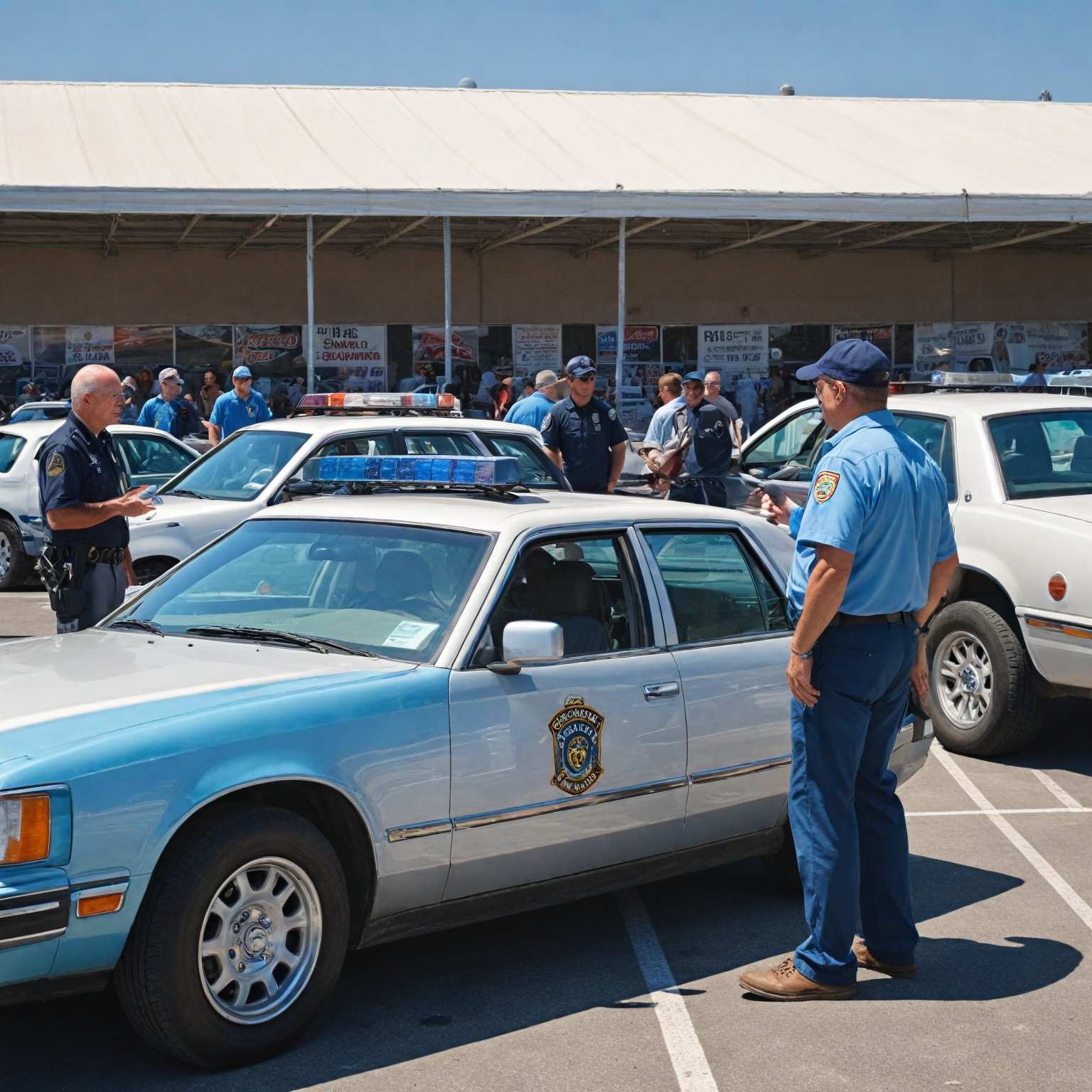
Police-seized vehicles are automobiles taken into custody by law enforcement agencies for various legal reasons. These vehicles can range from everyday cars and trucks to those once owned by criminals, often involved in drug trafficking or other crimes. Police typically seize and tow cars suspected of being used in criminal activities such as drug possession, hit-and-runs, DUI, reckless driving, vehicular assault, or manslaughter. Vehicles may be held as evidence to examine damage, biological traces, or markings left on the car.
The seizure process involves strict legal protocols. Authorities usually require a search warrant supported by probable cause, specifying the property to be seized. During court hearings, the seizing agency must establish probable cause; if proven, the vehicle may proceed to forfeiture proceedings where the state must demonstrate by clear and convincing evidence that the vehicle is subject to forfeiture. This legal framework ensures seizures are not arbitrary and that owners have avenues to challenge them with appropriate legal support.
While many associate police-seized cars with criminal activity, a significant number are repossessed due to financial issues like non-payment on finance agreements. Some vehicles become prohibited from registration, transfer, or other transactions due to economic debt disputes adjudicated by courts. Seized vehicles may also be held as collateral to pay damages to victims affected by crimes.
Once seized, many vehicles are auctioned off to the public through live or online auctions. Prior to auction, experts inspect the car to assess its mechanical condition and any surface or structural damage such as dents, rust, or chipped paint, helping set an estimated auction guide price. Auctions often prohibit test drives, so buyers are advised to rely on photos and detailed descriptions provided by the auction house. Additional costs beyond the hammer price include buyer’s premiums, fees, transport, taxes, and registration expenses.
Police powers to search and seize vehicles are governed by constitutional protections. While reduced privacy expectancy in vehicles broadens police authority to conduct searches without warrants, officers must still have probable cause or reasonable suspicion related to traffic violations or criminal activity to justify stops and searches. Passengers and drivers are considered seized from the moment the vehicle is stopped and have the right to challenge the legality of the stop.
Legal Framework and Regulatory Updates in 2025
In 2025, key legal and regulatory developments have shaped the landscape of buying cars seized by police, impacting consumers and law enforcement practices. The Federal Trade Commission’s (FTC) implementation of the Combating Auto Retail Scams (CARS) Rule addresses illegal tactics in the auto retail market such as bait-and-switch schemes and hidden junk fees. This rule is designed to save consumers over $3.4 billion annually and reduce time spent shopping for vehicles by an estimated 72 million hours. It includes explicit protections for military members and their families, frequently targeted by deceptive practices, including misleading claims about dealer affiliations with the military.
At the state level, North Carolina introduced a statute addressing “street takeover” events, a growing public safety concern involving illegal car gatherings and races. While primarily targeting public safety and law enforcement efforts, it indirectly influences the management and seizure of vehicles involved in such activities.
States like Florida enforce laws allowing agencies to seize vehicles suspected of involvement in criminal activities. These vehicles can be held with restrictions on registration, transfer, or modification until legal resolutions occur. If unclaimed for 30 days, owners risk forfeiture of rights to reclaim them, although storage fees may be waived if a court finds no probable cause for seizure. The typical seizure process involves verifying eligibility, confirming ownership, securing registration and title documents, and arranging for towing to holding facilities.
Impoundment raises questions about owner rights and police authority. Police may deny access to impounded vehicles involved in alleged criminal activity even without a search warrant, holding the vehicle until proper legal procedures are followed. Vehicles are generally held for a limited period; owners can reclaim them after settling applicable fees. Failure to do so may result in auction or forfeiture.
Vehicles sold at police auctions operate under strict “caveat emptor” principles; buyers assume all risks related to the vehicle’s condition and legal status. Sales are final, with vehicles sold “as is/where is.” Auction lists are publicly available via official police websites and court postings to ensure transparency. Buyers should inquire about additional fees such as administrative or buyer’s premiums before purchase to avoid unexpected costs. Understanding the regulatory environment and legal nuances of seized vehicle sales is essential, especially given complex asset forfeiture laws.
Acquisition Channels for Police-Seized Vehicles
Police-seized vehicles are primarily acquired through public auctions organized by local governments, police departments, or federal agencies. These auctions serve as the main channel for releasing impounded vehicles back into the market, often providing buyers opportunities to purchase cars at lower-than-market prices.
Public Auctions
Local police departments and municipalities frequently conduct auctions on the premises of storage facilities where impounded vehicles are held. These auctions typically occur daily, starting early in the morning, and are open to the general public rain or shine. Security is strictly enforced, with police officers present throughout to maintain order and oversee the auction. Prospective buyers have limited time to inspect vehicles before bidding begins, emphasizing quick decision-making and thorough pre-auction preparation.
Auctions may be held in person, online, or through mail-in bids. Federal agencies sometimes conduct their own auctions or contract auction companies to manage sales. Online auctions have become increasingly popular, allowing broader access to seized vehicle inventories across jurisdictions.
Buyer Requirements and Procedures
Bidders must be at least 18 years old and present valid government-issued photo identification with a current address; passports are generally not accepted. Minors may attend only if accompanied by an adult legal guardian. Winning bidders do not gain immediate ownership; full payment must be completed per the auctioning agency’s policies.
Buyers are advised to research vehicles thoroughly before bidding. Using the vehicle identification number (VIN) to obtain comprehensive history reports through services such as Carfax can reveal accident history, title status, and maintenance records. This due diligence helps mitigate risks associated with purchasing seized vehicles that may have been involved in crimes or suffered damage during police pursuits.
Additional Considerations
While many police-seized vehicles at auctions are repossessed due to financial delinquencies and may not be directly linked to criminal activity, some have been involved in serious incidents such as hit-and-runs, DUI cases, or vehicular assaults. Such vehicles may carry hidden damages or forensic evidence, impacting their condition and resale value. Buyers should be aware of these possibilities when inspecting and bidding on seized cars.
Detailed Purchase Process
Understanding the detailed purchase process is essential to ensure smooth transactions and avoid unexpected costs. The process typically begins with registering on the auction platform, which may be free or require a fee. It is crucial to read auction terms and conditions carefully and verify the vehicle’s history using the VIN via services like Carfax or NMVTIS to check for accidents and title status.
Auctions occur online, in person, or via mail-in bids and are often conducted by the federal agency owning the vehicle or through contracted auction companies. Physical auctions are frequently held at storage facilities where vehicles are kept, starting early, open to the public rain or shine. Buyers should calculate all potential costs, including buyer’s premiums, administrative fees, taxes, transfer fees, and transportation expenses, to understand the total price fully.
Bidding should be strategic, aiming for an all-in price about 15% below comparable private-party values to account for mechanical risks and logistics. Bidders should proceed only if comfortable managing these risks and costs. Upon winning, payment must be made immediately at the auction site, accepting cash, Discover Card, Visa, and MasterCard. Partial payments may be accepted during the auction, but remaining balances are due within three business days; failure to comply voids the sale and may incur damages.
Purchasers are responsible for arranging vehicle pickup per auction rules and settling related fees. Understanding all steps and requirements maximizes chances of success and avoids pitfalls when acquiring seized vehicles.
Vehicle Inspection and Condition Assessment
Thorough inspection and condition assessment are crucial to informed decision-making when purchasing police-seized cars. Experts examine vehicles for surface or structural damage like dents, rust, or chipped paint, which contribute to estimating value. Mechanical issues are assessed alongside make, model, and manufacturing year to set auction guide prices. Detailed vehicle descriptions help potential buyers during bidding.
Some auctions restrict inspections to registered dealers, while others allow the public or provide professional inspection services. Prospective buyers should verify policies to determine if personal or third-party inspections are possible. Certain platforms permit independent mechanics to inspect vehicles before purchase for additional assurance.
Attention to potential tampering is important. Signs like damaged door locks, scratched handles, or tampered security features (cut wires, disabled immobilizers) may indicate theft attempts or security breaches. Inspecting trunks and lights is recommended, as thieves sometimes remove headlights or taillights to access wiring or bypass locking systems.
Buyers should be wary of vehicles idle for extended periods, as impounded cars may have lacked maintenance for months or years, causing mechanical issues. Seized vehicles may also have severe title problems or unresolved liens complicating ownership and resale. Conducting thorough background checks on vehicle history and verifying VIN and title status with the Department of Motor Vehicles before purchase is advisable.
Financial Considerations and Associated Costs
When purchasing police-seized vehicles at auction, buyers must evaluate all financial aspects to avoid unexpected expenses and maximize value. While auctions offer potential discounts, various costs and fees impact the final purchase price.
Additional fees include buyer’s premiums, administrative fees, transfer fees, and taxes. These charges can add substantially, so requesting a full expense breakdown before payment helps avoid hidden costs. Transfer or delivery fees are sometimes separate from the bid price and must be factored in.
Accepted payment methods typically include cash, Discover Card, Visa, and MasterCard, with strict deadlines. Buyers usually must pay in full immediately or within a few days; failure to comply can void sales and incur damages. Preparing adequate funds before bidding is essential.
Vehicles may require repairs or restoration, especially if seized due to neglect or damage. Listings usually detail surface or structural damage (dents, rust) and mechanical issues, helping estimate repair costs and assess value. Due diligence is crucial, as some vehicles may be in prime condition while others need significant investment to become roadworthy.
Insurance considerations post-purchase are important. Obtaining coverage is generally inexpensive relative to protection offered. Neglecting insurance can expose owners to financial risks in accidents or liabilities. Paying a modest premium safeguards the investment and any side income generated from the vehicle.
Timely action when reclaiming or purchasing seized vehicles is critical. Failure to act within stipulated timeframes (such as 30 days for unclaimed vehicles) can lead to loss of ownership rights and additional storage fees. Some agencies may cover these fees only under judicial rulings, so promptness reduces financial risk.
Risks and Challenges of Buying Police-Seized Vehicles
Buying police-seized vehicles involves risks and challenges buyers should consider carefully. Vehicle condition and history are primary concerns. Many seized cars are repossessed due to non-payment, but some may have significant mechanical, surface, or structural problems affecting value and operability. Impounded vehicles may have sat idle without maintenance, causing deterioration.
Title issues can complicate ownership transfer and registration, making due diligence essential. Vehicles are sold “as is/where is” with no warranties or guarantees regarding operability or title status. Buyers cannot test drive and must rely on photos and inspections during previews, accepting all sales as final.
Legal considerations include civil forfeiture, where vehicles may be retained by the government without criminal convictions or charges, complicating sale legitimacy and raising ethical questions. Laws like Florida’s Section 932.702 allow seizure of vehicles allegedly used to transport contraband, potentially delaying auction release. The CARS Rule protects consumers, especially servicemembers, from misleading dealership practices and unwarranted repossession.
Auction processes add complexity. Some sales require dealer licenses to participate, and auction terms vary. Federal and treasury-managed auctions have strict payment and removal deadlines, with storage fees potentially eroding margins if vehicles are not collected promptly. Buyers must consider all costs, including hammer price, buyer’s premium, fees, transportation, and taxes, which significantly affect total expenditure.
Benefits and Opportunities
Purchasing police-seized vehicles offers advantages attractive to budget-conscious buyers. Many police cars are fleet vehicles with regular maintenance schedules, often resulting in well-maintained vehicles despite high mileage, providing reliable options at lower costs.
Pricing is a key opportunity. Police auctions typically offer seized cars at prices considerably below those at dealerships or private sellers, as law enforcement prioritizes quick sales over profit, translating to potential savings for buyers.
Buyers gain peace of mind through thorough inspections before bidding. Some auctions allow independent mechanics to evaluate vehicles for mechanical issues, surface damage, or structural concerns, helping determine actual value and guide pricing.
Strategies and Best Practices for Buyers in 2025
Buyers in 2025 should adopt strategies to maximize chances of securing quality vehicles while minimizing risks. Thorough research is essential. Reviewing auction lists posted by law enforcement agencies, often on official police websites or through local courts, is recommended. Familiarizing with auction terms and conditions is equally important, as sales are final and vehicles sold under “caveat emptor,” meaning buyers assume responsibility for vehicle condition.
Inspecting vehicles before bidding is highly advisable. While many yards restrict inspections to registered dealers, some allow public viewing or professional inspections. Expert evaluations should consider make, model, year, mechanical issues, structural damage (dents, rust), and tampering signs such as theft-related damage to trunks and lights.
Understanding financial aspects is crucial. Buyers must be prepared to pay in full, usually in cash, immediately after sale. Additional fees such as buyer’s premiums, administrative charges, or towing costs add to the total price, so requesting complete cost breakdowns helps avoid
Typical Police Seizure and Auction Preparation Process
The process of police seizure and subsequent auction of vehicles generally begins when a vehicle is confiscated during a criminal investigation or due to other legal reasons such as unpaid debts or tax evasion. Common grounds for seizure include involvement in illegal activities like drug trafficking or financial crimes. Once the investigation concludes and all legal requirements have been satisfied, law enforcement agencies proceed to organize an auction to sell these seized vehicles.
In some cases, civil forfeiture laws permit authorities to retain and sell vehicles even if the owner has not been convicted or charged with a crime. However, the Due Process Clause requires a timely forfeiture hearing, although a preliminary hearing before seizure is not mandated in all jurisdictions. If a vehicle remains unclaimed for a specified period, often 30 days, the owner risks losing the right to retrieve it, with storage fees potentially covered only when a judicial ruling finds no probable cause for the seizure.
Preparation for the auction involves careful inspection and documentation of each vehicle. Potential buyers are advised to scrutinize preview images for warning signs such as flood damage, panel mismatches, corrosion, or mechanical issues indicated by warning lights. Notably, vehicles listed as “no keys” or “no start” increase both the risk and logistical complexity of purchase and transport. Planning for shipment is crucial, especially since many federal listings enforce strict removal timelines and specify payment methods.
Auctions may be conducted in person, online, or through mail-in bids, and can be organized directly by the federal or state agencies owning the vehicles or outsourced to specialized auction companies. These auctions typically include a range of vehicles such as cars, trucks, SUVs, and motorcycles, often sold at prices significantly below market value.
Case Studies and Real-World Examples
Police auction car sales often feature a diverse range of vehicles, from confiscated motorcycles to impounded cars and trucks. One notable example includes vehicles seized during drug trafficking investigations, where law enforcement agencies follow a forfeiture process requiring clear and convincing evidence that the vehicle is subject to forfeiture. These cases demonstrate the legal rigor behind the seizure and eventual auction of vehicles.
In another instance, many vehicles branded as “police seized” are not directly involved in crimes but are repossessed due to financial issues such as non-payment on loans. Buyers should be aware that such cars may be in good condition despite their branding, as not all police auctions consist of retired or damaged cruisers; many seized vehicles are well-maintained and “good as new”.
The experience of purchasing impounded cars at these auctions highlights both advantages and risks. For example, buyers benefit from a faster buying process compared to traditional sales, often through straightforward auctions that provide immediate results. However, the condition of impounded vehicles can be uncertain due to limited inspection opportunities and the potential for unresolved liens or ownership disputes. To mitigate these risks, some auction platforms allow prospective buyers to send independent mechanics to inspect vehicles beforehand, offering peace of mind before purchase.
These real-world examples underscore the importance of understanding the background and legal status of seized vehicles before bidding, as well as the potential disruptions that vehicle forfeiture can cause for original owners. Legal firms like Meltzer & Bell, P.A. actively challenge improper seizures, emphasizing that forfeiture can significantly impact individuals’ lives and livelihoods. Collectively, these cases provide valuable insights for buyers navigating the complexities of police auction car sales in 2025.
Frequently Asked Questions (FAQs)
What types of vehicles are typically available at government seized vehicle auctions?
Government seized vehicle auctions commonly feature a variety of vehicles including cars, trucks, SUVs, and motorcycles. These vehicles are usually seized due to unpaid debts, tax evasion, or involvement in criminal activities.
How are these auctions conducted?
Auctions for seized vehicles can be conducted in multiple formats: online, in person, or through mail-in bids. This allows a wide range of buyers to participate regardless of their location.
Are seized vehicles sold at market value?
No, vehicles sold at government seized auctions often go for a fraction of their true market value, making them attractive options for buyers seeking bargains.
How does the FTC protect consumers in the vehicle buying process?
The Federal Trade Commission (FTC) issued the CARS Rule after a Notice of Proposed Rulemaking in June 2022. The rule was developed following extensive feedback from consumers, servicemembers, veterans, and auto dealers to protect buyers from common scams while ensuring fair competition among dealers.
Where can I find government seized vehicle auctions?
Government seized vehicle auctions are held by federal, state, or local authorities. Specific auction details and locations vary depending on the agency managing the seizure and the vehicle’s origin.
What should I be aware of when buying a seized vehicle?
Buyers should be aware that seized vehicles may have legal or financial complications attached, and it is essential to research the auction terms and vehicle history carefully. Understanding the FTC’s CARS Rule can also help buyers avoid common scams.
The content is provided by Jordan Fields, Direct Bulletins