Highlights
- Concert and fair assistants are vital for seamless event planning and execution.
- Specialized training boosts career prospects and enhances the effectiveness of event management roles.
Summary
Concert and fair assistants are essential in managing the coordination and execution of large-scale events. They oversee logistics such as venue setup, vendor relations, and on-site support, key to ensuring smooth operations despite unpredictable issues like weather or technical difficulties. Their role, which requires strong organizational and communication skills, directly impacts event success, emphasizing the importance of adaptability and problem-solving to navigate last-minute challenges effectively.
To succeed, these assistants benefit from specialized training in event management, enhancing their ability to respond to emergencies and foster professional relationships. Their evolving role increasingly focuses on real-time communication, safety, and relationship-building, indicating that their contributions are critical to meeting heightened expectations in event management.
Role Overview
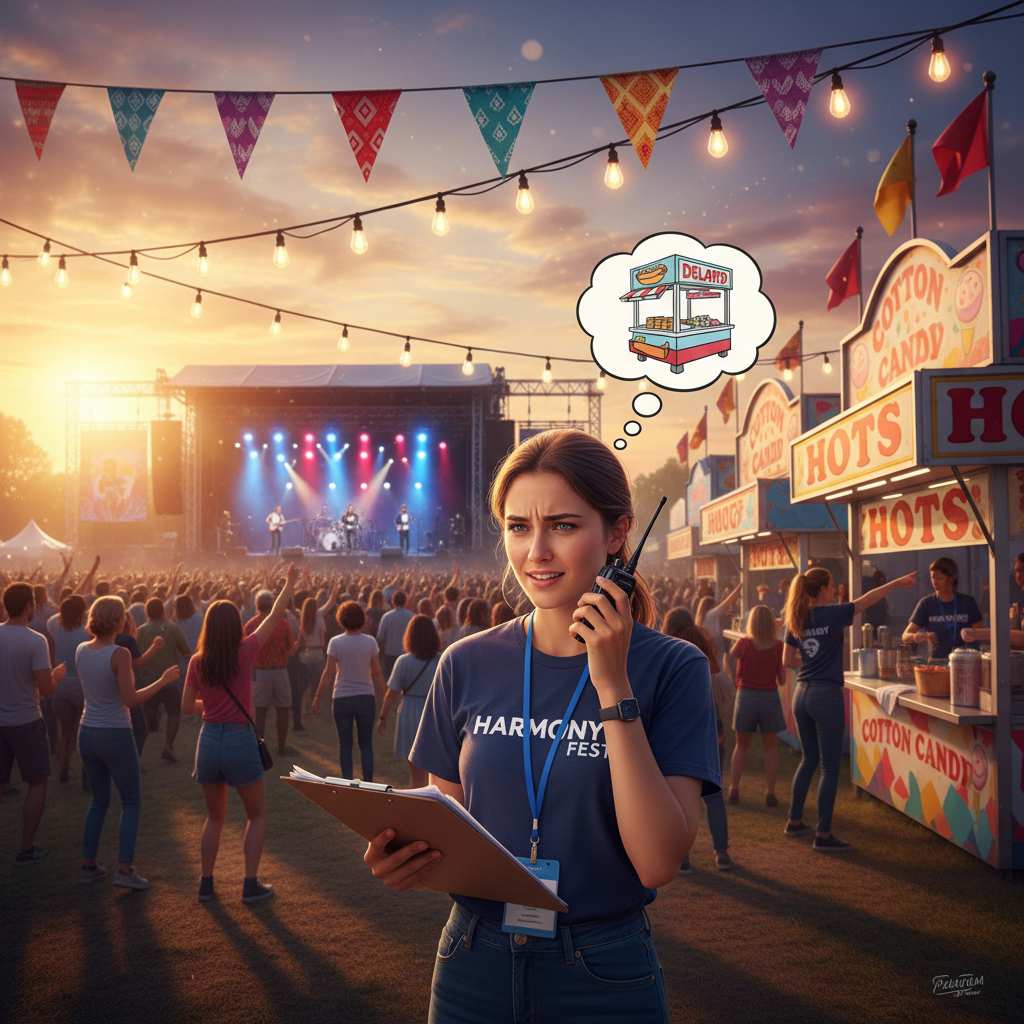
The responsibilities of concert and fair assistants are centered around the seamless execution of events. They manage logistics, communication, and operational tasks, ensuring coordination among event organizers, vendors, and attendees. Key activities include overseeing event setup and teardown, liaising with caterers and technical staff, and managing budgets. The multi-faceted nature of this role means that assistants often serve as critical links between different stakeholders, requiring them to convey information clearly and build trust quickly, especially under pressure.
While a high school diploma is the minimum requirement, a degree or certification in event management can enhance employment prospects. Responsibilities also encompass documentation through photography and social media engagement, which aids in event marketing. A proactive approach to delegation and preparation for unexpected occurrences is crucial in this fast-paced environment.
Communication and Teamwork
Successful event execution significantly relies on effective communication and teamwork. Clear messaging among all parties, including event teams and vendors, ensures alignment and smooth operations throughout the planning process. Tools like email serve well for pre- and post-event coordination, while on-site interactions require faster communication methods to promptly address issues as they arise.
Teamwork is critical, as event staff must collaborate and manage conflicts that might emerge from differing perspectives on shared goals. Addressing these conflicts constructively helps maintain morale and productivity. Well-defined communication strategies also mitigate oversights and foster collaboration. Preparing by developing protocols for emergency situations equips teams to handle obstacles efficiently, preserving team unity even under stress.
Challenges and Problem-Solving
Event management comes with inherent complexities that present several challenges requiring thorough preparation. Various issues, from logistical hurdles to staff-related problems, can disrupt events, emphasizing the need for contingency planning, such as securing alternate venues for outdoor events at risk of inclement weather.
Assistants play a pivotal role in overcoming these challenges, utilizing strong communication skills to coordinate with vendors and manage logistics effectively. Their ability to adapt swiftly to changing situations and resolve conflicts contributes to minimizing the impact of unforeseen issues. Establishing clear plans and procedures for emergencies further bolsters the team’s readiness to navigate challenges and continuously improve through post-event evaluations.
Position within Event Staff Hierarchy
The concert and fair assistant holds a vital position in the event staff hierarchy, supporting coordinators and managers in logistical tasks. Generally working under the guidance of event coordinators, assistants facilitate communication between teams and vendors while ensuring all elements align with event objectives.
This role involves varying responsibilities depending on event types, from managing guest services to overseeing equipment checks. Their adaptability and comprehensive understanding of event goals are essential for maintaining a positive organizational image and enhancing overall event execution.
Impact and Significance
Concert and fair assistants are integral to the successful execution of events, influencing attendee experiences greatly. Their capacity to manage logistics and maintain communication among clients, vendors, and the team is crucial for event success, minimizing the risk of disruptions due to unexpected issues like adverse weather.
Additionally, by adhering to safety protocols and fostering a welcoming atmosphere, these assistants enhance the overall event experience. Their problem-solving skills, particularly in resolving conflicts and adapting to changing needs, contribute to maintaining team focus and ensuring a seamless event flow.
Tools and Resources
Event assistants utilize various tools and technologies to fulfill their responsibilities effectively. Proficiency in event management software and effective communication tools is essential for managing budgets and schedules efficiently. Having access to training materials and user manuals supports their understanding of these technologies and streamlines their workload.
Delegating tasks and organizing responsibilities through specific tools also contributes to smooth event execution. Staying abreast of emerging technologies like in-ear monitoring systems can further enhance their operational capabilities in live event settings.
Future Trends
The evolving role of concert and fair assistants is influenced by dynamic expectations around safety and communication within the events industry. Adapting communication methods to favor immediate, real-time interactions helps improve event management agility in addressing real-time needs.
As safety concerns rise, assistants must be prepared to manage risks effectively, emphasizing knowledge of safety protocols. Building relationships with vendors and stakeholders will continue to be essential in ensuring if successful outcomes while maintaining the role’s core dynamic nature focused on engaging with diverse individuals and tasks for impactful event execution.
The content is provided by Blake Sterling, Direct Bulletins