Highlights
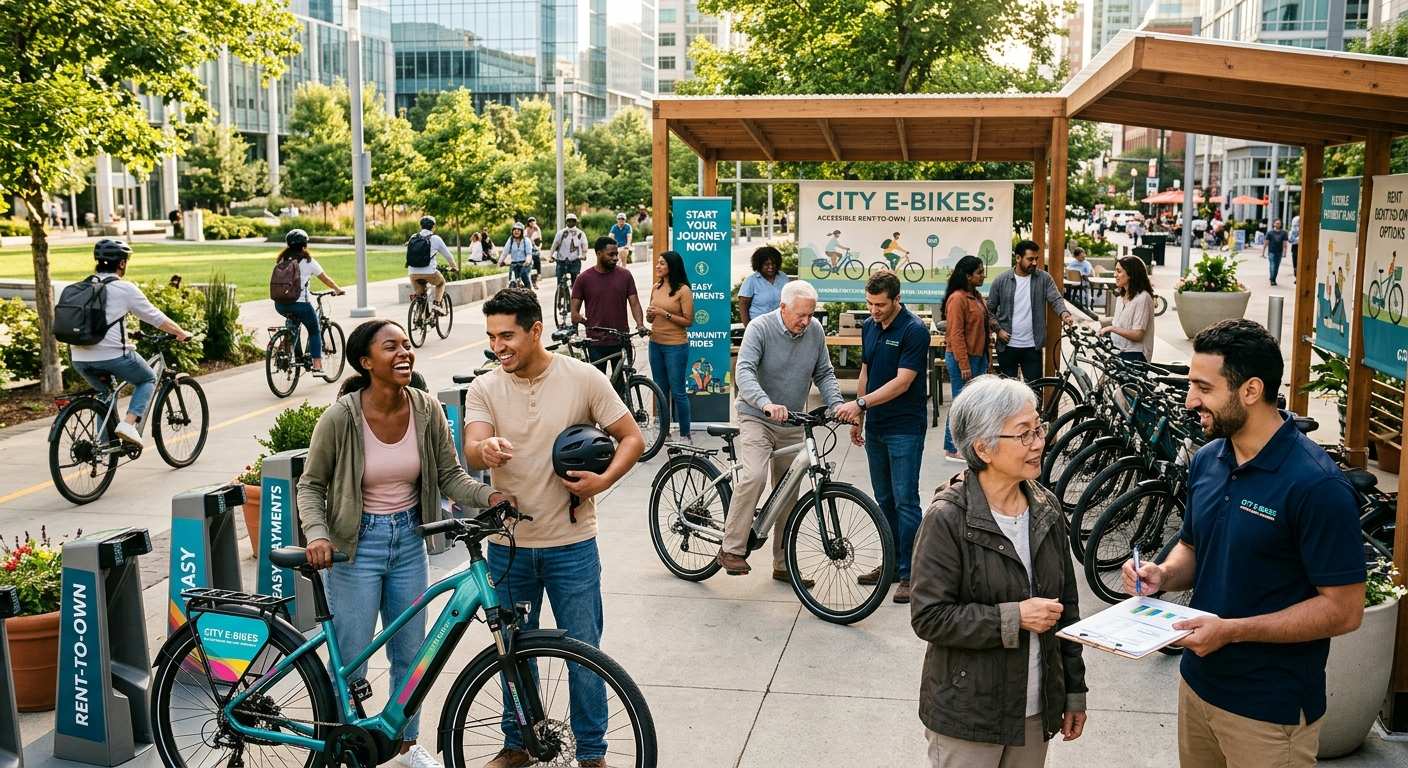
- Rent-to-own e-bikes lower financial barriers, making sustainable transportation accessible to many.
- Flexible payment options enable riders to test e-bikes while paving the way to ownership.
Summary
Rent-to-own e-bikes present a flexible solution for acquiring electric bicycles, enabling riders to manage monthly payments towards eventual ownership. This approach reduces the financial barriers associated with high upfront costs, increasing accessibility for urban commuters, students, seniors, and low-income individuals. By facilitating affordable access to electric-assist technology, rent-to-own programs contribute to more sustainable transportation and support shifts away from traditional car reliance.
Benefits and Flexibility for Riders
The primary advantage of rent-to-own e-bikes is the reduced financial risk compared to outright purchases. Riders can avoid large initial investments while benefiting from maintenance services included during the rental period. This model provides flexibility in payment options tailored to individual needs, allowing users to gradually acquire ownership without overwhelming financial commitments. Importantly, if riders choose not to proceed with ownership, they can typically return the bike without further obligations, enhancing consumer protection against long-term debt.
Types of Rent-to-Own Programs
Rent-to-own e-bike programs encompass various structures that cater to diverse rider needs. Commonly, they function as a bridge between renting and purchasing, where monthly payments gradually transfer ownership. Models such as subscription-style plans may include services like insurance and maintenance, appealing to users desiring flexibility. Transparency in costs is critical; consumers should ensure detailed breakdowns of taxes and fees are available to avoid unexpected expenses. Clear return policies and early purchase options further differentiate these agreements from conventional leasing arrangements, promoting eventual ownership while minimizing financial barriers.
Consumer Protections and Potential Risks
While rent-to-own agreements offer distinct consumer protections—enabling riders to end the contract without accruing long-term debt—potential risks still exist. Consumers may encounter additional fees or unclear total costs that can inflate overall expenses. Moreover, insurance policies may exclude incidents like battery fires or normal wear and tear, thus necessitating careful selection of coverage. Thoroughly reviewing all terms, including maintenance obligations and insurance protections, is crucial for avoiding unforeseen costs and ensuring a satisfactory rental experience.
Market Trends and Future Prospects
The e-bike market is poised for growth fueled by affordability improvements, government incentives, and innovations like rent-to-own models. These programs not only ease upfront financial burdens but also cater to users seeking flexible ownership solutions. As market forecasts predict substantial increases in e-bike purchases, initiatives targeting equitable access, particularly for underserved communities, will likely play a pivotal role in expanding adoption. Continuous adaptations in financing options and service models are expected to enhance customer satisfaction and promote more sustainable urban transportation choices.
The content is provided by Blake Sterling, Direct Bulletins