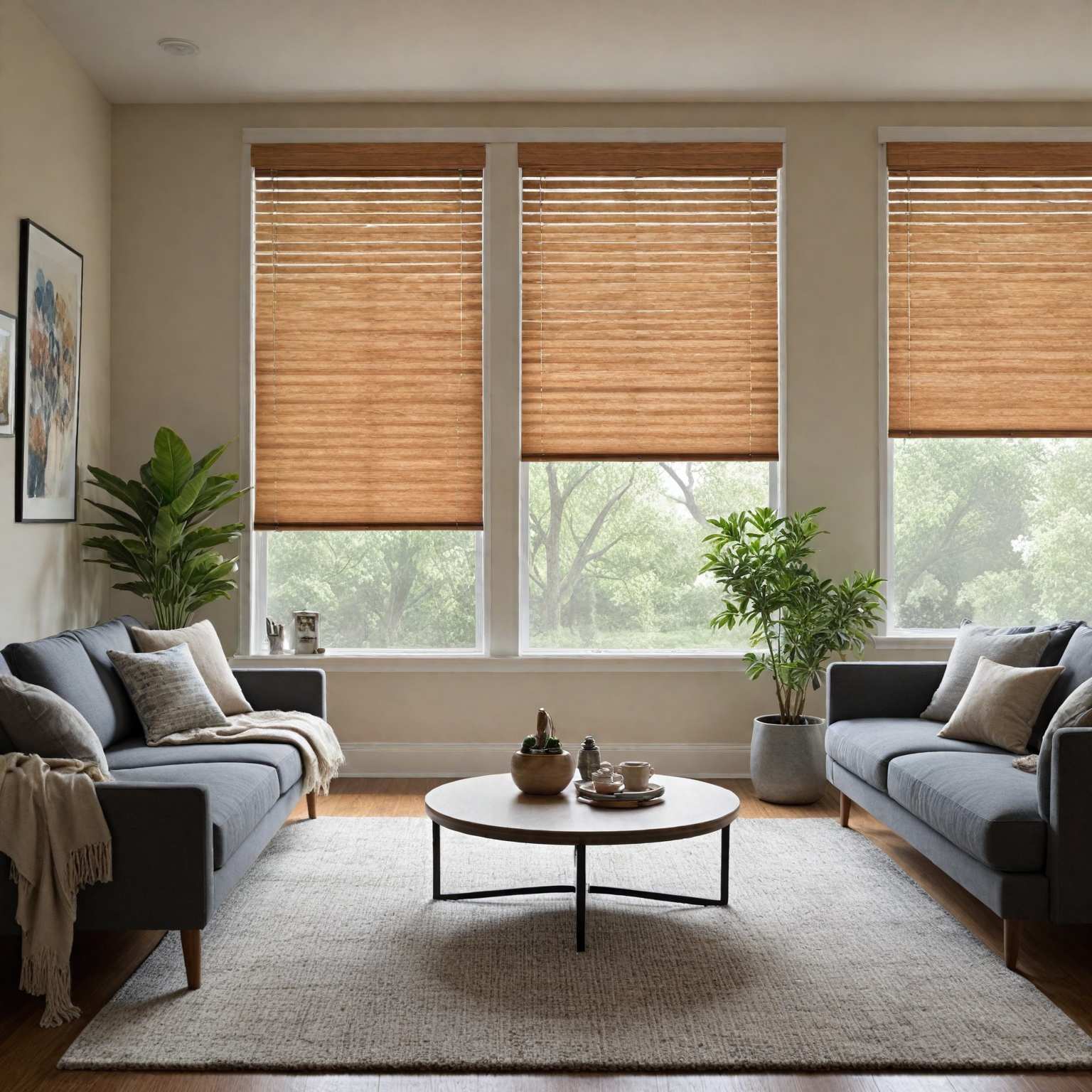
Highlights
- Cordless blinds enhance safety and aesthetics while integrating smoothly with smart home technology.
- Embrace the shift to cordless solutions for a clutter-free, stylish, and energy-efficient home.
Summary
Unlocking the Benefits of Cordless Blinds: Transform Your Space in 2025 explores the growing prominence and advantages of cordless window treatments as a modern solution that combines safety, aesthetics, and smart technology integration. Cordless blinds have gained widespread adoption primarily due to their enhanced safety profile, addressing longstanding concerns over strangulation hazards posed by traditional corded blinds, especially for children and pets. Regulatory standards such as the ANSI/WCMA A100.1-2018 and its 2022 revision mandate cordless or inaccessible cords for nearly all window coverings sold in the United States and Canada, driving a market shift toward safer, cord-free designs.
Beyond safety, cordless blinds offer a sleek, minimalist appearance that complements diverse interior styles while providing practical benefits like ease of use and reduced clutter. Advances in smart home technology have further propelled cordless blinds into the forefront of home automation, with 2025 models featuring compatibility with major smart home ecosystems and protocols such as Matter, Zigbee, and Z-Wave. These smart cordless blinds use environmental sensors and automated controls to optimize light management, privacy, and energy efficiency, resulting in potential HVAC energy savings of up to 25%.
The industry-wide transition to cordless blinds has also spurred innovations in design and customization, with a broad array of styles—ranging from Roman and woven wood shades to cellular and roller blinds—now available in cordless formats. Certification programs like WCMA’s “Best for Kids” provide consumers with assurance regarding product safety and quality, reflecting the collective effort among manufacturers, regulators, and safety advocates to prioritize household wellbeing. While cordless blinds may involve higher upfront costs, their safety, aesthetic appeal, and integration with smart technology make them an increasingly compelling choice for modern homes.
Despite broad support, the shift to cordless blinds has prompted debates concerning cost accessibility and the pace of regulatory enforcement. Some consumers express concerns about the relative expense and limited selection compared to traditional corded blinds, while industry stakeholders emphasize the critical importance of compliance to prevent accidents and recalls. Overall, cordless blinds represent a transformative evolution in window treatments, redefining standards for safety, convenience, and smart living in 2025 and beyond.
Overview
Cordless blinds have emerged as a significant innovation in window treatments, designed primarily to enhance safety and functionality within homes. Developed in response to the potential strangulation hazards posed by traditional corded blinds—particularly to young children and pets—cordless blinds offer a safer alternative by eliminating exposed cords or minimizing cord length to eight inches or less, as mandated by updated safety standards such as ANSI/WCMA A100-2018. These standards reflect a collaborative effort among the Window Covering Manufacturers Association (WCMA), industry stakeholders, safety advocates, and the U.S. Consumer Product Safety Commission (CPSC), aiming to reduce accidents and promote safer household environments.
Beyond safety, cordless blinds incorporate advanced engineering principles that facilitate precise light control and privacy management without the complexity of dangling cords. They can be manually operated or integrated into smart home ecosystems, where smart cordless blinds offer enhanced automation and responsiveness. These smart systems can react to environmental sensors monitoring light, temperature, and weather conditions, enabling seamless adjustments that improve energy efficiency and user comfort. Unlike manual blinds, smart blinds provide continuous environmental adaptation and deeper integration with home automation routines, such as synchronizing with lighting scenes for an optimized living experience.
Certifications like WCMA’s “Certified Best for Kids” program further assure consumers of the safety and suitability of specific cordless blind products, providing a reliable benchmark for families and pet owners seeking secure window coverings. As cordless blinds gain popularity, they are reshaping both consumer expectations and industry standards, emphasizing the importance of safety, convenience, and technological integration in modern window treatments.
Benefits
Cordless blinds offer a range of significant benefits that make them an increasingly popular choice for modern homes. Foremost among these is enhanced safety. By eliminating dangling cords, cordless blinds reduce the risk of strangulation injuries, particularly for children and pets. The U.S. Consumer Product Safety Commission and Health Canada have highlighted these dangers, leading to regulations that require window coverings to be cordless or have non-hazardous cords to protect vulnerable household members. Many cordless blinds also incorporate additional safety features, such as being enclosed behind extra layers of safety glass, further minimizing potential hazards.
Beyond safety, cordless blinds contribute to a sleek and clutter-free aesthetic. Without unsightly cords hanging, these blinds blend seamlessly into any décor, from minimalist to traditional styles, enhancing the elegance and visual appeal of interior spaces. This clean design is complemented by the versatility of cordless window treatments, which are available in a wide variety of materials and styles, including cellular shades, wooden and composite blinds, roller shades, and Roman shades, allowing homeowners to find options that suit their aesthetic preferences and functional needs.
Cordless blinds also offer practical advantages in terms of ease of use and convenience. Many models feature smooth, manual lift systems or push-button operations, enabling effortless adjustment without the complications of tangled cords. Additionally, the integration of smart technology has further enhanced their functionality. Automated and motorized cordless blinds can be controlled via smartphone apps, voice commands, remote controls, or preset schedules, offering homeowners precise light control, improved energy efficiency, and increased security through simulated occupancy patterns. Smart blinds also support environmental sensors, such as sun, wind, and rain detectors, enabling them to respond automatically to changing conditions and optimize energy savings.
While cordless blinds sometimes come with a higher initial cost compared to traditional corded models, the investment is often justified by their superior safety features, aesthetic benefits, and advanced technological capabilities. As cordless options become the standard in the window treatment market, their availability and affordability continue to improve, making them an accessible choice for most modern homes. Taken together, these benefits make cordless blinds a compelling upgrade for those seeking to transform their living spaces with stylish, safe, and smart window solutions.
Types and Designs
Cordless blinds come in a variety of types and designs, each offering unique aesthetic and functional benefits suited to different interior styles. Among the most popular are Roman shades, woven wood shades, cellular blinds, Venetian blinds, and roller blinds.
Roman shades, one of the oldest window-treatment designs, remain a perennial favorite due to their classic, tailored appearance. They often feature natural shades made from materials like wood, jute, bamboo, grasses, and rattan, which add a natural beauty and unique texture to any space. These shades pair well with natural drapery and earthtone or neutral fabrics, making them ideal for minimalist or modern living rooms. Cordless Roman shades typically have cords integrated discreetly within or behind the fabric for a clean look and safer environment.
Woven wood shades, sometimes customizable with linings for enhanced light control, are crafted from exclusive woods and wood alternatives responsibly sourced worldwide. These shades offer a rich variety of finishes and can be paired with unique hardware choices, ranging from steel to lucite, to complement diverse home décor styles. Cordless versions of woven wood shades incorporate mechanisms hidden within the top rail, allowing easy, tension-based operation without visible cords.
Cellular blinds, also known as honeycomb blinds, feature a pleated, linear design that blends well with multiple aesthetic styles, from traditional to modern. Known for their energy efficiency and insulating properties, cellular blinds come in single- and double-cell designs and offer various control options, including continuous loop, cordless, and tension devices in the headrail. Cordless cellular blinds use a tension mechanism to hold the shade in place, providing smooth and easy operation without exposed cords.
Venetian blinds are versatile in materials, available in wood, faux wood, plastic, and aluminum, allowing them to fit seamlessly with numerous home aesthetics such as modern, industrial, or farmhouse styles. Their horizontal slats can be adjusted to control light and privacy, and cordless versions maintain this functionality with hidden spring or tension mechanisms.
Cordless roller blinds offer a sleek, minimalist design that filters light elegantly while preserving a clean appearance. They operate by pulling the bottom rail to raise or lower the fabric, which rolls around a tube concealed in the headrail. This design emphasizes simplicity and ease of use, making roller blinds a practical choice for modern spaces.
Additionally, cordless sheers blend traditional and modern elements by covering the slats with sheer fabric overlays, providing softness and diffused light while maintaining the functionality of traditional blinds. Faux wood blinds mimic real wood’s appearance and are typically available with a standard cordless lift system, allowing effortless adjustment through the bottom bar.
Installation and Maintenance
Installing cordless blinds often requires professional assistance due to their complex mechanisms and motorized options, which can be more intricate compared to traditional corded blinds. While cordless blinds provide a sleek and safe alternative, especially in homes with children, their installation demands precision to ensure smooth operation and longevity.
Maintenance of cordless blinds involves regular cleaning to preserve their appearance and functionality. A gentle approach such as wiping with a clean, damp rag followed by drying is recommended. Additionally, using a vacuum with a brush attachment can effectively remove dust without damaging the blinds. It is crucial to promptly repair or replace any damaged slats or components to prevent further deterioration.
For older corded blinds, which may pose safety hazards if cords are accessible, retrofitting solutions such as cleats or tension devices can be employed to enhance safety. However, replacing corded blinds with cordless alternatives is often advised to comply with stricter safety regulations implemented across the industry.
The adoption of cordless blinds also aligns with new safety standards established by organizations such as the Window Covering Manufacturers Association (WCMA) and enforced by regulations in the United States and Canada. These standards have largely eliminated previous exemptions, including those for custom orders, emphasizing the importance of cordless or motorized products certified as “Best for Kids” to ensure safety in residential environments.
Smart Technology Integration in 2025
Smart cordless blinds in 2025 leverage advanced connectivity standards and protocols to offer seamless integration, enhanced responsiveness, and improved home automation experiences. Central to this integration is the adoption of emerging industry standards such as Matter, which ensure broad interoperability across various smart home ecosystems, including Apple Home, Google Home, Samsung SmartThings, and Home Assistant. This enables users to control their blinds effortlessly via voice assistants like Amazon Alexa, Google Assistant, and Siri, as well as through smartphone apps.
Connectivity protocols play a crucial role in enabling these functionalities. Wired protocols like X10 and UPB provide reliable communication over existing home wiring but tend to be slower and less secure. Wireless protocols, including Zigbee, Z-Wave, Wi-Fi, Bluetooth Low Energy (BLE), Thread, and Matter, offer faster, more versatile options with better device compatibility and easier installation. Zigbee, in particular, remains popular for its low power consumption, extensive mesh networking capabilities, and broad product support from brands like Aqara and Philips Hue.
Smart cordless blinds integrate various sensor inputs—such as light, temperature, sun, wind, and rain sensors—to enable intelligent automation. These sensors allow the blinds to respond dynamically to environmental conditions and homeowner behaviors, optimizing comfort, privacy, and energy efficiency without manual intervention. For example, the blinds can adjust automatically based on sunlight intensity or the presence of occupants detected via smartphone location data, refining schedules and energy management over time.
The enhanced automation capabilities also reduce reliance on proprietary hubs or bridges. Many Matter-compatible blinds minimize hub dependency while maintaining smooth interoperability within a connected home network. Users can select motorized blinds with various control options—including battery-operated remotes for individual or grouped blinds, Zigbee, Z-Wave, or Matter-enabled motors—to tailor their smart home setups to their needs and preferences.
Beyond convenience, properly integrated smart cordless blinds contribute to significant energy savings. By coordinating with HVAC systems and optimizing solar heat management, these systems can reduce heating and cooling costs by 10–25%, demonstrating how smart technology integration advances both lifestyle and sustainability goals.
Safety Regulations and Standards
In recent years, safety regulations and standards surrounding window coverings, particularly blinds, have undergone significant changes to address the risks posed by accessible cords, especially to young children. Both the United States and Canada have implemented stringent requirements aimed at eliminating the dangers associated with corded window treatments.
The Window Covering Manufacturers Association (WCMA) introduced the “Best for Kids” certification program in 2015 to help consumers easily identify cordless window coverings that meet rigorous safety criteria. Products bearing this certification have been third-party tested to ensure they are cordless or have cords that are inaccessible, thereby minimizing strangulation hazards. In alignment with this, Health Canada and the U.S. Consumer Product Safety Commission (CPSC) have driven regulatory changes mandating that most window coverings sold in these countries must be cordless or have short, non-hazardous cords.
In the United States, the voluntary safety standard ANSI/WCMA A100.1-2018 was approved to require that over 80 percent of stock window coverings sold be cordless or have inaccessible cords. This standard is projected to result in over 90 percent of window coverings complying with these safety measures once fully adopted. Although termed “voluntary,” compliance is strongly enforced by the CPSC, and non-compliance may result in legal action, fines, or recalls. The updated 2022 revision, ANSI/WCMA A100.1-2022, further eliminates free-hanging cords on made-to-order custom window coverings, effectively closing previous exemptions and extending safety requirements to all product categories. The compliance deadline for manufacturers and sellers in the U.S. is June 1, 2024.
Similarly, Canadian regulations under the Canada Consumer Product Safety Act require all window coverings, including custom orders, to meet strict safety standards that virtually eliminate the use of accessible cords. Non-compliant products are blocked at the border, and businesses installing unsafe products risk liability claims and enforcement actions. Retailers and manufacturers in Canada must adapt their product lines to comply with these rules, ensuring that window coverings are cordless or feature inaccessible cords to prevent accidental strangulation incidents.
Industry-wide government regulations have effectively removed corded blinds and shades from the market in the U.S., with major retailers such as The Home Depot required to comply with these standards. For households still using older corded window coverings, the CPSC and safety organizations strongly recommend replacing them with cordless alternatives to protect children and pets.
Comparison with Traditional Corded Blinds
When choosing window treatments, one of the primary considerations is safety. Cordless blinds offer a significant safety advantage over traditional corded blinds, especially in homes with children and pets. The elimination of dangling cords removes the strangulation hazards commonly associated with corded window coverings, making cordless options the safer choice as emphasized by the U.S. Consumer Product Safety Commission. This safety concern has prompted regulatory actions in regions such as Canada, where new window coverings are required to be cordless or feature short, non-hazardous cords to minimize risks. These regulations, driven by Health Canada, are among the most protective worldwide and aim to prevent tragic accidents caused by reachable cords.
Beyond safety, cordless blinds offer practical and aesthetic benefits. They come in a variety of styles and materials, allowing homeowners to find designs that match their décor without compromising on safety. For instance, cordless blinds are available in different finishes and fabrics, giving consumers options comparable to traditional blinds but with the added benefit of a sleek, cord-free appearance. This modern design appeal aligns well with minimalist and contemporary interiors, often preferred in current home trends.
However, these advantages come with some trade-offs. Cordless blinds generally carry a higher price tag than their corded counterparts, reflecting their enhanced safety features and design innovations. Additionally, while the selection of cordless blinds continues to grow, it may still be somewhat more limited compared to the extensive variety available in traditional corded models.
From a regulatory and market perspective, compliance with safety standards such as ANSI/WCMA A100.1 in the U.S. and SOR/2019-97 in Canada is increasingly important. Products meeting these standards bear certification labels, which serve as reliable indicators of safety and quality. Manufacturers and retailers face significant consequences, including fines and product recalls, for non-compliance, further encouraging
Market Trends and Innovations in 2025
The window treatment industry is undergoing significant transformation as cordless blinds and smart home integration become increasingly prevalent. By 2025, the market for electric and cordless blinds is expected to expand substantially, driven by consumer demand for safety, convenience, and advanced automation.
One major innovation is the rise of smart blinds that respond to environmental sensors such as light and temperature. These network-connected systems offer automated functionality, allowing users to program blinds to open or close based on real-time conditions. This level of integration represents a shift from simple motorized setups to fully intelligent home systems that enhance comfort and energy efficiency.
Safety has also become a central focus in recent market developments. The implementation of the ANSI/WCMA A100.1-2022 standard, which came into effect in June 2024, mandates the use of tension or safety devices to prevent hazardous loops in window coverings. This regulation has led to the phasing out of corded products in favor of cordless or compliant designs, with retailers across the United States enforcing these requirements to protect children and pets.
Design innovation continues alongside safety and technology improvements. Cordless blinds are now available in a wide array of materials, finishes, and styles, including wood grains, metal, and natural shades crafted from sustainable materials like bamboo and rattan. Customizable options such as unique hardware and trims enable homeowners to tailor cordless treatments to fit diverse interior aesthetics, from modern farmhouse to industrial or minimalist designs.
Moreover, consumers are encouraged to consider smart home compatibility when selecting automated window treatments. Ensuring that devices operate on a consistent protocol or support cross-compatibility is critical for achieving a seamless and responsive smart home experience. This approach reduces wasted expenditure and enhances user satisfaction by simplifying control and integration.
Despite the premium cost often associated with cordless and motorized blinds, growing awareness of their benefits—such as improved safety, convenience, and energy savings—is prompting more homeowners to adopt these solutions. The trend towards making cordless window treatments a standard option reflects the industry’s commitment to combining style, function, and security in modern living spaces.
Environmental Impact
Smart cordless blinds contribute significantly to energy efficiency and environmental sustainability by optimizing indoor climate control through advanced automation and integration with smart home systems. Equipped with strategically placed light and temperature sensors, these blinds accurately monitor environmental conditions to adjust their positions automatically, reducing reliance on heating, ventilation, and air conditioning (HVAC) systems. This automation can lower HVAC energy consumption by 10–25%, leading to reduced utility costs and a smaller carbon footprint.
During periods of peak energy demand, smart blinds can close to decrease cooling loads, helping homeowners qualify for utility rebate programs while contributing to grid stability. Moreover, the ability of these systems to simulate occupancy by adjusting blinds when homeowners are away enhances security and maintains energy savings continuously. By analyzing historical energy usage and environmental data, smart blinds refine their schedules over time, ensuring maximum comfort and efficiency without requiring manual intervention.
Integration with broader smart home ecosystems through standards such as Matter enables cordless blinds to participate in coordinated routines and scenes—such as dimming lights and lowering blinds simultaneously during a “Movie Night”—further optimizing energy use and enhancing the overall living environment. This connectivity supports intelligent responses based on real-time data, including smartphone location, to minimize unnecessary energy consumption.
In addition to their energy-saving advantages, cordless blinds improve environmental safety by eliminating hazardous cords that have posed risks to children and pets. Compliance with new safety standards in the U.S. and Canada ensures that most window coverings sold are cordless or have inaccessible cords, preventing accidental strangulation and reducing the need for frequent product replacements due to safety recalls or enforcement actions. This shift not only promotes safer homes but also supports sustainability by encouraging longer-lasting, safer products in the market.
Consumer Reviews and Feedback
Consumer feedback on cordless blinds highlights a mix of appreciation for their modern design and safety benefits alongside some concerns regarding options and cost. Many users praise the sleek, cord-free design that enhances the aesthetic appeal of their homes while providing child-safe features that eliminate dangling cords and reduce strangulation risks, a significant concern for households with children and pets. This safety advantage has been a key factor driving the growing popularity of cordless blinds, as reflected in increased market availability and industry standards moving toward cordless options as a basic standard rather than an optional upgrade.
However, some consumers note that cordless blinds often come with a higher price tag compared to traditional corded models, which can be a deciding factor for budget-conscious buyers. Additionally, there are occasional reservations about the variety of design options available, with some feeling that the selection, while sufficient for most modern homes, is somewhat more limited than that of corded alternatives.
Smart cordless blinds have received positive reviews for their convenience and accessibility, especially among users with mobility challenges or those managing multiple windows. The ability to control these blinds via remote, apps, or voice commands adds a layer of modern functionality that resonates well with tech-savvy consumers. Nevertheless, compatibility concerns are frequently mentioned; consumers are advised to ensure that smart blinds support a consistent protocol or cross-compatibility to avoid wasted time and expense.
Future Prospects and Developments
The future of cordless blinds in the United States is shaped by both technological advancements and evolving safety regulations. By 2025, the market is expected to be dominated by motorized, smart, and cordless window treatments that not only enhance convenience but also prioritize child and pet safety. The transition from corded to cordless blinds is no longer optional; it has become a regulatory requirement. The updated ANSI/WCMA A100-2018 safety standard mandates that all window coverings sold or manufactured after June 1, 2024, must be cordless or have cords that are either inaccessible or shorter than eight inches, significantly reducing the risk of strangulation accidents involving young children.
Technological innovation continues to propel the industry forward. Smart home compatibility is becoming a key consideration for consumers, with wireless protocols such as Z-wave gaining popularity for their low power consumption, reasonable cost, and ability to integrate multiple smart devices into a cohesive system. This seamless integration allows homeowners to customize and expand their automated window treatment systems over time, ensuring adaptability to future technological developments.
Industry collaboration among manufacturers, safety organizations, and regulatory bodies has been instrumental in developing and enforcing these standards. The voluntary nature of the ANSI safety standard reflects a cooperative effort to prioritize safety without hindering innovation. As older, corded window coverings are replaced with cordless options, experts anticipate a significant reduction in child-related injuries. Consumers are encouraged to seek out products certified under labels such as “Best for Kids” to ensure compliance and safety.
The content is provided by Avery Redwood, Direct Bulletins