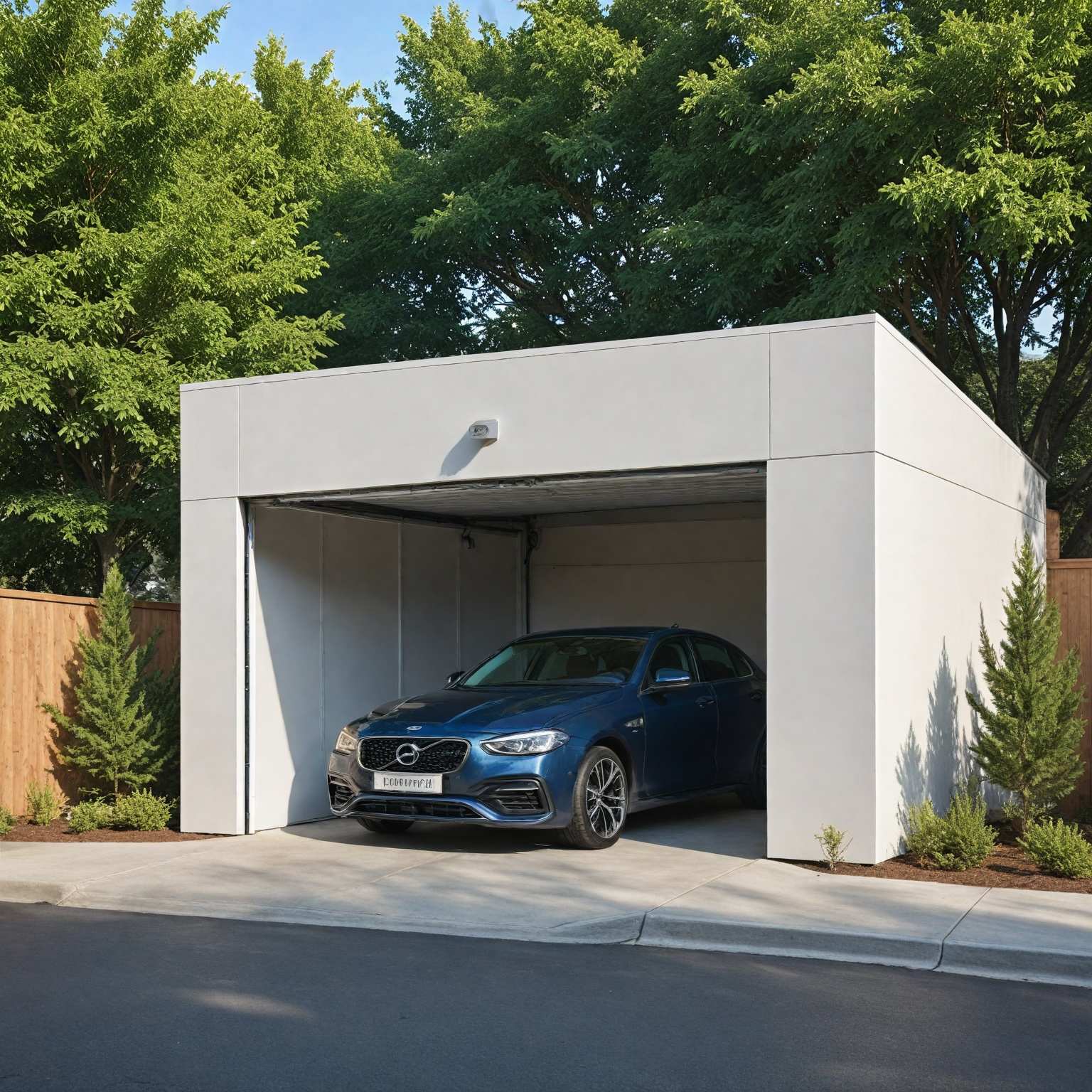
Highlights
- Foldable car garages offer space-efficient and portable solutions for modern urban living.
- Their customizable and eco-friendly features cater to the growing demand for sustainable storage options.
Summary
Foldable car garages represent a growing innovation in vehicle storage solutions that prioritize space efficiency, portability, and cost-effectiveness. Unlike traditional fixed garages, these structures feature collapsible frames and durable fabric coverings that can be compactly folded and stored when not in use, making them particularly suitable for homeowners with limited space or temporary shelter needs. Their design flexibility and ease of assembly have made them an attractive option in both residential and commercial markets, addressing modern demands for versatile and secure vehicle protection.
Notable for combining practical benefits with emerging technological advancements, foldable garages incorporate weather-resistant materials, integrated security features, and customizable aesthetics. Advances such as multi-delta stabilizing systems and corrosion-resistant coatings enhance their durability against extreme weather conditions, including wind, snow, and hail. Furthermore, the use of eco-friendly materials and modular designs aligns these products with growing sustainability trends in construction, appealing to environmentally conscious consumers.
The market for foldable car garages is expanding rapidly, especially in regions like Asia-Pacific, North America, and Europe, driven by increasing urbanization and space constraints. However, challenges remain, including regulatory compliance issues, concerns about long-term structural robustness, and consumer perceptions regarding durability and security compared to permanent garages. These factors underscore the importance of careful product selection and maintenance to maximize performance and safety.
Despite these challenges, foldable car garages continue to gain popularity as practical, adaptable solutions that respond to the evolving needs of urban living and mobile lifestyles. Their combination of portability, cost savings, and customizable features positions them as a notable alternative in the broader landscape of vehicle shelter options for 2025 and beyond.
Overview
Foldable car garages offer an innovative and practical solution for vehicle storage, combining convenience, space-saving design, and cost-effectiveness. Unlike traditional permanent garages, foldable models can be compactly stored when not in use, making them ideal for homeowners with limited space or those seeking flexible options. These garages often feature multiple foldable joints in their body frame, allowing them to collapse into a very compact size for easy storage and transport. In addition to their space efficiency, foldable car garages frequently include integrated security features, enhancing the safety of the vehicle stored within. Their customizable designs allow owners to match the garage’s appearance with personal preferences or home aesthetics, blending functionality with style. Moreover, because foldable garages typically require less material and labor than permanent structures, they represent a more cost-effective alternative for vehicle protection. To ensure longevity and maintain safety, it is important to regularly inspect anchor fittings and clear roof snow during extreme weather conditions. Proper maintenance extends the product’s lifespan and preserves its structural integrity. Overall, foldable car garages provide a versatile and practical option for vehicle storage, aligning with modern homeowners’ needs for efficient and secure space utilization.
Benefits and Advantages
Foldable car garages offer a range of benefits and advantages that make them appealing for both residential and commercial use. One of the most significant advantages is their space-saving design, which provides flexibility in placement and easy relocation as needed. Portability is a key feature of many foldable garage models, allowing users to move the structure without permanent installation constraints, which is ideal for temporary or changing needs. From an economic perspective, foldable garages can be a cost-effective alternative to traditional garages or carports. While some eco-friendly garage constructions may involve higher upfront investments, they often result in long-term savings through reduced energy and water usage, especially when incorporating ENERGY STAR-approved products and green construction materials like recycled steel and energy-efficient insulation. Additionally, the durability of foldable garages compared to simpler carports offers added value; sturdier detached garages allow for possible expansions, such as building residential quarters adjacent or atop the structure, providing multifunctional space that enhances property utility. For consumers, especially in the US market, portable garages and shelters are readily available from suppliers like Harbor Freight Tools, who cater primarily to individual buyers. In contrast, business-to-business buyers seeking larger quantities, custom specifications, or commercial-grade options are better served through industrial manufacturers or specialized suppliers. When evaluating cost-efficiency, it is important to consider bulk pricing, shipping expenses, installation complexity, and ongoing maintenance needs to ensure the best value. Quality assurance, including certifications such as CE and CWB, also plays a critical role in selecting reliable products that meet safety and environmental standards. Environmentally conscious homeowners recognize that incorporating eco-friendly features into garage construction not only reduces environmental impact but also increases property value. A greener garage, designed with sustainable methods and materials, appeals to modern buyers who prioritize energy efficiency and sustainability. Studies show that green building designs can save up to 30% or more on energy costs, reinforcing the financial and ecological benefits of investing in environmentally sound garage solutions.
Materials and Construction
Foldable car garages typically feature a collapsible metal frame covered with durable fabric, designed for easy setup and takedown, making them ideal for temporary or semi-permanent vehicle shelter solutions. The frames are most commonly constructed from galvanized steel or aluminum, materials chosen for their strength, corrosion resistance, and relatively light weight. For instance, galvanized steel pipes with powder coating, such as 25mm by 1.2mm tubing, are widely used to enhance durability and protect against rusting, even under severe weather conditions like hailstorms. Some models also incorporate steel cables and reinforced support rods to improve structural stability and resist tilting or collapse during strong winds or heavy snow loads. The roofing structure often employs galvanized steel sheets, sometimes 0.5mm thick, combined with a sturdy triangular frame and reinforced crossbars. This design ensures the roof can withstand wind speeds up to 100 MPH and snow loads of 35 PSF, providing reliable protection for various vehicles, including cars, trucks, and recreational equipment. Additionally, heavy-duty foldable garages incorporate powder-coated steel columns with thickened bases and additional ground piles to prevent cracking, corrosion, and enhance overall stability. Fabric materials play a crucial role in weather protection and durability. Waterproof polyester fabrics, such as 600D Oxford or 600D polyester with seal tape, are preferred for their water resistance, UV protection, and ability to shield vehicles from sunlight, dust, scratches, and other environmental hazards. These fabrics not only provide effective rainproof and sun-blocking functions but also contribute to lowering ambient temperatures within the shelter. The fabric coverings are often available in customizable colors and can be printed with logos for commercial or promotional purposes. Beyond metal and fabric, some foldable garage designs explore alternative materials to balance environmental impact and performance. Mass timber construction using mechanically bonded softwoods offers a renewable, eco-friendly alternative to steel and concrete, reducing emissions and waste while enabling faster assembly. Steel remains one of the most recycled metals in the U.S., allowing manufacturers to repeatedly reuse it without compromising strength or quality, thus aligning foldable garage construction with sustainable building practices.
Design Features and Technologies
Foldable car garages incorporate a range of innovative design features and advanced technologies that enhance their functionality, durability, and user convenience. Central to their appeal is the use of high-quality materials such as heavy-duty steel frames and weather-resistant fabrics, including polyethylene or polyester with protective coatings. These materials provide robust protection against various environmental elements, including sun, hail, rain, wind, snow, and extreme temperatures, ensuring reliable all-season shelter for vehicles and outdoor equipment. A key design advancement is the upgraded top structure combined with a multi-delta stabilizing system, which significantly improves windproof, waterproof, and snow load performance—by up to 90%—thereby enhancing the overall structural integrity and safety of the garage. This design is often complemented by pre-drilled parts and comprehensive setup guides, such as step-by-step video tutorials, enabling quick and straightforward assembly for users. Portability and space efficiency are further optimized through folding and collapsible metal frames, commonly constructed from steel or aluminum. These foldable frameworks enable easy storage and relocation, making them ideal for temporary or space-constrained environments. Some designs also incorporate cantilevered or sliding door systems that require minimal structural modifications, offering versatility for both new buildings and renovations. Customization is another significant feature, with options to tailor frame colors, panel materials, sizes, and additional elements such as side doors or branding wraps. Products like the patented Gazebox® system exemplify this trend by providing modular covers that serve multifunctional purposes—from vehicle protection to creating verandas or pergolas—while offering protection against corrosion, resin, birds, pets, and physical damage. Security and technology integration are becoming increasingly prevalent in foldable car garages. Features such as heavy-duty anchors, opaque or reflective panels, and smart surveillance systems enhance both physical and technological protection. These additions prevent unauthorized access, deter theft, and enable remote monitoring for added peace of mind. Advancements in materials science, such as corrosion-resistant coatings and UV-stable fabrics, alongside design software tools, contribute to improved product longevity, aesthetic appeal, and ease of assembly. Furthermore, certifications like CE and CWB ensure compliance with international safety, health, and environmental standards, guaranteeing quality and regulatory adherence.
Manufacturing and Installation
Foldable car garages are predominantly manufactured in the Asia-Pacific region, with China leading both production and consumption due to its established manufacturing infrastructure and cost advantages. North America and Europe follow as significant markets, driven by growing residential and commercial demand for convenient, space-saving vehicle shelters. The use of powder-coated steel or aluminum frames combined with heavy-duty waterproof fabrics, like 600D Oxford or PVC, enhances structural stability and longevity, with typical product lifespans ranging from 7 to 18 years depending on material quality. Prefabrication and kit options are increasingly popular, allowing for quicker installation and reduced labor costs. These kits often require minimal space and can be assembled or disassembled with relative ease, making them suitable for users seeking flexible and portable solutions. Installation is generally straightforward, with clear instructions and minimal tools required, enabling end-users to set up the garages themselves or with limited professional assistance. For added stability, accessories such as sandbags or anchor fittings are recommended, especially in areas prone to strong winds or heavy snow.
Urban Planning and Application
Urban planning plays a crucial role in shaping how garages and parking spaces are integrated into city environments. It involves considering the built environment, people, culture, economy, and natural surroundings to create efficient and sustainable urban spaces. In densely populated cities, where space is limited, the design and layout of garages are vital to reducing congestion and improving accessibility. A significant aspect of urban planning related to garages is optimizing space usage. This includes clear zoning to keep garage areas organized and functional, ensuring adequate space for vehicle movement, storage, and other uses without compromising access. Incorporating smart technologies such as automated parking systems and contactless payment solutions enhances the convenience and efficiency of these spaces, especially in compact urban homes. For example, the city of Munich plans to build 10 automated parking garages in the coming years, reflecting a growing trend toward integrating advanced infrastructure to address parking challenges within urban master plans. Foldable and mobile solutions, like foldable utility carts, further contribute to space optimization by enabling easier movement and access to tools or items stored in garages with limited space. Additionally, garage shelters provide protection against harsh weather while allowing easy vehicle access, making them practical investments for outdoor parking areas such as driveways, front yards, and parking lots in urban and suburban settings.
Market Trends and Consumer Adoption
The market for foldable car garages in 2025 is witnessing substantial growth, driven primarily by an increasing demand for versatile and space-saving solutions in both residential and commercial sectors. This expansion is fueled by several key trends, including a surge in modular and portable designs, the integration of smart technologies, and a heightened focus on eco-friendly materials that appeal to environmentally conscious consumers. Seasonality plays a significant role in consumer adoption, with data from Google Trends and Amazon indicating peak sales during the summer months, particularly July 2024. As a result, businesses are advised to optimize inventory and marketing strategies to align with these high-demand periods. Regionally, the Asia-Pacific market—especially China—leads in both manufacturing and consumption of foldable garages, followed by North America and Europe, where demand is largely driven by residential and commercial applications. Technological advancements are also shaping the market landscape. Innovations in materials science, such as corrosion-resistant coatings and UV-stable fabrics, alongside sophisticated design software, have improved product durability, aesthetic appeal, and ease of assembly. These enhancements address common consumer concerns about the longevity and weather resistance of foldable garages compared to traditional structures. Additionally, addressing customer pain points related to assembly instructions and shipping logistics has become crucial in enhancing brand loyalty and encouraging repeat purchases. Despite these positive trends, challenges remain. Consumer perceptions of durability, compliance with varying regional building codes, and ensuring adequate weather resistance across different climates continue to affect adoption rates. Nonetheless, with ongoing innovation and the integration of smart features, foldable garages are increasingly positioned as essential components of modern, flexible living spaces, supporting the market’s future growth.
Challenges and Limitations
Foldable car garages, while offering convenient and space-saving solutions, present several challenges and limitations that prospective users must consider. One significant issue relates to regulatory compliance. If a foldable garage does not meet local building codes or insulation standards—such as those outlined in Approved Document L for floors, walls, roofs, windows, and doors—owners may face fines, halted construction, or even the necessity to dismantle parts of their structures and start over. Non-compliance can also complicate future property sales or insurance processes due to failed inspections. Another limitation involves structural durability and weather resistance. Although some foldable garages incorporate upgraded top structures and multi-delta stabilizing designs to enhance windproof, waterproof, and snow load performance by up to 90%, concerns remain regarding roof weight capacity and long-term robustness. Users may need to reinforce these components, sometimes requiring additional parts or professional assistance, which adds to overall costs and complexity. Cost-efficiency is another critical factor. While basic foldable garages—typically canopy-style structures with steel frames and fabric covers—are available at relatively low prices, bulk purchasing and customization for commercial or industrial needs can increase expenses significantly. Buyers must also account for shipping, installation complexity, and ongoing maintenance to accurately evaluate total cost of ownership. Finally, considerations about usage versatility and security pose potential drawbacks. Although foldable garages offer multipurpose utility—serving as workshops or covered workspaces—their portability and lighter construction may not provide the same level of enhanced security and durability as permanent structures. Despite features such as anti-theft doors and natural ventilation, these units may be less resilient against theft or severe weather events compared to traditional garages.
Case Studies and Examples
One notable example in the realm of foldable car garages is the Car-O-Port, a product praised for its practical use as a temporary yet durable shelter solution. Users have reported satisfaction with its sturdiness and effectiveness in protecting vehicles without the need for a permanent structure, making it a flexible choice for those needing adaptable garage space. Similarly, the Bray Fold-A-Hut offers a garage tent-like option that is both robust and capable of standing independently, even without additional shelter, providing a viable alternative for long-term but non-permanent garage needs. In addition to these physical structures, innovative designs like the VEVOR Foldable Utility Cart demonstrate how foldable solutions extend beyond just garage enclosures. This utility cart incorporates up-and-down openings at the top and bottom for easy access in tight spaces, enhancing mobility and convenience for moving tools within garages or gardens. Such multifunctional foldable products exemplify the trend towards maximizing space efficiency and user convenience in automotive and home environments. These case studies highlight how foldable garages and accessories blend practicality, mobility
The content is provided by Jordan Fields, Direct Bulletins