Highlights
- Hair transplantation enhances self-esteem and psychological well-being, transforming lives through improved confidence.
- Embrace the benefits of advanced techniques for optimal results and a better quality of life.
Summary and Background
Hair transplantation is a surgical solution for androgenetic alopecia (AGA), a common cause of hair loss linked to emotional distress and reduced quality of life. The procedure restores natural hair growth and boosts confidence using two main techniques: Follicular Unit Extraction (FUE) and Follicular Unit Transplantation (FUT). Advances in technology have improved outcomes and minimized complications. Proper candidate selection, counseling, and psychological assessment enhance results by addressing emotional aspects. Hair transplantation improves self-esteem, social functioning, and quality of life, especially for those facing anxiety or social withdrawal. Despite its benefits, realistic expectations and awareness of risks are essential. Multidisciplinary care combining surgery and mental health support is best practice. As hair remains integral to identity and attractiveness, hair transplantation offers both cosmetic and psychological restoration.
Hair Transplant Procedures
Hair transplantation relocates follicular units from donor areas to thinning or bald regions using FUT or FUE. FUT removes a scalp strip, allowing large graft numbers but leaves a linear scar requiring longer hair to conceal. FUE extracts individual follicles with tiny scars, enabling shorter hairstyles but is more time-consuming and costly. Newer methods like shaveless FUE and Direct Hair Implantation offer more styling flexibility. Both methods provide permanent, natural results, with the choice depending on patient goals and scalp characteristics. Thorough consultations set realistic expectations and determine suitable techniques.
Candidate Suitability and Psychological Considerations
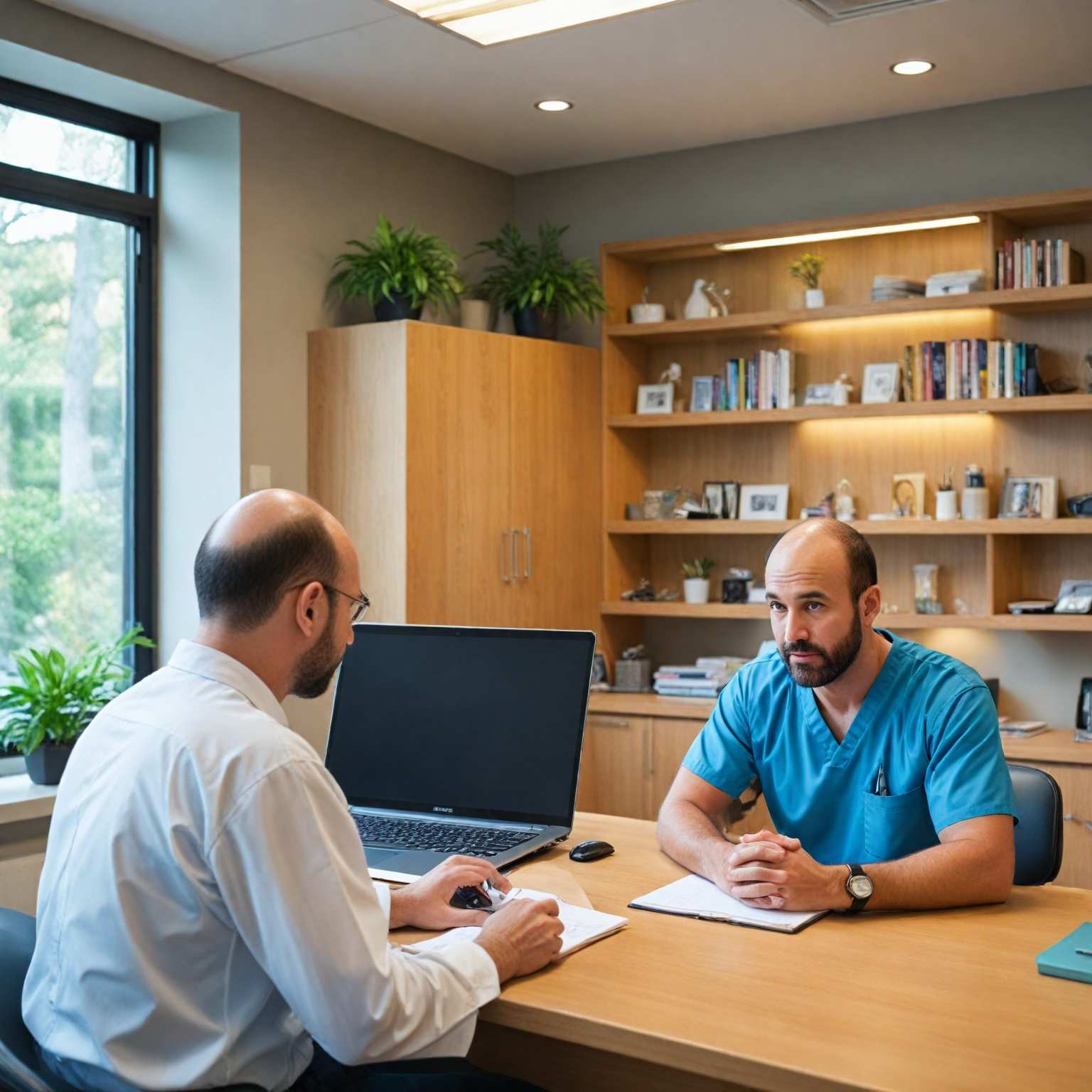
Successful transplantation depends on evaluating medical history, scalp condition, donor hair quality, and psychological readiness. Poor candidates include those with insufficient donor hair or active cicatricial alopecias. Psychological screening using tools like BDDQ, PHQ-9, and GAD-7 identifies patients at risk of dissatisfaction. Counseling manages expectations and informs patients about risks such as infection or scarring. A multidisciplinary approach involving dermatologists, surgeons, and mental health professionals optimizes outcomes and patient satisfaction.
Benefits of Hair Transplants
Hair transplantation offers permanent, natural-looking restoration that enhances confidence and psychological well-being. It alleviates embarrassment, anxiety, depression, and social withdrawal caused by hair loss, especially in women and younger individuals. Patients report improved self-esteem, social engagement, and quality of life. The procedure also expands styling options and mitigates emotional effects of aging or medical conditions. Managing expectations during the months-long growth period is crucial, and adjunct therapies like cognitive behavioral therapy may aid psychological recovery.
Risks, Complications, and Management
Common minor complications include pain, itching, swelling, and sterile folliculitis, typically transient and manageable with proper care. Rare intraoperative risks include anaphylaxis, bleeding, and cardiac events. Infection rates are low but higher in patients with comorbidities. Graft dislodgement and temporary hair shedding (telogen effluvium) can occur. Preoperative counseling and psychological support help set realistic expectations and reduce dissatisfaction. A multidisciplinary approach enhances both surgical and mental health outcomes.
Advances and Innovations
Technological progress has made FUE the predominant technique, offering minimal scarring and quicker recovery compared to FUT. FUT remains useful for large graft sessions or patients not concerned with linear scars. Innovations include mini-, micro-, and slit grafts for natural hairlines and refined aesthetics. Patient-centered planning and counseling address risks and expectations, improving satisfaction. Transferring androgen-resistant follicles from the occipital scalp enhances graft durability. These advances have transformed hair transplantation into a precise and artistic procedure with lasting results.
Societal and Cultural Impact
Hair is deeply linked to identity, youth, and attractiveness, affecting self-image and social interactions. Hair loss causes psychological distress, particularly among women and younger people, due to societal pressures. While the psychosocial effects of hair loss are significant, clinical focus has traditionally centered on surgical outcomes. Growing recognition of psychological factors has led to integrated care models that include mental health support. Hair transplantation helps restore confidence and quality of life by producing natural, aesthetically pleasing results that reduce stigma and emotional burden associated with hair loss.
Cost and Accessibility
Hair transplantation usually involves higher initial costs than alternatives like medications or wigs, but it offers permanent results, reducing long-term expenses. Increased demand has expanded access but also led to more practitioners with varying expertise, raising complication risks. Choosing experienced surgeons, thorough preoperative assessment, counseling, and proper aftercare are critical to safe, successful outcomes and patient satisfaction.
The content is provided by Avery Redwood, Direct Bulletins