Highlights
- Regular maintenance of car carpets enhances comfort, aesthetics, and overall vehicle value.
- Sustainable materials and advanced cleaning technologies transform the automotive carpet industry for 2025.
Summary
Unlocking Car Carpet Solutions: Essential Care Tips for Your Vehicle in 2025 provides a comprehensive overview of the latest developments, materials, and maintenance practices shaping automotive carpet care in the current year. Car carpets play a vital role in enhancing vehicle aesthetics, comfort, and value, yet they are often overlooked despite their susceptibility to dirt, stains, odors, and wear. This article explores the significance of maintaining car carpets, highlighting how regular cleaning not only preserves interior quality but also contributes to occupant comfort and sound insulation.
In 2025, the automotive carpet industry is characterized by a notable shift towards sustainability and innovation. Traditional synthetic fibers such as nylon and polyester continue to dominate due to their durability and stain resistance, but eco-friendly alternatives—including recycled plastics, natural fibers like bamboo and hemp, and bio-attributed materials—are increasingly integrated to reduce environmental impact and meet growing consumer demand for green products. Advanced technologies, such as AI-powered robotic vacuums and chemical-free steam cleaning, are revolutionizing maintenance by improving cleaning efficiency while minimizing ecological footprints.
The article also addresses emerging design trends that blend aesthetics with functionality, featuring warm, earthy tones, textured patterns, and materials optimized for sound and thermal insulation. Alongside these trends, recommended maintenance schedules and troubleshooting strategies equip vehicle owners with practical guidance to extend carpet lifespan and maintain vehicle value. Notably, the expansion of specialized cleaning products and sustainable care routines reflects broader industry efforts to harmonize performance with environmental responsibility.
While innovations in carpet materials and cleaning technologies offer enhanced benefits, challenges remain in balancing durability, cost, and eco-consciousness. The integration of recycled and bio-based materials sometimes faces limitations related to performance and consumer acceptance, and improper maintenance can lead to carpet damage or discoloration. This article presents these complexities to provide a nuanced understanding of car carpet care essentials in 2025, emphasizing the importance of informed choices for vehicle owners and manufacturers alike.
Importance of Car Carpet Maintenance
Maintaining the cleanliness and condition of a car’s carpet is essential not only for aesthetic reasons but also for preserving the longevity and value of the vehicle. The carpet, often overlooked, can accumulate dirt, grime, and debris that contribute to wear and tear, corrosion, and unpleasant odors if not properly cared for. Regular cleaning helps protect the fabric, ensuring it remains in good condition and extends the life of the interior components.
Beyond aesthetics, well-maintained car carpets contribute to overall comfort and sound insulation inside the vehicle. In passenger cars, carpets enhance the driving experience by providing cushioning and reducing noise, while in commercial vehicles, durability and ease of cleaning are key factors due to heavy usage. Advances in automotive carpet materials are also improving weight reduction and acoustic performance, which positively affect vehicle efficiency and passenger satisfaction.
The growing emphasis on eco-friendly practices has influenced carpet maintenance, encouraging the use of cleaning methods that avoid harsh chemicals and utilize sustainable products. These environmentally conscious approaches not only preserve the fabric but also reduce the ecological footprint of car care routines. Additionally, innovations such as AI-powered vacuums and smart sensors are making carpet cleaning more efficient and hygienic, saving time and energy for vehicle owners.
Ultimately, investing time in regular carpet maintenance improves the interior’s appearance, protects against damage, and helps maintain the vehicle’s resale value, making it a critical aspect of responsible car ownership in 2025.
Common Issues with Car Carpets
Car carpets are among the most heavily used and abused components inside a vehicle, frequently subjected to a range of contaminants and wear factors. They endure constant exposure to mud, dirt, sand, sticks, and stones that are tracked in on shoes, as well as food spills and beverage stains such as coffee, making them highly susceptible to soiling and damage. Over time, these elements contribute to the degradation of the carpet’s appearance and functionality.
In addition to physical wear and stains, car carpets face challenges related to odors and allergens. Built-up dust, pollen, mold spores, and residues from food or skin oils can accumulate within the carpet fibers, potentially triggering allergic reactions or breathing issues for vehicle occupants. Furthermore, moisture retention and trapped dirt may lead to bacterial growth, compromising the hygiene and comfort of the vehicle’s interior.
The materials used in automotive carpets—commonly synthetic fibers like nylon and polyester—affect their durability and resistance to stains. Nylon is valued for its resilience and ability to repel stains, while polyester offers affordability and acceptable performance. However, improper maintenance or the use of unsuitable cleaning products can cause discoloration or fabric damage, further complicating care efforts.
Materials Used in Car Carpets in 2025
In 2025, the materials used in car carpets are characterized by a blend of traditional synthetic fibers and innovative eco-friendly alternatives, reflecting both performance demands and sustainability trends.
Synthetic Fibers
The majority of car carpets continue to be made from synthetic fibers such as nylon, polyester, Triexta, and polypropylene (olefin), which account for approximately 97% of the market. Nylon is favored for its durability, stain resistance, abrasion resistance, and colorfastness, making it suitable for heavy foot traffic and frequent cleaning. Polyester offers a more affordable option with satisfactory performance, while polypropylene provides cost-effective all-weather resistance. These materials contribute to the comfort, insulation, and soundproofing qualities of automotive carpets, as well as enhancing aesthetic appeal.
Rubber and Thermoplastic Elastomers
For all-weather protection, rubber and thermoplastic elastomers (TPE) remain the most common materials for floor mats. Their structures provide excellent durability and resistance to water, dirt, and wear, making them ideal for harsher environments where plush carpet may not be suitable.
Eco-Friendly and Sustainable Materials
A significant shift in 2025 is the growing incorporation of sustainable and recyclable materials in car carpets, aligning with broader automotive industry goals for environmental responsibility.
– Recyclable Leather: Derived from renewable resources, this material offers a premium feel while reducing environmental impact.
– Natural Fibers: Materials such as bamboo fiber, hemp, flax, and soy-based textiles provide antibacterial and breathable qualities, contributing to a healthier cabin environment.
– Recycled Plastics: Car carpets increasingly utilize recycled PET plastic fabrics made from post-consumer bottles, reclaimed fishing nets, and upcycled carpet waste. These innovations reduce carbon emissions and the demand for virgin plastics, simultaneously offering high durability.
– Bio-Attributed and Vegan Alternatives: New composites made from bio-attributed vinyl sourced from pine oil, and vegan leather alternatives derived from pineapple leaves, apple peels, and other plant-based sources, are emerging as viable options for interior surfaces including carpets and floor mats.
Manufacturers like Polestar are pioneering mono-material approaches that use 100% recycled textiles and natural fiber composites to significantly reduce plastic usage and vehicle weight, reflecting a growing industry-wide commitment to sustainability.
Customization and Market Trends
Material innovation and customization are key competitive advantages in the automotive carpet market. Consumer interest in all-weather and eco-friendly floor mats continues to grow, driven by increased awareness of sustainability and the desire for durable, aesthetically pleasing interiors. This trend is reflected in rising sales and search interest for car floor mats, emphasizing the importance of material selection in vehicle care and maintenance.
Design Trends for Car Carpets in 2025
In 2025, car carpet design is being shaped by a combination of aesthetic preferences, technological advancements, and sustainability considerations. A growing emphasis on comfort and performance is driving innovation in both materials and textures, while evolving consumer tastes influence color and pattern choices.
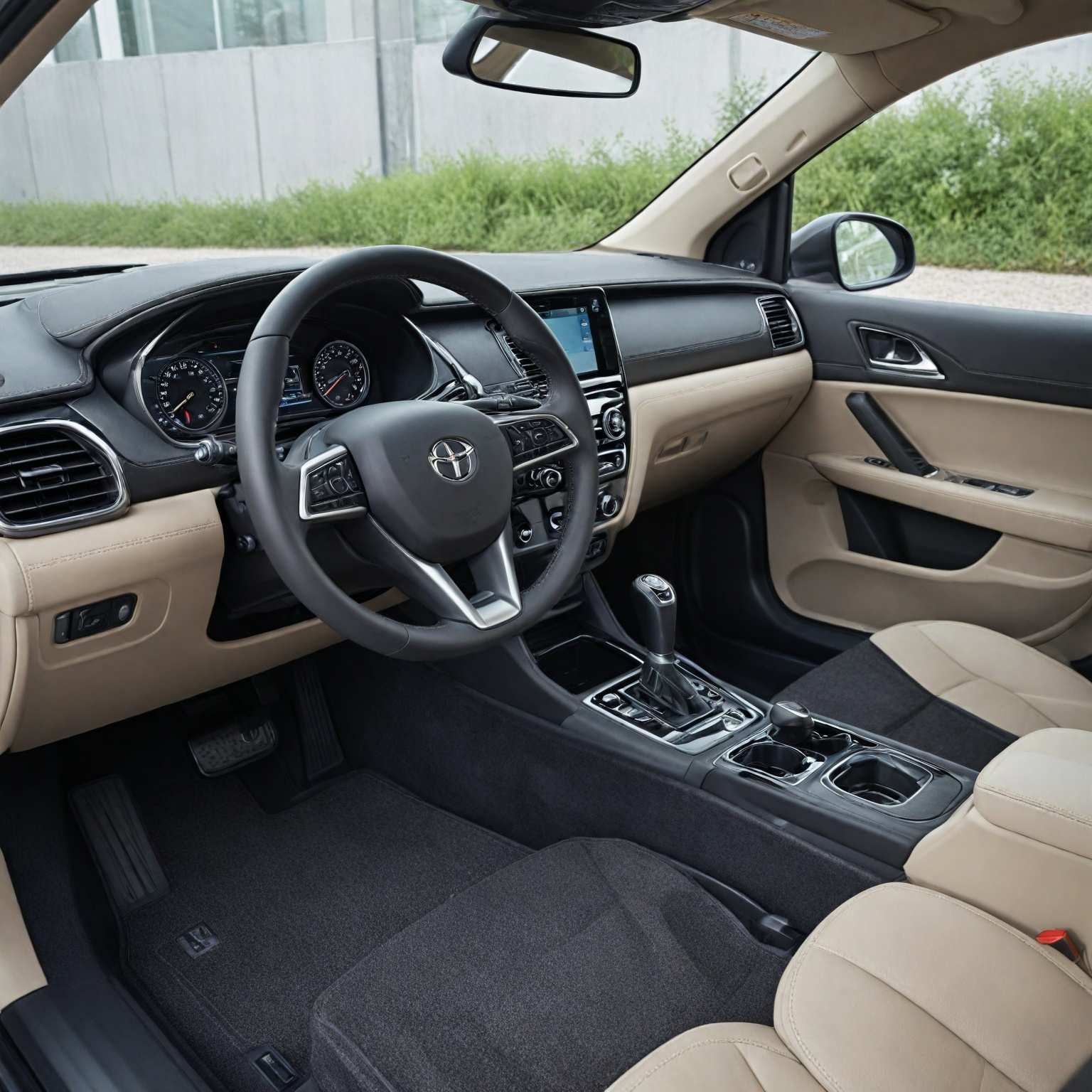
One prominent trend is the increased use of warm, earthy neutrals such as beige, camel, and soft brown. These tones create a soothing and grounded atmosphere inside vehicles and offer the practical benefit of concealing everyday wear and tear effectively. Alongside these natural hues, subtle geometric patterns and tone-on-tone designs are gaining popularity. Flat or low-pile carpets featuring cut and loop constructions add texture and visual interest without overwhelming the interior space, complementing rustic or farmhouse-inspired aesthetics.
Texture is also taking center stage, with plush, high-pile carpets making a notable comeback. Multi-level patterns formed through varying pile heights enhance dimensionality while maintaining a sophisticated appearance. This tactile variety not only elevates the cabin experience but also contributes to improved sound insulation and thermal comfort, aligning with the integration of advanced technologies aimed at optimizing the vehicle interior environment.
Sustainability remains a key factor, as manufacturers increasingly incorporate eco-friendly materials in carpet production. This shift responds both to consumer demand for green products and to tightening government regulations promoting environmentally responsible manufacturing. Additionally, premium and customized carpets featuring sound-dampening and thermal insulation properties are becoming more prevalent, particularly in luxury vehicle segments, where consumers seek enhanced comfort and personalized interior designs.
Cleaning and Maintenance Methods in 2025
Advancements in car carpet cleaning and maintenance in 2025 emphasize efficiency, sustainability, and user convenience. Vacuuming remains a critical initial step, as thorough dirt removal prevents the formation of gritty residues during scrubbing. Using portable, cordless vacuum models like the BLACK+DECKER Flex Car Vacuum and Dyson V7 Car+Boat facilitates effective removal of dirt, pet hair, and crumbs from hard-to-reach areas with the help of specialized attachments.
For routine stain removal and odor control, DIY cleaning solutions continue to be popular. Mild dish soap mixed with warm water serves well for general stains, while diluted white vinegar is effective for deodorizing. It is important to test any cleaner on an inconspicuous carpet area first to avoid discoloration. Additionally, eco-friendly practices are increasingly adopted, such as utilizing plant-based or homemade natural cleaners, and microfiber cloths that reduce waste by being highly absorbent and reusable.
Steam cleaning has gained significant traction due to its chemical-free, sanitizing properties. Steam cleaners, such as McCulloch’s MC1385 Deluxe Canister System, employ pressurized hot steam to penetrate carpet fibers, effectively lifting grime and killing germs, bacteria, mold, and mildew without the need for harsh chemicals. This method ensures minimal environmental impact while maintaining thorough cleanliness and odor elimination. Extraction machines, although more labor-intensive, remain the preferred option for heavily soiled carpets and deep-seated odors, offering superior cleaning results by thoroughly washing and drying carpets.
Automotive-specific cleaning products like the Chemical Guys Foaming Fabric Cleaner provide multi-surface versatility, safely cleaning synthetic and natural fibers without fading, and adding a protective barrier that helps repel future stains. Citrus-scented and sustainable cleaners also continue to gain favor for their pleasant fragrance and environmental benefits.
Together, these evolving technologies and methods in 2025 offer car owners efficient, hygienic, and eco-conscious options for maintaining pristine car carpets while extending their longevity and preserving vehicle value.
Recommended Maintenance Schedules
Maintaining your car carpet regularly is essential not only for aesthetic appeal but also for prolonging its lifespan and preserving the overall value of your vehicle. A consistent cleaning schedule helps prevent the accumulation of dirt, allergens, and stains that can degrade the carpet fibers over time.
For synthetic carpet materials commonly used in vehicles—such as nylon and polyester—maintenance requirements vary slightly. Nylon carpets, known for their durability and stain resistance, should ideally be professionally cleaned every 6 to 12 months to maintain their appearance and functional integrity. Polyester carpets, while less durable than nylon, benefit from their natural stain resistance and vibrant colors, but still require routine care to ensure longevity.
In addition to professional cleaning, regular DIY cleaning sessions using affordable tools and simple techniques can help maintain cleanliness between professional treatments. This includes vacuuming to remove dirt and debris, spot cleaning stains promptly, and ensuring carpets and mats are thoroughly dried after cleaning to prevent mold and odors. Allowing 24 to 48 hours for drying, especially with the aid of dehumidifiers in enclosed spaces like garages, is recommended to ensure complete moisture removal.
Emerging technologies in car cleaning, such as AI-powered robotic vacuums equipped with HEPA filtration and cordless lithium-ion batteries, are improving efficiency and making regular maintenance more accessible and environmentally friendly. Incorporating these innovations into your routine can help keep your car carpet in optimal condition while reducing the environmental impact associated with traditional cleaning products and methods.
By adhering to these recommended maintenance schedules and utilizing appropriate tools and technologies, vehicle owners can effectively preserve the quality, comfort, and appearance of their car carpets throughout the year.
Innovative Technologies and Products in Car Carpet Care
The car carpet care industry in 2025 is experiencing significant advancements driven by innovative technologies and specialized products designed to enhance cleaning efficiency, durability, and user convenience. One notable development is the integration of AI-powered robotic vacuums equipped with smart LiDAR navigation and DuoDetect 3D obstacle avoidance systems. These devices provide thorough cleaning by efficiently maneuvering around obstacles and automatically adjusting their mop functions when transitioning onto carpets, employing technologies such as “ScrubExtend” for seamless edge cleaning.
In addition to robotics, portable and powerful handheld vacuum cleaners like the BLACK+DECKER Flex Car Vacuum and Dyson V7 Car+Boat offer enhanced dirt, pet hair, and crumb removal capabilities. These vacuums prioritize portability, easy charging, and specialized attachments designed for tight and hard-to-reach areas within vehicles. Furthermore, innovations such as self-emptying dustbins, HEPA filtration systems for allergen removal, and cordless lithium-ion battery designs are becoming standard features, contributing to more hygienic and energy-efficient car carpet maintenance.
Product formulations have also evolved to meet consumer demand for environmentally friendly and effective cleaning solutions. Natural and biodegradable cleaning products are favored for their gentle impact on vehicle surfaces and reduced environmental footprint. These cleaners, often incorporating odor-eliminating technologies like Turtle Wax’s Odor-X, effectively neutralize pet, food, mildew, and cigarette odors at the molecular level, improving interior air quality without harsh chemicals. Citrus-scented cleaners, such as Chemical Guys CWS20316 Foaming Citrus Fabric Clean Carpet & Upholstery Cleaner, combine refreshing fragrances with potent stain removal and eco-conscious ingredients, making them popular choices among car owners.
DIY maintenance is supported by practical recommendations that emphasize the use of mild dish soap, diluted white vinegar solutions for odor control, and fabric protectants to extend carpet durability. Environmentally responsible cleaning practices are encouraged, including the use of reusable microfiber towels, limiting water usage, and proper disposal of dirty water to prevent environmental contamination.
Finally, the car carpet market continues to diversify, offering a range of products from standard and premium carpets to custom-designed and specialized mats tailored for specific vehicle types. Advanced materials, including sound-dampening and thermal insulation components, not only enhance comfort and aesthetic appeal but also contribute to a higher price point within the luxury segment. Moreover, evolving government regulations on environmentally friendly materials provide manufacturers with opportunities to expand sustainable product lines and meet rising consumer demand for eco-friendly options.
Sustainable Practices in Carpet Care
Sustainable practices in car carpet care have become increasingly important as consumers and manufacturers prioritize environmental responsibility alongside performance and aesthetics. The adoption of eco-friendly materials in car interiors, such as recyclable leather made from renewable resources, bamboo fiber, soy-based materials with natural antibacterial properties, and recycled plastic fabrics from PET bottles, significantly reduces the environmental impact while maintaining high durability and comfort. Utilizing carpets made from mono-polymers that are 100% recyclable further facilitates easier end-of-life recycling and waste reduction.
In addition to material choices, opting for GRS-certified products ensures that carpets contain at least 50% recycled material and are manufactured under conditions that protect both human health and worker rights, reinforcing sustainable supply chain practices. Many modern carpet solutions also feature a double-layer design combining a comfortable top carpet mat with a durable, all-weather bottom mat, which enhances longevity and reduces frequent replacements.
Cleaning and maintenance routines contribute heavily to sustainability efforts. Using biodegradable or eco-friendly cleaners minimizes chemical pollutants and environmental harm, while fabric protectants extend carpet durability by shielding against spills and stains. Sustainable cleaning practices include employing reusable microfiber towels instead of disposable paper towels, minimizing water usage to reduce waste,
Troubleshooting and Repairs
Automotive carpets are subject to a variety of stains and wear due to frequent exposure to dirt, mud, and spills. When addressing common issues such as mud or wine stains, it is important to select an effective cleaner capable of tackling both naturally occurring and stubborn stains. Testing with multiple products on controlled samples can help determine which cleaner performs best without bias. For persistent stains, specialized fabric cleaners that use hi-sudsing, deep-penetrating foam can dissolve and lift dirt, odors, and stains from carpets and upholstery, restoring them to a near-new condition.
Proper access to the carpet is essential during troubleshooting and repair. Tilting the vehicle’s seats forward exposes more carpet area for thorough cleaning and inspection. After treatment, allowing adequate drying time—typically 24 to 48 hours—is critical to prevent mold and mildew growth. Using a dehumidifier in enclosed spaces like garages can expedite the drying process. It is also recommended to clean floor mats separately to avoid reintroducing dirt to the vehicle’s interior.
In some cases, protecting the carpet during maintenance or transport may be necessary. Industry-standard protective films, often printed with “Dealer Must Remove Protective Cover,” are designed to shield carpeting, helping maintain a new-car look and feel during demos or repairs. Addressing issues early and employing proper cleaning and protective techniques can extend the lifespan of automotive carpets while maintaining their comfort, insulation, and aesthetic appeal.
The content is provided by Avery Redwood, Direct Bulletins