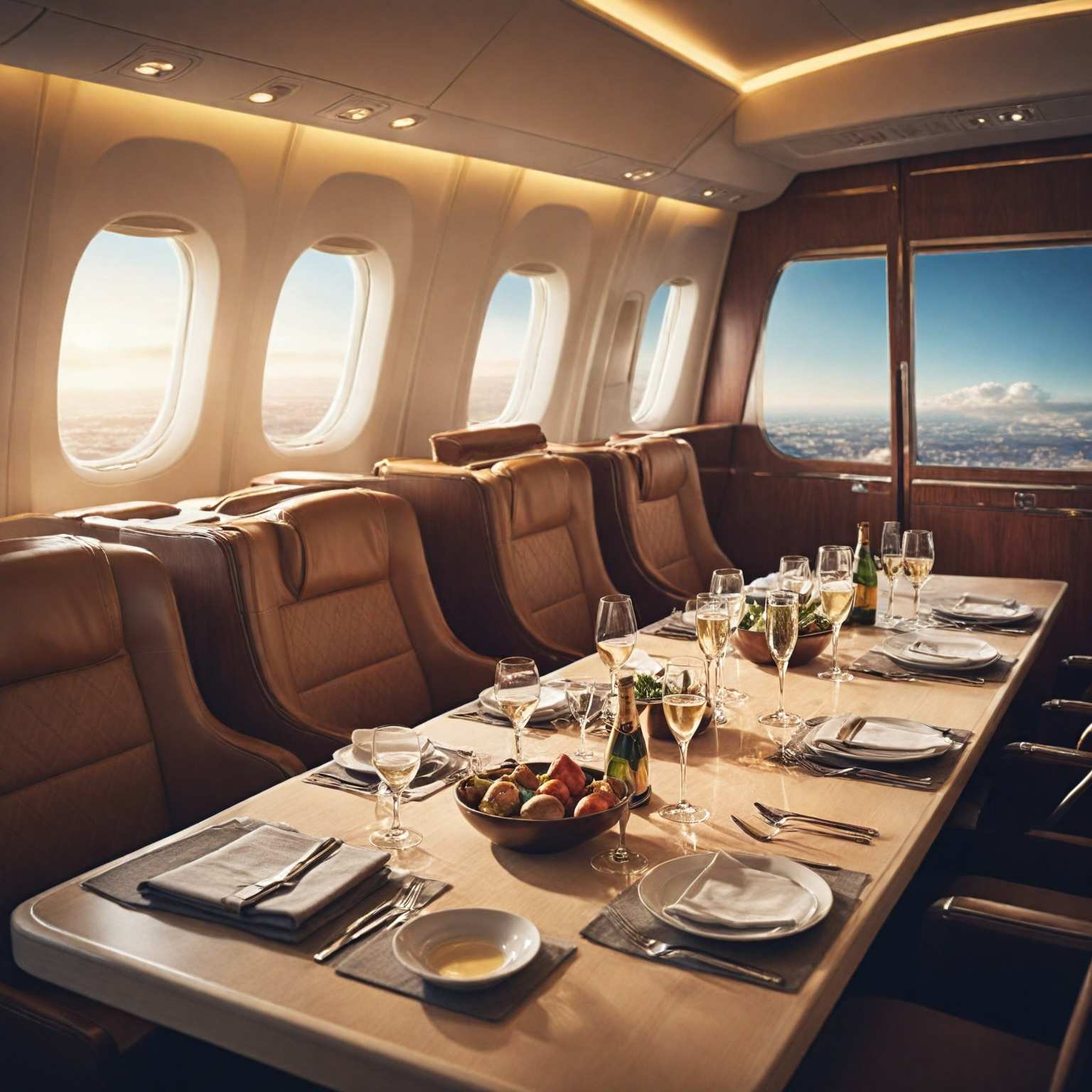
Highlights
- Business class travel offers luxury and comfort, accessible for budget-conscious flyers in 2025.
- Strategic use of rewards and flexibility can unlock premium experiences without overspending.
Summary
Unlocking Business Class Travel: Essential Tips for Budget-Conscious Flyers in 2025 offers a comprehensive guide to navigating the premium airline segment affordably. Business class remains a coveted travel option in 2025, known for its enhanced comfort, personalized service, and exclusive amenities such as lie-flat seats and gourmet dining, which transform long-haul flights into luxurious experiences. Despite significant price increases—business class fares on popular transatlantic routes can range from $4,500 to $5,000—budget-conscious travelers have numerous strategies at their disposal to access these benefits without overspending.
The evolving landscape of business class travel is shaped by technological advancements, dynamic pricing models, and sophisticated loyalty programs. Airlines increasingly use data analytics and artificial intelligence to personalize rewards, offering tailored benefits beyond traditional perks, such as exclusive lounge access and luxury services aligned with passenger preferences. Meanwhile, premium economy cabins have improved considerably, closing the comfort gap while providing a more affordable alternative, with fares about 40% of business class prices on many routes.
For travelers seeking to unlock business class affordably, key strategies include leveraging travel rewards credit cards with generous sign-up bonuses, monitoring upgrade offers and airline policies, and booking flexibly by using open-jaw itineraries or adjusting travel dates. Loyalty programs have expanded to include partnerships with financial and lifestyle brands, enhancing opportunities to earn and redeem points for business class travel. Additionally, curated booking platforms and real-time dynamic pricing enable travelers to capitalize on last-minute deals and personalized offers.
However, navigating this premium segment is not without challenges. Rising fares, unbundled ancillary services, and shifting upgrade policies can complicate travelers’ efforts to find genuine value. Misconceptions—such as business class being exclusively for wealthy travelers—persist, but informed strategies demonstrate that business class travel is increasingly attainable for budget-conscious flyers willing to adopt flexible, data-driven approaches. This article synthesizes current trends, practical tips, and industry insights to empower travelers seeking luxury air travel without prohibitive costs in 2025.
Overview of Business Class Travel
Business class travel in 2025 continues to represent a premium segment of the airline industry, offering enhanced comfort, service, and amenities compared to economy and premium economy classes. Business-class seats often feature luxurious lie-flat pods, providing a significant upgrade in comfort and rest during long-haul flights. These amenities come at a considerable price premium, with business class fares typically costing 2 to 4 times more than premium economy, although this gap has been narrowing on competitive routes due to improvements in premium economy offerings.
The pricing landscape for business class has seen a notable increase in recent years. Average fares have risen by 20–40% on many popular routes, with prices frequently hovering around $4,500 to $5,000 for transatlantic flights, making a $3,500 fare a new “deal” benchmark in 2025. Despite the rising costs, savvy travelers can leverage various strategies to access business class more affordably. These include using travel rewards credit cards that offer substantial sign-up bonuses (e.g., 60,000–100,000 points), carefully monitoring airline upgrade policies and last-minute offers, and utilizing dedicated luxury travel booking platforms that curate discounted first and business class deals.
Loyalty programs are increasingly sophisticated, employing data analytics and artificial intelligence to personalize rewards and ancillary services, thereby enhancing the business class travel experience. For instance, rather than generic lounge access, travelers may receive exclusive, tailored benefits such as luxury spa visits or private dining experiences aligned with their layover schedules and preferences. This personalization trend reflects the broader growth and segmentation of the airline ancillary services market, which is expected to expand significantly through 2033 driven by evolving consumer demands and technological advancements.
For budget-conscious flyers and corporate travel managers, business class represents a strategic choice when factors like employee productivity and client impressions justify the higher cost. Alternatively, premium economy offers about 70% of business class comfort at roughly 40% of the price, presenting a viable middle ground for long-haul travel with constrained budgets. Overall, business class remains a symbol of luxury air travel, with increasing opportunities to access it affordably through flexibility, rewards programs, and informed booking practices.
Benefits of Business Class Travel
Flying business class significantly enhances the travel experience, transforming long-haul flights from mere transportation into an enjoyable journey. Key benefits include fully reclining seats that allow passengers to rest comfortably, spacious private suites designed for privacy and relaxation, and innovative cabin layouts focused on both comfort and efficiency. Additionally, gourmet dining options curated by top chefs elevate the in-flight meal experience, while attentive and personalized service ensures travelers feel valued throughout their journey.
Beyond physical comfort, business class offers access to exclusive airport lounges, which provide a tranquil environment to relax or work before boarding. Travelers flying with partner airlines can often benefit from shared lounge agreements, broadening access without the need to fly the main operator. These perks collectively contribute to a seamless and luxurious travel experience that is markedly different from economy class.
While business class traditionally commands premium prices, savvy travelers can access these benefits more affordably by leveraging loyalty programs, miles, and points. These programs not only reward frequent flyers with upgrades and exclusive perks but also offer strategic opportunities to save on fares without compromising comfort. Overall, business class travel offers a blend of luxury, convenience, and enhanced service that makes the journey itself a memorable part of the trip.
Current Trends in Business Class Travel (2025)
In 2025, business class travel continues to evolve with several key trends shaping the landscape for budget-conscious flyers. One prominent development is the increasing emphasis on strategic booking. Travelers aiming for discounted fares on popular routes, such as New York JFK to London Heathrow or Los Angeles LAX to Paris CDG, are advised to book during optimal windows to maximize savings. Additionally, shifting travel dates or flying from alternative airports can result in significant cost reductions, often saving hundreds of dollars on business class tickets.
Premium economy has emerged as a compelling alternative, offering many business-class comforts at a substantially lower price point. With dedicated cabins, increased legroom ranging from 38 to 42 inches, priority boarding, enhanced meals, and limited lounge access, premium economy delivers approximately 70% of the business class experience for about 40% of the cost. This makes it particularly attractive for corporate travel managers balancing employee comfort and budget constraints. Notably, Japan Airlines received the 2024 World’s Best Premium Economy Class award, highlighting ongoing improvements in this segment.
Another notable trend is the introduction of new seat upgrades, such as the Premium Biz seat launched in August 2025. This offering was developed following rapid regulatory approvals, cabin layout changes, and extensive supplier coordination to meet passenger demand for greater comfort on longer medium-haul routes. Bookings for these upgrades are exclusively available through the airline’s official website.
Dynamic pricing strategies remain a crucial tool for airlines in 2025, enabling real-time fare adjustments based on demand and market conditions. This approach not only boosts revenue but also enhances passenger satisfaction by offering tailored options across different budget segments—from economy flyers to business executives. Airlines leveraging dynamic offers enhanced by real-time Shopping Data insights report revenue uplifts of 3% to 10%, demonstrating the significant business impact of this trend.
Loyalty programs continue to play a vital role beyond customer retention, influencing travel decisions and access to perks such as lounge usage and upgrades. Partnerships between airlines allow for shared lounge agreements, broadening access options for business class travelers without flying the primary carrier. Meanwhile, travelers are advised to remain vigilant regarding policy changes, which may shift in response to demand or operational factors.
Finally, in-flight product innovations are on the horizon, with new business class suites expected to significantly upgrade the passenger experience on some of the world’s longest flights starting from the second quarter of 2025. Though complete details are not yet disclosed, these enhancements promise to elevate the value proposition of business class travel.
Together, these trends reflect a dynamic business class market in 2025 that balances premium comfort with strategic affordability, leveraging technology and customer insights to meet the evolving needs of travelers.
Strategies for Budget-Conscious Business Class Travelers
Traveling business class on a budget is achievable by adopting several strategic approaches that leverage flexibility, loyalty programs, and timing. One effective method is to stay informed about upgrade policies and last-minute offers by subscribing to airline newsletters and using specialized platforms like Business-Class, which curate deals tailored to various travel styles and budgets. This proactive monitoring helps travelers avoid overpaying while securing premium cabin seats.
Flexibility in travel plans plays a crucial role in cost savings. Utilizing open-jaw itineraries, which allow flying into one city and returning from another on the same ticket, can optimize routes, reduce backtracking, and often lower expenses. Additionally, booking flexible tickets—sometimes called flexi flights or flexible fares—enables travelers to adjust dates and times without incurring hefty change fees, a feature particularly beneficial for project-based or uncertain schedules.
Timing the purchase of business class tickets is another key factor. For international flights, the best deals are often found by booking three to six months in advance, balancing seat availability and competitive pricing. However, booking too early or too late can result in higher fares, so understanding airline pricing patterns is essential. Employing flight deal alert services can also help budget-conscious travelers catch premium seat sales without continuous monitoring.
Maximizing rewards through credit cards and loyalty programs further enhances value. Travel credit cards with generous sign-up bonuses and ongoing rewards can accumulate points or miles redeemable for business class tickets or upgrades. Transferable points programs, such as those offered by American Express Membership Rewards or Capital One Miles, provide added flexibility by allowing transfers to multiple airline partners, improving redemption options. Conversely, airline-specific cards may fast-track elite status and offer perks but tend to limit redemption flexibility.
Elite status within frequent flyer programs grants benefits like complimentary upgrades, priority boarding, and fee waivers, which can significantly reduce travel costs and improve the overall experience. Furthermore, understanding the fees associated with redeeming miles is important, as some programs impose high surcharges that diminish the value of award travel.
Finally, leveraging data-driven dynamic pricing and personalized rewards is an emerging trend that can help travelers find better offers. Airlines increasingly use real-time shopping data to tailor flight options and pricing, potentially leading to better deals and exclusive rewards such as luxury airport experiences customized to individual preferences.
By combining these strategies—staying informed, being flexible, timing purchases wisely, maximizing loyalty benefits, and understanding airline pricing dynamics—budget-conscious travelers can unlock the benefits of business class without overspending.
Airlines and Routes Offering Affordable Business Class Options
In 2025, several airlines and routes stand out for offering affordable business class options that cater to budget-conscious travelers seeking elevated comfort and amenities. Skylux Travel, leveraging internal booking data, highlights discounted business class flights from the USA to major global destinations such as Europe, Asia, the Philippines, Africa, and India, with savings of up to 50% on top carriers including United Airlines, American Airlines, Emirates, Air India, Qatar Airways, and Singapore Airlines. Popular routes frequently discounted include JFK to London and LAX to Tokyo, showcasing a range of destinations where premium travel is more accessible.
British Airways remains a solid choice for transatlantic business class travel, offering its Club World cabin at fares often under $2,000 from US hubs to European cities. The airline’s “Original Sale” in early 2025 featured significant discounts on long-haul business class tickets, with additional savings available for AARP members reaching up to $400 during promotional periods. However, upgrading from business to first class on BA has become increasingly challenging, with limited availability for upgrades reported over recent years.
La Compagnie, a boutique carrier specializing in transatlantic flights, offers competitive business class fares from New York City to destinations in France and Italy starting around $2,400 round-trip. Their Airbus A321neo fleet features a 2-2 configuration with 76 lie-flat seats and includes amenities such as priority airport services, premium lounge access, unlimited high-speed Wi-Fi, and two free checked bags. The extended sales window through May 2026 provides travelers with flexibility to plan trips during peak holiday seasons.
LATAM Airlines is also enhancing its business class product, with plans to introduce fully enclosed suite-style seating featuring closing doors on 24 Boeing 787 aircraft, expected to launch in March 2025. This upgrade aims to increase privacy and comfort on long-haul flights.
Additionally, travelers can find value by exploring flexible ticket options with low-cost carriers and by considering alternative airports or one-stop routes to unlock cheaper business class fares. This approach helps manage last-minute changes without incurring excessive costs and expands access to premium travel experiences across a broader range of routes.
Airline Loyalty Programs and Partnerships in 2025
In 2025, airline loyalty programs have evolved beyond traditional mileage accumulation, becoming comprehensive ecosystems that integrate travel, lifestyle, and financial partnerships. These programs now offer multiple earning pathways beyond flying, such as shopping, dining, and credit card usage, enhancing their overall value for travelers.
Among the top programs, Asia stands out with Singapore KrisFlyer and ANA Mileage Club providing exceptional access to premium cabins. ANA’s Mileage Club is particularly praised for its value-packed award charts, especially for round-trip business and first-class redemptions, making it one of the most affordable options for long-haul premium awards despite some availability limitations. Similarly, Qatar Airways Privilege Club offers excellent access to its award-winning Qsuite business class, especially when combined with Avios transfers from partner programs. Qatar has strengthened its loyalty ecosystem by partnering with major transferable points programs such as Bilt Rewards, Capital One Miles, Citi ThankYou Rewards, and Marriott Bonvoy, and by introducing co-branded credit cards to facilitate earning points.
Europe’s Air France-KLM Flying Blue program has also garnered significant acclaim, ranking number one in several 2025 airline miles program reports. Its leadership’s willingness to experiment has resulted in a user-friendly interface and flexible redemption options, including monthly Promo Rewards that offer up to 50% off award rates on select destinations, often including business class. Flying Blue’s extensive SkyTeam alliance partners such as Delta Air Lines and Korean Air expand travelers’ access to a broad network.
Furthermore, loyalty programs increasingly extend benefits beyond flights. Points can often be redeemed for car rentals, hotel stays, and lifestyle products, stretching the value of rewards even further. For travelers frequently flying within major alliances like Star Alliance, Oneworld, or SkyTeam, focusing loyalty efforts on a single network can multiply redemption opportunities and elite status benefits, including lounge access and upgrade potential.
Credit Cards Optimized for Business Class Travel Upgrades
Choosing the right credit card is a crucial strategy for budget-conscious travelers aiming to secure business class upgrades without overspending. Cards like the American Express Gold, Capital One Venture, Chase Sapphire Preferred, and Citi Strata Premier stand out due to their flexible rewards programs that allow point transfers to various airline and hotel partners. This flexibility is a significant advantage over airline-specific cards, which, while helpful for fast-tracking elite status on a particular airline, often limit redemption options and require careful planning.
General travel cards typically enable users to transfer rewards across multiple loyalty programs, enhancing the ability to find value in premium travel options. For example, Citi ThankYou Points, earned primarily through the Citi Premier® Card, offer access to a solid group of international airline partners including Avianca, Turkish Airlines, Qatar Airways, and Etihad, and uniquely partner with Turkish Airlines Miles&Smiles, which is known for valuable Star Alliance award bookings. Similarly, Capital One miles feature a broad network of transfer partners and a strong Hyatt hotel partnership, making them suitable for travelers focusing on U.S.-based brands or luxury hotel stays.
When selecting a card, it is important to consider not just the sign-up bonuses—which can be generous on premium and business credit cards—but also ongoing rewards rates, bonus spending categories, and annual fees to accurately assess the true value of the card[
Ancillary Services and Add-Ons in 2025 Business Class
Ancillary services have become a critical component of airline profitability and passenger experience in 2025, particularly within the business class segment. These services include in-flight Wi-Fi, seat selection, baggage upgrades, onboard food and beverages, and retail purchases, all of which contribute significantly to airline revenue streams. According to the International Air Transport Association (IATA), ancillary revenues surpassed US$100 billion globally in 2023, underscoring their growing importance in overall airline business models.
In business class, ancillary offerings often extend beyond the core fare to provide enhanced comfort and convenience. While a standard affordable business class ticket typically includes a lie-flat seat on long-haul routes, elevated in-flight meals, complimentary alcohol, and reserved overhead bin space, airlines may “unbundle” certain amenities such as airport lounge access, seat selection, and premium ground services to keep prices competitive. This unbundling trend allows passengers to customize their experience by selecting only the add-ons they value most.
Airport lounge access remains a highly valued add-on for business travelers seeking comfort and productivity during layovers. Lounges typically provide amenities such as comfortable seating, snacks, and Wi-Fi, with some credit cards and airline loyalty programs offering complimentary access to over 1,550 lounges worldwide as of mid-2025. Travelers can optimize lounge access through various strategies, including joining membership programs, leveraging elite status with airlines or alliances, or selecting credit cards tailored to their travel habits, thereby enhancing their overall journey experience without incurring excessive costs.
The dynamic pricing and personalization of ancillary services are also evolving rapidly. Airlines are increasingly leveraging real-time Shopping Data and dynamic offer engines to tailor pricing and product bundles according to passenger demand and preferences. This data-driven approach not only improves the booking experience by aligning offers more precisely with customer segments but also drives significant business benefits. Research indicates that airlines adopting dynamic pricing strategies can realize a 3% revenue uplift, with some online brands achieving up to a 10% increase when integrating real-time data into their offer management.
Common Myths and Misconceptions about Business Class Travel
Many travelers believe that flying business class is exclusively for the wealthy and always requires spending a fortune. However, this is a common misconception. By staying flexible with travel dates, subscribing to airline newsletters, and monitoring last-minute upgrade offers, business class can become surprisingly attainable without maxing out one’s credit card. Another myth is that booking business class must be done directly through airlines at full price. In reality, specialized platforms like Business-Class.com provide access to discounted first and business class airfare, along with luxury hotel and car rental reservations, making premium travel more accessible and budget-friendly. These smart strategies and tools help demystify business class travel and show that it can be within reach for budget-conscious flyers.
Case Studies and Personal Experiences from Budget-Conscious Travelers
Budget-conscious travelers have shared various strategies to access business class travel without overspending. One common approach involves purchasing flexible tickets—also known as flexi flight or open tickets—that allow for changing travel dates and times without incurring hefty fees. This option is particularly advantageous for those with unpredictable schedules, as it safeguards budgets from last-minute change fees and minimizes administrative hassles related to rebooking, ensuring smoother travel experiences for project-based businesses and frequent travelers alike.
Another key strategy includes closely monitoring airline upgrade policies and last-minute offers. Some travelers subscribe to airline newsletters and use loyalty programs to stay informed of potential upgrades or deals. Combining flexibility with smart use of these programs makes premium travel more attainable without exhausting one’s credit limits. Additionally, curated deal platforms like Business-Class offer tailored offers aligned with different travel styles and budgets, providing a hassle-free path to business class.
Ultimately, travelers’ choices vary based on their individual habits and goals. Leisure travelers who fly infrequently might find more value in day passes or independent lounge memberships rather than investing in high-annual-fee credit cards. Conversely, those loyal to a specific airline often focus on consolidating flights with that carrier to earn elite status, which can yield consistent lounge access and other exclusive benefits, enhancing the overall travel experience.
The content is provided by Avery Redwood, Direct Bulletins