Highlights
- Understanding innovative construction methods can help secure affordable studio apartments in 2025.
- Exploring government housing initiatives may reveal opportunities for better rental affordability and access.
Summary
Unlocking Affordable Low Rent Studio Apartments: Essential Tips for 2025 provides a comprehensive overview of the evolving landscape of affordable studio apartment housing in the United States amid persistent affordability challenges. Studio apartments are often the most accessible option for single renters seeking compact, low-cost living spaces, but even these units have become increasingly difficult to afford in many metropolitan areas due to rising rents, supply shortages, and economic pressures. This article highlights key factors influencing availability and affordability in 2025, including escalating construction costs, restrictive zoning policies, and the impact of new technologies and innovative building methods that aim to reduce expenses and improve housing supply.
The page also explores the role of government policies and housing programs designed to expand access to affordable studios, such as federal funding initiatives, tax credits, rent control measures, and tenant protections that have been enhanced in response to ongoing rental market pressures. Regional rental trends and geographic disparities are examined, demonstrating how local regulatory environments and market dynamics contribute to varied affordability outcomes across the country. Additionally, the article discusses practical strategies for renters navigating the competitive market, including lease negotiation tactics and understanding tenant rights to secure stable, affordable housing.
Innovations in construction technologies, such as modular building, 3D printing, and adaptive reuse of vacant commercial spaces, receive particular attention as promising solutions to lower development costs and increase housing supply. Design best practices that maximize space efficiency and livability in small units are also presented, underscoring how smart interior planning can enhance the functionality and appeal of low-rent studios. The interplay of technological advances, policy reforms, and market forces forms a complex but critical context for addressing the affordable housing crisis affecting millions of renters nationwide.
Controversies persist around the effectiveness of rent control policies, zoning restrictions, and the pace of regulatory reform, with debates focusing on balancing tenant protections against incentives for new construction and investment. Nevertheless, coordinated efforts among policymakers, developers, and communities are essential to unlocking more affordable studio apartments and ensuring equitable housing access in 2025 and beyond.
Overview of Low-Rent Studio Apartments
Studio apartments are often considered the most affordable housing option in many urban markets, especially for solo renters seeking a compact living space. However, even these typically smaller and less expensive units have become increasingly difficult to afford in certain U.S. cities. In high-demand markets such as New York City and Miami, the median-earning renter may still require a roommate to afford even a basic studio apartment, reflecting the persistent challenge of housing affordability despite recent slight declines in rent prices nationwide.
The dynamics of low-rent studio apartments are influenced by various factors including economic conditions, lifestyle changes, and evolving renter preferences. These trends affect not only residential rentals but also vacation housing markets, prompting property owners and managers to adapt their offerings accordingly. Additionally, the distinction between income-restricted and income-based housing adds complexity to affordability, as the tenant’s rental portion is calculated differently under each subsidy model.
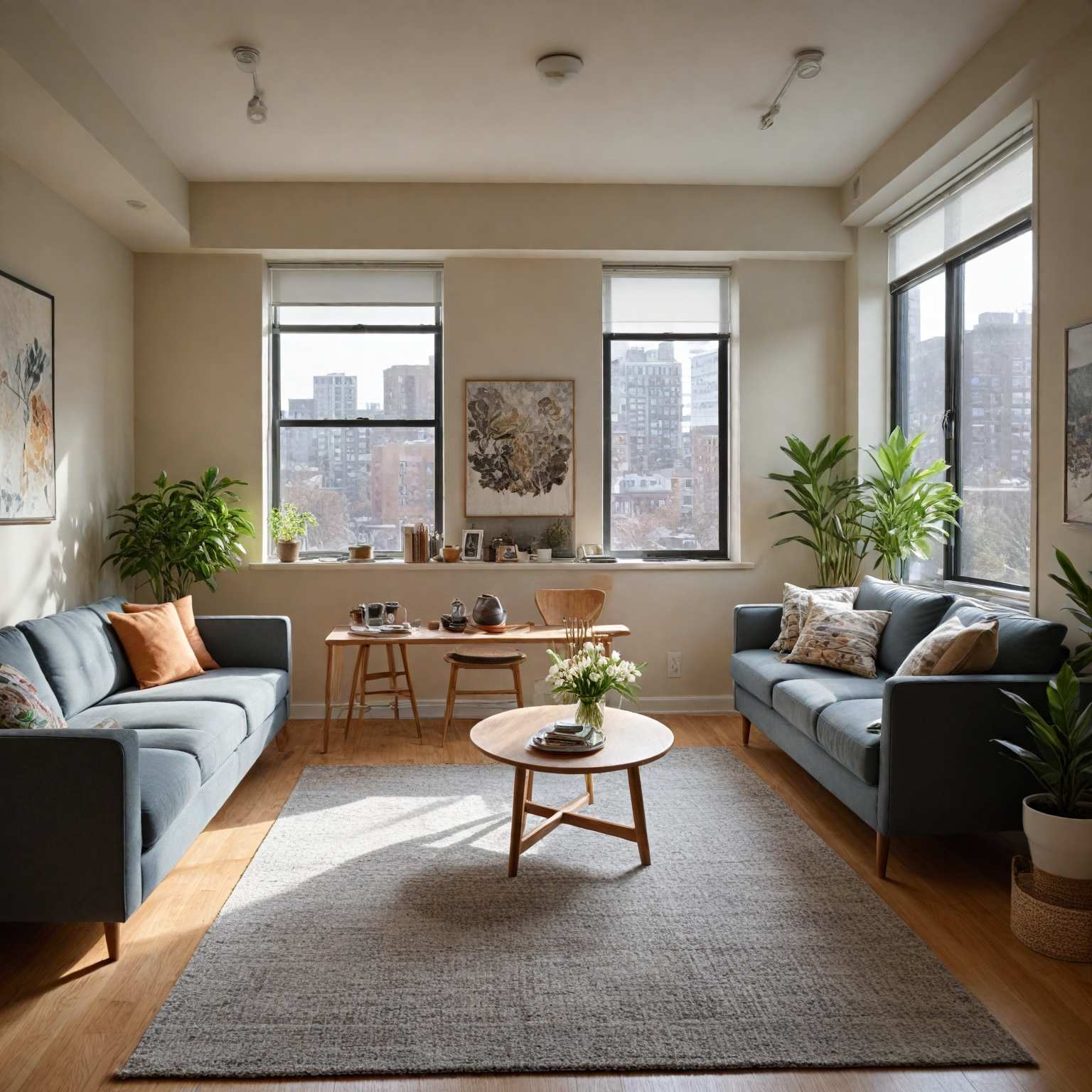
Despite these affordability challenges, studio apartments remain a popular option due to their simplicity and potential for efficient living. Design strategies such as the use of room dividers, smart storage solutions, strategic lighting, and appropriate color schemes can enhance the perceived size and functionality of these small spaces. By leveraging these creative approaches, renters can optimize their limited square footage to create comfortable and stylish homes.
In sum, while low-rent studio apartments present affordability hurdles in certain metropolitan areas, they continue to offer a viable housing solution. Understanding market conditions, subsidy distinctions, and interior design innovations is essential for renters seeking to unlock the full potential of these compact living spaces in 2025.
Factors Influencing Availability and Affordability in 2025
The availability and affordability of low-rent studio apartments in 2025 are shaped by a complex interplay of economic, regulatory, and market forces. Key factors include rising development costs, zoning restrictions, housing supply shortages, and evolving construction technologies, all of which influence both the production and pricing of affordable housing.
Rising Costs and Economic Challenges
One of the foremost challenges facing affordable housing development in 2025 is the significant increase in costs. Interest rates and construction expenses have surged, with projects that previously cost around $70 million now estimated at $110 million, according to industry leaders. Additionally, escalating insurance premiums further strain budgets in the affordable housing sector, complicating efforts to deliver low-cost units. These economic pressures contribute directly to higher rents and limit new construction of affordable studios.
Regulatory Environment and Zoning Constraints
Restrictive zoning policies remain a major barrier to increasing the supply of affordable housing. Approximately 70% of residential areas in major cities enforce rules that restrict or prohibit apartment buildings, thereby exacerbating housing shortages. Many zoning ordinances are outdated, sometimes over a century old, and hinder cities’ ability to adapt to current housing demands. For instance, minimum parking requirements often lead to oversupply and wasted resources, discouraging denser, more affordable developments. Reforming these regulations by eliminating or reducing parking minimums can lower construction costs and promote urban revitalization, facilitating the creation of more affordable housing options.
Housing Supply and Demand Dynamics
The nationwide shortage of housing supply, particularly in urban hotspots, continues to drive rents upward. The imbalance between demand and supply has been linked to rent increases exceeding 10% in several large U.S. cities from mid-2023 through 2024, with projections suggesting housing prices will rise approximately 4.4% in 2025. Research shows that in lower-income neighborhoods where new housing units have been added, rents tend to decrease, especially in older building stock, underscoring the importance of expanding affordable housing supply to stabilize rent prices.
Innovative Construction Methods and Cost Reduction
Advances in construction technology offer promising avenues to address affordability challenges. The growing adoption of generative AI, 3D printing, and robotics in construction is enhancing efficiency, reducing project timelines, and lowering costs. For example, brick-laying robots and automated rebar-tying machines are increasingly utilized to handle repetitive tasks, boosting labor productivity by up to 20% according to a 2025 Deloitte report.
Moreover, converting vacant office buildings into micro-unit apartments has emerged as a cost-effective strategy to increase affordable housing stock. Studies reveal that such conversions can reduce construction costs by 25% to 35% per square foot compared to new builds, while providing affordable rents for individuals earning less than half the area median income. Accessory dwelling units (ADUs) and smaller-scale multifamily buildings with single staircases also present lower-cost alternatives that fit within existing neighborhoods, contributing to a diversified supply of affordable housing.
Policy and Market Responses
New regulations introduced in 2025 focus on rent control, tenant protections, and sustainability requirements, creating both challenges and opportunities for landlords and developers. Staying informed about these policies is essential for compliance and long-term success in the affordable housing market. Additionally, the evolving rental market shows increased tenant demand for affordability, longer lease terms, and energy-efficient units, which landlords may address through value exchanges such as longer leases or upfront payments to stabilize occupancy and rents.
In sum, the interplay of increased costs, restrictive zoning, housing shortages, technological innovation, and regulatory changes will critically shape the availability and affordability of low-rent studio apartments in 2025. Addressing these factors holistically is essential to unlocking more affordable housing opportunities for renters nationwide.
Rental Price Trends from 2023 to 2025
The rental market from 2023 through 2025 has experienced significant fluctuations driven by regional supply and demand dynamics, construction activity, and economic factors. In 2024, rental prices were generally higher than in 2023, with some major U.S. cities seeing increases of more than 10% for 1-2 bedroom apartments since June 2023. However, certain areas, particularly in California and Florida, witnessed a decline in asking rents by about 5%, attributed to an increase in housing developments that alleviated some demand pressures.
By 2025, a broader analysis of rent prices across more than 2,400 cities, including the top 80 national markets, revealed a complex picture. Month-over-month rent declines were observed in 50 of 54 large metropolitan areas with populations over one million, yet only 26 of these markets experienced year-over-year rent decreases. Regional trends showed that the South and Mountain West regions were primarily responsible for the year-over-year declines, while many affordable metros in the Midwest and East Coast saw steady rent growth due to limited new apartment construction, which intensified supply shortages.
Notably, cities like Cincinnati and Providence experienced some of the largest rent increases, with Washington, D.C. and Providence demonstrating rising rents despite affordability challenges, driven by strong demand outpacing construction. The demand for lower-priced rentals remains particularly high, contributing to these trends. Vacancy rates rose to three-year highs, and new apartments became more affordable as they filled more slowly. Additionally, renter mobility decreased, resulting in less competition for available units.
Income disparities among renters have also influenced rental affordability. Nearly half of the 50 largest U.S. metros saw an increase in wealthy renters since 2019, with Sun Belt and Rust Belt cities showing the most significant gains. For instance, in Pittsburgh, renters in the top 20% income bracket earn over four times what is needed to afford a median-priced home, highlighting the varied impacts across income groups. Conversely, middle-income renters face severe cost burdens concentrated in high-cost metro areas, underscoring the need for targeted local housing policies that ease restrictions on housing production to address affordability challenges effectively.
Government Policies and Affordable Housing Programs in 2025
In 2025, a range of federal and state government policies and programs have been implemented to address the persistent challenges of affordable housing. These initiatives include substantial funding commitments, legislative reforms, and incentives designed to increase the availability of affordable low-rent studio apartments and support low-income households.
Federal Funding and Construction Initiatives
The federal government continues to play a pivotal role in financing affordable housing. A landmark $3 billion partnership between the federal government and states aims to expedite the construction of 5,000 new social homes, supplementing the 13,700 homes funded through the initial round of the Housing Australia Fund (HAFF). Additionally, the HOME Investment Partnerships Program received $1.25 billion in funding for FY 2025, targeting support for low-income households through new construction, home repairs, and rental assistance.
Federal programs primarily distribute funds through formula grants to local governments, with allocations based on factors such as local housing supply inadequacy, poverty levels, and fiscal distress. Approximately 60% of federal funds go directly to cities, towns, and counties, while the remainder supports state-administered projects or sub-grants to jurisdictions lacking direct allocations. This funding often leverages additional state, local, and private investments to maximize impact.
Legislative Measures and Incentives
Significant legislative activity in 2025 includes the bipartisan Renewing Opportunity in the American Dream (ROAD) to Housing Act, which passed the Senate Banking, Housing, and Urban Affairs Committee with unanimous support. This legislation introduces measures to simplify environmental review processes under the National Environmental Policy Act (NEPA) and expand HUD’s authority to delegate environmental responsibilities to states, local governments, and tribes.
Furthermore, the 2025 Affordable Housing Credit Improvement Act (AHCIA) seeks to expand and strengthen the Low-Income Housing Tax Credit (Housing Credit) program, the federal government’s most effective tool for creating and preserving affordable rental housing. Since its inception in 1986, the Housing Credit has facilitated the development or preservation of approximately four million affordable homes, serving over 9.28 million low-income households.
Housing Assistance Programs
The Section 8 Housing Choice Voucher Program remains a cornerstone of federal rental assistance, allowing tenants to receive vouchers for housing in any participating development. Eligibility for such programs is determined based on income thresholds calculated as a percentage of the Area Median Income (AMI), which for 2025 is $162,000 for a family of four in regions like New York City. Income guidelines and eligibility criteria are regularly updated to reflect economic changes.
Various tools and searchable databases assist renters in finding subsidized housing options, including units specifically designated for people under 62 without disabilities, seniors, and individuals with disabilities. Project-Based Voucher programs also link rental assistance directly to certain housing properties, expanding affordable housing access.
State and Local Policy Innovations
While the federal government provides substantial funding and policy frameworks, state and local governments actively pursue complementary strategies. These include authorizing accessory dwelling units (ADUs), commonly known as “granny flats,” and reforming zoning laws by reducing or eliminating parking minimums to encourage denser, more affordable housing development. Federal incentives are increasingly tied to local adoption of pro-housing policies, such as by-right zoning, to promote equitable urban development.
Notably, cities like Seattle and San Francisco have made significant investments in affordable housing, with Seattle announcing a record $170 million commitment in 2025 and San Francisco breaking ground on a major affordable housing project delivering 425 studio apartments for households earning 30% to 70% of the area median income.
Research and Policy Evaluation
The recent surge in state and local housing policy experimentation offers valuable opportunities for research and evaluation to identify effective approaches tailored to diverse housing markets. Federal agencies like HUD support these efforts by providing technical assistance and conducting research to guide policymakers.
Together, these government policies and programs form a comprehensive approach to expanding access to affordable low-rent studio apartments and stabilizing housing for low-income renters across the United States in 2025.
Rent Control, Tenant Protection, and Zoning Regulations in 2025
In 2025, rent control policies, tenant protection laws, and zoning regulations continue to play a pivotal role in shaping the landscape for affordable and low-rent studio apartments across various regions.
Rent Control Policies
Rent control remains a significant mechanism to regulate rental increases and stabilize housing costs. For instance, in New York City, the Rent Guidelines Board authorized rent increases for rent-stabilized leases starting October 1, 2025, allowing hikes up to 49% above the maximum base rent for decontrolled units after September 30, 2025. These regulations maintain that any rental charges exceeding the authorized increases must be credited against future rent payments. Additionally, tenants under rent stabilization have a guaranteed right to lease renewal with terms consistent with their original agreements, ensuring ongoing housing security. Preferential rents established under the Housing Stability & Tenant Protection Act (HSTPA) of 2019 also continue to protect tenants by allowing them to retain rents lower than the legal regulated amount as long as they remain in tenancy.
In California, rent control applies differently depending on the property’s age and location. Buildings constructed within the last 15 years, as well as single-family home rentals, are generally exempt from stringent rent control rules except under special circumstances. However, the state has enacted over 100 tenant protection policies statewide and locally, including rent stabilization, “just cause” eviction protections, and anti-discrimination measures, significantly strengthening renters’ rights in 2025.
Tenant Protection Enhancements
Tenant protections have been further bolstered in 2025 with laws aimed at increasing transparency and fairness. For example, new California legislation requires property owners to provide renters with clear evidence of the unit’s condition at move-in and move-out, including photo documentation to justify any deductions from security deposits. This promotes greater accountability and helps prevent unjustified financial penalties on tenants.
Moreover, in some jurisdictions, laws mandate that landlords or their relatives must occupy a unit within 90 days after a tenant vacates and remain for at least 12 consecutive months; otherwise, the unit must be offered back to the former tenant at the same rent and lease terms, with reimbursement of reasonable moving expenses. These measures are designed to protect tenants from eviction under false pretenses and maintain housing stability.
Zoning Regulations and Housing Development
Zoning reforms have become essential tools in addressing the shortage of affordable housing and promoting sustainable urban growth. Several initiatives in 2025 encourage the integration of residential, commercial, and cultural spaces into compact, walkable neighborhoods, often referred to as “15-minute cities,” where all daily needs are
Geographic Trends and Regional Impacts
Rental markets across the United States exhibit significant geographic variation, which critically shapes both investment opportunities and living costs. Coastal regions, for example, have experienced market corrections that contrast with the steadier growth seen in the Midwest. These differences are influenced not only by supply and demand dynamics but also by local affordability and environmental factors that impact rental landscapes.
As of mid-2025, rent declines have been noted month-over-month in the majority of large metropolitan areas, with 50 out of 54 cities with populations over one million seeing decreases. However, year-over-year rent reductions are more regionally concentrated, particularly in the South and Mountain West, while other areas maintain stable or rising rents. In some states like California and Florida, rental asking prices have dropped by approximately 5% due to an influx of new developments altering supply-demand balances.
Cities that have aggressively expanded their housing stock have managed to moderate rent growth and displacement pressures. For instance, Houston, Minneapolis, and New Rochelle have increased housing supply by at least 10% between 2017 and 2023, helping to curb rent escalation. Conversely, federal cutbacks in spending on housing infrastructure and subsidies may limit broader efforts to improve affordability, placing more responsibility on state and local governments alongside nonprofit organizations to address housing challenges.
These regional trends underscore the importance of localized strategies in unlocking affordable, low-rent studio apartments in 2025. Understanding how geographic and regulatory factors influence rental markets can better inform tenants and landlords navigating the evolving landscape.
Tenant Rights and Legal Protections Specific to Low-Rent Studios
In 2025, tenants residing in low-rent studio apartments benefit from an array of enhanced legal protections designed to secure affordable and stable housing. California, for instance, has enacted over 100 tenant protection policies at both the state and local levels, including rent stabilization, “just cause” eviction protections, right to counsel, and anti-discrimination laws that specifically safeguard renters in affordable units. These measures collectively strengthen tenants’ bargaining power and legal recourse in disputes with landlords.
Rent control regulations play a pivotal role in maintaining affordability for low-rent studios, though debates persist regarding their broader economic impact. Some economists argue that while rent control may encourage long-term occupancy even when tenants’ housing needs change, recent empirical evidence suggests that the benefits of targeted rent stabilization—such as increased housing security and social stability—often outweigh potential drawbacks like reduced housing supply. Local Rent Guidelines Boards commonly regulate allowable rent increases for rent-stabilized units, typically limiting annual hikes to between 1–3%, with landlords required to provide formal written notices and use standardized forms for any rent adjustments.
In jurisdictions with rent-controlled apartments, rent increases are often tied to a Maximum Base Rent system, which factors in building costs and municipal maintenance expenses to determine permissible raises. This system ensures that rent adjustments remain fair and transparent while providing landlords with a regulated framework to cover necessary property upkeep.
Moreover, government-subsidized housing programs supplement these protections by paying property owners to reduce rents for low-income tenants, thereby increasing access to affordable units. Federal funding streams, which support multifamily construction, rental assistance, and neighborhood revitalization, also underpin many local tenant protections and affordable housing initiatives.
Understanding lease agreements remains crucial for both tenants and landlords in this evolving legal landscape. Clear and accessible lease terms help prevent disputes and ensure that tenant rights—such as protection against illegal rent hikes and unjust evictions—are upheld effectively. Overall, the combination of legal protections, rent regulation, and government support constitutes a comprehensive framework aimed at safeguarding tenants in low-rent studio apartments throughout 2025.
Challenges Faced by Renters of Affordable Low-Rent Studios
Renters seeking affordable low-rent studio apartments face multiple significant challenges that reflect broader trends in the U.S. housing market. Despite some recent decreases in rents in certain regions, overall affordability remains a critical issue, particularly in high-demand urban areas such as Miami and New York City where rents continue to escalate or remain stubbornly high.
One major challenge is the persistent shortage of affordable rental housing. This shortage disproportionately affects low- and middle-income renters, with many forced to spend a large share of their income on rent. In 2023, more than 22.6 million renters nationwide were cost-burdened, spending at least 30% of their income on housing, while 12.1 million were severely cost-burdened, dedicating over half of their income to rent. This situation is especially dire for renters with extremely low incomes, three-quarters of whom are severely cost-burdened due to the lack of affordable options.
The supply-demand imbalance is exacerbated by multiple factors including a high demand for single-occupancy units and studio apartments, a limited supply of such affordable units, and barriers to homeownership. Rising mortgage interest rates, supply chain disruptions, and overall housing demand discourage many potential buyers from entering the homeownership market, increasing the pressure on the rental sector. Furthermore, 34% of surveyed renters indicated no plans to purchase a home, with affordability cited as the primary barrier by 49% of respondents.
In high-cost metro areas, middle-income renters also face affordability challenges and tend to be concentrated in these locations. Addressing their needs requires targeted local housing policies that reduce restrictions on private market housing production. However, existing rent stabilization laws, such as those in New York City, have been subject to legal scrutiny and challenges, with courts generally upholding regulations so long as property owners can still earn an economic return and the rules serve the common good.
Another consequence of limited affordable rental options is the misallocation of housing. Tenants may remain in apartments that do not suit their current household size or needs simply because of artificially low rents, which restricts their mobility and access to better job opportunities or housing choices. For instance, about 20% of renters in New York City were found to be living in units inappropriate for their household size.
Practical Strategies for Renters in 2025
Navigating the rental market in 2025 requires renters to be well-informed and strategic due to shifting supply and demand dynamics. A significant decrease—around 20%—in the number of finished apartments expected in 2025 is tightening available rental inventory, potentially driving rents up by 1% to 3% in many areas, especially where rental demand remains high. However, localized variations exist, with some regions like California and Florida experiencing a 5% decline in asking rents due to increased development and changing supply-demand balances.
Negotiating Rent and Lease Terms
Given the competitive environment, renters can benefit from mastering negotiation techniques. Offering value exchanges, such as prepaying several months’ rent upfront or committing to longer lease terms, can make an offer more attractive to landlords seeking financial stability, often resulting in lower rent or more favorable lease conditions. Even if a reduction in rent price is not possible, renters are encouraged to negotiate other lease components, including late fees, maintenance responsibilities, or lease length, to better fit their budget and lifestyle needs.
Understanding Lease Agreements and Tenant Protections
A clear understanding of lease agreements is critical for renters in 2025. Lease contracts should explicitly detail the parties involved, rent payment terms, lease duration, and penalties for late payment to minimize future disputes and facilitate smooth negotiations. Renters should also be aware of their rights under local laws, including rent stabilization and rent control provisions that limit rent increases and protect against unjust evictions. For example, California tenants have specific protections against unlawful rent hikes and eviction notices, highlighting the importance of prompt action if a landlord attempts illegal practices.
Security Deposit and Move-In/Move-Out Procedures
New legislation effective July 1, 2025, enhances renter protections by requiring landlords to provide clear evidence of the condition of rental units at move-in and move-out. Any deductions from security deposits must be accompanied by detailed explanations and photographic evidence, adding transparency and reducing disputes over deposit returns.
Eviction Standards and Tenant Rights
Just cause eviction laws, which specify legitimate grounds for eviction such as non-payment of rent or lease violations, have become more widespread since the COVID-19 pandemic. As of 2025, ten states plus Washington D.C. enforce these laws, offering renters greater security against arbitrary evictions. Nonetheless, landlords retain the constitutional right to reclaim their property with proper notice, balancing tenant protections with property owner rights.
Adapting to Market Trends
Given these evolving conditions, renters should stay informed about broader housing strategies that may impact availability and affordability. For instance, state policies encouraging accessory dwelling units (ADUs) and relaxed parking requirements aim to expand housing options. Additionally, understanding national rental trends, including the significant portion of renters who cannot afford homeownership and thus rely on the rental market, is essential for anticipating future changes.
By combining negotiation skills, legal knowledge, and awareness of market developments, renters can more effectively secure affordable, low-rent studio apartments in 2025.
Innovations in Construction Techniques for Cost Reduction and Space Efficiency
Advancements in construction technologies and innovative building designs are playing a critical role in reducing costs and improving space efficiency in the development of affordable low-rent studio apartments in 2025. One notable trend is the growing use of automation and robotics on construction sites. Robots such as brick-laying machines and rebar-tying devices now handle repetitive, labor-intensive tasks, allowing skilled workers to concentrate on more detailed aspects of construction. This integration of smart manufacturing methods has led to labor productivity gains of up to 20% for contractors, while also cutting operating costs and decreasing warranty claims for homeowners.
Modular construction techniques are increasingly prevalent, with prefabricated building components manufactured off-site in controlled environments and then rapidly assembled on-site. This approach accelerates project timelines, enhances quality control, and reduces disruptions typically associated with traditional construction methods. The rise of modular homes is expected to continue throughout 2025, especially in urban settings where streamlining projects is essential. Additionally, Building Information Modeling (BIM) technology aids in minimizing material waste by enabling precise planning of layouts, further contributing to cost savings and sustainability.
3D printing is another transformative innovation gaining traction in affordable housing development. No longer confined to small prototypes, 3D printing now facilitates the construction of complex, multi-story buildings and infrastructure directly on-site. This method reduces material waste and shortens project durations while offering enhanced design flexibility to meet diverse housing needs. These sustainable practices align with the broader goal of delivering innovative and cost-effective housing solutions.
From a design perspective, smaller building formats significantly impact cost efficiency. Apartments or condominiums with a single staircase are 6% to 13% less expensive to construct than comparable dual-stairway buildings. Typically four to six stories tall and featuring up to four units per floor, these smaller buildings can fit on infill lots that would otherwise remain unused. Their compatibility with established neighborhoods close to workplaces, commercial areas, transit, and recreation makes them a practical option for affordable housing. Moreover, such smaller buildings consistently offer lower rents than both single-family homes and high-rise developments.
Repurposing existing structures has also emerged as a cost-saving strategy. Studies by Pew and Gensler demonstrate that converting vacant office buildings in various U.S. cities into small apartments is more economical than new construction. These conversions leverage co-living designs that concentrate plumbing and kitchen facilities into centralized, shared spaces on each floor, reducing construction costs by 25% to 35% per square foot compared to traditional office-to-apartment conversions. This model not only stretches scarce subsidy dollars but also helps make rents affordable for individuals earning less than half of the area’s median income.
Collectively, these innovations in construction techniques and design strategies contribute to unlocking affordable, low-rent studio apartments by lowering building costs and maximizing usable space, thereby addressing the critical housing challenges anticipated in 2025.
Design Best Practices to Maximize Space Efficiency and Livability
Designing an affordable low-rent studio apartment requires making every square foot serve multiple functions without compromising style or comfort. The core principle is maximizing efficiency through thoughtful planning, flexible furnishings, and smart storage solutions. Creating distinct functional zones within a single room can be achieved using room dividers, curtains, or paneling, which help delineate areas such as sleeping, dining, or workspaces while maintaining a cohesive aesthetic.
Utilizing vertical space is paramount in studio design. Installing mini built-ins, renter-friendly shelving, and using the full height of walls allows residents to keep belongings off the floor, reducing clutter and increasing usable living space. Under-bed storage is particularly beneficial, offering an efficient way to generate 15 to 20 cubic feet of storage from otherwise unused space, helping the studio feel larger and more organized.
Lighting and color choices also play a critical role in enhancing the perception of space. Strategic use of natural light, such as placing mirrors opposite windows, can multiply daylight and visually expand the room. Painting walls in bright, reflective colors like white, paired with light-toned flooring, invites light to bounce throughout the apartment, creating an airy and open feel even in compact units. Additionally, employing LED strips in ceiling coves or under cabinetry adds depth and mood, contributing to a well-balanced ambiance.
Furniture that adapts to various needs further supports livability in small spaces. Pieces that serve multiple purposes or can be easily moved or folded enable flexibility and help accommodate different activities without overcrowding the room. Finally, creative use of curtains not only adds privacy around specific zones but can also substitute for artwork, enhancing both style and functionality—especially important in rental situations where wall modifications are limited.
Recent Trends in Zoning and Urban Planning Promoting Affordable Studios
Recent zoning reforms and urban planning strategies have played a pivotal role in promoting the development of affordable studio apartments, addressing the growing demand for accessible and sustainable housing options. Cities like Houston exemplify the impact of progressive zoning policies. Houston’s 1998 zoning reforms facilitated the construction of over 25,000 townhouses, primarily in urban areas, enabling housing growth at a rate 14 times higher than comparable cities such as San Jose. This surge resulted in Houston matching the apartment production of a much larger city like Los Angeles in 2019 and contributed to its emergence as one of the most diverse and affordable urban centers in the United States.
A key trend in these reforms is the removal or reduction of parking minimums, which historically led to an oversupply of parking spaces and exacerbated issues like auto dependence, urban sprawl, and pollution. Eliminating parking minimums aligns development more closely with market demands and enhances accessibility, allowing mixed-use developers to provide less parking in well-connected locations. This shift lowers development costs, frees land for alternative uses, and promotes urban revitalization.
Furthermore, mixed-use development has gained prominence as an effective approach to creating vibrant, walkable neighborhoods. By integrating residential, commercial, and cultural functions within compact districts, cities foster social vibrancy and support the concept of 15-minute cities—where residents can access daily necessities by foot or bike. Updating zoning codes to encourage vertical development and shared spaces is critical to this approach, as it promotes economically diverse and healthy communities while enabling affordable housing growth.
Accessory dwelling units (ADUs), also known as tiny homes or granny flats, have become increasingly popular as a strategy to quickly add affordable housing stock. ADUs can be constructed within existing residential properties—such as in backyards, garages, or basements—and typically offer lower rents than traditional apartments or houses, making them accessible to lower-income residents. This approach has proven cost-effective, as evidenced in cities like Seattle and Minneapolis, where the subsidy required for one studio apartment could instead fund multiple converted microunits.
In addition to zoning and regulatory reforms, innovations in construction technology, such as the rise of modular building components manufactured off-site and rapidly assembled on-site, are expected to further accelerate the delivery of affordable studio apartments. This method minimizes disruptions, improves quality control, and enhances the overall efficiency of housing projects.
Collectively, these recent trends in zoning and urban planning demonstrate a multifaceted approach to expanding affordable studio housing in 2025, emphasizing flexibility, sustainability, and community engagement to meet the growing challenges of urban affordability.
Future Outlook and Emerging Trends
The landscape of affordable low-rent studio apartments in 2025 is shaped by several emerging trends and forward-looking developments that promise to influence both supply and demand dynamics. One significant trend is the increasing adoption of modular building components manufactured off-site and rapidly assembled on-site. This method accelerates project delivery, reduces construction disruptions, and enhances quality control, enabling more efficient development of affordable housing units. Complementing this, advancements in 3D printing technology are expanding beyond small prototypes to the construction of multi-story buildings and complex structures, minimizing waste, shortening timelines, and supporting sustainable building practices.
On the financial and policy fronts, federal funding remains a cornerstone in addressing the affordable housing crisis. In 2025, federal and state grants are more vital than ever, providing critical resources for developers, housing finance agencies, and nonprofits to increase housing stock. Initiatives such as a $3 billion partnership to build thousands of new social homes demonstrate a strong commitment to expanding affordable options. This influx of funding, often leveraged with state and private dollars, is expected to accelerate the preservation and construction of multifamily affordable housing units nationwide.
Demographically, tenant behavior continues to impact the rental market. Some tenants remain in their units longer than necessary due to artificially low rents, which may lead to a misallocation of housing resources and limit opportunities for others seeking better accommodations or employment options. This dynamic, combined with evolving renter preferences influenced by lifestyle and economic factors, necessitates adaptive strategies from property owners and managers.
Lastly, ongoing updates to federal, state, and local legislation in 2025 introduce new tenant protections and operational requirements for rental properties. Landlords and housing providers must stay informed of these changes to ensure compliance and effectively respond to the shifting regulatory environment. Together, these technological, financial, behavioral, and regulatory trends define a future where affordable low-rent studio apartments are increasingly shaped by innovation and coordinated policy efforts.
The content is provided by Avery Redwood, Direct Bulletins