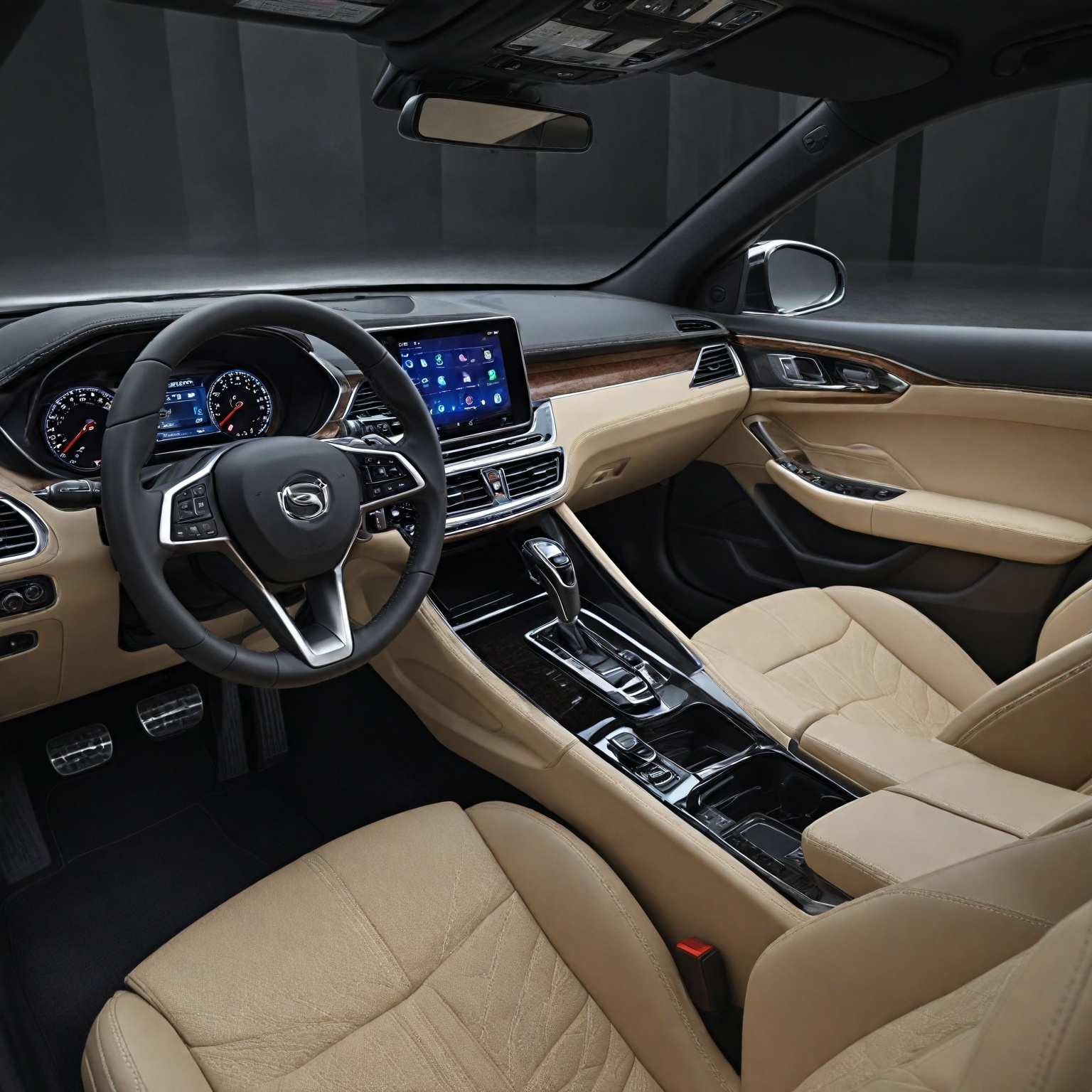
Highlights
- Discovering hidden car features can significantly enhance convenience, safety, and vehicle performance.
- Embrace advanced technologies to fully leverage your vehicle's potential and drive smarter in 2025.
Summary
Unlock Hidden Car Features: 7 Essential Insights Every Driver Should Explore in 2025 provides an in-depth overview of the increasingly sophisticated concealed functionalities embedded in modern vehicles. These hidden car features—ranging from secret storage compartments and advanced infotainment systems to performance tuning modes and cutting-edge safety technologies—offer drivers enhanced convenience, customization, and safety beyond what is immediately visible or accessible. As automotive technology rapidly evolves, uncovering and utilizing these features has become essential for maximizing a vehicle’s potential in 2025.
The article categorizes hidden features into four main groups: secret compartments and storage; advanced infotainment and connectivity; safety and driver-assistance innovations; and performance and terrain adaptability. Notable examples include wireless Apple CarPlay in the Toyota Highlander, advanced driver assistance systems like lane-keeping and blind-spot monitoring in models such as the Genesis GV80 and Hyundai Ioniq 6, and terrain-optimized driving modes in vehicles like the Toyota Tacoma. These technologies collectively enhance the driving experience by improving security, reducing driver fatigue, and enabling personalized vehicle settings.
Unlocking these features often requires specific key sequences, software tools, or diagnostic interfaces, and many are accessible only through over-the-air (OTA) updates or connected vehicle apps. This integration of digital and mechanical hidden capabilities reflects the broader shift toward software-defined vehicles, enabling continuous improvements without dealership visits. Additionally, AI-driven voice and gesture controls and augmented reality displays are transforming vehicle interaction into safer, more intuitive experiences.
However, the adoption of advanced hidden safety systems also raises important concerns. Overreliance on adaptive cruise control and lane-centering technologies may encourage risky behaviors such as speeding or driver inattention, underscoring the need for proper understanding and cautious use. Regulatory standards continue to evolve to ensure these features enhance rather than compromise safety. Overall, exploring hidden car features in 2025 empowers drivers to fully leverage modern automotive innovations while navigating their benefits and limitations responsibly.
Understanding Hidden Car Features
Hidden car features refer to special functions, compartments, or capabilities built into modern vehicles that are not immediately apparent to the average driver. These features are intentionally concealed by manufacturers and often require specific actions to access, such as pressing particular key sequences, using diagnostic tools, or locating concealed panels within the vehicle interior or exterior. These hidden elements serve various purposes, including enhanced security, convenience, customization, and improved vehicle performance. For example, secret storage compartments provide discreet spaces to store valuables, while hidden performance modes can optimize the vehicle’s driving dynamics under certain conditions. Additionally, some hidden features offer engineering access for maintenance or diagnostics, allowing both manufacturers and advanced users to interact with the vehicle’s electronic control units (ECUs) and onboard diagnostic systems. Understanding these concealed functions enables drivers to maximize their vehicle’s potential, benefit from advanced safety and convenience options, and personalize their driving experience. As automotive technology advances, discovering and utilizing these hidden features has become increasingly valuable for modern car owners.
Categories of Hidden Car Features in 2025
Hidden car features in 2025 span a diverse range of functionalities that enhance convenience, safety, performance, and customization. These features often require specific actions to access, such as key sequences, diagnostic tools, or interfacing with advanced software systems. Broadly, these concealed capabilities can be categorized into four main groups: secret compartments and storage, advanced infotainment and connectivity, safety and driver-assistance innovations, and performance and terrain adaptability.
Secret Compartments and Storage
Many modern vehicles incorporate hidden compartments that provide discreet storage options for valuables or essential items. These spaces are typically concealed behind panels or integrated into unexpected areas of the cabin to prevent easy discovery, thereby enhancing security and reducing clutter within the car interior.
Advanced Infotainment and Connectivity
Infotainment systems in 2025 vehicles have evolved significantly beyond traditional audio and navigation functions. They now feature high-resolution displays, personalized user interfaces, and seamless integration with mobile devices via wireless Apple CarPlay and Android Auto. Some luxury models, such as the Porsche Macan EV, offer in-depth integration that projects navigation maps directly onto digital clusters, creating immersive and intuitive driver experiences. Moreover, voice and gesture interfaces powered by AI assistants like Alexa Auto and Google Assistant improve usability and safety by minimizing driver distraction. Over-The-Air (OTA) updates enable vehicles to continuously evolve by installing new apps and security patches remotely, ensuring infotainment systems remain current without dealership visits.
Safety and Driver-Assistance Innovations
Hidden safety technologies have become fundamental in 2025 vehicles, providing proactive and reactive assistance to drivers. Features like lane-keeping assist go beyond simple warnings by gently steering the vehicle back into its lane, significantly reducing fatigue and accident risks on long drives. Blind-spot monitoring systems have advanced to include live surround-view camera feeds, as seen in the Genesis GV80, which displays the car’s blind spots in real time on the center screen when the turn signal is activated, enhancing situational awareness without requiring physical head movement. Additional safety mechanisms include automatic crash notification systems that alert emergency responders with precise GPS location data in the event of an accident, while rear cross-traffic alerts warn of pedestrians or vehicles when backing up.
Performance and Terrain Adaptability
Several 2025 models, especially trucks and SUVs, incorporate hidden performance modes and terrain-adaptive systems that allow drivers to tailor vehicle behavior to specific environments. For example, the Toyota Tacoma’s Multi-Terrain Select system lets users optimize traction and handling for surfaces like mud, sand, or rocks, enhancing off-road capability without compromising control or safety. Some performance-oriented vehicles offer on-the-fly tuning options to adjust engine or suspension settings for racing or towing scenarios, providing flexibility previously reserved for specialized aftermarket modifications.
These categories highlight how hidden features in 2025 vehicles contribute to a smarter, safer, and more customizable driving experience, often operating seamlessly in the background to support drivers without requiring constant attention. Understanding and exploring these concealed capabilities can unlock the full potential of modern automobiles.
Notable Examples of Hidden Features in 2025 Vehicles
Several 2025 vehicle models showcase hidden or lesser-known features that enhance convenience, safety, and overall driving experience. These features, often embedded within infotainment systems, advanced driver assistance suites, or vehicle architecture, highlight the increasing sophistication of modern cars.
One example is the 2025 Toyota Highlander, which offers Wireless Apple CarPlay as a standard feature. This allows seamless connection of an iPhone to the vehicle’s infotainment system without cables, enabling access to maps, music, and messages directly on the screen—an enhancement appreciated by many drivers and families. Toyota models also frequently include the Toyota Safety Sense 3.0 suite, featuring front automatic emergency braking, lane keep assist, adaptive cruise control, road sign recognition, and high-beam assist. Higher trims add proactive driving assists such as front and rear cross-traffic alert and low-speed hands-free driving for traffic jams.
Hyundai’s 2025 Ioniq 6 electric vehicle incorporates Highway Driving Assist across all trims, a feature normally limited to higher-priced models. This system improves driver safety by assisting with lane centering and adaptive cruise control, making the Ioniq 6 one of the safest and most future-ready EVs available in 2025. The updated Highway Driving Assist 2 system notably improves lane centering performance over previous versions.
Volvo continues its reputation for safety with the XC60, which comes equipped with standard all-wheel drive, an 11.2-inch center infotainment display, and wireless phone charging. The XC60 also offers PHEV and mild hybrid variants, combining efficiency with power. Moreover, Volvo’s flagship electric SUV, the EX90, introduces cutting-edge safety technologies such as a driver monitoring system capable of autonomously pulling over if the driver becomes unresponsive, as well as lidar sensors supporting advanced driver assistance.
Another innovative hidden feature is the virtual removal of front blind spots via camera systems. Vehicles like the 2025 Nissan Rogue, Murano, and Armada display real-time images of the area in front of the hood on their infotainment screens, effectively eliminating blind spots and improving situational awareness.
Acura’s 2025 Integra comes standard with the AcuraWatch suite, which includes front and rear automatic emergency braking, rear cross-traffic alert, blind-spot monitoring, lane departure prevention, lane keep assist, adaptive cruise control, and automatic high beams, providing a comprehensive active safety package for a compact premium vehicle.
These examples reflect the growing integration of hidden or less obvious technological features in 2025 vehicles, designed to boost convenience, safety, and driver confidence without overwhelming the user with complexity.
Common Lesser-Known Features to Explore
Modern vehicles often come equipped with a variety of hidden or lesser-known features that can significantly enhance the driving experience, yet many drivers remain unaware of them. These features range from secret compartments and specialized performance modes to advanced infotainment capabilities and safety enhancements designed to improve convenience, security, and overall vehicle functionality.
One common hidden feature found in many new cars is secret storage compartments. These are often concealed behind panels or integrated into unexpected locations within the vehicle, providing secure spaces for valuables, emergency tools, or toll passes without cluttering the cabin. Such compartments contribute to enhanced security by keeping important items out of plain sight.
Performance modes are another category of concealed functionalities. Many vehicles include sport or custom tuning options that can be activated through specific key sequences or vehicle settings menus. These modes optimize engine performance, transmission behavior, and suspension settings to deliver a more dynamic driving experience. Accessing these modes may require consulting the vehicle’s manual or using diagnostic tools.
In terms of convenience, features like the Smart Key System have evolved to allow drivers to unlock and start their cars without physically handling the key fob. For example, Toyota’s 2025 models integrate this seamless keyless entry and ignition system, improving ease of use while maintaining security standards. This kind of technology reduces driver effort and streamlines vehicle access.
Advancements in infotainment systems have also introduced hidden or less obvious features. Voice and gesture controls powered by AI assistants such as Alexa Auto and Google Assistant are increasingly integrated into vehicles, enabling safer, hands-free interaction with entertainment, navigation, and vehicle settings. Additionally, over-the-air (OTA) updates allow the car’s software to receive continuous improvements and security patches without requiring dealer visits. Augmented reality heads-up displays (AR-HUDs) further enhance the driver interface by projecting navigation and critical information directly onto the windshield, minimizing distraction.
Moreover, many built-in safety tools remain underutilized due to lack of awareness. Features like advanced driver assistance (ADA) systems—including lane centering and adaptive cruise control—are designed to reduce driver fatigue and improve safety on long drives. However, their effectiveness depends on proper use and understanding of their limitations, as some systems have raised concerns when they allow prolonged driver inattention.
Unlocking Hidden Features
Modern vehicles come equipped with a multitude of hidden features that go beyond the obvious controls and displays visible to drivers. These concealed functions, compartments, and capabilities are often integrated by manufacturers to enhance security, convenience, customization, and performance, yet remain unknown to many drivers. Unlocking these features typically involves discovering secret compartments, entering specific key sequences, accessing diagnostic tools, or utilizing software interfaces designed to reveal additional vehicle functionality.
Many of these hidden features serve practical purposes such as increasing safety, reducing driver fatigue, extending the lifespan of vehicle components, and even saving money over time by allowing owners to better maintain or customize their vehicles. Some features include performance modes that can be activated for enhanced driving dynamics, secret storage spaces to securely hide valuables, and engineering access panels that facilitate easier maintenance or modifications.
With the rise of connected car technologies, unlocking hidden features has expanded to include digital functions. Over-the-Air (OTA) software updates allow vehicles to receive the latest improvements and security patches remotely, while remote vehicle access through mobile apps enables owners to start, lock, or monitor their cars from anywhere. Personal profiles synced via the cloud provide a tailored driving experience by remembering individual preferences across different vehicles, making these features both convenient and highly customizable.
Additionally, modern infotainment systems increasingly integrate AI-driven voice and gesture controls, augmented reality heads-up displays, and panoramic digital dashboards that transform the driving environment into a more interactive and safer space. Understanding and accessing these hidden features not only enriches the ownership experience but also empowers drivers to fully utilize the advanced capabilities of their vehicles in 2025 and beyond.
Brands and Models Recognized for Unlockable Hidden Features
Several automotive brands and specific models have gained recognition for incorporating unlockable hidden features that enhance security, customization, and driver convenience. These features often include secret compartments, advanced performance modes, and innovative technology integrations that are not immediately apparent to everyday users.
Honda is notable for its legacy of tunable and modifiable vehicles, with the S2000 standing out as a prime example. Produced between 1999 and 2009 to commemorate Honda’s 50th anniversary, the S2000 is celebrated for its excellent factory track performance and robust aftermarket support, making it a favorite among tuning enthusiasts who frequently access its hidden performance capabilities. Similarly, the Honda Civic continues this tradition by offering a strong platform for modifications and hidden performance modes, aided by an extensive aftermarket ecosystem.
Other models recognized for their affordability and ease of modification—often linked to unlockable features—include the Mazda Miata, Subaru WRX, Volkswagen GTI, and Nissan 350Z. These vehicles are favored by beginners and hobbyists due to their straightforward mechanical layouts and availability of tuning resources. Performance-oriented vehicles like the Toyota Supra Mk4 and Mazda RX-7, while pricier, are also notable for their potential to unlock high-performance hidden features through aftermarket tuning and software modifications.
In terms of emerging technology, Hyundai, Kia, and Genesis are rapidly advancing in the realm of software-defined vehicles (SDVs). By 2025, these brands aim to implement comprehensive over-the-air (OTA) updates, feature-on-demand services, and domain-centralized computing architectures, enabling owners to unlock and update vehicle functionalities remotely, thus expanding the range of hidden technological features accessible post-purchase.
Toyota’s 2025 Corolla models exemplify the integration of subtle yet impactful hidden technology, such as an enhanced Smart Key System that allows drivers to unlock and start their vehicles without removing the key fob from a pocket or bag. This seamless convenience reflects the trend toward embedded security and usability features designed to operate discreetly.
Additionally, the integration of AI-based voice and gesture controls, panoramic displays, and augmented reality head-up displays (AR-HUDs) are becoming standard in many modern vehicles, offering drivers new layers of interactive and customizable features that remain hidden until activated or configured.
Software Tools and Tuning Platforms for Feature Unlocking
The automotive landscape in 2025 has seen a significant rise in the availability and sophistication of software tools designed to optimize vehicle performance and unlock hidden features. These tools enable users to fine-tune various aspects of their cars, such as horsepower, torque, transmission, suspension, and emission controls, often without requiring deep technical expertise.
Among the leading tuning platforms, EZ LYNK stands out in the diesel tuning market due to its wireless, cloud-based system that offers flexibility and ease of use for diesel truck owners. Similarly, Kess 3 has gained popularity for its comprehensive coverage, supporting OBD, Bench, and Boot tuning across a wide range of vehicles including cars, bikes, tractors, and boats. Its clean interface and frequent updates make it a favorite among enthusiasts seeking a versatile solution.
Software-defined vehicle architectures now commonly support Over-The-Air (OTA) updates, allowing cars to receive new applications and security patches seamlessly while parked, akin to smartphones. This capability ensures vehicles remain current without requiring dealer visits and often integrates with remote vehicle access features such as starting, locking/unlocking, and monitoring through smartphone apps. Additionally, personal profiles synced via the cloud allow for driving preferences to be maintained across multiple vehicles, enhancing user convenience and personalization.
Benefits of Exploring and Utilizing Hidden Features
Discovering and using hidden features in modern vehicles offers
Risks, Limitations, and Precautions
While advanced driver assistance (ADA) systems and other modern vehicle safety features have significantly improved road safety, they also present certain risks and limitations that drivers should be aware of. One major concern involves the potential misuse or overreliance on these technologies. For instance, adaptive cruise control (ACC), designed to maintain safe following distances and reduce driver workload, has been found to encourage some drivers to exceed speed limits. A study by the Insurance Institute for Highway Safety revealed that drivers using ACC were 24 percent more likely to speed on limited-access highways and tended to exceed speed limits by larger margins compared to manual driving. This behavior can undermine the intended safety benefits of such systems.
Another limitation relates to driver attentiveness. Certain ADA systems allow vehicles to be driven for extended periods without requiring active steering input or continuous driver engagement, raising concerns about driver inattention. Experts caution that automakers should incorporate adequate safeguards to ensure that drivers remain alert and ready to take control, especially when combining features like lane centering assistance with adaptive cruise control. Without proper monitoring, these systems may give a false sense of security, potentially leading to hazardous situations.
Furthermore, ADA systems generally do not offer full vehicle autonomy. Adaptive cruise control, for example, operates as a Level 1 autonomous technology, providing assistance rather than complete control of the vehicle. When combined with features such as lane centering, a vehicle may achieve Level 2 autonomy, but these systems still require active driver supervision and intervention. Drivers must understand these limitations to avoid overestimating the capabilities of their vehicle’s technology.
Manufacturers also mandate that certain safety features be factory-installed to ensure consistent performance and compliance with regulations. However, some vehicle modifications, such as recalibrating tire or engine parameters through software interfaces, may impact system functionality and should be approached cautiously.
Regulatory Standards and Safety Certifications
Vehicle safety standards in the United States are mandated by the federal government and encompass advanced crash protection features such as structural reinforcements, restraints, and airbags. Airbags, for instance, became mandatory for all passenger cars, light trucks, and vans starting in 1999, reflecting a longstanding commitment to occupant safety. These regulations establish a baseline of safety, but consumers are encouraged to consider a wide array of safety features when selecting a vehicle.
In addition to federal mandates, vehicles are evaluated and awarded safety certifications based on their crash performance and the effectiveness of their safety technologies. The Insurance Institute for Highway Safety (IIHS) awards designations such as Top Safety Pick (TSP) and the more rigorous Top Safety Pick+ (TSP+), which recognize the safest vehicles each year. These awards have become increasingly stringent over time, pushing manufacturers to continuously improve safety measures. The latest lists include vehicles from the 2025 and 2026 model years that have undergone testing so far.
Safety ratings are also provided by the National Highway Traffic Safety Administration (NHTSA), which uses a star system ranging from one to five stars to indicate overall safety performance. These ratings are publicly accessible at NHTSA.gov/Ratings and are also displayed on the window stickers of new vehicles once testing is completed.
Advanced driver-assistance systems (ADAS) such as adaptive cruise control (ACC) and lane-centering assistance contribute significantly to vehicle safety but raise concerns regarding proper implementation and driver interaction. Experts warn that combining these systems without adequate safeguards can lead to driver overreliance or distraction, potentially undermining safety benefits. For example, some ADA systems permit extended driving without requiring driver input or attention, which is considered problematic by safety advocates. Regulatory frameworks and industry standards, including European norms like ISO 15622 for adaptive cruise control, guide the performance and testing of these systems to ensure they enhance rather than compromise safety.
Future Trends in Hidden Car Features
As automotive technology advances, hidden car features are evolving beyond simple secret compartments or performance modes into sophisticated, software-driven capabilities that enhance security, convenience, and user experience. One prominent trend is the integration of Over-the-Air (OTA) updates, allowing vehicles to receive software patches and new functionalities remotely while parked, much like smartphones. This capability ensures cars remain up to date with the latest improvements and security measures without requiring a visit to the dealership.
Another significant development is the rise of AI-driven interfaces and personal assistants embedded within vehicles. AI-powered voice and gesture controls, including systems like Alexa Auto, Google Assistant, and proprietary OEM solutions, provide safer and more intuitive ways to interact with infotainment and vehicle systems. These assistants can understand natural language, enabling continuous and contextual dialogues during journeys, as seen in collaborations such as Mercedes-Benz and Google’s MBUX Virtual Assistant integration.
Connected features enabling remote vehicle access have also become more common, allowing drivers to start, lock, unlock, and monitor their cars from anywhere through dedicated smartphone apps. Personal profiles that sync driving preferences across multiple vehicles via cloud services add further customization, ensuring a consistent and personalized driving experience regardless of which car is used.
Moreover, advancements in augmented reality (AR) and integrated displays are transforming dashboards into immersive information hubs. Panoramic displays and AR head-up displays (HUDs) present essential data in the driver’s line of sight, reimagining the cockpit experience with a focus on safety and entertainment.
Behind the scenes, smart vehicles are leveraging AI-driven data analysis to optimize performance and safety in real time, analyzing sensor inputs and user behavior to adapt to changing conditions seamlessly. This represents a shift from purely mechanical or hardware-based hidden features to intelligent, software-based enhancements that respond dynamically to driver needs.
The content is provided by Avery Redwood, Direct Bulletins